
Research-Bibliothek
Insights
Institutionelles Research und redaktionelle Perspektiven zu den Standorten, Anlageklassen und Rahmenbedingungen unserer Investitionen. Wir veröffentlichen längere Dossiers zu den strukturellen Veränderungen, die den Luxusimmobilienmarkt prägen, sowie kürzere Beiträge zu Methodik, Regulierung und unseren spezifischen Märkten.
Geography of Trust
Eine institutionelle Research-Reihe zu den strukturellen Veränderungen im Luxusimmobilienmarkt. Fünf Bände untersuchen Vermögensmigration, die Neubewertung von Anlageklassen, die Beständigkeit von Rechtsräumen, die Zweiteilung des Branded-Residences-Markts und die Kontinuität von Hotelbetreibern.
Flagship Reports
 Dossier
Branded Residences
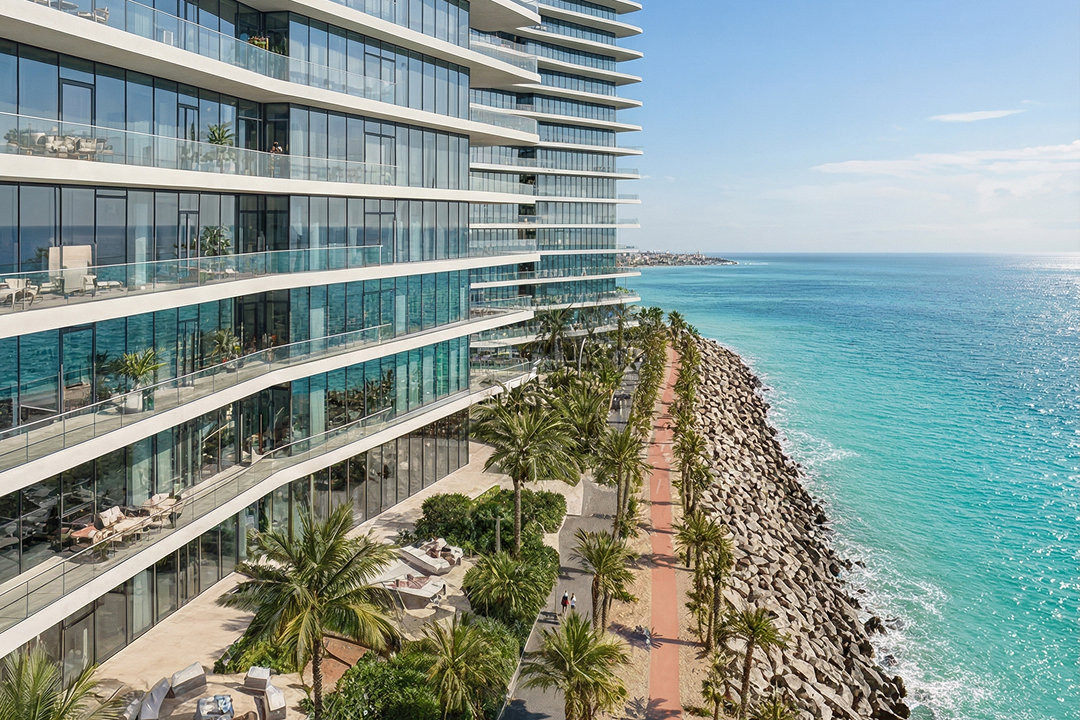
The Resale Test: Branded Residences After Handover
Savills places the average branded residence premium at roughly 33 per cent at launch. Whether that premium survives the secondary market is a different question, and the industry rarely asks it in public. This dossier assembles the resale evidence, Dubai transaction records, two Miami towers with a decade of secondary trading, and the brand-removal natural experiments, and tests the premium where it matters: at exit. With branded residences forecast to dominate new supply on Al Marjan by 2030 and Greystone holding operating positions there, the question is not academic. The conflicts are declared. The evidence decides, and where it cannot, the dossier says so.
Vollständigen Report lesen Dossier
Marktanalysen
Branded Residences 2026: 910 Schemes, Two Markets
Savills counts 910 branded residence schemes at end-2025. Knight Frank counts 611 under a luxury-only screen. The 299-scheme gap is not a counting error: it is the operational signature of a bifurcation. Tier 1 scarcity brands (Aman, Rosewood, Cheval Blanc, Bulgari) compound a 30 to 50 per cent premium. Tier 3 mass-luxury (Marriott Ritz-Carlton, St. Regis, JW, EDITION; Accor; Hilton Conrad) commodifies the premium toward 5 to 15 per cent in oversupplied markets. The Savills 33 per cent global average is a weighted composite of two distributions that move in opposite directions. This dossier reads the count as two markets, decomposes the premium into five components, and traces the holding-period asymmetry against the Vol.2 Lake Como unbranded heritage anchor. It is the third volume of Geography of Trust.
Vollständigen Report lesen Dossier
Marktanalysen
Where the World's Wealth Is Actually Moving in 2026
Henley's 142,000-migrants headline for 2025 fails an independent forensic test at the 1-in-240,000 level. For the UK, the contested 16,500 outflow narrows to 1,800-3,800 once CenTax microdata is cross-tabulated with Companies House. The Italian 24-bis regime scaled from 94 in 2017 to roughly 1,631 active taxpayers in 2024. The Geography of Trust is now a three-vector portfolio decision, not a tax-haven shortlist.
Vollständigen Report lesen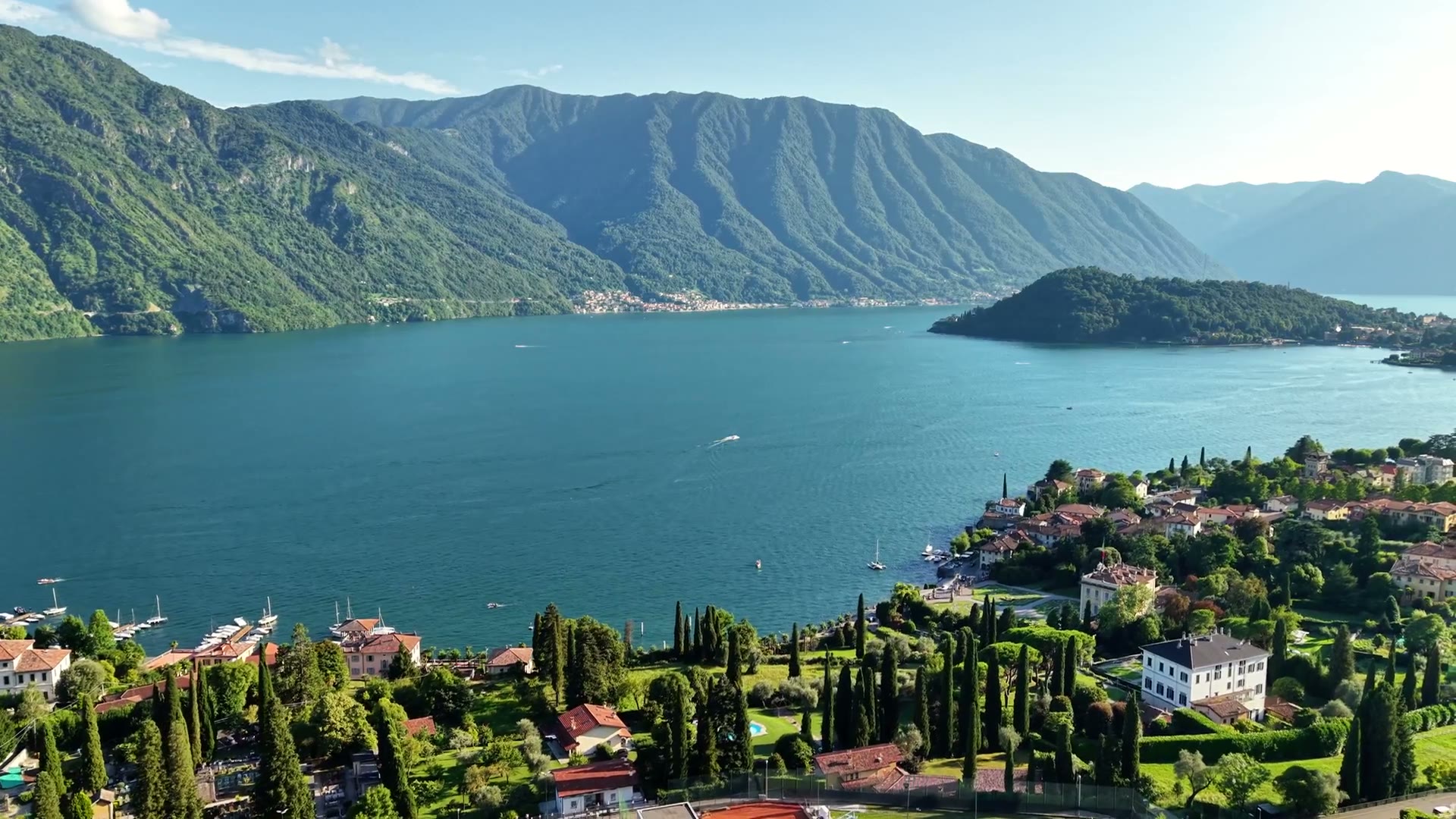 Dossier
Marktanalysen
Lake Como Ultra-Prime 2026: Dual Scarcity, +6.5% PIRI
Italian prime is conventionally read as a single asset class with a synchronised cycle. Lake Como has structurally exited that cycle. Three binding constraints (D.Lgs. 42/2004 landscape statute, multi-generational family non-sale, Article 24-bis sorting at €300k from 2026) make supply effectively zero, turnover effectively low, and buyer pool effectively non-resident on a 15-year horizon. The result is not cyclical prime but compounding rent on irreplaceability. The correct comparator basket is no longer Forte dei Marmi or Cap Ferrat. It is Mayfair Grosvenor, Park Avenue prewar, St Moritz Suvretta, Cologny.
Vollständigen Report lesen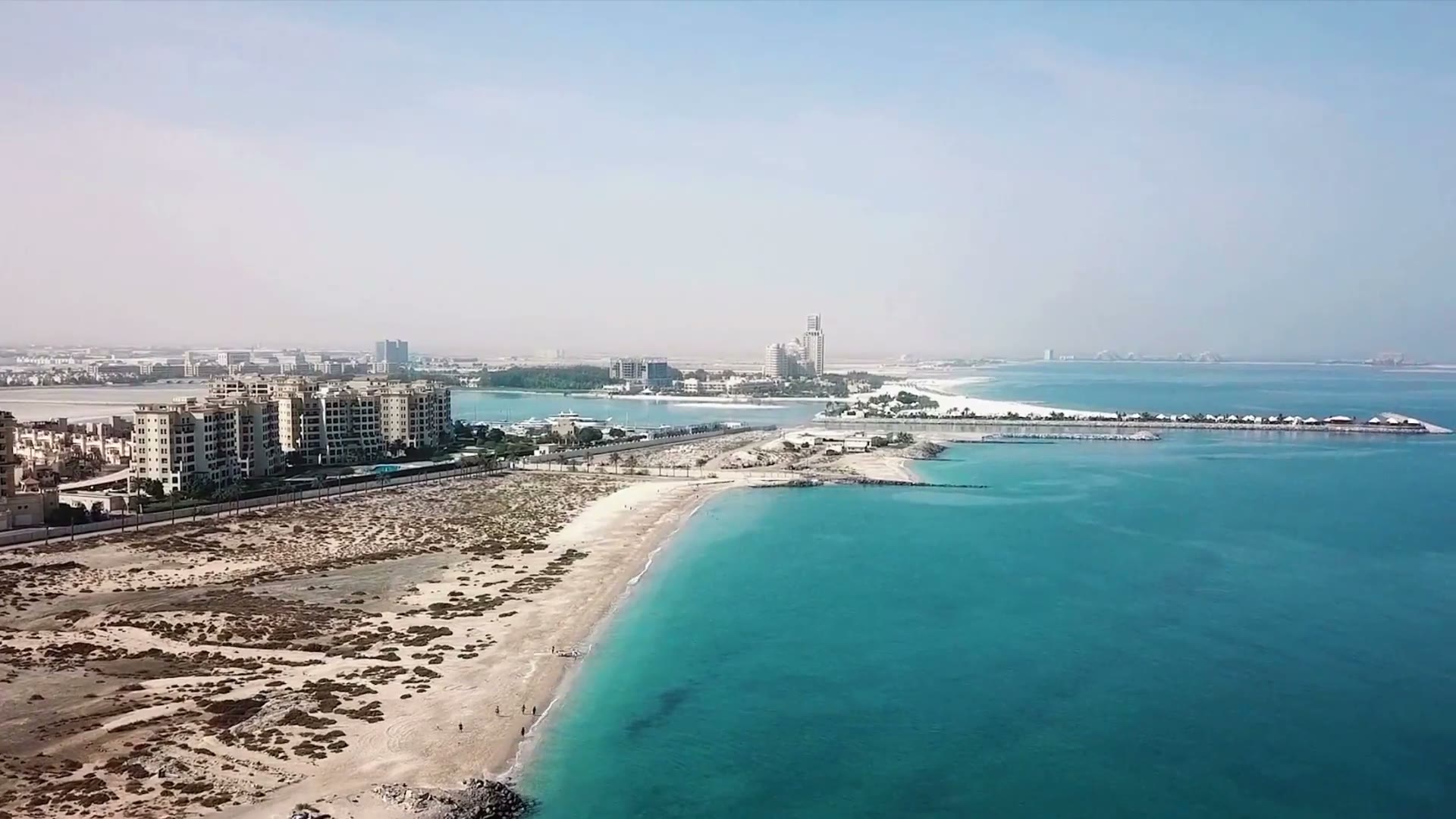 Dossier
Marktanalysen
RAK Wynn Effect 2026: Macau Analog Tested
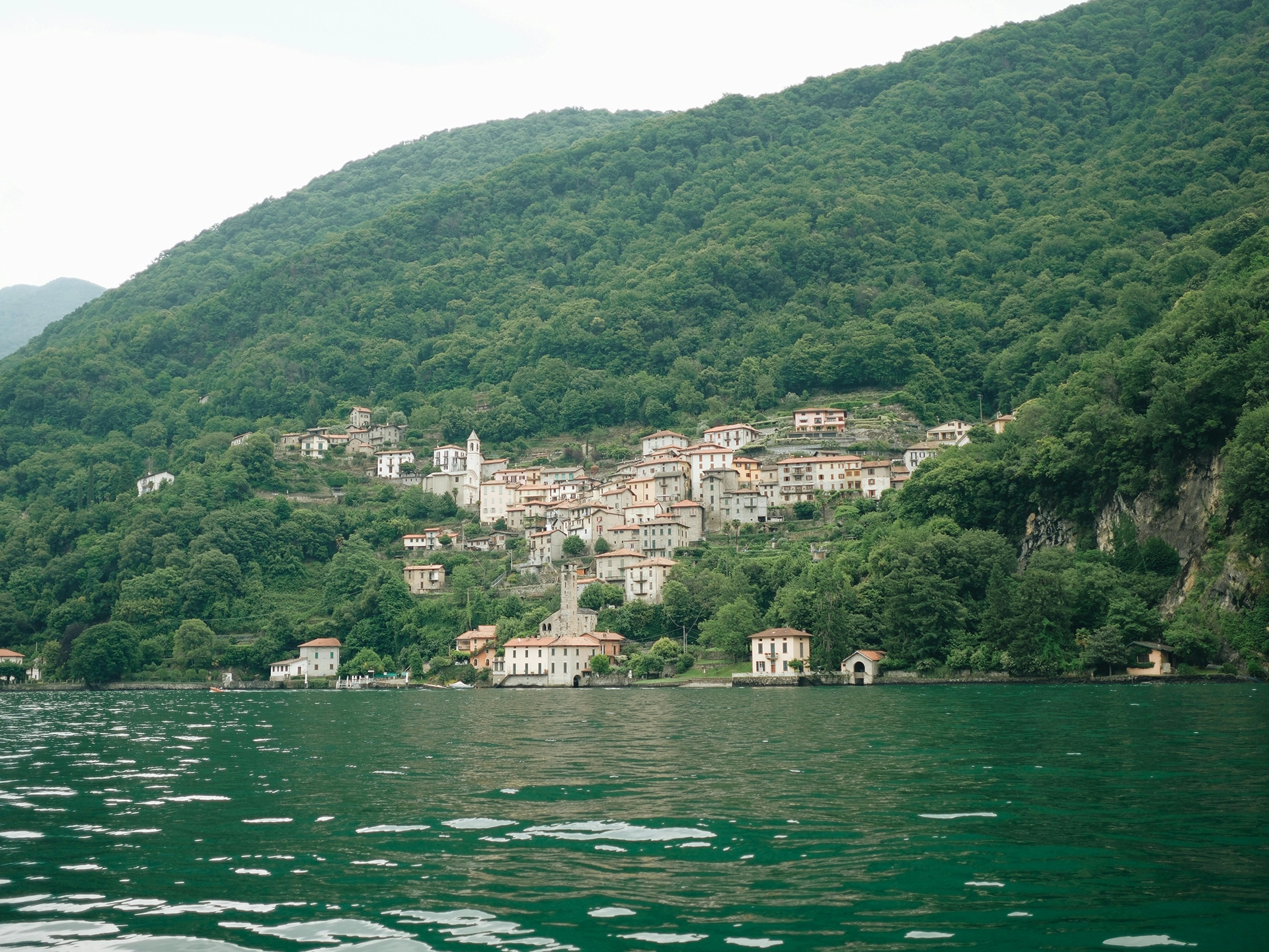
Wynn Al Marjan disclosed a delay on 7 to 8 May 2026. Q1 2026 earnings call. Operation Epic Fury was in its tenth week. The price tag stands at 5.1 billion dollars. The consortium projection of 28 per cent IRR assumes Macau pre-correction. Macau printed plus 28 per cent compound 2002 to 2014 and then minus 30 to 50 per cent correction 2014 to 2016. The Singapore IR analog printed approximately 5 per cent CAGR over 15 years. The diversification thesis between Dubai and RAK fails at the risk-vector layer: oil, Iran security, federal regulation, insurance, USD peg are correlated, not orthogonal. This dossier reads the Wynn announcement, applies the Macau analog with its three failed preconditions, weights three scenarios, and discloses the five correlated risk vectors. It is the fourth volume of Geography of Trust.
Vollständigen Report lesen Dossier
Marktanalysen
Luxury Hospitality 2026: Operator Continuity Dominates
Geography of Trust began with one hundred and forty-two thousand millionaires that did not move countries. Vol.1 audited the migration. Vol.2 read Lake Como as compound, not cycle. Vol.3 split nine hundred and ten branded residence schemes into two markets sharing a name. Vol.4 applied the Macau analog to Ras Al Khaimah Wynn Al Marjan. Vol.5 closes the series by reading luxury hospitality as the asset class that ties them. The thesis is direct. Operator continuity dominates location. Cash flow duration is mispriced as cap rate. The asset class is operator-led, not location-led, not brand-led, not cycle-led. STR luxury class RevPAR YTD August 2025 printed plus 5.3 per cent against global plus 0.2 per cent and economy minus 1.8 per cent. Aman cumulative funding 2022 to 2023 from PIF, Cain International, Mubadala Capital and Alpha Wave was roughly USD 1.3 billion. Aman One Beverly Hills March 2026 closed USD 4.3 billion with JPMorgan senior plus VICI mezzanine. Mandarin Oriental delisted 28 February 2026 at USD 4.2 billion. Marriott and Lefay announced their JV in March 2026 as the thirty-ninth Marriott brand and first dedicated luxury wellness, Italian-origin acquisition. These are the data points of an asset class that prices its operators, not its rooms.
Vollständigen Report lesenValue-Add-Methodik
Permit Calendar: Lake Como, Day by Day
A dated permit file is the cheapest proof of execution capacity, and almost nobody publishes one. This paper rebuilds the Lake Como calendar from the statutes. It names each body, the day its clock starts, the days the law grants it and the events that stop the clock, then sets the arithmetic against what practitioners report. The gap between the two is the underwriting fact.

Destinationen
PT PMA: The Cost and the Calendar
The PT PMA is Indonesia's foreign investment company, the vehicle every advisor cites and few define. Since October 2025 the paid-up capital floor is IDR 2.5 billion, roughly USD 150,000, down from IDR 10 billion. Incorporation runs three to six weeks. The obligations that follow do not end at closing. This is the arithmetic, sourced to the regulation, not the brochure.

Marktanalysen
Al Marjan Island: The Developer Map
Al Marjan Island has one land authority, one anchor resort joint venture, a handful of listed regional groups and a long tail of private developers. It also has a capital layer that buys units without building anything. This note separates the layers, grades what each is documented to do, and sets out the register and escrow rules an allocator can test a name against. Victaura sits in the last layer, not the first. The note says so, and says what follows from it.
Branded Residences
Hotel-Branded vs Design-Branded: The Split
Two buildings on the same Gulf shoreline can both be sold as branded residences. One comes with a hotel operator and a service machine. The other comes with a design house's name and a specification book. The public premium statistics blend them. This note separates the two on recurring income, association costs, resale and the length of the agreement.
Destinationen
Second Home Visa: What It Grants and Withholds
Indonesia's Second Home Visa answers a question that comes before any question about property: on what legal basis may the principal be present, for how long, and doing what. The published rules grant a five or ten year stay against a proof of funds. They do not grant employment rights, land title, or a path the regulator has described as permanent. Victaura reads the instrument as it is written, and marks where sources disagree.

Marktanalysen
Who Develops in Zanzibar: The Operator Map
Zanzibar has no register of developers. It has an investment authority that issues certificates, a land regime built on leases, and, since April 2025, a trade association. This note maps the operators that can be named from public sources, what each is documented to have built and where, and the tests an allocator can use to tell a developer from an intermediary. Every name carries its source. Every gap is disclosed.
Value-Add-Methodik
Island Construction: The Real Cost Curve
An island's building cost is not a coastal markup on a continental base rate. It is the sum of four variables that mainland underwriting rarely prices correctly: freight and port dwell time, the depth of the local skilled-trades market, the lead time on imported specification, and the number of usable construction months once the rains are subtracted. Victaura treats each as a separate line, not a rounding error.
Branded Residences
Branded Residences: The Developer's Real Bill
The premium a brand adds to a sale price is the number every report quotes. The number that decides whether the deal works is the one nobody puts on the rendering: a licence fee, key money that rarely arrives, a technical services fee due before any unit sells, and a Brand Standards Manual that dictates capex for the life of the agreement. This is the developer's ledger.
Destinationen
Gili Air: What a Foreign Holder Actually Gets
No portal screens listings for Gili Air the way they do for Trawangan or Bali's south coast. That absence is not emptiness, it is a different regime. What a foreign principal actually acquires there is a time-limited use right, layered under three separate regulators, priced against a province-specific floor. This piece maps the structure, not the sale.
ESG & Verantwortung
Coastal Setbacks: The Line That Halves a Lot
Between the boundary pin and the first buildable metre sits a strip no sales pack draws. Zanzibar's own rule reserves thirty metres of every sand-beach lot to the sea, ten where the edge is cliff, before a forty-five percent coverage cap even applies. The allocator who prices frontage without measuring the setback is pricing a rendering, not a title.
Branded Residences
The Management Agreement: What It Actually Costs
The branded-residence premium is measured, published and argued over by two research houses. The management agreement that actually produces it — base fee, incentive fee, term, brand standards and the capital obligation behind them, the rental pool, the revenue split, the exit — is not. This piece works through what is publicly documented about that contract, and states plainly what is not.
Value-Add-Methodik
The Documents a Developer Should Show You
A pitch deck proves nothing. A title register entry, a construction escrow account and a notarial deed prove something specific, in a specific order, verifiable by a third party who is not the developer. This is the paper trail an allocator should request before the site visit, jurisdiction by jurisdiction.
Marktanalysen
Rates and Prime Property: The 2026 Repricing
Two policy paths have diverged since June 2026: the ECB hiked, the Federal Reserve holds after two years of cuts. Prime resort property is not repricing as one asset class. The financed position, underwritten to a cap rate and a debt stack, moves with the curve. The operated position, underwritten to occupancy and rate, moves with demand. This note separates what the 2026 rate path has already repriced from what remains open to the next decision.
Marktanalysen
Currency Risk: What Hedging Actually Costs
A resort priced outside the principal's own currency carries two positions, not one: the property, and the exchange rate that decides what it was actually worth at exit. The dollar alone moved 10.8% against major currencies in the first half of 2025. This note sets out how a floating pair, a managed float and a hard peg each price that risk, what a forward hedge costs today, and what history shows an unhedged position can do to a sound property return.
Destinationen
The Freehold Question: SPV, Lease or Nominee
Freehold is rarely on offer to a non-resident buyer in an emerging resort market. What is on offer is a corporate vehicle, a registered leasehold, or a nominee arrangement, and the three are not interchangeable. This note maps the statute, the term, and the enforcement record behind each route across six jurisdictions.
Value-Add-Methodik
Resort Conversion: Underwriting the Capex Stack
The return on a value-add resort conversion is the spread between acquisition basis and stabilized value, net of everything that goes wrong in between. This piece sets out how that spread is underwritten: the capex stack, the contingency a standing structure requires, and the multi-year curve the revenue side must climb before the exit math works.
Branded Residences
The Operator Premium, Measured
Branded residences sell on a headline premium that Savills and Knight Frank both measure in double digits — but the figure is a launch-price observation, not a resale-proven return, and it arrives net of a licensing fee the seller pays whether or not the brand adds value. This piece separates what the public data confirms from what the badge merely implies.
ESG & Verantwortung
Environmental Constraints: The Scarcity Premium
Building moratoria, height caps and protected-area statutes are usually read as headwinds. The record across several resort jurisdictions points the other way: a binding, tested limit on new supply becomes a floor under the value of everything already built. The constraint does not eliminate risk — it relocates it from the market to the statute book, and a statute book that has survived a court challenge or a referendum holds longer than most underwriting models assume.
Destinationen
Prime Resort Property: The Liquidity Discount
Prime resort property does not trade at a lower price than prime urban. It trades at a lower speed. The discount the allocator should be pricing is not on the entry number, it is on the exit: days on market, the gap between the asking price and the realised price, and the thin buyer pool that produces both. Brand and hotel management do not raise the price. They compress the spread. Liquidity, not price, is the real risk.
Destinationen
Leasehold in Prime Resorts: Pricing a Term-Bound Right
Foreign buyers in prime resort markets rarely buy freehold. In Zanzibar they buy a 99-year leasehold. In Bali they buy an 80-year right of use. A term-bound right is not a title, and it does not price like one. This is how the allocator underwrites the countdown, and where the marketing line quietly fails.
Value-Add-Methodik
Boutique Conversions: The Value-Add Underwrite
A boutique conversion is not a purchase. It is a manufacturing programme. The principal buys a building, a change of use, a capital budget and an operating agreement, and assembles an asset that did not exist on the day of acquisition. The return is the spread between a distressed-in basis and a stabilized-out value. This is how that spread is underwritten.
Marktanalysen
Milan Prime After the Games: The Honest Verdict
The Milano-Cortina Winter Games closed in February 2026. The eve-of-event narrative called Milan the host-city trade of the cycle. The first post-Games print is now in, and the honest reading is narrower. Milan prime is Europe's strongest five-year performer, but the Games are the smallest of the reasons why.
Branded Residences
RAK Branded Residences: The Tier-One Test
Al Marjan Island is being re-rated on one anchor that is not yet built. For the allocator, the decision is no longer whether to own a branded residence there, but whether the operator clears a Tier-one bar. Wynn, Aman's Janu and Nobu are the test cases. The gap between a badge and a franchise is where the money is.
Marktanalysen
Family Offices: The Move to Operated Prime
Family offices are not raising their real-estate weighting so much as changing what sits inside it. The headline allocation barely moved, 10 to 11 per cent by UBS. The composition did. The capital is migrating from prime property held passively to prime property held as an operating asset. The distinction is where the return, and the risk, now lives.
Destinationen
Gili Air Villas: Pricing the Absence of Supply
Bali is priced on the weight of demand. Gili Air is priced on the absence of supply. The two markets look adjacent on a map and behave nothing alike. The case for a Gili Air villa is not a growth story. It is a constraint story: a car-free island of finite ground, a tenure ceiling fixed in statute, and a broker market too thin to move quickly in either direction.

Marktanalysen
Resort Rental Yield: Gross Headline, Net Residue
The advertised gross yield in a prime resort market is a headline. The net yield the owner actually banks is a residue, left after management, platform commissions, staff and a pool split have each taken their layer. And there is a third cost no brochure prices: the high-season nights the owner keeps for themselves. Whoever wants a lifestyle asset and an income asset in one building pays for both, twice.

Destinationen
Zanzibar Beyond the Million: A Market Matures
Zanzibar recorded 917,167 international arrivals in 2025 on the official OCGS archipelago series and made July 2026 the strongest single month in its recorded history. The number that mattered to the frontier thesis has now arrived, and the arrival changes the underwriting. Three things reprice when the volume is real: the frontier discount compresses, infrastructure becomes an input rather than a footnote, and the luxury tier separates from the mass-beach product it was once bracketed with. This is a maturation print, not a maturity certificate, and the distinction is the whole allocation question.

Destinationen
Bali's Moratorium: Scarcity by Regulation
When a government freezes the construction of new supply, it does by decree what scarcity does by nature. Bali entered 2026 with a formalised construction ban, a moratorium in force across six of its nine regencies, a rice-field conversion freeze under Perda No. 4/2026, and a March licensing deadline for informal stock. Read district by district, and set against a demand print that is softening even as Indonesia sets records, the measure is less a headwind than a state-drawn moat around the assets that already hold a permit.

Value-Add-Methodik
The Currency Layer: An FX Underwriting Discipline
A cross-border prime purchase carries a layer most buyers never underwrite: the currency it is denominated in. Between contract and exit the pair can move the effective price by more than any commission will, and it cannot be forecast. The institutional response is not to time the currency but to neutralise the exposure structurally, matching income, financing and holding horizon to the asset. Victaura's own book spans the two mirror cases exactly.

Value-Add-Methodik
What a Completion Guarantee Actually Covers
The off-plan buyer believes they hold a completion guarantee. They hold one of three different instruments, each covering a different event, each recoverable to a different euro. The institutional question is not whether completion is guaranteed. It is which failure the instrument covers, and how much of the money is still there when the developer fails.

Marktanalysen
RAK After the Ceasefire: The Forecast, Re-Read
On 4 August 2026 Wynn Resorts confirmed Wynn Al Marjan Island, the anchor of Ras Al Khaimah's luxury market, will open in September 2027, a roughly six-month slip, at a budget raised to approximately 5.7 billion dollars, with about 300 million attributed by its CEO to the US-Iran conflict. Volume 4 of this series forecast a modest delay, not a project-killer, from inside the war. This note re-reads that forecast against the resolved outcome, and separates what the de-escalation removes from what it does not.

Marktanalysen
Cost of Capital: An Underwriting Input for Prime
The European Central Bank raised rates in June, its first hike since 2023; the Federal Reserve and the Bank of England now hold with dissenting votes to raise, not to cut. The institutional read is not to time the prime market against the cycle, but to name the cost of capital as an underwriting input and price it against a statutory constraint that out-lasts the rate cycle.

ESG & Verantwortung
The Insurance Layer: When Climate Risk Gets Priced
Insurance is the fastest mechanism through which climate risk reaches a price. The property market reprices a coastal asset over a decade; the insurance market reprices it every twelve months. Private-client carriers have withdrawn from entire coastal states, parametric products fill the gap at the frontier, and the transaction discount on exposed coastal assets is now a measured base case. For island and coastal luxury real estate, insurability has become an underwriting variable of the same rank as title.
DossierBranded Residences
The Resale Test: Branded Residences After Handover
Savills places the average branded residence premium at roughly 33 per cent at launch. Whether that premium survives the secondary market is a different question, and the industry rarely asks it in public. This dossier assembles the resale evidence, Dubai transaction records, two Miami towers with a decade of secondary trading, and the brand-removal natural experiments, and tests the premium where it matters: at exit. With branded residences forecast to dominate new supply on Al Marjan by 2030 and Greystone holding operating positions there, the question is not academic. The conflicts are declared. The evidence decides, and where it cannot, the dossier says so.

Destinationen
Pemba: The Quieter Island
Fifty kilometres north of an island the market has already priced, Pemba receives a fraction of Zanzibar's arrivals, carries a statutory investment threshold one tenth of Unguja's, and is building an international airport. The constraints are frontier-grade: leasehold tenure, thin airlift, minimal advisory infrastructure. The case for looking now echoes Unguja a decade ago, and carries the same underwriting requirements, honestly disclosed.

Value-Add-Methodik
How Prime Property Actually Sells: The Exit
Development returns are made at acquisition and realised at exit, yet the exit is the least analysed link of the chain. Distribution is not listing: networks, mandates, off-market channels and pricing discipline decide whether a thirteen-million-euro villa transacts in nine months or sits on the market for three years. This is an operator's view of how prime property actually sells, including our own channel and its limits.

Value-Add-Methodik
What Value-Add Real Estate Really Means
Value-add is not opportunistic speculation. It is regulatory navigation, design discipline and construction execution against a binding supply constraint. This article anchors the strategy to the institutional taxonomy used by INREV, CBRE and PGIM, and then walks the jurisdictional grammar of Italy, Indonesia, Tanzania and the United Arab Emirates, the four regulatory frames in which Victaura operates.
DossierMarktanalysen
Branded Residences 2026: 910 Schemes, Two Markets
Savills counts 910 branded residence schemes at end-2025. Knight Frank counts 611 under a luxury-only screen. The 299-scheme gap is not a counting error: it is the operational signature of a bifurcation. Tier 1 scarcity brands (Aman, Rosewood, Cheval Blanc, Bulgari) compound a 30 to 50 per cent premium. Tier 3 mass-luxury (Marriott Ritz-Carlton, St. Regis, JW, EDITION; Accor; Hilton Conrad) commodifies the premium toward 5 to 15 per cent in oversupplied markets. The Savills 33 per cent global average is a weighted composite of two distributions that move in opposite directions. This dossier reads the count as two markets, decomposes the premium into five components, and traces the holding-period asymmetry against the Vol.2 Lake Como unbranded heritage anchor. It is the third volume of Geography of Trust.
DossierMarktanalysen
Where the World's Wealth Is Actually Moving in 2026
Henley's 142,000-migrants headline for 2025 fails an independent forensic test at the 1-in-240,000 level. For the UK, the contested 16,500 outflow narrows to 1,800-3,800 once CenTax microdata is cross-tabulated with Companies House. The Italian 24-bis regime scaled from 94 in 2017 to roughly 1,631 active taxpayers in 2024. The Geography of Trust is now a three-vector portfolio decision, not a tax-haven shortlist.

Value-Add-Methodik
Off-Plan vs Direct Development: Two Protection Regimes
Off-plan and direct development are not opposite ends of a spectrum. They are different products with different buyer protections, different exit profiles, and different failure modes. The institutional question is not which is cheaper. It is which protection regime the buyer is actually paying for.
Destinationen
Zanzibar: An Emerging Luxury Destination
Zanzibar is transitioning from a mid-tier coastal destination to a luxury and ultra-luxury market by statute and by demand, but on leasehold tenure with a 99 year ceiling and with disclosed climate exposure. The 2024 arrivals data, the ZIPA Act 2018 framework, and the operator pipeline at Nungwi tell a consistent story: the conditions are forming, the constraints are real, and the underwriting requirements are explicit.

Destinationen
Tanzania: Tourism and the 99-Year Land Tenure Ceiling
Tanzania is a frontier institutional market with a ninety-nine year land tenure ceiling, a 2022 Investment Act that guarantees capital against nationalisation, and a tourism sector growing from a low base. The macro architecture and the legal architecture together explain why the country is now a destination for long-duration foreign capital, and the specific terms on which that capital participates.
DossierMarktanalysen
Lake Como Ultra-Prime 2026: Dual Scarcity, +6.5% PIRI
Italian prime is conventionally read as a single asset class with a synchronised cycle. Lake Como has structurally exited that cycle. Three binding constraints (D.Lgs. 42/2004 landscape statute, multi-generational family non-sale, Article 24-bis sorting at €300k from 2026) make supply effectively zero, turnover effectively low, and buyer pool effectively non-resident on a 15-year horizon. The result is not cyclical prime but compounding rent on irreplaceability. The correct comparator basket is no longer Forte dei Marmi or Cap Ferrat. It is Mayfair Grosvenor, Park Avenue prewar, St Moritz Suvretta, Cologny.
DossierMarktanalysen
RAK Wynn Effect 2026: Macau Analog Tested
Wynn Al Marjan disclosed a delay on 7 to 8 May 2026. Q1 2026 earnings call. Operation Epic Fury was in its tenth week. The price tag stands at 5.1 billion dollars. The consortium projection of 28 per cent IRR assumes Macau pre-correction. Macau printed plus 28 per cent compound 2002 to 2014 and then minus 30 to 50 per cent correction 2014 to 2016. The Singapore IR analog printed approximately 5 per cent CAGR over 15 years. The diversification thesis between Dubai and RAK fails at the risk-vector layer: oil, Iran security, federal regulation, insurance, USD peg are correlated, not orthogonal. This dossier reads the Wynn announcement, applies the Macau analog with its three failed preconditions, weights three scenarios, and discloses the five correlated risk vectors. It is the fourth volume of Geography of Trust.
Marktanalysen
Ras Al Khaimah versus Dubai: One UAE Exposure, Not Two
Ras Al Khaimah and Dubai are routinely presented as alternative UAE allocations. On five vectors (oil price, regional security, federal regulation, insurance and reinsurance, currency peg) they are correlated. Diversification across the two emirates is, on the evidence, a single exposure with two postcodes.
DossierMarktanalysen
Luxury Hospitality 2026: Operator Continuity Dominates
Geography of Trust began with one hundred and forty-two thousand millionaires that did not move countries. Vol.1 audited the migration. Vol.2 read Lake Como as compound, not cycle. Vol.3 split nine hundred and ten branded residence schemes into two markets sharing a name. Vol.4 applied the Macau analog to Ras Al Khaimah Wynn Al Marjan. Vol.5 closes the series by reading luxury hospitality as the asset class that ties them. The thesis is direct. Operator continuity dominates location. Cash flow duration is mispriced as cap rate. The asset class is operator-led, not location-led, not brand-led, not cycle-led. STR luxury class RevPAR YTD August 2025 printed plus 5.3 per cent against global plus 0.2 per cent and economy minus 1.8 per cent. Aman cumulative funding 2022 to 2023 from PIF, Cain International, Mubadala Capital and Alpha Wave was roughly USD 1.3 billion. Aman One Beverly Hills March 2026 closed USD 4.3 billion with JPMorgan senior plus VICI mezzanine. Mandarin Oriental delisted 28 February 2026 at USD 4.2 billion. Marriott and Lefay announced their JV in March 2026 as the thirty-ninth Marriott brand and first dedicated luxury wellness, Italian-origin acquisition. These are the data points of an asset class that prices its operators, not its rooms.

ESG & Verantwortung
ESG in Luxury Real Estate: Philosophy, Not Certificate
ESG certificates are not the same as ESG outcomes. The first you buy. The second you build. In 2026, with the SEC, ESMA and FCA all turning enforcement toward greenwashing, with the EU Taxonomy and ESRS reshaping disclosure, and with embodied carbon emerging as the elephant in the room, the credibility of a developer is no longer measured by the label on the wall. It is measured by what the operator continues to do after the ribbon is cut.

ESG & Verantwortung
Responsible Coastal Development: Underwriting Input
Responsible development on coasts and islands is an underwriting input, not a marketing claim. Where the ecosystem is the value, the discipline that protects it (permitting, water, energy, mangroves, supply chain, disclosure) is the same discipline that protects the asset.

Value-Add-Methodik
How a Dedicated SPV Protects Investors
Alignment by structure, not by promise. A dedicated special purpose vehicle for each project, ring-fenced under a Netherlands holding, with the principal's own capital sitting beside the investor's. That is the institutional handshake the segment now selects for, not a brochure narrative.
Value-Add-Methodik
Scarcity as Value Protection: Lakefront and Island
At the very top of the market, the strongest protection of value is not a forecast, it is scarcity. The land in the most desirable locations cannot be recreated, the rules that govern it cannot be wished away, and the wealth that competes for it keeps growing. This dossier sets the structural conditions of scarcity against the data of 2025-2026, jurisdiction by jurisdiction, and against the transparency regime now permanent.

Destinationen
Bali and the Indian Ocean Villa Market
The Indian Ocean villa market is six destinations, not one. Each has a different tenure regime, a different climate exposure, and a different cycle stage. The forensic question for the foreign buyer is not where the headline arrivals are highest, it is where the structural constraint protects value and where the legal architecture allows it to be held.

Destinationen
Indonesia Property Ownership: Foreign Buyer Framework
Indonesia's foreign property ownership framework is constitutional. It is the binding constraint, not a regulatory inconvenience. Read it through the statute, not through the brochure.

Destinationen
Milan: The City That Captures Mobile Capital
Milan is the operational base of Italy's HNWI inflow, the fiscal residence node, the prime market that does not behave like the rest of Europe. It is also the natural counterpart to a second home on the lakes, the city end of an axis that runs through Como.

Value-Add-Methodik
Lake Como Landscape Constraint: Why It Is Hard to Build
The constraint is not regulation. The constraint is the law itself, written in 2004, codifying a protection in force since 1939. On Lake Como, the 300-metre landscape band, the *autorizzazione paesaggistica* under Article 146, the Lombardia regional plan and the municipal regolamenti together set a permitting environment that filters out most new supply by design. For the operator able to navigate it, that filter is the source of margin.
Destinationen
Gili Air: The Constrained Alternative to Bali
Gili Air is not the next Bali. It is the constrained alternative to Bali: smaller, harder to enter, structurally scarce. The case for the island rests on three layered constraints, geographic, constitutional and climatic, and on the discipline of the operator that converts them into a finished, compliant product.

Branded Residences
Why Brands Choose Developers: The Off-Plan Stakes
Brands underwrite developers before they sign a tower. Reputation is the asset they cannot insure, and selection is the only protection. For the off-plan buyer, the brand's diligence on the developer is a co-signal that the registry alone cannot provide.

Marktanalysen
Family Offices and Real Estate: The 11% That Is Not 11%
Across cycles, family offices keep returning to real estate. The much-quoted 11 per cent is the median allocation inside the investment portfolio (UBS 2025, n=317; Goldman Sachs 2025, n=245; Campden NA with RBC 2025, n=141). On a total net-worth basis, European UHNWI exposure runs 25 to 40 per cent. The two figures are not in conflict. They measure different perimeters. The mis-citation of one as the other is the most common analytical error in current private-client marketing.

Marktanalysen
Prime Property Resilience: Three Structural Mechanisms
Global prime residential prices rose 3.2 per cent in 2025, with the prime tier outperforming the mainstream for a second consecutive year (Knight Frank PIRI 100, Wealth Report 2026). The relevant question is not whether prime is resilient. It is why. Three structural mechanisms are observable in the data: a fixed supply of qualifying assets, a growing UHNWI buyer base, and a rising institutional capital allocation. Each can be verified independently. None depends on a forecast.

Value-Add-Methodik
Location, Timing, Execution: Our Method
Three observable conditions. None of them is opinion. Each is the binding constraint at a different stage of the investment, and the order between them is not interchangeable. Location is what we cannot create. Timing is the discipline of reading structural drivers, not market noise. Execution is what converts a scarce site into a finished, scarce asset.

Value-Add-Methodik
What Investors Look for in a Developer
Family offices do not invest in projects. They invest in developers. The project is the test, not the proposition. Across the five vectors institutional capital underwrites, the developer is the only variable the LP cannot change after closing.

Marktanalysen
Why Italy Attracts International Investors
Italy attracts international capital not because it is perfect, but because the fiscal frame is rare, the lifestyle assets are irreplaceable, and the regulatory constraint on supply is statutory. The institutional read requires acknowledging the structural weaknesses with the same candour as the strengths.