
الاستدامة والحوكمة
التأمين وتسعير المخاطر المناخية في العقارات
التأمين هو أسرع آلية تصل بها المخاطر المناخية إلى السعر. فسوق العقارات يعيد تسعير الأصل الساحلي على مدى عقد، أما سوق التأمين فيعيد تسعيره كل اثني عشر شهرًا. وقد توقفت كبرى شركات التأمين عن إصدار وثائق جديدة لمالكي المنازل في الولايات الأمريكية المعرّضة للمخاطر، وتسدّ المنتجات المعيارية (parametric) جزءًا من الفجوة عند الحدود القصوى للمخاطر، وقد قِيس في البيانات الأمريكية خصم على أسعار صفقات المنازل المعرّضة لارتفاع مستوى سطح البحر. وبالنسبة إلى العقارات الفاخرة في الجزر وعلى السواحل، أصبحت قابلية التأمين متغيرًا في التقييم والاكتتاب يوازي في مرتبته سلامة سند الملكية.
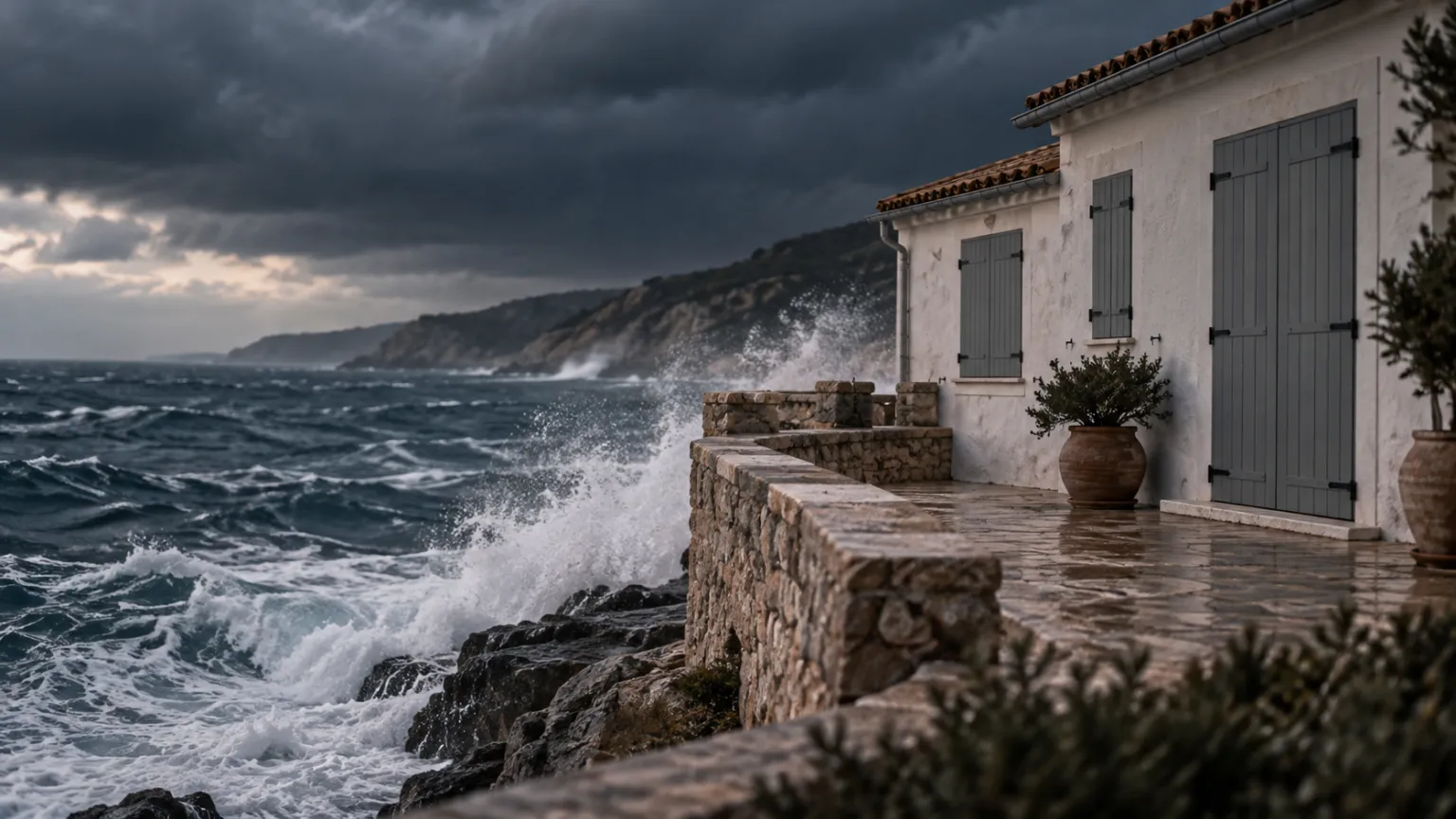 رسم توضيحي
أبرز النقاط
- - سجّل معهد Swiss Re خسائر مؤمَّنة عن الكوارث الطبيعية بلغت 107 مليارات دولار أمريكي في عام 2025 موزعة على نحو 190 حدثًا، وهي السنة السادسة على التوالي التي تتجاوز فيها 100 مليار دولار؛ وبلغت الخسائر الاقتصادية الإجمالية 220 مليار دولار، وفي مقدمتها حرائق الغابات في لوس أنجلوس في يناير 2025.
- - تراجعت شركات التأمين عن الولايات الأمريكية المعرّضة للمخاطر: أوقفت State Farm قبول طلبات جديدة لتأمين المنازل في كاليفورنيا في 27 مايو 2023، متذرعةً بتكاليف البناء والتعرض للكوارث وإعادة التأمين؛ وكانت Allstate قد علّقت إصدار وثائق جديدة لتأمين المنازل في كاليفورنيا في نوفمبر 2022 (State Farm، 26 مايو 2023؛ Fortune، 31 أكتوبر 2023). أصبحت القابلية للتأمين اليوم متغيرًا في التقييم الاكتتابي بالمرتبة نفسها التي يحتلها سند الملكية.
- - ارتفع انكشاف خطة FAIR Plan في كاليفورنيا من نحو 50 مليار دولار (2018) إلى 458 مليار دولار (2024) ثم إلى 768 مليار دولار (يونيو 2026)، مع 696,562 وثيقة سارية في يونيو 2026 (+157% منذ سبتمبر 2022). أما Citizens في فلوريدا فقد انخفضت من ما يصل إلى 1.4 مليون عميل (2023) إلى 396,387 وثيقة (19 ديسمبر 2025؛ WUSF) مع عودة شركات التأمين الخاصة بعد إصلاح التقاضي: فشهية شركات التأمين متغيّر تحدده السياسات كما يحدده المناخ.
- - الحالة الأساسية المقيسة: تُباع المنازل المعرّضة لارتفاع مستوى سطح البحر بنحو 7% أقل من العقارات المماثلة غير المعرّضة والواقعة على المسافة نفسها من الشاطئ (Bernstein, Gustafson & Lewis, JFE 2019). وتقدّر First Street أن التسعير القائم على المخاطر دون قيود سيرفع أقساط تأمين المنازل في الولايات المتحدة بنسبة 29.4% بحلول 2055 (18.4 نقطة تصحيح لنقص التسعير، و11 نقطة بسبب المناخ).
- - تعاني أسواق الساحل الناشئة (زنجبار، جيلي) من تغطية محلية ضعيفة تستثني المخاطر البحرية والأعاصير والزلازل (قراءة ميدانية من Victaura)؛ وتكمّل الهياكل المعيارية (parametric)، مثل الشعاب المرجانية في أمريكا الوسطى، بتعويض نحو 800,000 دولار بعد إعصار Delta عام 2020، التأمين التعويضي دون أن تحل محله، مقابل مخاطر الأساس (basis risk).
- - المدخلات المادية التي تسعّرها شركة التأمين: ارتفاع مستوى سطح البحر في المجال البحري الأفريقي 3.54 ملم/سنة خلال 1993–2024 (المتوسط العالمي 3.45 ملم/سنة؛ غرب المحيط الهندي 3.88 ملم/سنة)؛ تآكل شرق أونغوجا 15.56 م/سنة (1990–2020)، ومتوقع أن يبلغ 25.65 م/سنة بحلول 2040؛ ومن المتوقع أن تدخل جيلي ماترا في ابيضاض شديد سنوي اعتبارًا من 2026. والشعاب المتدهورة تعني شدة تأمينية متصاعدة.
- - التخفيف عبر التصميم (الارتداد عن الشاطئ، الرفع، الحماية من العواصف، صون الشعاب) هو الـESG الذي تدفع شركة التأمين مقابله؛ أما مجموعة مخاطر الخليج (الحرارة الشديدة، مد العواصف الشمالية «الشمال»، ارتفاع مستوى سطح البحر) فتغيّر الرافعة لا المنطق. ويُلزم المرسوم بقانون اتحادي إماراتي رقم 11/2024، النافذ منذ 30 مايو 2025، الشركات بقياس انبعاثات غازات الدفيئة والإبلاغ عنها.
- - تحدد القابلية للتأمين إمكانية التمويل، ومن ثم سيولة التخارج. وقد كُتبت الحجة المضادة كاملةً: إن عودة القطاع الخاص إلى فلوريدا (WUSF، 27 ديسمبر 2025) ونمو وثائق FAIR Plan بنسبة 8% من سبتمبر 2025 إلى يونيو 2026، مقابل 157% منذ سبتمبر 2022 (بيانات FAIR Plan كما نشرتها Beinsure، 23 سبتمبر 2026)، يشيران إلى أن إعادة التسعير قد تتجاوز حدّها؛ فالاتجاه على السواحل المعرّضة سلبي، أما حجمه فمحل خلاف.
في هذه الصفحة (10)
ملاحظات المراجعة
جرى تصحيح هذا المقال في 27 سبتمبر 2026. أظهرت مراجعة أرقامه ونسبته الأقوال إلى مصادرها، مقارنةً بالمصادر المذكورة، وجود أخطاء صُحّحت في النص. وترد القائمة الكاملة، مع ما كان يقوله المقال وما يقوله الآن، في قسم التصحيحات في نهايته.
صُحِّح هذا المقال في 29 سبتمبر 2026. وصفت نسخة سابقة مراكز Victaura على نحو يختلف عن صفحات مشاريعها العامة، بما في ذلك طبيعة استثمارها في رأس الخيمة. وأصبح التعليق التوضيحي للجدول والإفصاح في نهاية المقال يتّبعان الآن تلك الصفحات.
صُحِّح هذا المقال في 12 أكتوبر 2026. قدّمت نسخة سابقة ذروة Citizens Property Insurance في فلوريدا عام 2023 على أنها عدد وثائق، في حين يذكرها المصدر عددًا للعملاء. ووصفت إحدى الخلاصات نمو California FAIR Plan بأنه أبطأ، وهي قراءة لا يتضمنها المصدر؛ وباتت تورد أرقام المصدر.
أسرع من يعيد التسعير
من بين جميع القنوات التي تترجم المخاطر المناخية إلى سعر، يُعدّ التأمين الأسرع. فسوق العقارات يعيد تسعير الأصل الساحلي على مدى عقد، عبر صفقات مقارنة بطيئة ومعنويات أبطأ. أما سوق التأمين فيعيد تسعير الأصل نفسه كل اثني عشر شهرًا عند التجديد، برأسماله الخاص المعرّض للخطر وبالتزام اكتواري بأن يكون على صواب. والفجوة بين من يعيد التسعير سنويًا ومن يعيده كل عقد هي الموضع الذي يقع فيه رأس المال في الفخ، وفي عام 2026 لم تعد هذه الفجوة نظرية.
أسقطت خسائر عام 2025 حجة أن الأمر دوري. فقد سجّل معهد Swiss Re خسائر مؤمَّنة من الكوارث الطبيعية بلغت 107 مليارات دولار أمريكي عبر نحو 190 حدثًا، وهو العام السادس على التوالي فوق حاجز 100 مليار دولار، مقابل خسائر اقتصادية إجمالية بلغت 220 مليار دولار. وكان الحدث الأبرز مجمّع حرائق الغابات في لوس أنجلوس في يناير 2025، وهو بـ 40 مليار دولار أكبر خسارة مؤمَّنة لحرائق الغابات في سجلات sigma لدى Swiss Re، بينما أضافت العواصف الحملية الشديدة 51 مليار دولار أخرى على مدار العام. الرقم الإجمالي متقلب من عام إلى آخر، أما الاتجاه الكامن تحته فليس كذلك.
ينتقل الأثر عبر إعادة التأمين، التي تعيد التسعير عالميًا وفي وقت واحد. فشركات التأمين الأولية تشتري تغطيتها الخاصة للكوارث من معيدي التأمين، وحين ترتفع كلفة هذه التغطية تنتقل الكلفة إلى الأقساط الأولية، وحيث تمنع اللوائح تمرير الكلفة تنتقل إلى الانسحاب: فقد ذكرت State Farm سوق إعادة التأمين الصعبة ضمن أسباب توقفها عن قبول أعمال جديدة في كاليفورنيا في مايو 2023. ويجري تسعير ساحل في المحيط الهندي وساحل في فلوريدا عبر مجمّعات متداخلة من رأس مال إعادة التأمين نفسه، وهذا هو السبب الآلي في أن أسلوب فلوريدا لا يبقى في فلوريدا. فرأس المال عالمي قبل أن تكون المخاطر كذلك، ويعيد التموضع أسرع مما يستطيعه أي سوق عقاري محلي.
بالنسبة إلى العقارات الفاخرة الساحلية والجزرية، ليست هذه قصة فلوريدا. إنه أسلوب ينتقل. فحين تتوقف شركة تأمين كبرى عن قبول أعمال جديدة في ولاية معرّضة للمخاطر، كما فعلت State Farm في كاليفورنيا في مايو 2023، فإن افتراض Victaura Research هو أن منطق الاكتتاب نفسه سيصل في الوقت المناسب إلى المحيط الهندي والخليج العربي. والقراءة المؤسسية هي التعامل مع قابلية التأمين كمتغير اكتتاب يوازي في مرتبته سلامة سند الملكية: يُسمّى عند الاستحواذ، ويُسعَّر ضمن فترة الاحتفاظ، ويُختبر مقابل الخروج. أما المشتري الذي يكتشف مسألة التأمين عند إتمام الصفقة فقد اكتشفها بعد فوات الأوان لتغيير السعر.
أدلة الانسحاب
فلوريدا وكاليفورنيا هما المختبر، والتجربة جرت بالفعل. فقد توقفت State Farm، أكبر شركة أمريكية للتأمين على المنازل، عن قبول طلبات جديدة للتأمين على المنازل في كاليفورنيا في مايو 2023، متذرعةً بتجاوز تكاليف البناء للتضخم، والنمو السريع في التعرض للكوارث، وصعوبة سوق إعادة التأمين؛ وكانت Allstate قد أوقفت مؤقتًا وثائق المنازل الجديدة في الولاية قبل ذلك. ولم تكن هذه الانسحابات موقفًا تسويقيًا. كانت قرارات لتخصيص رأس المال اتُّخذت في مواجهة مخاطر رأت الشركات أنها مسعّرة بأقل من قيمتها عند القسط الذي تسمح به الجهة التنظيمية.
شركات التأمين المدعومة من الولايات بوصفها الملاذ الأخير هي أوضح مؤشر على تراجع السوق الخاصة. فقد ارتفع إجمالي التعرض لدى California FAIR Plan، الذي يجب بموجب القانون أن يغطي العقارات التي لا تقبلها أي شركة مرخّصة، من نحو 50 مليار دولار أمريكي في 2018 إلى 458 مليار دولار بحلول 2024 و768 مليار دولار بحلول يونيو 2026، وبلغت وثائقه السارية 696,562 وثيقة في يونيو 2026، بزيادة 157% منذ سبتمبر 2022. والسوق المتبقية التي تتضاعف بهذا المعدل هي الظل الذي تلقيه سوق خاصة تنكمش تحتها، وقد سرّعت حريق Palisades وحريق Eaton في يناير 2025 الحركتين معًا.
الإشارة المعاكسة من فلوريدا حقيقية ويجب قراءتها بأمانة. فقد كان لدى Citizens Property Insurance في فلوريدا ما يصل إلى 1.4 مليون عميل في 2023، ثم تراجعت وثائقها إلى 396,387 وثيقة بحلول 19 ديسمبر 2025 (WUSF) مع عودة الشركات الخاصة إلى الولاية بعد قانون صدر عام 2022 حماها من التقاضي المكلف. وتسير الولايتان في اتجاهين متعاكسين، والقراءة الأمينة هي أن شهية شركات التأمين تابعة للتنظيم والإصلاح القانوني بقدر ما هي تابعة للمخاطر المادية. فقابلية التأمين متغير سياساتي ومناخي في آن واحد، والطرح الذي يقرأ أحدهما فقط يقرأ نصف السوق.
الآلية المهمة للمشتري هي القسط لا العنوان الرئيسي. يقدّر تحليل First Street لعام 2025 أن التسعير القائم على المخاطر دون قيود سيرفع متوسط أقساط التأمين على المنازل في الولايات المتحدة بنسبة 29.4% بحلول 2055، منها 18.4 نقطة تصحيح للتسعير الحالي المنخفض عن قيمته و11 نقطة بسبب المناخ، فيما تواجه المدن الأكثر تعرضًا (ميامي وجاكسونفيل وتامبا) مضاعفات لهذا المتوسط. وحين يرتفع القسط أسرع من الإيجارات أو قيم إعادة البيع، يحمل الأصل كلفة متنامية يخصمها المشتري التالي عند الشراء. وهذا هو خط الانتقال الممتد من نموذج شركة التأمين إلى التقييم.
الخصم المُقاس
خصم التداول على العقارات الساحلية المعرّضة للمخاطر حالة أساس مقاسة، وليس توقعًا. توصّل Bernstein وGustafson وLewis، في Journal of Financial Economics (2019)، إلى أن المنازل المعرّضة لارتفاع مستوى سطح البحر تُباع بسعر أقل بنحو 7% من العقارات المماثلة التي يمكن رصدها وغير المعرّضة، والتي تقع على المسافة نفسها من الشاطئ. وقد اتسع هذا الخصم خلال فترة العينة، ويقف وراءه مشترون متمرسون ومجتمعات قلقة من الاحترار العالمي. وتكمن أهمية هذه النتيجة في أنها تعزل الأثر السعري القائم على التوقعات قبل وقوع أي ضرر مادي. فالسوق يسعّر التوقع، لا الموجة.
يتسع الخصم كلما ازدادت إشارة التسعير حدّة. تُلحق النماذج على مستوى القسيمة اليوم درجة مخاطر للفيضان والحرائق والحرارة والرياح بكل عقار على حدة، بحيث يمكن أن يحمل منزلان في الشارع نفسه تصنيفَي مخاطر مختلفين، وإن كانت هذه الطبقة محل خلاف: فقد أزالت Zillow درجات المناخ الصادرة عن First Street من إعلاناتها في نوفمبر 2025 بعد شكاوى من الوكلاء ومن California Regional Multiple Listing Service. وقد وجدت الدراسة أن الخصم كان قد اتسع فعلًا خلال فترة عينتها؛ أما افتراض Victaura Research فهو أنه مع تكثّف طبقة البيانات، يتوقف المتوسط على مستوى الرمز البريدي عن حماية القسائم الأكثر تعرضًا، ويصبح الخصم أكبر وأكثر تمييزًا لا أصغر.
بالنسبة إلى مشتري العقارات الراقية والفائقة الرقي، الخصم ليس المخاطرة كلها؛ فالسيولة هي الأخطر. الأصل المتميز الذي يصبح تأمينه صعبًا أو مكلفًا لا يُتداول بخصم فحسب. بل يفقد شريحة المشترين الذين يعتمدون على الرافعة المالية، ويضيق نطاق مشتريه نحو المشترين نقدًا، وتطول مدة عرضه في السوق عند التخارج. والأثر السعري المقاس هو الجزء الظاهر من المشكلة. أما انكماش قاعدة المشترين عند التخارج فهو الجزء الذي يتعين على الاكتتاب أن ينمذجه، لأنه يحدد ما إذا كان بالإمكان بيع الأصل أصلًا، لا بأي سعر فحسب.
| السوق | المخاطر السائدة | توافر التغطية محليًا | عامل التخفيف الذي يسعّره شركة التأمين |
|---|---|---|---|
| بحيرة كومو (إيطاليا) | فيضان ضفاف البحيرة، انزلاقات أرضية، برَد؛ دون اندفاع بحري | سوق أوروبية عميقة وناضجة؛ تعويض قياسي | الترميم وفق المعايير، الصرف، تثبيت المنحدرات |
| زنجبار (نونغوي) | ارتفاع مستوى سطح البحر نحو 3.5 مم/سنة (المتوسط الأفريقي؛ غرب المحيط الهندي 3.88 مم/سنة، 1993 إلى 2024)؛ تآكل الساحل الشرقي لأونغوجا 15.56 م/سنة؛ أعاصير عرضية | سوق محلية ضيقة؛ كثيرًا ما تُستثنى مخاطر الأعاصير والمخاطر البحرية أو تُقيَّد بحدود فرعية | ارتدادات ساحلية، مناسيب أرضيات مرتفعة، حماية الشعاب المرجانية |
| جيلي إير (إندونيسيا) | ابيضاض شديد سنوي للشعاب المرجانية متوقع اعتبارًا من 2026 (جيلي ماترا)؛ زلازل؛ عواصف | ضيقة جدًا؛ حدود فرعية للزلازل؛ تأمين معياري (parametric) في طور الظهور | نسبة بناء منخفضة الكثافة، ارتفاع عن مستوى الأرض، أعمال بحرية صديقة للشعاب |
| رأس الخيمة (الإمارات) | حرارة شديدة، اندفاع عواصف الشمال البحري، ارتفاع مستوى سطح البحر؛ دون حرائق غابات | سوق في طور التطور؛ المرسوم بقانون 11/2024 بشأن قياس الانبعاثات والإبلاغ عنها (نافذ منذ 30 مايو 2025) | الارتفاع عن مستوى الأرض، الحماية من الاندفاع البحري، التبريد والارتداد عن الشاطئ |
سوق التأمين لا يناقش سيناريوهات المناخ. إنه يسعّرها كل عام، من رأسماله الخاص.
Victaura Research
أسواق الجزر: واقع التقييم الاستثماري
في أسواق السواحل الحدودية، السؤال الحاسم ليس القسط، بل ما إذا كانت التغطية متاحة أصلًا. بحسب القراءة الميدانية لدى Victaura، فإن سوق التأمين المحلية في زنجبار وأرخبيل جيلي ضيقة، وسعة تغطية الكوارث مستوردة، وكثيرًا ما تُستثنى المخاطر البحرية وأخطار الأعاصير والزلازل أو تُقيَّد بحدود فرعية بدل أن تُسعَّر. فقد يكون أصل قابل للتأمين بسهولة على بحيرة كومو قابلًا للتأمين جزئيًا فقط في المحيط الهندي، وتُسدّ الفجوة، إن سُدّت أصلًا، ببرامج دولية بكلفة دولية. أما المخصِّص الذي يفترض شروط تأمين أوروبية على قسيمة مطلة على المحيط فإنه لا يسعّر الأصل.
التغطية المعيارية (parametric) هي الأداة التي تسدّ جزءًا من هذه الفجوة، وهي تعمل فعلًا على الشعاب المرجانية. وثيقة Mesoamerican Reef المعيارية في كينتانا رو بالمكسيك، التي جرى هيكلتها مع Swiss Re وThe Nature Conservancy، دفعت نحو 800,000 دولار أمريكي عندما تجاوز الإعصار Delta عتبة سرعة الرياح المحددة عام 2020، ما موّل إصلاح الشعاب خلال أسبوع. وقد طُبّق التصميم نفسه (عتبة محددة، دفع سريع، دون تسوية خسائر) منذ ذلك الحين على شعاب في بليز وهاواي؛ أما امتداده إلى التعرض للأعاصير والابيضاض في المحيطين الهندي والهادئ فهو افتراض من Victaura Research وليس سوقًا مرصودة. وهي لا تحل محل تغطية التعويض. إنها تكمّلها تحديدًا حيث يتعذر التعويض، وتحمل كلفتها الخاصة، وهي مخاطر الأساس (basis risk).
الشعاب المرجانية ليست خلفية لمسألة التأمين، بل جزء منها. فحين تفقد الشعاب المبيضّة وظيفتها الجيومورفولوجية في امتصاص طاقة الأمواج، يصبح الشاطئ خلفها أشد خطورة، وتسعّر شركة التأمين ذلك أو ترفضه. ويُتوقع أن تدخل جيلي ماترا مرحلة الابيضاض الشديد السنوي اعتبارًا من عام 2026 تقريبًا (De Clippele et al.، جامعة غلاسكو)، أي أن حاجز الأمواج الطبيعي وخط التأمين يتدهوران وفق الجدول الزمني نفسه. وفي الساحل الحدودي يُكتتب البعد البيئي والقسط معًا، ولا يمكن قراءة أحدهما دون الآخر.
بحيرة كومو هي النقيض الصامد الذي يثبت القاعدة. فالبحيرة الألبية لا تعرف اندفاعًا بحريًا ولا أعاصير؛ ومخاطرها فيضان ضفاف البحيرة والانزلاقات الأرضية والبرَد، وسوق التأمين فيها هي السوق الأوروبية العميقة والناضجة، ولهذا يسجلها الجدول أعلاه سوقًا عميقة بتغطية تعويض قياسية. وهذه الصلابة ليست حظًا، بل هي الجغرافيا والتشريع معًا: فنطاق ضفاف البحيرة البالغ 300 متر المحمي بموجب المادة 142 من Italian Code of Cultural Heritage and Landscape، والذي يقيّد العرض، يُخضع أيضًا البناء على أكثر الأراضي تعرضًا لترخيص مناظر طبيعية. والمحفظة التي تجمع بين حيازة على ضفاف البحيرة منخفضة الإشارات وتعرض أعلى إشارات على المحيط تنوّع مجموعة المخاطر، لا الجغرافيا وحدها، وخط التأمين هو الموضع الذي يظهر فيه هذا التنوع فرقًا قابلًا للقياس في الكلفة.
التخفيف عبر التصميم
التخفيف عبر التصميم هو معيار ESG الوحيد الذي تدفع شركة التأمين مقابله فعلًا. فخط الارتداد المرسوم استنادًا إلى أعلى مد ربيعي مقيس لا إلى المتوسط، ومناسيب الطوابق السكنية المرفوعة بما يتناسب مع فترة عودة عواصف المد، والبصمات العمرانية المنخفضة والمتفرقة التي تتجنب الجدران البحرية الصلبة، والأعمال البحرية التي تحافظ على الشعاب المرجانية، ليست إيماءات لملاحقة الشهادات. إنها المتغيرات التي يقرأها المكتتب عند تحديد الشروط، وهي تؤثر في القسط وفي مبلغ التحمل وفي توفر التغطية على نحو لا تفعله لوحة معلّقة على جدار. فنموذج المطالبات لا يقرأ النوايا، بل يقرأ توزيع الخسائر.
التمييز عن ESG القائم على الإفصاح هو لبّ المسألة. فالشهادة تُثبت وجود عملية، أما خط الارتداد فيغيّر شكل منحنى الخسائر. الأولى يقيّمها إطار للإبلاغ، والثاني يقيّمه خبير اكتواري. وموقف Victaura، الذي فصّلته في كتاباتها عن الإشراف على ESG، أن انضباط التطوير المسؤول الذي يحمي النظام البيئي هو نفسه الانضباط الذي يحمي الأصل، وأن سوق التأمين هو المكان الذي يتوقف فيه هذا التطابق عن كونه ادعاءً ويصبح رقمًا. أما المطوّر الذي لا يستطيع أن يعرض على المكتتب ملف تخفيف فهو يفصح أمام القارئ الخطأ.
وتُظهر الحالة الخليجية الرافعة نفسها وهي تعمل على مجموعة مخاطر مختلفة. ففي Al Marjan وسواحل أخرى في رأس الخيمة، تتمثل المخاطر الرئيسية في الحرارة الشديدة وعواصف المد التي تدفعها رياح الشمال وارتفاع مستوى سطح البحر، لا في حرائق الغابات أو الأعاصير المدارية؛ كما أن المرسوم بقانون اتحادي رقم 11/2024 في دولة الإمارات، النافذ منذ 30 مايو 2025، يجعل قياس انبعاثات غازات الاحتباس الحراري من النطاقين 1 و2 والإبلاغ عنها التزامًا قانونيًا على الشركات لا إشارة طوعية. وتتغير قواعد التخفيف بتغير الساحل (الرفع والحماية من العواصف هنا، والحفاظ على الشعاب والارتداد هناك)، لكن منطق الاكتتاب واحد: التصميم يخفّض الخسارة، وشركة التأمين تسعّر التصميم.
عين المُقرِض
من دون تأمين لا يوجد دين، ومن دون دين يضيق مجال التخارج. فالأصل الساحلي الفاخر الذي لا يمكن التأمين عليه بشروط اعتيادية لا يمكن رهنه بشروط اعتيادية، والعقار الذي لا يمكن تمويله لا يُباع إلا للمشتري النقدي. ومن ثم فإن إمكانية التأمين تحدد عمق سوق التخارج، لا مجرد كلفة الحيازة السنوية. إنها متغير سيولة متنكر في هيئة بند مصروفات، وهذا التنكر هو سبب إغفالها كثيرًا من الاكتتاب حتى يفوت أوان تسعيرها.
يقرأ المُقرِضون ملف التأمين قبل أن يقرؤوا العائد. فارتفاع القسط أو عدم يقينه، أو وثيقة تتضمن استثناءات جوهرية، أو الإيداع في السوق المتبقية، كلها تدخل في القرار الائتماني على شكل خصم من نسبة التمويل أو توسيع للهامش المطلوب. والأصل الذي يجتاز العناية الواجبة في التخفيف المادي يجتاز التمويل بشروط أفضل، وتتراكم الميزتان على امتداد فترة الاحتفاظ. فالمبنى الرخيص التأمين هو، بحكم بنيته، أسهل تمويلًا وأسهل بيعًا.
والمشتري العابر للحدود يرث طبقة ثانية من المشكلة نفسها. فالمشتري الذي لا يتعامل باليورو ويموّل أصلًا أوروبيًا، أو المشتري الأوروبي الذي يموّل وحدة خليجية مسعّرة بالدولار، يتحمل مخاطر العملة على القسط كما على السعر، وارتفاع القسط في عملة تزداد قوة يتراكم أثره. ويسعّر المُقرِضون في الأسواق الحدودية عملية الإيداع بتحفظ تحديدًا لأن سوق الكوارث المحلية ضحلة، مما يوسّع الهامش المطلوب في الموضع الذي يقل فيه أكثر ما تستطيع المشتري تنويع هذا الأثر بعيدًا عنه. فخط التأمين وخط التمويل يتحركان معًا، وعلى ساحل معرّض يتحركان كلاهما ضد الأصل في وقت واحد.
وبالنسبة إلى المطوّر، فهذا يعيد تأطير إنفاق التخفيف بوصفه هندسة للتخارج. فرأس المال المخصص للرفع والصرف والحماية من العواصف والمصدّات البيئية ليس طبقة ESG فوق النموذج المالي المتوقع؛ إنه المدخل الذي يُبقي مُقرِض المشتري المستقبلي في الصفقة. والمطوّر الذي يكتتب التخارج عند الاستحواذ يعامل إمكانية التأمين كمتطلبات تصميم لا كاكتشاف يوم الإغلاق، ويُدرج كلفة التخفيف في البناء بدل أن يُدرجها في الخصم المحتمل لاحقًا.
نقاط ضعف الأطروحة، مُفصَحٌ عنها بأمانة
للأطروحة نقاط ضعف حقيقية، والقارئ المؤسسي يتطلب تسميتها بالدقة نفسها التي تُعرض بها الحجة. الأولى هي مخاطر الأساس (basis risk). فالتغطية المعيارية (parametric) تدفع عند بلوغ محفّز محدد لا بحسب الخسارة الفعلية، وعاصفة تُلحق ضررًا بالأصل دون أن تبلغ العتبة المحددة لا تدفع شيئًا، بينما عاصفة تبلغ العتبة دون أن تضر بالأصل تدفع كاملًا. ومخاطر الأساس هي ثمن السرعة والبساطة. إنها كلفة حقيقية للأداة، لا هامش عليها.
والثانية أن بيانات الأسواق الحدودية شحيحة في الاتجاهين. فنماذج المخاطر المادية التي تسعّر التعرض في زنجبار أو Gili مبنية على سجلات محلية متفرقة، ما يعني أن القسط قد يكون مرتفعًا بقدر ما قد يكون منخفضًا. وحيث ترفض المنظومة في مواضع أخرى اختلاق رقم لا تستطيع تحديد مصدره، فإن الموقف الأمين هنا متماثل: تسعير التأمين في الأسواق الحدودية خشن، والتسعير الخشن يتجاوز الحد ويقصّر عنه بالتناوب. والقسط الذي يبدو دقيقًا على ساحل شحيح البيانات دقة زائفة ينبغي للمشتري أن يخصمها.
والثالثة هي الخطر الأخلاقي في شبكات الأمان العامة. فشركات التأمين الحكومية الملاذ الأخير، وبرامج الفيضانات المدعومة، والإغاثة السياسية بعد الحدث، كلها تُضعف إشارة السعر التي تعدّها هذه المقالة مرجعًا. وحيث يحدّ شبكة الأمان القسط دون مستوى الخطر، تتشوه قراءة السوق، ويكون المشتري الذي يعتمد عليها مكتتبًا لقرار سياسي يمكن نقضه في أي دورة تشريعية. والسوق المتبقية جسر لا وجهة، وتُسعَّر بوصفها جسرًا.
وأقوى حجة مضادة هي أن إعادة التسعير قد تكون متجاوزة للحد، وهي تستحق أن تُكتب كاملة. فقد عاد السوق الخاص في فلوريدا إلى العمل بعد إصلاح التقاضي عام 2022، وخفّض عدد وثائق شركة التأمين المتبقية إلى 396,387 وثيقة بحلول ديسمبر 2025، ونمت الوثائق السارية في FAIR Plan في كاليفورنيا بنسبة 8% بين سبتمبر 2025 ويونيو 2026 (والتعرض بنسبة 11%)، مقابل 157% منذ سبتمبر 2022. والقارئ الذي يستنتج أن التأمين سقاطة أحادية الاتجاه ضد قيمة الساحل يقرأ، مرة أخرى، نصف البيانات. والموقف الأمين أن إمكانية التأمين يُعاد تسعيرها، وأن الاتجاه على السواحل المعرّضة سلبي، وأن حجم ذلك موضع خلاف حقيقي لا محسوم.
اطرحوا سؤال التأمين عند العناية الواجبة. أما عند الإغلاق، فالإجابة تكون قد سُعِّرت ضدكم.
Victaura Research
ما الذي يعنيه ذلك للمشتري
بالنسبة إلى مكتب العائلة أو المالك أو المستشار الذي يقيّم أصلًا ساحليًا أو جزريًا في عام 2026، تنتقل طبقة التأمين إلى مقدمة تسلسل العناية الواجبة. يمكن صياغة الانضباط العملي في ثلاث نقاط، وكل نقطة سؤال ينبغي الإجابة عنه قبل تقديم العرض، لا بعد عودة تقرير المعاينة. والترتيب مقصود: فقابلية التأمين مُدخل من مُدخلات التسعير، والمُدخل الذي يصل متأخرًا لا يغيّر السعر.
أولًا، احصل على عرض التأمين قبل الاتفاق على السعر لا بعده. فالمؤشر الثابت لقيمة القسط ومبلغ التحمّل والاستثناءات وحدود التغطية المتاحة مُدخل تسعير في مرتبة الصفقات المقارنة نفسها، وينبغي أن يوضع في النموذج إلى جانبها. أما العرض الذي يصل عند الإغلاق فيصل بعد فوات أوان تعديل الرقم. واطلب سجل المطالبات في المنطقة في الطلب نفسه، لأن سجل الخسائر هو ما سيقرؤه التجديد في العام المقبل.
ثانيًا، عامِل إجراءات التخفيف بوصفها رصيدًا في قابلية التأمين لا تكلفة، وعامِل التغطية بالمؤشرات (parametric) بوصفها مكمّلة لا بديلة. فالارتفاع عن سطح البحر، والارتداد عن الشاطئ، وتصميم التعامل مع العواصف والصرف، والحواجز الطبيعية للنظم البيئية، كلها تخفض توزيع الخسائر الذي يسعّره شركة التأمين؛ وحيث تكون تغطية التعويض ضعيفة، يمكن لطبقة parametric أن تسد جزءًا من الفجوة، مع تسمية مخاطر الأساس (basis risk) بدل إخفائها. والمشتري الذي يوثّق إجراءات التخفيف وفق معيار المكتتب يشتري بشروط أفضل، ثم يبيع بدوره لمشترٍ ممول. وتلك هي ميزة المشغّل كلها على ساحل يعاد تسعيره.
ثالثًا، تحقق من أن الأصل يمكن تمويله بشروط قياسية، لأن قابلية التمويل هي الخروج. فمؤشر ثابت من مُقرض، وغياب استثناءات جوهرية في الوثيقة، والتغطية خارج السوق المتبقية (residual market)، هي ثلاث إشارات على أن قاعدة المشترين عند الخروج ستبقى عميقة. والأصل الذي يجتاز العناية الواجبة المادية ويخفق في اختبار التأمين والتمويل هو أصل للمشترين النقديين فقط ويُسعَّر على هذا الأساس، والخصم الذي يلي ذلك هو تسعير السوق لضيق قاعدة المشترين عند الباب. وهذه المقالة ليست توصية شخصية، وليست عرضًا لبيع أي ورقة مالية أو حصة في أي وعاء استثماري ولا دعوة لشرائها. وينبغي اتخاذ أي قرار استثماري استنادًا إلى وثائق الاكتتاب الرسمية ومشورة مهنية مستقلة وتقييم موثق لمدى ملاءمته للظروف الخاصة بالمستثمر.
إفصاح عن المصلحة المباشرة (Skin in the game). تطوّر Victaura، عبر شركتها الأم Greystone B.V. (هولندا)، مشاريع على بحيرة كومو (إيطاليا)، وفي نونغوي بزنجبار (تنزانيا)، وفي جزيرة جيلي إير وفي أولواتو ببالي (إندونيسيا)، وتحتفظ باستثمار رأسمالي على المخطط (off-plan) في جزيرة المرجان برأس الخيمة (الإمارات العربية المتحدة). وينبغي للقراء افتراض أن التعليقات قد تتأثر بهذه المراكز أو تعود بالنفع عليها. يُصنَّف هذا المستند كمادة تسويقية بموجب المادة 24(3) من MiFID II. وهو ليس نصيحة استثمارية.
تصحيحات، 27 سبتمبر 2026
ما قالته المقالة وما تقوله الآن. ذكرت النسخة المنشورة أن من المتوقع أن ينخفض عدد وثائق Citizens Property Insurance في فلوريدا إلى 385,000 وثيقة بحلول نهاية 2025؛ وهي تورد الآن العدد الفعلي، 396,387 وثيقة في 19 ديسمبر 2025 (WUSF). وأوردت انكشاف California FAIR Plan حتى 2024 فقط (458 مليار دولار أمريكي)؛ وهي تضيف الآن 768 مليار دولار أمريكي في يونيو 2026 (بيانات FAIR Plan كما أوردتها Beinsure). وذكرت أن ارتفاع مستوى سطح البحر في النطاق البحري الأفريقي يزيد بنحو 3% عن المتوسط العالمي؛ أما دراسة Communications Earth & Environment، كما لخّصها مؤلفوها في The Conversation، فتورد 3.54 ملم سنويًا للفترة 1993 إلى 2024 مقابل 3.45 ملم عالميًا، و3.88 ملم للمحيط الهندي الغربي. وقدّمت نسبة 29.4% الصادرة عن First Street على أنها إسقاط لأقساط التأمين في الولايات المتحدة؛ بينما تصفها First Street بأنها الارتفاع الذي كان سينتج عن التسعير القائم على المخاطر دون قيود بحلول 2055 (18.4 نقطة من نقص التسعير، و11 نقطة من المناخ). وذكرت أن تعويض Hurricane Delta للشعاب المرجانية بلغ 17 مليون بيزو ووصل في غضون أيام؛ أما دراسة الحالة الصادرة عن Green Finance Institute فتورد 800,000 دولار أمريكي وإصلاحًا خلال أسبوع، دون أي رقم بالبيزو. ونسبت توقع ابيضاض الشعاب في Gili Matra إلى WWF Indonesia فضلًا عن University of Glasgow؛ أما The Conversation فتنسبه إلى فريق Laurence De Clippele في University of Glasgow وحده. وذكرت أن بوابات الإعلانات العقارية تعرض درجات مناخية على مستوى القسيمة؛ لكن Zillow أزالت درجات First Street من إعلاناتها في نوفمبر 2025 (Grist). وذكرت أن بعض أقساط التأمين الساحلية لأصحاب الثروات الكبيرة استقرت وأن التغطية parametric للشعاب يجري تكييفها في منطقة المحيطين الهندي والهادئ؛ ولم يكن لأي من الادعاءين مصدر، فاستُبدل الأول بنمو FAIR Plan الأبطأ منذ سبتمبر 2025، والثاني بوثائق الشعاب المرجانية الصادرة في بليز وهاواي (The Nature Conservancy)، مع وسم أي امتداد إلى المحيطين الهندي والهادئ بأنه افتراض لـ Victaura Research. ووصفت المرسوم بقانون اتحادي إماراتي رقم 11/2024 بأنه يفرض الإفصاح عن الكربون؛ والقانون يُلزم المنشآت بقياس انبعاثات غازات الدفيئة والإبلاغ عنها، وهو نافذ منذ 30 مايو 2025. وذكرت أن شركات التأمين على العملاء الخاصين انسحبت من ولايات ساحلية بأكملها؛ والواقعة الموثقة هي أن State Farm توقفت عن قبول طلبات جديدة لتأمين المنازل في كاليفورنيا في 27 مايو 2023، مشيرة إلى تكاليف البناء والتعرض للكوارث وسوق إعادة تأمين صعبة (State Farm)، وقد صُحّح وسم مرجعي كان يؤرخ ذلك بمايو 2024. ووصفت كذلك حرائق لوس أنجلوس بأنها المحرك الوحيد الأكبر لخسائر 2025؛ أما Swiss Re فتسجلها بوصفها أكبر خسارة مؤمَّنة من حرائق الغابات (40 مليار دولار أمريكي)، مع بلوغ العواصف الحملية الشديدة 51 مليار دولار أمريكي. أطروحة المقالة لم تتغير.
أدت مراجعة أخرى في اليوم نفسه إلى تدقيق بعض التصحيحات أعلاه وإصلاح نقاط إضافية. ذكرت المقالة أن ارتفاع مستوى سطح البحر في النطاق البحري الأفريقي يزيد بنحو 4% عن المتوسط العالمي؛ والمعدلات التي أوردها مؤلفو الدراسة في The Conversation هي 3.54 ملم سنويًا لأفريقيا و3.45 ملم سنويًا عالميًا، أي فارق نحو 2.6%، ولذلك تورد المقالة الآن المعدلين دون نسبة مئوية، وقد صُحح الرقم نفسه في ملاحظة المراجعة السابقة. وأورد الجدول المنشور ارتدادًا ساحليًا بمسافة 30 م بوصفه أداة التخفيف في زنجبار؛ ولا يدعم أي مصدر هذا الرقم، وصارت الخلية تقول الآن ارتدادًا ساحليًا دون ذكر مسافة. وذكرت المقالة أن FAIR Plan في كاليفورنيا نمت بنسبة 8% فقط بين سبتمبر 2025 ويونيو 2026؛ وبحسب بيانات FAIR Plan التي أوردتها Beinsure، فإن نسبة 8% هي نمو الوثائق السارية، بينما نما الانكشاف بنسبة 11% في الفترة نفسها، وتقول المقالة ذلك الآن. وأُضيف مرجع من HousingWire لتاريخ نوفمبر 2025 الذي بدأت فيه Zillow إزالة الدرجات المناخية الصادرة عن First Street. أطروحة المقالة لم تتغير.
المصادر
- Swiss Re Institute, sigma 1/2026: Natural catastrophes 2025 (insured losses USD 107bn, economic USD 220bn)
- Swiss Re Institute press release, 2025 marks sixth year insured nat-cat losses exceed USD 100 billion (16 Dec 2025)
- CNBC, What homeowners need to know as insurers leave high-risk climate areas (5 February 2024)
- Fortune, Insurers leaving California over wildfire risk (Allstate, State Farm and others)
- California FAIR Plan, Key Statistics & Data (PIF 696,562, +157% since September 2022)
- Moody's, California wildfire risks and insurance gaps (FAIR Plan exposure USD 50bn in 2018 to USD 458bn in 2024)
- Citizens Property Insurance Corporation (Florida), depopulation and policy-count releases
- Bernstein, Gustafson & Lewis, Disaster on the Horizon: The Price Effect of Sea Level Rise, Journal of Financial Economics 134(2), 2019 (~7% discount)
- First Street, Property Prices in Peril / climate insurance and property-value analysis 2025 (US premiums +29.4% by 2055)
- Swiss Re / The Nature Conservancy, Quintana Roo Mesoamerican Reef parametric cover (Hurricane Delta 2020 payout ~USD 800,000)
- Communications Earth & Environment (Nature Portfolio), 2023-2024 El Niño amplifies record sea level surges in African marine domains (2026)
- Regional Studies in Marine Science, Exploring shoreline changes on eastern beaches of Unguja, Zanzibar 1990-2020 (Vol. 75, 2024)
- De Clippele et al., Indonesia coral bleaching projections, Gili Matra (University of Glasgow), via The Conversation (22 November 2023)
- IPCC AR6 WG1, Chapter 9: Ocean, Cryosphere and Sea Level Change (2021)
- UAE Federal Decree-Law No. 11 of 2024 on the Reduction of Climate Change Effects (greenhouse-gas measurement and reporting, in force 30 May 2025)
- Carbon Brief, Heat and humidity could make parts of the Middle East 'unbearable' by 2100 (Gulf wet-bulb and coastal exposure)
- Swiss Re Institute, sigma 1/2026: Natural catastrophes in 2025 (190 events; LA wildfires USD 40bn; SCS USD 51bn), full report PDF
- State Farm General Insurance Company, California New Business Update (26 May 2023)
- Carrier Management, State Farm stops taking new California homeowners business (29 May 2023)
- Beinsure, California insurers pledge new policies as FAIR Plan stays near 697,000 (FAIR Plan June 2026 data: 696,562 policies, USD 768bn exposure)
- WUSF, Citizens Property Insurance now has fewer than 400,000 policies (396,387 on 19 December 2025)
- The MortgagePoint, First Street premium projections to 2055 (29.4%: 18.4% underpricing, 11% climate)
- Grist, Zillow deletes climate risk data from listings after complaints it harms sales (4 December 2025)
- Green Finance Institute, Quintana Roo reef protection parametric insurance (USD 800,000 payout, 2020)
- The Nature Conservancy, first-ever US coral reef insurance policy, Hawai'i (2022; Belize and Mesoamerican Reef programmes)
- Plan A, UAE climate law: what the Federal Decree-Law 11/2024 requires (in force 30 May 2025)
- Codice dei beni culturali e del paesaggio (D.Lgs. 42/2004), art. 142: 300-metre lakeshore band
- The Conversation, Sea levels around Africa are rising faster than the global average (2026; Africa 3.54 mm/yr, global 3.45 mm/yr, Western Indian Ocean 3.88 mm/yr)
- HousingWire, Zillow removes climate risk data from listings after MLS concerns (2 December 2025; removal from mid-November 2025)
المعلومات الواردة في هذا الموقع لأغراض إعلامية فقط ولا تشكّل عرضاً أو دعوةً للاستثمار أو استشارةً مالية. العوائد المذكورة تقديرية وغير مضمونة؛ والأداء السابق لا يضمن النتائج المستقبلية. ورأس المال المستثمر معرّض للمخاطر.
هل تفكّرون في تخصيص جزء من محفظتكم للعقارات الفاخرة في المواقع التي نعمل فيها؟ تحدّثوا إلينا عن مشاريعنا الحالية والمقبلة.
تواصلوا مع Victaura →رؤى ذات صلة
الاستدامة والحوكمة
Lake Como Flood Risk: Designing for the Hazard
Lake Como floods its own shoreline, and the record is public. The lake reached 138.5 cm at the Malgrate gauge on 31 October 2023 against a 120 cm flood threshold at Como. This note argues that for a lakefront principal, the finished floor level, the drainage and the materials are the first underwriting step. Insurance is the second, and it prices what the design has already fixed.
الاستدامة والحوكمة
مرافق الجزر: تكاليف المياه والكهرباء والنفايات
في الموقع الواقع على البر الرئيسي، تصل المياه والكهرباء على شكل فاتورة شهرية. أما في جزيرة صغيرة، فهما منشأة معالجة لها تكلفة رأسمالية وعمر تصميمي ونمط عطل خاص بها. يسعّر هذا المقال ما تكلفه هذه المنشآت فعلياً في البناء والتشغيل على ساحل زنجبار، ويوضح المواضع التي تقل فيها البيانات.

رؤى السوق
مؤشر UBS للفقاعات العقارية 2026: قراءة خريطة المخاطر
يُصنّف مؤشر UBS العالمي لفقاعة العقارات 2026، الصادر في 22 سبتمبر 2026، مدينتي زيورخ وطوكيو في فئة الخطر المرتفع، ودبي وميامي وسيول وجنيف ولشبونة في فئة الخطر المتصاعد. أما ميلانو ومدريد فتقعان في نطاق الخطر المتوسط مع تزايد أوجه الخلل، في حين تظل لندن ونيويورك في فئة الخطر المنخفض. يقيس المؤشر الإسكان في السوق العامة مقارنةً بالدخول والإيجارات والائتمان، ولا يتناول شريحة العقارات الفائقة الفخامة، ولا رأس الخيمة أو بحيرة كومو أو زنجبار أو بالي، إذ لا تدخل أي منها ضمن عينة UBS.