
الاستدامة والحوكمة
التطوير الساحلي المسؤول: مدخل في التقييم الاستثماري
التطوير المسؤول على السواحل والجزر عنصر من عناصر التقييم الائتماني والاستثماري (underwriting)، وليس ادعاءً تسويقياً. فحيثما كان النظام البيئي هو القيمة، فإن الانضباط الذي يحميه (التراخيص، والمياه، والطاقة، وأشجار المانغروف، وسلسلة الإمداد، والإفصاح) هو نفسه الانضباط الذي يحمي الأصل.
أبرز النقاط
- - يتوقع IPCC AR6 ارتفاعًا في متوسط مستوى سطح البحر العالمي بمقدار 0.32–1.01 م بحلول عام 2100 (من SSP1-2.6 إلى SSP5-8.5)؛ ويضيف سرد منخفض الاحتمال وعالي الأثر أكثر من متر إضافي في ظل الانبعاثات المرتفعة.
- - بلغ تراجع الشريط الساحلي في شرق أونغوجا 15.56 م/سنة في 1990-2020، ويُتوقع أن يبلغ 25.65 م/سنة بحلول 2040 (Mbezi et al., Regional Studies in Marine Science 2024). واختيار الأصل على مستوى القطعة هو مدخل التقييم الاستثماري.
- - يُتوقع أن تدخل Gili Matra مرحلة الابيضاض المرجاني الشديد السنوي اعتبارًا من 2026 (De Clippele et al., Marine Policy 2023، جامعة غلاسكو مع WWF Indonesia). والشعاب بوصفها كاسر أمواج جزء من الأصل.
- - مقارنة التراخيص الساحلية: AMDAL في إندونيسيا (تقييم ToR خلال 30 يوم عمل، ومراجعة ANDAL خلال 75)، وتقييم الأثر البيئي في زنجبار لدى ZEMA (قانون الإدارة البيئية في زنجبار لعام 2015)، وautorizzazione paesaggistica في إيطاليا (D.Lgs 42/2004، 40+45 يومًا)، والمرسوم بقانون اتحادي إماراتي 11/2024 (نافذ منذ 30 مايو 2025، وغرامات من 50 ألفًا إلى 2 مليون درهم).
- - يمثل إطار EDGE 20-20-20 (الطاقة / المياه / الكربون المتجسّد) الحد الأدنى العملي في الضيافة الساحلية بالأسواق الناشئة. ولا تحمل Victaura حاليًا شهادة EDGE.
- - يمكن لأسعار كربون بين 3 و13 دولارًا أمريكيًا/tCO2 أن تحقق حفظ 90% من المانغروف المتبقي، ولأسعار بين 4.5 و18 دولارًا أمريكيًا/tCO2 أن تدعم استعادة 90% من المانغروف المزال (Jakovac et al. 2020)؛ وبلغ متوسط ائتمانات استعادة المانغروف وحفظه 26.03 دولارًا أمريكيًا في 2023 (Ecosystem Marketplace).
- - TNFD: التزمت 502 شركة بحلول أكتوبر 2024 (بقيمة سوقية 6.5 تريليون دولار أمريكي؛ و129 مؤسسة مالية بأصول مدارة 17.7 تريليون دولار أمريكي)، و802 جهة معتمِدة بحلول سبتمبر 2026؛ وفي GRESB 2025 بلغ متوسط الأصول القائمة 79، وبلغت نسبة الأصول ذات سياسة الحياد الصفري 81.5%.
- - إفصاح المصلحة الشخصية: تطوّر Victaura، عبر شركتها الأم Greystone B.V. (هولندا)، مشاريع على بحيرة كومو، وفي نونغوي بزنجبار، وعلى Gili Air، وفي أولواتو ببالي، وتحتفظ بمركز رأسمالي على المخطط (off-plan) في Al Marjan Island برأس الخيمة. وقد تتأثر التعليقات بهذه المراكز أو تعود عليها بالنفع.
في هذه الصفحة (11)
ملاحظات المراجعة
جرى تصحيح هذا المقال في 27 سبتمبر 2026. أظهر فحص أرقامه ونسبة المعلومات فيه إلى المصادر المذكورة وجود أخطاء، وقد صُححت في النص. القائمة الكاملة، مع ما كان المقال يقوله وما يقوله الآن، في قسم التصحيحات في نهاية المقال.
جرى تصحيح هذا المقال في 29 سبتمبر 2026. كانت نسخة سابقة تصف مواقف Victaura وبعض ممارسات عملها بما يتجاوز ما تعرضه صفحاتها العامة. والنص، وكذلك الإفصاح في النهاية، يتبعان الآن تلك الصفحات.
تغطي الشعاب المرجانية أقل من 1% من قاع البحر، ومع ذلك تحتضن ما لا يقل عن 25% من الأنواع البحرية، وتُقدَّر قيمة سلعها وخدماتها بنحو 2.7 تريليون دولار أمريكي سنوياً (UNEP). وعلى السواحل والجزر الصغيرة التي يتركز فيها رأس المال الفندقي والسكني الراقي، لا يُعد هذا الرأسمال الطبيعي مجرد خلفية. إنه الأصل نفسه. فإذا تدهور الشاطئ أو الشعاب أو المانغروف أو الخزان الجوفي للمياه العذبة، لم يعد الموقع يساوي ما افترضه التقييم.
ما يلي هو الإطار الذي تقرأ من خلاله Victaura مشاريعها على بحيرة كومو وفي زنجبار وعلى جيلي إير وفي بالي، والسوق المحيط بمركزها الاستثماري في مشاريع البيع على المخطط (off-plan) في رأس الخيمة، في مقابل معايير المناخ والتنظيم والإفصاح التي بات المشتري المؤسسي يتوقع توثيقها. إطار تقني ومحكوم بالاختصاص القضائي ومحافظ عن قصد. وليس ادعاءً بشأن شهادات لا نحملها.
التعرض الذي تواجهه هذه الفئة من الأصول
لم يعد ارتفاع مستوى سطح البحر مفهوماً مجرداً بعيد الأفق. يتوقع تقرير IPCC AR6 (الفريق العامل الأول، 2021) ارتفاع متوسط مستوى سطح البحر عالمياً بمقدار 0.32 إلى 0.62 متر بحلول عام 2100 في سيناريو الانبعاثات المنخفضة SSP1-2.6، وبمقدار 0.63 إلى 1.01 متر في السيناريو SSP5-8.5، نسبةً إلى الفترة 1995-2014. ويبلغ معدل الارتفاع الحالي نحو 3.7 ملم في السنة (2006-2018)، أي ما يقارب ثلاثة أضعاف 1.3 ملم في السنة المسجلة بين 1901 و1971. ويصف AR6 أيضاً سيناريو منخفض الاحتمال وعالي الأثر، يمكن فيه، في ظل انبعاثات مرتفعة، أن تسهم مجتمعةً عمليات الصفائح الجليدية التي لا يمكن استبعادها (تفكك الرفوف الجليدية البحرية وعدم استقرار الصفيحة الجليدية حول القارة القطبية الجنوبية، وفقدان كتلة غرينلاند بوتيرة أسرع من المتوقع) في ارتفاع إضافي يتجاوز متراً واحداً بحلول عام 2100. وبالنسبة إلى أصل أفقه التشغيلي بين 30 و50 عاماً، لم يعد السؤال هل يرتفع مستوى سطح البحر، بل أين، وبأي سرعة، وفي ظل أي انضباط في ارتدادات البناء (setback).
الإشارة الإقليمية جوهرية. في غرب المحيط الهندي، ارتفع مستوى سطح البحر بمتوسط 3.85 ملم في السنة بين 1993 و2024، مقابل متوسط عالمي قدره 3.4 ملم في السنة (WMO, State of the Climate in Africa 2024). وعلى الساحل الشرقي لأنغوجا (Unguja) في زنجبار، قاس تحليل الاستشعار عن بُعد لصور Landsat بين 1990 و2020 تراجعاً في خط الشاطئ بنحو 15.56 متر في السنة، مع إسقاطات نموذجية تبلغ 25.65 متر في السنة بحلول 2040 (Mbezi et al., Regional Studies in Marine Science, 2024). وهذه الأرقام تصف مقاطع محددة من الساحل الشرقي. أما نونغوي (Nungwi) في الطرف الشمالي فتختلف اختلافاً جوهرياً في القياسات العميقة (bathymetry) ومدى المد وهندسة منصة الشعاب. والمغزى ليس أن زنجبار غير صالحة للاستثمار. فالقطعة مهمة، والاتجاه مهم، والطرح العام عن الوجهة ليس تقييماً استثمارياً.
أما إندونيسيا، فالإسقاط مشابه في الحجم ومختلف في الهندسة. في تقرير صدر عام 2009 واستشهدت به Mongabay، توقع باحثون إندونيسيون باستخدام سيناريوهات IPCC SRES ارتفاعاً في مستوى سطح البحر بمقدار 13 إلى 35 سنتيمتراً بحلول 2050 على امتداد ساحل لومبوك. غير أن متجه الصدمة بالنسبة إلى أرخبيل جيلي يتعلق بنفوق المرجان أكثر مما يتعلق بمستوى سطح البحر المطلق. فدراسة De Clippele et al. (جامعة غلاسكو، بالتعاون مع WWF Indonesia ووزارة الشؤون البحرية ومصايد الأسماك الإندونيسية؛ Marine Policy, 2023) تتوقع ابيضاضاً شديداً سنوياً في جيلي ماترا (Gili Matra) اعتباراً من 2026، ضمن 12 منطقة بحرية محمية إندونيسية يصيبها الابيضاض كل عام بحلول 2030، ثم ترتفع إلى 99 منطقة، أي أكثر من نصف المناطق البحرية المحمية في إندونيسيا، بحلول 2044، وإلى جميع المناطق البالغ عددها 161 والتي تضم شعاباً مرجانية بحلول عام 2075 تقريباً. والشعاب التي تبيض سنوياً تفقد وظيفتها الجيومورفولوجية في حماية الشاطئ خلفها. فالفئة من الأصول معرضة لا لارتفاع المياه فحسب، بل لفقدان حاجز الأمواج الطبيعي الذي أبقى المياه بعيدة.
هذا هو إطار التقييم الائتماني والاستثماري. فالتعرض المناخي ليس عاملاً خارجياً يُقتطع بقسط تأمين مخصوم. إنه مدخل في FAR، وفي الارتدادات (setback)، وفي المواصفات الإنشائية، وفي تخطيط المياه والطاقة، وفي المدى الزمني الذي يستطيع فيه المشغّل بصورة موثوقة الاحتفاظ بالأصل وتشغيله.
إطار التراخيص: المراجعة حسب الولاية القضائية
التراخيص هي الموضع الذي تُختبر فيه أطروحة التطوير المسؤول. تفرض كل ولاية من الولايات القضائية الأربع التي تحتفظ فيها Victaura بمراكز عبر Greystone B.V. نظام مراجعة بيئية مختلفًا. وقراءتها جنبًا إلى جنب هي الخطوة الأولى في العناية الواجبة.
*إندونيسيا: AMDAL. يستند Analisis Mengenai Dampak Lingkungan إلى القانون رقم 32 لسنة 2009، بصيغته المعدَّلة بقانون خلق فرص العمل (القانون رقم 6 لسنة 2023، الذي حلّ محل القانون رقم 11 لسنة 2020)، وتنفّذه اللائحة الحكومية رقم 22 لسنة 2021. وتُعدّ AMDAL إلزامية للمشاريع ذات الأثر البيئي الكبير، ومنها البناء الساحلي والتجريف واستصلاح الأراضي والمشاريع الفندقية واسعة النطاق. وتشمل العملية الإطار المرجعي (KA-ANDAL)، والتحليل الفني ANDAL، وخطة الإدارة البيئية (RKL-RPL)، ونافذة استشارة عامة مدتها عشرة أيام عمل. وتتضمن الخطوات القانونية تقييم الإطار المرجعي خلال 30 يوم عمل، ومراجعة ANDAL خلال 75 يوم عمل كحد أقصى (Netherlands Commission for Environmental Assessment، 2023)؛ أما الدورة الكاملة فتتوقف على درجة إعداد المشروع. نمط الإخفاق: المشروع الذي يبدأ البناء قبل صدور Persetujuan Lingkungan* يُعدّ، بلغة القانون، غير مرخّص. وتكلفة المعالجة ليست غرامة، بل هي الأصل نفسه.
*تنزانيا (زنجبار): ZEMA.* في زنجبار، تُقدَّم تقييمات الأثر البيئي إلى هيئة الإدارة البيئية في زنجبار (ZEMA) وتراجعها، بموجب قانون الإدارة البيئية في زنجبار لسنة 2015؛ أما المجلس الوطني للإدارة البيئية (NEMC) فهو الجهة المختصة في البر الرئيسي. وفي البر الرئيسي، تحدد لوائح تقييم الأثر البيئي والتدقيق لسنة 2005 عملية من تسع خطوات، تبدأ بالتسجيل والفرز وتحديد النطاق، مرورًا بالتقييم والمراجعة والتوصية من لجنة استشارية فنية متعددة القطاعات، وصولًا إلى موافقة الوزير، مع 60 يومًا لمراجعة NEMC للبيان. وتُصدر الشهادة قبل المضي في المشروع، مقترنة بشروط عامة وخاصة، ويُراقَب الامتثال بعد ذلك. ولا يورد أي مصدر رسمي جرت مراجعته مدة نموذجية لتقييم الأثر البيئي لمشروع ساحلي في زنجبار. نمط الإخفاق: شروط موقَّعة لكنها غير منفَّذة تشغيليًا (محطة معالجة مياه صرف مُشغَّلة على الورق لكنها لا تعمل بطاقتها التصميمية) تتحول لاحقًا إلى محفزات للإنفاذ.
*إيطاليا: autorizzazione paesaggistica. في بحيرة كومو، تخضع الأعمال الواقعة ضمن نطاق المناظر الطبيعية البالغ 300 متر من الشاطئ (المرسوم التشريعي D.Lgs 42/2004، المادة 142(1)(ب)) للترخيص الطبيعي-المناظري بموجب المادة 146. الترخيص العادي: تحيل الإدارة المختصة الملف إلى Soprintendenza خلال 40 يومًا، فتصدر رأيها الملزم خلال 45 يومًا؛ ويسري الترخيص خمس سنوات. أما الترخيص المبسّط، للأعمال قليلة الأهمية المحددة في المرسوم الرئاسي 31/2017، فيجب أن يُنجز خلال 60 يومًا، على أن يصدر رأي Soprintendenza خلال 20 يومًا. ويضيف Piano Paesaggistico Regionale في لومبارديا حماية (tutela) خاصة بالموقع للبحيرات الإنسوبرية. نمط الإخفاق: الأعمال المنفَّذة دون ترخيص تؤدي إلى إعادة الحال إلى ما كان عليه على نفقة المطوّر. ولا يتاح accertamento di compatibilità paesaggistica بموجب المادة 167 إلا في حالات محدودة (أعمال لم تُنشئ مساحات أو أحجامًا جديدة قابلة للاستخدام، أو مواد غير مطابقة، أو صيانة)؛ ويُبتّ فيه خلال 180 يومًا بناءً على رأي ملزم من Soprintendenza* يصدر خلال 90 يومًا، وتبقى النتيجة الإيجابية مقترنة بدفع مبلغ يعادل الأعلى بين الضرر الذي وقع والربح المتحقق.
الإمارات العربية المتحدة: المرسوم بقانون اتحادي رقم 11 لسنة 2024. صدر في 28 أغسطس 2024 ويسري اعتبارًا من 30 مايو 2025 (ملخص BDO للمرسوم بقانون)، ويضع إطارًا وطنيًا ملزمًا للإبلاغ عن غازات الدفيئة. ويسري على الجهات العامة والخاصة التي تنبعث من أنشطتها غازات دفيئة، بما فيها الجهات في المناطق الحرة. وعلى هذه الجهات قياس انبعاثات غازات الدفيئة والإبلاغ عنها والتحقق منها، والاحتفاظ بالسجلات خمس سنوات على الأقل (BDO؛ Hadef & Partners). وبموجب قرار مجلس الوزراء رقم 67 لسنة 2024 بشأن السجل الوطني لأرصدة الكربون، يجب على الأعمال التي تتجاوز انبعاثاتها السنوية من النطاق 1 أو النطاق 2 ما مقداره 0,5 MtCO2e إنشاء أنظمة لرصد غازات الدفيئة والإبلاغ عنها، بينما يجوز للأعمال دون هذا الحد التسجيل طوعًا (Hadef & Partners). افتراض Victaura Research: يقع مطوّر الفلل أو الضيافة البوتيكية في جزيرة المرجان بعيدًا دون هذا الحد، ولذلك يبقى الإفصاح عن الكربون التشغيلي في مثل هذه المشاريع طوعيًا إلى حد كبير في الوقت الراهن، في مواجهة خط أساس وطني آخذ في الارتفاع. وتتراوح الغرامات بين 50,000 و2,000,000 درهم إماراتي وتُضاعف عند تكرار المخالفة خلال سنتين (BDO)؛ ويحتسب ملخص قانوني للمادة 15 السنتين من إدانة سابقة (Ahya). ويقوم ذلك إلى جانب نظام تقييم الأثر البيئي الذي تديره وزارة التغير المناخي والبيئة الاتحادية وهيئة حماية البيئة والتنمية في رأس الخيمة (EPDA).
| الولاية القضائية | الأداة | النطاق القانوني | الجدول الزمني النموذجي | نمط الإخفاق الرئيسي |
|---|---|---|---|---|
| إندونيسيا (Gili Air، Bali) | AMDAL | البناء الساحلي، واستصلاح الأراضي، والمشاريع الفندقية واسعة النطاق (القانون 32/2009) | تقييم الإطار المرجعي خلال 30 يوم عمل؛ مراجعة ANDAL خلال 75 يوم عمل؛ تعليقات الجمهور خلال 10 أيام عمل | البناء قبل صدور Persetujuan Lingkungan: المشروع غير مرخّص |
| تنزانيا (زنجبار) | تقييم الأثر البيئي لدى ZEMA (زنجبار)؛ NEMC في البر الرئيسي | قانون الإدارة البيئية في زنجبار لسنة 2015 (البر الرئيسي: EMA Cap. 191 + لوائح EIA & Audit لسنة 2005) | لا توجد مدة نموذجية منشورة لزنجبار؛ نافذة مراجعة NEMC في البر الرئيسي 60 يومًا | شروط مرفقة بالشهادة لكنها غير منفَّذة تشغيليًا |
| إيطاليا (بحيرة كومو) | Autorizzazione paesaggistica (D.Lgs 42/2004، المادة 146) | نطاق المناظر الطبيعية 300 م من الشاطئ + tutela في PPR Lombardia | عادي: 40 + 45 يومًا؛ مبسّط: 60 يومًا (رأي Soprintendenza خلال 20 يومًا)؛ صالح 5 سنوات | أعمال بلا ترخيص: إعادة الحال؛ accertamento بموجب المادة 167 في حالات محدودة فقط (180 يومًا) |
| الإمارات (رأس الخيمة) | المرسوم بقانون اتحادي 11/2024 + تقييم الأثر البيئي لدى EPDA | الجهات العامة والخاصة المسببة لانبعاثات غازات الدفيئة بما فيها المناطق الحرة؛ رصد وإبلاغ إلزاميان عن غازات الدفيئة فوق 0,5 MtCO2e من النطاق 1 أو 2 (قرار مجلس الوزراء 67/2024)؛ تقييم أثر بيئي على مستوى الإمارة | تقييم الأثر البيئي: لا توجد مدة نموذجية منشورة؛ قانون غازات الدفيئة ساري منذ 30 مايو 2025 | غرامات من 50 ألف إلى 2 مليون درهم، تُضاعف عند التكرار خلال سنتين من الإدانة |
البصمة الخفيفة كمبدأ تصميمي
البصمة الخفيفة ليست ذوقًا جماليًا. إنها سلسلة من خيارات التصميم القابلة للقياس: نسبة مساحة أرضية تبقى دون الطاقة الاستيعابية للقطعة، ونطاقات عازلة من أشجار المانغروف والشعاب تُعامَل بوصفها غير قابلة للمساس، وخطوط ارتداد تُرسم من أعلى مد ربيعي مقيس لا من المتوسط، وأنظمة أساسات محددة لفترات عودة عواصف مدّية تتسق مع أفق تشغيل المبنى. هذه الخيارات هي الفارق بين أصل يعمل خمسين عامًا وآخر يحتاج إلى تحديث خلال خمسة عشر.
سقوف نسبة المساحة الأرضية (FAR) هي الحماية الأولى. في أرخبيل Gili، ليس غياب المركبات ذات محركات الاحتراق الداخلي والتقسيم العمراني للأبراج العالية تفضيلًا سياسيًا. إنه الطاقة الاستيعابية لكتلة يابسة محدودة ذات طبقات مياه جوفية عذبة محدودة، وقد تحوّل إلى ممارسة محلية مقنَّنة. ومخطط الفلل الذي يحترم نسبة مساحة أرضية فعلية تتسق مع الطابع التاريخي منخفض الكثافة أقل تعرضًا، بحكم بنيته، للإخفاقات من الدرجة الثانية (فيض الصرف الصحي، واستنزاف المياه العذبة، والتآكل الناجم عن استخراج الرمل) التي أضعفت وجهات مماثلة في أماكن أخرى من المنطقة.
تؤدي النطاقات العازلة من المانغروف والشعاب وظيفة هندسية إلى جانب وظيفتها في التنوع الحيوي. فعلى امتداد 100 متر من المانغروف، يمكن أن ينخفض ارتفاع الموج بما بين 13 و66% (McIvor et al., 2012، لصالح The Nature Conservancy وWetlands International). ويحبس الحزام الساحلي الرواسب، ويساعد على تثبيت الخط الساحلي في مواجهة التراجع من النوع المقيس في شرق أونغوجا، ويخزّن الكربون: إذ تقدّر NOAA الكربون المخزَّن لكل فدان في المانغروف والمستنقعات المالحة بما يعادل ثلاثة إلى خمسة أضعاف ما تخزنه الغابات الاستوائية. وتضيف بروتوكولات البناء الصديقة للشعاب إلى ذلك: وضع المراسي بما يتجنب المرجان الحي، وإدارة أعمدة الرواسب أثناء الأعمال البحرية، ومناطق حظر التصريف ضمن مسافة السهل الشعابي، وقيود على المركبات البحرية ذات المحركات. ويضيف كل منها تكلفة في البناء ويحمي الإيراد في التشغيل. وتكلفة نظام مراسٍ صديق للشعاب جزء يسير من تكلفة إغلاق نشاط غوص.
البصمة الخفيفة ليست ذوقًا جماليًا. إنها سلسلة من خيارات التصميم القابلة للقياس تحدد ما إذا كان الأصل سيعمل خمسين عامًا أم سيحتاج إلى تحديث خلال خمسة عشر.
Victaura Research
المياه والطاقة: القيد الحقيقي
في الجزر الصغيرة، نادرًا ما تكون الأرض هي القيد الحاسم. القيد الحقيقي هو المياه العذبة والقدرة الكهربائية. ويختلف الإمداد من جزيرة إلى أخرى: فحتى سبتمبر 2026، تحصل جيلي إير على مياه PDAM عبر أنبوب تحت البحر من لومبوك، بينما تواجه جيلي تراوانغان، حيث أُغلق مورّد سابق للمياه الجوفية لأن الحفر محظور، أزمة في المياه النظيفة، إذ يتريّث مشغّل تحلية مياه البحر العامل مع PDAM في ظل نزاع حول تراخيصه (Radar Lombok، 8 سبتمبر 2026). وحيث لا يصل الأنبوب، تعتمد التشغيلات على حصاد مياه الأمطار، وعلى آبار المياه قليلة الملوحة المستمدة من عدسة رقيقة من المياه العذبة، وعلى التحلية بالتناضح العكسي. ويؤدي الاستخراج المفرط إلى تسرّب مياه البحر المالحة، وهو أمر بطيء العكس. أما المشروع الذي يُصمَّم على استهلاك بمستوى الفنادق دون خطة للتحلية فهو مصمَّم للفشل.
يضع معيار EDGE (مؤسسة التمويل الدولية IFC، مجموعة البنك الدولي) خط أساس مفيدًا. تشترط شهادة EDGE Certified حدًّا أدنى من التخفيض المتوقع بنسبة 20% في استهلاك الطاقة واستهلاك المياه والكربون المتجسّد في المواد، قياسًا إلى مبنى محلي معياري (وتشير صياغة سابقة لـ IFC إلى الطاقة المتجسّدة). أما EDGE Advanced فتشترط وفورات في الطاقة داخل الموقع بنسبة 40% أو أكثر. ويُستخدم EDGE في نحو 140 دولة بحسب IFC، وهو، بحسب تقدير Victaura، الإطار الأكثر انطباقًا مباشرة على الضيافة الساحلية في الأسواق الناشئة، لأن منهجية المقارنة المحلية تتكيّف مع المنطقة المناخية وكثافة الكربون في الشبكة. نحن لا نحمل حاليًا شهادة EDGE. ويُستخدم نطاق 20-20-20 هنا مرجعًا يمكن قياس التصميم الساحلي عليه. أما الادعاء بشهادة لم تُصدر فهو تضليل لن نرتكبه.
على صعيد الطاقة، يسبق حدُّ الشبكة حدَّ الكربون في كونه قيدًا ملزمًا. تزوّد PLN جزر جيلي بالكهرباء عبر كابل بحري من لومبوك. وكانت الجزر تعمل في الأصل بمولّدات الديزل؛ وقد رفع كابلان بحريان إضافيان بقدرة 20 kV أُعلن عنهما في 2020 القدرة من 16 ميغاواط إلى 36 ميغاواط (Dunia Energi، فبراير 2020). ولا تزال القدرة محدودة. ويقلّل الطاقة الشمسية على الأسطح مع تخزين بالبطاريات بحجم يلائم حمل المساء اليومي من الطلب الحدّي على الشبكة، ومن خطر نقطة الفشل الواحدة خلال فترات صيانة الكابل. وفي زنجبار ينطبق المنطق نفسه على الإمداد من ZECO، شركة المرافق في الجزيرة. أما في بحيرة كومو فينقلب السؤال (فذروة الحمل هي تدفئة الشتاء لا تبريد الصيف، ويحمل ترميم الفيلات التاريخية قيودًا على الكربون المتجسّد وعلى الغلاف الحراري لا تغطيها أي شهادة جاهزة بالكامل). والمبدأ ثابت: التصميم وفق نطاق قابل للقياس، وتوثيق الحساب، والإفصاح عن الافتراض.
الكربون المتجسّد هو الضلع الثالث. يمثّل الإسمنت نحو 8% من انبعاثات ثاني أكسيد الكربون العالمية (Chatham House، 2018). ومخطط فيلات ساحلية مبني بإسمنت بورتلاند مستورد وفولاذ منقول بالشحن البحري يحمل بصمة كربون متجسّد تتحدد قبل الليلة التشغيلية الأولى؛ افتراض Victaura Research: قد تفوق هذه البصمة انبعاثات التشغيل على مدى سنوات عديدة، ويُحسب ذلك لكل مشروع على حدة. ويخفّض استبدال المونات الجيرية المحلية المصدر وحجر المرجان (حين يُستخرج بترخيص من مصادر محجرية لا من مصادر حية) بندَ الكربون وبندَ مخاطر سلسلة الإمداد معًا. ومعظم المباني التاريخية في ستون تاون مبنية من حجارة المرجان (coral rag) بمونة من الجير والتراب والرمل تحت لياسة جيرية (UNESCO Urban Heritage Atlas)، لا بإسمنت بورتلاند. والدليل التقني موجود في البناء نفسه.
اقتصاديات ترميم أشجار المانغروف
تُعدّ أشجار المانغروف من أغنى الغابات بالكربون في المناطق المدارية (Donato et al., Nature Geoscience, 2011). وتقدّر NOAA الكربون المخزَّن لكل فدان في المانغروف والمستنقعات المالحة بثلاثة إلى خمسة أضعاف ما تخزنه الغابات المدارية. وبالنسبة إلى المشغّل على ساحل تدهورت فيه أشجار المانغروف، لا يُعدّ الترميم بند تكلفة. إنه بند حماية ساحلية، وبند إشراك للمجتمع، وبند إيراد كربوني (بانضباط)، متراكبة معًا.
الاقتصاديات قابلة للقياس. وجد تحليل عالمي لعام 2020 (Jakovac et al., Ecological Economics) أن حماية 90% من المانغروف المتبقي يمكن تحقيقها بأسعار كربون تتراوح بين 3 و13 دولارًا أمريكيًا للطن من ثاني أكسيد الكربون، وأن أسعارًا بين 4.5 و18 دولارًا أمريكيًا للطن يمكن أن تدعم ترميم 90% من المانغروف الذي أُزيلت غاباته. ويضع تحليل في Nature Communications لعام 2025 نسبة المنفعة إلى التكلفة العالمية لترميم المانغروف بين 6.35 و15.0، بمكاسب صافية في قيمة خدمات النظام البيئي تبلغ 231 إلى 725 مليار دولار أمريكي مقابل استثمار قدره 40.0 إلى 52.1 مليار دولار أمريكي. ويُعدّ Verified Carbon Standard (Verra VCS) وPlan Vivo الإطارين التشغيليين: إذ تعتمد Plan Vivo مشروع Tahiry Honko في مدغشقر ومشروع Mikoko Pamoja في كينيا، وتصفه بأنه أول مشروع كربون أزرق يقوده المجتمع المحلي في العالم. وتفيد Ecosystem Marketplace بمتوسطات أسعار مرجّحة بالحجم لأرصدة ترميم المانغروف وحمايته بلغت 28.15 دولارًا أمريكيًا في 2022 و26.03 دولارًا أمريكيًا في 2023، على أحجام تداول صغيرة (State of the Blue Carbon Market 2024). أما ادعاء المشغّل بالتعويض الكربوني الخاص به فمسألة منفصلة، لا تطرحها Victaura حاليًا في اتصالاتها العلنية.
بند المجتمع ليس اختياريًا. تعزو مراجعة في PLOS Biology (Lovelock, Barbier and Duarte, 2022) إخفاقات ترميم المانغروف أساسًا إلى برامج زراعة قصيرة الأجل وواسعة النطاق في مواقع غير مناسبة ودون دعم مجتمعي كافٍ. افتراض Victaura Research: البرامج التي تدفع لأفراد المجتمع مقابل زراعة مواقع الترميم ورصدها وحراستها، مع إيراد كربوني يغطي بند الأجور، هي الأكثر احتمالًا للاستمرار. وفي زنجبار، حيث تراجع غطاء المانغروف بين 1973 و2020 بنحو 48.5 هكتارًا في السنة في خليج Chwaka و6.8 هكتارًا في السنة في خليج Menai (Mohamed, University of the Witwatersrand, 2024)، تتسع مساحة الترميم، والشريك العام الطبيعي هو إدارة الغابات في زنجبار نفسها، ضمن وزارة الزراعة والري والموارد الطبيعية والثروة الحيوانية. والسؤال التشغيلي هو ما إذا صُمِّم المشروع بحيث تكون هذه الشراكة عنصرًا حاملًا للأحمال أم ملحقًا للمسؤولية المجتمعية للشركات.
مسألة سلسلة التوريد
الفيلا الساحلية هي حصيلة ما نُقل إلى الموقع بحرًا. الإسمنت، وحديد التسليح، والزجاج، والخشب الرقائقي البحري، والأدوات الصحية، والبلاط، وأعمال التشطيب، وأنظمة التكييف، والأسلاك التقنية: يحمل كل بند بصمة كربونية مضمّنة، وبصمة شحن بحري، ومخاطر مرتبطة بالطرف المقابل. وللتوريد المحلي حدود تقنية. فبناء الحجر المرجاني، وملاطات الجير، والإطارات الخشبية الصلبة، وتشطيبات سعف النخيل المنسوجة والروطان هي نقاط قوة محلية في زنجبار وإندونيسيا، بما لهما من تقاليد حرفية راسخة. أما الزجاج والعناصر الإنشائية الفولاذية فلا تكون كذلك عادةً. والنموذج الذي يمكن الاعتداد به هو التجزئة: أنظمة إنشائية مستوردة من سلاسل توريد مُحسَّنة، وطبقة التشطيب والحِرفة تُورَّد ضمن نطاق إقليمي يُحدَّد لكل مشروع على حدة.
للشحن البحري بصمته الخاصة من الانبعاثات، ولمخاطر اضطرابه سِمته الخاصة. تصاعدت اضطرابات البحر الأحمر مجددًا في يوليو 2026 عندما أعلن الحوثيون حصارًا بحريًا على المملكة العربية السعودية، وارتفع التأمين ضد مخاطر الحرب على السفن العابرة لمضيق هرمز من نطاق يتراوح بين 1 و3 في المئة من قيمة الهيكل إلى نطاق يتراوح بين 7,5 و10 في المئة (الجزيرة، نقلًا عن S&P Global، 23 يوليو 2026). وحتى 26 سبتمبر 2026 لم يكن هناك وقف رسمي لإطلاق النار في الحرب التي تشارك فيها إيران (GlobalSecurity.org)، وكان الرئيس ترامب قد وصف عرضًا إيرانيًا ورد في التقارير بهدنة مدتها سبعة أيام بأنه غير مقبول، وبدأت القوات الأمريكية والخليجية عبور ناقلات النفط في المضيق خلال ساعات النهار (Fortune). وحتى 18 سبتمبر 2026 لم يكن مضيق هرمز مغلقًا، لكن حركة العبور ظلت أدنى بكثير من المعدل الطبيعي (Cyprus Shipping News). وأفادت Lloyd's List Intelligence في 3 سبتمبر 2026 بأنه لم تُسجَّل أي هجمات على الملاحة منذ 24 أغسطس، بينما ظلت مستويات التهديد مرتفعة؛ وفي 24 و26 سبتمبر 2026 اعترضت الدفاعات الجوية السعودية صواريخ وطائرات مسيّرة فوق الأراضي السعودية (GlobalSecurity.org، 26 سبتمبر 2026). إن خطة سلسلة التوريد التي نجحت في 2019 ليست الخطة التي تنجح في 2026. ويجب أن يُحدَّد حجم المخصص الاحتياطي للمواد المستوردة وفق التقلب الحالي في أسعار الشحن، لا وفق المتوسطات التاريخية. وعمليًا يعني ذلك مخزونًا احتياطيًا من المواد الواقعة على المسار الحرج في الموقع أو في مستودع إقليمي، ومخصصًا احتياطيًا للتكلفة على الأنظمة الإنشائية المستوردة يُراجَع صعودًا قياسًا إلى خط الأساس لعام 2023. وفيما يخص الإسمنت تحديدًا، فإن استبدال جزء من إسمنت بورتلاند ببدائل بوزولانية متوفرة محليًا (الرماد البركاني في بالي ولومبوك، والجير المستخلص من المرجان في زنجبار) أمر ممكن تقنيًا وله سوابق تاريخية، مع مفاضلات في زمن المعالجة ومراقبة الجودة في ظل الرطوبة الاستوائية. والقرار يخص كل مشروع بعينه. المهم أن يُتخذ عن قصد ويُوثَّق، لا أن يُعتمد افتراضيًا لمجرد أن المهندس المعماري الأجنبي حدّده بحكم العادة.
ميزة المشغّل
الفرق البنيوي بين المشغّل والمطوّر الذي يبني ليبيع ويخرج هو الأفق الزمني. فالمشروع المصمَّم ليُبنى ويُباع ويُخرج منه خلال 24 إلى 36 شهرًا له هيكل حوافز يكافئ التشطيب المرئي ويتجاهل سلامة الأنظمة غير المرئية. أما المشروع المصمَّم ليُبنى ويُشغَّل ويُحتفظ به لمدة 15 إلى 30 عامًا فحوافزه معاكسة. فالمشغّل هو من يدفع تكلفة التشغيل الناتجة عن كل اختصار في التصميم، أما من يبيع سريعًا (flipper) فلا يدفعها.
التطوير المسؤول هو، عمليًا، انضباط المشغّل. فاستعادة أشجار المانغروف تستغرق سنوات لتنضج إلى وظيفة قابلة للقياس في حماية الساحل. وأنظمة الإرساء الصديقة للشعاب المرجانية تسترد كلفتها عبر إيرادات سياحة الغوص المحفوظة على أفق متعدد السنوات. وأنظمة المياه المصمَّمة وفق نطاق التحلية مع مياه الأمطار تكلّف أكثر في السنة الأولى وأقل بكثير في السنة العاشرة، حين تتملّح البئر. ولا يبدو أي من هذه القرارات مثاليًا في تقييم يفترض خروجًا خلال 24 شهرًا. لكنها جميعًا تبدو مثالية في احتفاظ لمدة 20 عامًا.
أفق الاحتفاظ المعلن ادعاء ينبغي للمخصِّص اختباره لا قبوله. فأي مطوّر يستطيع أن يصف نفسه بأنه مشغّل. والحافز يظهر في الوثائق: افتراض الاحتفاظ في الاكتتاب، وميزانية التشغيل لأنظمة المياه والطاقة والاستعادة البيئية، ومن يتحمل هذه التكاليف بعد التسليم. فالنموذج المالي التقديري (pro-forma) الذي ينتهي بالخروج خلال 24 شهرًا يصف عملية بيع سريع، مهما سمّاها التسويق.
التطوير المسؤول هو انضباط المشغّل. من يبيع سريعًا لا يدفع تكلفة التشغيل الناتجة عن اختصار في التصميم. أما المشغّل فيدفعها، خمسة عشر عامًا.
Victaura Research
إطار الإفصاح: TNFD وGRESB وEDGE
يقرأ رأس المال المؤسسي ثلاثة أطر أولًا. أصدرت فرقة العمل المعنية بالإفصاحات المالية المتعلقة بالطبيعة (TNFD) توصياتها النهائية في سبتمبر 2023. وبحلول أكتوبر 2024 (COP16) كانت 502 شركة في 54 ولاية قضائية، تمثّل أكثر من 6,5 تريليون دولار أمريكي من القيمة السوقية، قد التزمت بإعداد تقارير متوافقة مع TNFD، ومن بين هذه الالتزامات 129 مؤسسة مالية تمثّل 17,7 تريليون دولار أمريكي من الأصول المُدارة (ESG Today). ويحصي تقرير حالة TNFD لعام 2026، كما ورد في سبتمبر 2026، 802 جهة معتمِدة لـTNFD، بينما نشرت أكثر من 1,000 منظمة في 56 بلدًا ومنطقة إفصاحات (Sustainability Online). وفي أبريل 2025 وقّعت مؤسسة IFRS وTNFD مذكرة تفاهم تشير إلى التزام الطرفين بالبناء على توصيات TNFD في عمل مجلس ISSB. وفي نوفمبر 2025 أعلن ISSB أنه سيباشر وضع معايير للإفصاحات المتعلقة بالطبيعة، وفي 2026 وافق على اقتراح هذه المتطلبات في صورة بيان ممارسة صادر عن IFRS (IFRS Practice Statement)، مع مسودة عرض مقررة في أكتوبر 2026 (IFRS). وبالنسبة إلى مطوّري العقارات في المواقع الحساسة بيئيًا، بات نهج LEAP (تحديد الموقع، والتقييم، والفحص، والإعداد؛ أي Locate وEvaluate وAssess وPrepare) هو مسار العناية الواجبة المتوقَّع.
يضع GRESB المعيار المرجعي لتشغيل العقارات. تلقّى تقييم GRESB للعقارات لعام 2025 عدد 2,382 مشاركة من 1,002 مدير صندوق، وسجّلت الاستثمارات القائمة متوسط 79 نقطة (بزيادة 3,1 نقطة على أساس سنوي). وتجاوزت تغطية بيانات الطاقة 75% عالميًا للعام الثاني على التوالي. وبلغت حصة الكيانات العقارية التي لديها سياسات صفرية الانبعاثات 81,5%، ارتفاعًا من 78,8% في 2024 و72,4% في 2023. وأدخلت دورة 2025 معايير اختبارية غير محتسبة في الدرجة للكربون المضمّن والتنوع البيولوجي، وجمعًا غير محتسب للبيانات عن شهادات المباني، ومكوّنًا سكنيًا أوليًا لأول مرة. ويُعد GRESB أقرب ما تملكه هذه الفئة من الأصول إلى مقارنة موحّدة بين الأقران.
في تقييم Victaura، تُعد EDGE الشهادة الأكثر قابلية للتطبيق في الأسواق الساحلية الناشئة. فهي معايَرة على المعيار المحلي في كل منطقة مناخية، ولذلك تتكيّف حيث تتعثر LEED وBREEAM. وتشكّل EDGE Certified وEDGE Advanced وEDGE Zero Carbon سلّمًا من ثلاث درجات. وبالنسبة إلى مشروع ساحلي جديد، يُعد النطاق المعتمَد حدًّا أدنى داخليًا معقولًا. ونحن لا نحمل هذه الشهادة حاليًا، وسنفصح عن المكان والوقت اللذين يتغير فيهما ذلك.
النمط واحد في هذه الأطر جميعها. فهي تكافئ المشغّلين الذين ينشرون افتراضاتهم ويفصحون عن تضارب المصالح، وتعاقب الغموض. ورأس المال المؤسسي الذي يقيّم مشاريع الإقامات الحاملة لعلامات تجارية (branded residences) والمنتجعات الساحلية يجري العناية الواجبة (due diligence) وفق هذه الأطر قبل أن يحتسب العائد. والمشروع الذي لا يستطيع الإجابة عن أسئلة LEAP الخاصة بـTNFD حول التنوع البيولوجي والمياه والاعتماد على الطبيعة يفشل في العناية الواجبة قبل أن يُفتح النموذج المالي.
ما الذي يعنيه ذلك للمشتري: أسئلة العناية الواجبة الحقيقية
بالنسبة إلى المكتب العائلي (family office) أو المخصِّص المؤسسي أو المستشار الرئيسي الذي يقيّم مشروعًا ساحليًا أو جزريًا، لم يعد سؤال العناية الواجبة هو ما إذا كان المشروع مسؤولًا. بل ما إذا كانت هذه المسؤولية موثقة وتقنية وقابلة للتحقق. والأسئلة المهمة هنا تشغيلية، لا سردية.
*التراخيص: هل صدرت دراسة تقييم الأثر البيئي (AMDAL / ZEMA / autorizzazione paesaggistica / EPDA EIA)، وهل جرى تنفيذ شروطها تشغيليًا أم اكتُفي بالتوقيع عليها؟* النسخة الموقّعة ورق فقط، أما النسخة التشغيلية فهي الأصل نفسه. اطلبوا أحدث تقرير رصد بموجب RKL-RPL أو ما يعادله.
المياه والطاقة: ما استهلاك المياه المصمَّم لكل ضيف في اليوم، وما نظام التحلية الاحتياطي، وما حجم منظومة الألواح الشمسية على الأسطح مع البطاريات، وكيف حُسب بند الكربون المتجسد في جدول الكميات؟ الأرقام التقريبية بلا منهجية هي تسويق. فإما أن الحسابات موجودة أو أنها غير موجودة.
أشجار المانغروف والشعاب: هل يُموَّل برنامج الترميم كبند تشغيلي في النموذج المالي المسبق (pro-forma) للأصل، أم كملحق للمسؤولية الاجتماعية للشركات (CSR)؟ وهل تذهب إيرادات أرصدة الكربون (إن وُجدت) إلى دعم أجور المجتمع المحلي، أم إلى مطالبات التعويض على مستوى الأصل، أم إلى الاثنين معًا؟ الجواب يغيّر طريقة قراءة الادعاء.
سلسلة الإمداد: ما النسبة المئوية من جدول الكميات التي تُورَّد ضمن نطاق إقليمي محدد، وما احتياطي الشحن، وما استراتيجية استبدال الإسمنت؟ هذه النسبة موجودة. اطلبوها.
الإفصاح: هل ينشر المشغّل إطار TNFD LEAP، وتقرير GRESB، والغلاف التصميمي وفق EDGE؟ وإن لم يفعل، فلماذا؟ المشغّلون الذين يمتنعون عن الإفصاح بالمعيار المؤسسي هم مشغّلون لا يقرؤهم رأس المال المؤسسي. والمعيار هو الإفصاح لا السرد: أرقام مُتحقَّق منها بالمقارنة بين مصادر عدة، وتضارب مصالح مسمّى، ومنهجية منشورة.
إفصاح عن المصلحة المباشرة (Skin in the game). تطوّر Victaura، عبر شركتها الأم Greystone B.V. (هولندا)، مشاريع على بحيرة كومو (إيطاليا)، وفي نونغوي بزنجبار (تنزانيا)، وفي جزيرة جيلي إير وفي أولواتو ببالي (إندونيسيا)، وتحتفظ باستثمار رأسمالي على المخطط (off-plan) في جزيرة المرجان برأس الخيمة (الإمارات العربية المتحدة). وينبغي للقراء افتراض أن التعليقات قد تتأثر بهذه المراكز أو تعود بالنفع عليها. يُصنَّف هذا المستند كمادة تسويقية بموجب المادة 24(3) من MiFID II. وهو ليس نصيحة استثمارية.
تصحيحات، 27 سبتمبر 2026
ما قاله المقال وما يقوله الآن. أوردت النسخة المنشورة نطاق IPCC AR6 SSP1-2.6 بين 0.33 و0.62 م، وسيناريو أعلى يتجاوز 1.5 م بحلول عام 2100؛ أما الآن فتورد 0.32 إلى 0.62 م، وسرد الفصل التاسع من AR6 الذي يفترض أكثر من متر إضافي في ظل الانبعاثات المرتفعة. وذكرت أن مستوى سطح البحر في غرب المحيط الهندي كان يرتفع بنحو 3.5 مم سنويًا، أي أعلى بنسبة 4% من المتوسط العالمي؛ أما الآن فتورد 3.85 مم سنويًا مقابل 3.4 مم عالميًا للفترة 1993 إلى 2024 (WMO، State of the Climate in Africa 2024). ونسبت دراسة الشريط الساحلي في أونغوجا إلى Journal of Sea Research؛ والصحيح أنها نُشرت في Regional Studies in Marine Science (Mbezi et al., 2024). وذكرت أن اثنتي عشرة منطقة بحرية محمية في إندونيسيا ستواجه ابيضاضًا شديدًا سنويًا اعتبارًا من نحو عام 2026؛ بينما يتوقع De Clippele وآخرون (Marine Policy، 2023) ذلك لـ Gili Matra اعتبارًا من عام 2026 ولـ 12 منطقة بحلول عام 2030. ووصفت تقييم الأثر البيئي (EIA) في زنجبار بأن NEMC تتولاه بموجب قانون الإدارة البيئية التنزاني لعام 2004، وأن الشهادة لا تصدر إلا بعد التحقق من إجراءات التخفيف، وبجدول زمني من تسعة إلى خمسة عشر شهرًا؛ والصحيح أن تقييمات الأثر البيئي في زنجبار تراجعها هيئة الإدارة البيئية في زنجبار (Zanzibar Environmental Management Authority) بموجب قانون الإدارة البيئية في زنجبار لعام 2015، وأن شهادات البر الرئيسي تصدر قبل البناء مع شروط مرفقة بها، وقد حُذف الجدول الزمني لغياب المصدر. وأوردت دورة AMDAL مدتها من اثني عشر إلى ثمانية عشر شهرًا واستشهدت بالقانون 11/2020؛ أما الآن فتورد خطوتي المراجعة النظاميتين البالغتين 30 و75 يوم عمل والقانون 6/2023. ووصفت إجراء المادة 167 الإيطالي بأنه مراجعة مدتها 90 يومًا متاحة لأي أعمال غير مرخّصة؛ والصحيح أنه يُبتّ فيه خلال 180 يومًا، بناءً على رأي Soprintendenza المستحق خلال 90 يومًا، ولا يكون ذلك إلا في حالات محدودة، وأن الترخيص المبسّط يستغرق 60 يومًا لا 20. ووصفت المرسوم بقانون اتحادي إماراتي 11/2024 بأنه أول إطار مناخي ملزم في الشرق الأوسط وشمال أفريقيا وبلا حدود دنيا؛ وقد حُذف الادعاءان. ونسبت انخفاضًا بنسبة 13 إلى 66% في طاقة الأمواج إلى Nature Communications (2018)؛ والصحيح أن الرقم يخص ارتفاع الموجة ويعود إلى McIvor et al. (2012). وذكرت أن جزر Gili ليس فيها مياه بالأنابيب وتعتمد على الديزل في موسم الذروة؛ والصحيح أن Gili Air تتلقى مياه PDAM بالأنابيب من لومبوك وأن الكهرباء تصلها عبر كابل بحري. وأوردت أسعار ائتمانات الكربون الأزرق بين 15 و35 دولارًا أمريكيًا في 2024 إلى 2025 دون مصدر؛ أما الآن فتورد متوسطات Ecosystem Marketplace البالغة 28.15 دولارًا أمريكيًا (2022) و26.03 دولارًا أمريكيًا (2023). وسمّت Tanzania Forest Services وZAWA شريكين لمشاريع المانغروف في زنجبار؛ لكن ZAWA هي هيئة المياه في زنجبار (Zanzibar Water Authority)، والإحالة الآن إلى إدارة الغابات في زنجبار. وقد صُحّحت أو حُذفت الأرقام غير الموثقة المتعلقة بتغطية EDGE للدول (وهي الآن قرابة 140 دولة بحسب IFC)، والإسمنت (نحو 8% الآن بحسب Chatham House)، والجداول الزمنية للاستعادة، ونصف قطر التوريد، والمخزون الاحتياطي الداخلي، كما أُرّخت أرقام TNFD وGRESB وحُدّثت، وتؤرّخ فقرة الشحن الآن اضطرابات البحر الأحمر ومضيق هرمز حتى سبتمبر 2026.
أدت مراجعة إضافية في اليوم نفسه إلى تدقيق بعض التصحيحات أعلاه ومعالجة نقاط أخرى. ذكر المقال أن المرسوم بقانون اتحادي إماراتي 11/2024 يشترط التحقق من طرف ثالث ويضاعف الغرامات عن أي تكرار خلال عامين؛ أما الآن فيذكر أن الجهات ملزمة بقياس الانبعاثات والإبلاغ عنها والتحقق منها والاحتفاظ بالسجلات لخمس سنوات على الأقل، مع مضاعفة الغرامات عند التكرار خلال عامين (BDO)، ويُحتسب ذلك من إدانة سابقة بحسب ملخص للمادة 15 (Ahya). وذكر أن Gili Trawangan تواجه أزمة مياه بعد إغلاق مشغّل للمياه الجوفية؛ وبحسب Radar Lombok (8 سبتمبر 2026) أُغلق مورّد المياه الجوفية قبل ذلك، وتعود الأزمة الحالية إلى امتناع مشغّل تحلية المياه عن العمل وسط نزاع على التراخيص. وذكر أن كابلًا بحريًا إضافيًا واحدًا رفع قدرة Gili من 16 إلى 36 ميغاواط؛ وتفيد Dunia Energi (فبراير 2020) بوجود كابلين بجهد 20 كيلوفولت. ووصف عتبة EDGE بأنها تشمل الطاقة المتجسّدة، وEDGE Advanced بأنها خفض للطاقة بنسبة 40%؛ أما الآن فتحدد EDGE الكربون المتجسّد في المواد، ووفورات في الطاقة في الموقع بنسبة 40% أو أكثر. وذكر أن 99 منطقة بحرية محمية في إندونيسيا تمثل أكثر من نصف الـ 161 التي فيها شعاب مرجانية؛ وتفيد The Conversation بأن الـ 99 تمثل أكثر من نصف المناطق البحرية المحمية في إندونيسيا، وأن جميع المناطق الـ 161 ذات الشعاب ستتأثر بحلول نحو عام 2075. ووصف دراسة Jakovac et al. (2020) بأنها تجد أن حفظ المانغروف ممكن بسعر من 3 إلى 13 دولارًا أمريكيًا لكل طن من ثاني أكسيد الكربون (tCO2)؛ والصحيح أن الدراسة تقول إن الحفظ يمكن تحقيقه وإن الاستعادة يمكن دعمها بهذه الأسعار، وقد حُذفت المدة غير المؤكدة البالغة عقدين المتعلقة بأرقام Nature Communications. وسمّى DFNRNR إدارة الغابات في زنجبار؛ والجهة الحالية هي إدارة الغابات (Department of Forestry) ضمن وزارة الزراعة والري والموارد الطبيعية والثروة الحيوانية. وذكر أن الحرب التي تشمل إيران بدأت في 28 فبراير 2026، مستندًا إلى Al Jazeera التي لا تذكر هذا التاريخ؛ أما فقرة الشحن فتورد الآن وضع حرب إيران وأحداث البحر الأحمر حتى 26 سبتمبر 2026 (Fortune؛ GlobalSecurity.org). وذكر أن 502 منظمة التزمت بالإبلاغ وفق TNFD، وأن ISSB بدأ وضع معايير الطبيعة في نوفمبر 2025 بموجب مذكرة تفاهم تلزمه بالبناء على TNFD؛ لكن المصدر يحصي 502 شركة، وتشير مذكرة التفاهم إلى التزام الطرفين، وأعلن ISSB بدء وضع المعايير في نوفمبر 2025، ووافق في 2026 على اقتراح IFRS Practice Statement مع مسودة عرض مقررة في أكتوبر 2026 (IFRS). كما جرى توثيق جملة الملاط في Stone Town وسرد AR6 للسيناريو الأعلى وصياغتهما كما في المصدرين الأصليين.
صحّحت مراجعة ثالثة في اليوم نفسه نقاطًا أخرى. ذكر المقال أن الإفصاح عن الكربون التشغيلي يصبح، بموجب المرسوم بقانون اتحادي إماراتي رقم 11 لسنة 2024، التزامًا تنظيميًا على المطورين في Al Marjan Island وغيرها من مناطق التملك الحر في رأس الخيمة. أما الآن فيذكر أن قرار مجلس الوزراء رقم 67 لسنة 2024 بشأن السجل الوطني لائتمانات الكربون لا يشترط أنظمة رصد الغازات الدفيئة والإبلاغ عنها إلا من المنشآت التي تتجاوز انبعاثاتها السنوية من النطاق 1 أو النطاق 2 ما مقداره 0.5 MtCO2e، وأن المنشآت دون هذه العتبة يمكنها التسجيل طوعًا (Hadef & Partners). ويذكر أيضًا، بوصفه افتراضًا لدى Victaura Research، أن مشاريع الفلل والضيافة البوتيكية تقع دون العتبة. وقد حُدّث جدول التراخيص وسطر مصدره وفق ذلك.
المصادر
- IPCC AR6 WG1, Chapter 9: Ocean, Cryosphere and Sea Level Change (2021)
- IPCC SROCC Special Report on the Ocean and Cryosphere in a Changing Climate (2019)
- Mbezi et al., Exploring shoreline changes on eastern beaches of Unguja, Tanzania (Regional Studies in Marine Science 75, 2024)
- De Clippele et al., Indonesia coral bleaching projections, Gili Matra (Marine Policy 2023؛ ورد في The Conversation، 22 نوفمبر 2023)
- Mongabay (2023)، نقلاً عن توقع إندونيسي صادر عام 2009 لارتفاع مستوى سطح البحر في لومبوك بمقدار 13-35 سم بحلول عام 2050 (IPCC SRES)
- Jakovac et al., Costs and Carbon Benefits of Mangrove Conservation and Restoration, Ecological Economics (2020)
- Mangrove restoration global benefit-cost ratio, Nature Communications (2025)
- معيار IFC EDGE للمباني الخضراء (مجموعة البنك الدولي)
- Netherlands Commission for Environmental Assessment, Indonesia: legislation at project level (AMDAL, 2023)
- Tanzania NEMC, EIA Procedures (EIA & Audit Regulations 2005)
- إيطاليا، مدونة التراث الثقافي والمناظر الطبيعية D.Lgs 42/2004، المواد 142 و146 و167
- المرسوم بقانون اتحادي إماراتي رقم 11 لسنة 2024 في شأن الحد من آثار تغير المناخ
- TNFD final recommendations and 2025 Status Report
- GRESB 2025 Real Estate Assessment Results
- UNEP, Why protecting coral reefs matters
- IPCC AR6 WG1 Chapter 9, Executive Summary (ملف PDF الرسمي)
- WMO, State of the Climate in Africa 2024
- The Conversation, More than half of Indonesia's protected coral areas look set to suffer severe bleaching every year by 2044 (2023)
- AKSET, Perppu Job Creation becomes law based on Law No. 6 of 2023
- ZEMA, General Terms of Reference for conducting EIA/ESIA in Zanzibar (2021)
- Netherlands Commission for Environmental Assessment, EIA and environmental permitting in Zanzibar
- D.Lgs 42/2004، المادة 167 (Brocardi)
- DPR 31/2017، الترخيص المبسّط للمناظر الطبيعية (النص)
- BDO, Federal Decree-Law No. (11) of 2024 on the Reduction of Climate Change Effects
- McIvor et al., Reduction of wind and swell waves by mangroves (TNC / Wetlands International, 2012)
- NOAA Office for Coastal Management, Blue carbon fast facts
- Donato et al., Mangroves among the most carbon-rich forests in the tropics, Nature Geoscience (2011)
- Ecosystem Marketplace, State of the Blue Carbon Market 2024
- Plan Vivo, Mikoko Pamoja (كينيا)
- Plan Vivo, Tahiry Honko (مدغشقر)
- Lovelock, Barbier and Duarte, Tackling the mangrove restoration challenge, PLOS Biology (2022)
- Mohamed، تغيّر الغطاء الشجري للمانغروف في خليج تشواكا وخليج مينا، زنجبار، 1973-2020 (University of the Witwatersrand, 2024)
- Chatham House, Making Concrete Change: Innovation in Low-carbon Cement and Concrete (2018)
- IFC, Green buildings and EDGE
- Radar Lombok، إمدادات المياه في جيلي تراوانغان وجيلي إير (8 سبتمبر 2026)
- Dunia Energi، كابل PLN البحري للجزر الثلاث في جيلي (2020)
- ESG Today, Over 500 companies commit to report using TNFD framework (28 أكتوبر 2024)
- IFRS Foundation and TNFD formalise collaboration (أبريل 2025)
- IFRS, ISSB welcomes TNFD support for nature-related disclosure (نوفمبر 2025)
- Sustainability Online, TNFD 2026 Status Report (سبتمبر 2026)
- Al Jazeera, How shipping insurance rates are rising as Hormuz and Bab al-Mandeb shut down (23 يوليو 2026)
- Cyprus Shipping News, The war premium has moved into the balance sheet (18 سبتمبر 2026)
- Lloyd's List Intelligence, Red Sea Brief (3 سبتمبر 2026)
- Hadef & Partners، دخول القانون الاتحادي الإماراتي بشأن الحد من آثار تغير المناخ حيز النفاذ (2025)
- Ahya، المرسوم بقانون اتحادي رقم 11 في شأن الحد من آثار تغير المناخ (ملخص المادتين 6 و15)
- مستويات شهادة EDGE (EDGE Certified وEDGE Advanced وZero Carbon)
- UNESCO Urban Heritage Atlas, Stone Town of Zanzibar
- Jakovac et al., Ecological Economics 176 (2020)، نسخة المستودع المفتوح (UEA)
- Zanzibar Restoration Stakeholder Engagement Plan, Department of Forestry (أكتوبر 2025)
- IFRS, ISSB agrees proposed way forward on nature-related disclosures (2026)
- Fortune, Iran war ceasefire offer and daytime Hormuz transits (26 سبتمبر 2026)
- GlobalSecurity.org، تقرير عمليات الحرب الإيرانية (محدَّث في 26 سبتمبر 2026)
- Houston, The latest sea level rise projections of the IPCC, Shore & Beach 92(3), 2024 (جدول AR6 حسب السيناريو)
المعلومات الواردة في هذا الموقع لأغراض إعلامية فقط ولا تشكّل عرضاً أو دعوةً للاستثمار أو استشارةً مالية. العوائد المذكورة تقديرية وغير مضمونة؛ والأداء السابق لا يضمن النتائج المستقبلية. ورأس المال المستثمر معرّض للمخاطر.
هل تفكّرون في تخصيص جزء من محفظتكم للعقارات الفاخرة في المواقع التي نعمل فيها؟ تحدّثوا إلينا عن مشاريعنا الحالية والمقبلة.
تواصلوا مع Victaura →رؤى ذات صلة

رؤى السوق
شفافية السوق: مدخل أساسي في تقييم الاستثمار العقاري
أصدرت JLL وLaSalle في 14 سبتمبر 2026 النسخة الرابعة عشرة من Global Real Estate Transparency Index، وقيّمت 88 دولة و146 مدينة عبر 260 عاملًا. ارتفعت أحجام الصفقات في الأسواق الـ13 ذات الشفافية العالية (Highly Transparent) بنسبة 64% خلال عامين، أي بفارق 20 نقطة عن بقية الأسواق. وتقع دبي وأبوظبي وإيطاليا وإندونيسيا وتنزانيا عند أربع نقاط مختلفة على هذا السلّم، والمؤشر يسعّر السيولة لا الأمان.
رؤى السوق
تكلفة رأس المال: مدخل أساسي في تقييم العقارات الفاخرة
رفع البنك المركزي الأوروبي أسعار الفائدة في يونيو، ثم مرة أخرى في سبتمبر 2026، ورفع الاحتياطي الفيدرالي في 16 سبتمبر بعد أن أبقى عليها في يوليو مقابل ثلاثة أصوات معارضة طالبت بالرفع؛ وأبقى بنك إنجلترا على سعر الفائدة في 17 سبتمبر بثلاثة أصوات مؤيدة للرفع. والقراءة المؤسسية ليست محاولة توقيت سوق العقارات الراقية وفق دورة الفائدة، بل اعتبار كلفة رأس المال مُدخلاً في التقييم الاستثماري (underwriting) وتسعيرها في مقابل قيد تشريعي على المناظر الطبيعية يدوم أطول من دورة الفائدة.
الاستدامة والحوكمة
مرافق الجزر: تكاليف المياه والكهرباء والنفايات
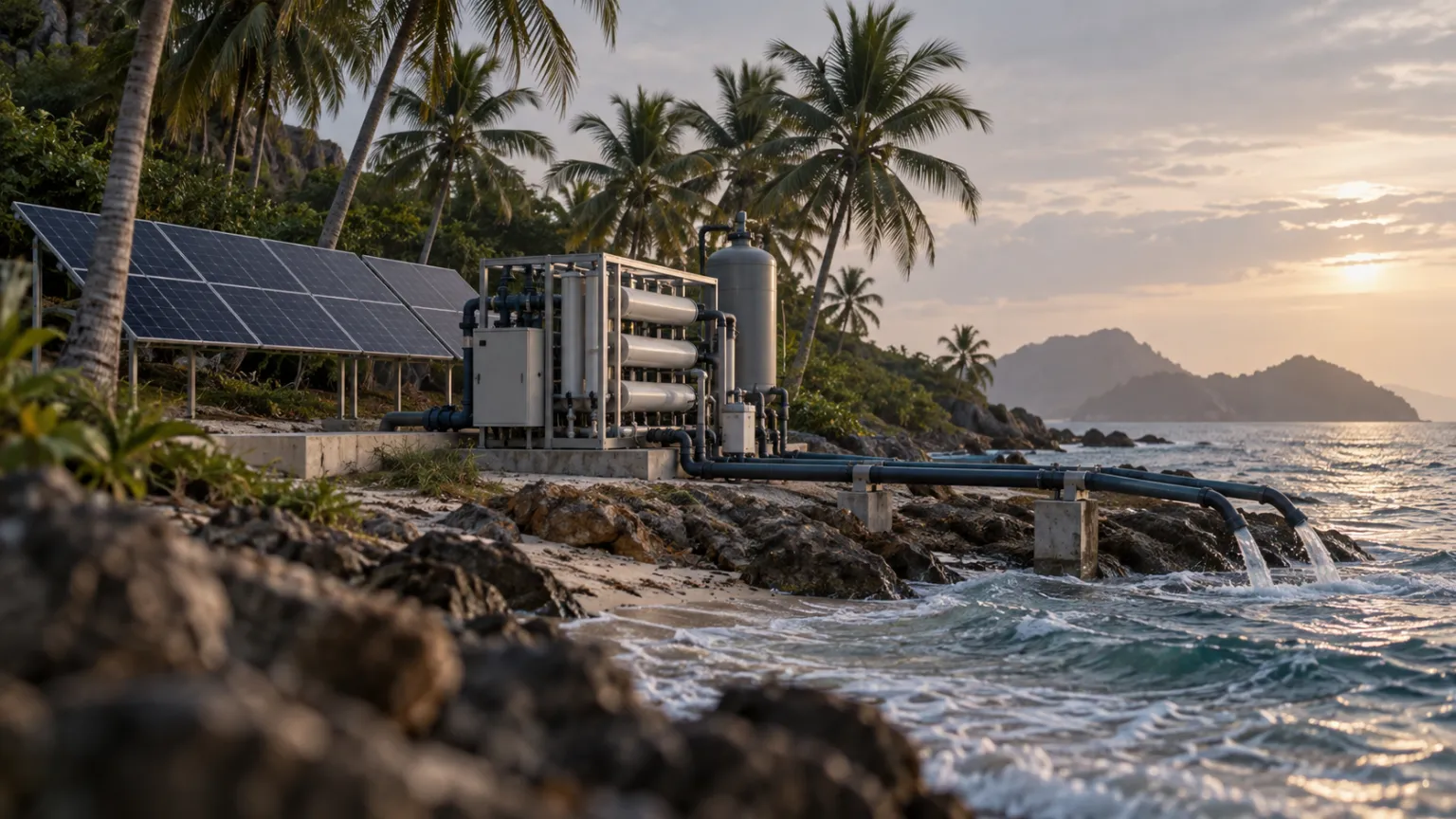
في الموقع الواقع على البر الرئيسي، تصل المياه والكهرباء على شكل فاتورة شهرية. أما في جزيرة صغيرة، فهما منشأة معالجة لها تكلفة رأسمالية وعمر تصميمي ونمط عطل خاص بها. يسعّر هذا المقال ما تكلفه هذه المنشآت فعلياً في البناء والتشغيل على ساحل زنجبار، ويوضح المواضع التي تقل فيها البيانات.