
增值方法论
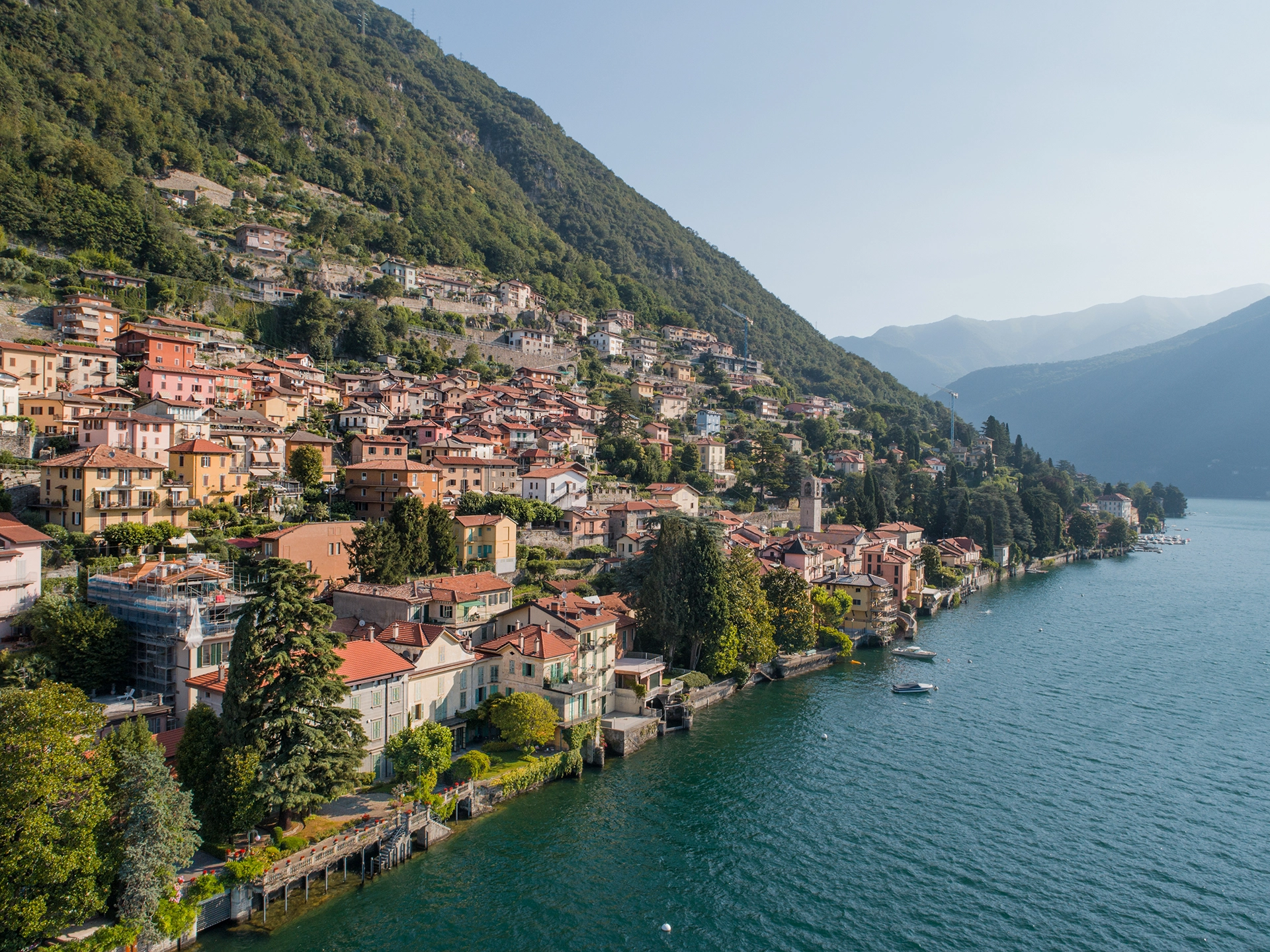
科莫湖景观限制:为何在此新建房产如此困难
制约因素并非监管,而是法律本身:该法于2004年制定,将可追溯至1497/1939号法律的景观保护予以法典化,其中300米湖岸带则源自431/1985号法律(Legge Galasso,即加拉索法)。在科莫湖,300米景观带、第146条规定的*autorizzazione paesaggistica*(景观许可)、伦巴第大区规划以及市级 regolamenti 共同构成了一套许可环境,从设计上就过滤掉了大部分新增供应。对于 value-add 项目而言,这一过滤机制既决定了时间表,也决定了能够交付的产品。
要点
- - 科莫湖的审批是五层累积叠加的体系:D.Lgs 42/2004(国家景观法典)、DPR 31/2017(简化授权)、DPR 380/2001(建筑法典)、Lombardia PPR(大区规划)、市级 regolamento。符合其中一层的要求,并不免除其他各层的要求。
- - 300米景观带(D.Lgs 42/2004 第142条第1款 b 项,由 Law 431/1985 引入)依法(ope legis)适用于科莫湖岸线,但1985年9月6日被划为 A 区或 B 区的区域除外(第142条第2款)。该带内的新建项目在实践中被筛除,这一点属于 Victaura Research 的假设。
- - 普通 autorizzazione paesaggistica 的法定分步期限为40天、45天和20天(第146条);若 Soprintendenza 在60天内未出具意见,comune 仍会作出决定。湖畔修复项目实际需要12至24个月,这一点属于 Victaura Research 的假设。
- - Lombardia PPR(DCR 951/2010)在国家300米带之上叠加了一层大区湖景带,专门适用于六大 Insubric 湖泊,并通过市级 PGT 内化。
- - 可行的开发路径是对现有体量进行实质性修复(DPR 380/2001 第3条下的 ristrutturazione edilizia)。湖畔独立新建项目在实践中成本过高,这一点属于 Victaura Research 的假设。
- - Engel & Völkers / Nomisma(Market Report Italia 2025)显示,2024年科莫湖的外国买家需求占比为60%,以美国和德国买家为主;翻新住宅每平方米4,000至10,000欧元,最高端者可达每平方米15,000欧元。
- - Knight Frank PIRI 100(The Wealth Report 2026):科莫湖2025年上涨6.5%,在100个市场中排名第19;米兰上涨0.4%,伦敦下跌4.7%。
- - 对运营方的尽职调查应基于可核实的项目事实:地块上已颁发的许可、Soprintendenza 与 Commissione per il Paesaggio 意见的内容、设计语言,以及支撑审批窗口期所需的资本。
本页内容 (11)
修订说明
本文已于2026年9月27日更正。 经将文中数据与引用来源逐一核对,发现若干错误,现已在正文中改正。完整清单(包括文章原先的表述与现在的表述)见文末的更正部分。
本文已于2026年9月29日更正。 早先版本描述了 Victaura 在其公开项目页面之外的立场。现在,正文及文末的披露声明均以这些页面为准。
本文已于2026年10月13日更正。 “需求端”一节此前称,第 24-bis 条统包税自 2026 年 1 月 1 日起提高到 300,000 欧元,但未说明适用于何人。该税额是对自该日起将居所迁至意大利者提高到这一数额的(第 199/2025 号法律,Normattiva),正文现已如此表述。
法律架构
常见的误解是把科莫湖的许可环境当作一项监管规定。 监管规定可以修订、放宽或加快审批。而约束湖岸的,是一套由基本法律、总统令和大区景观规划叠加而成的体系,其根基是一项宪法原则(意大利宪法第9条:“共和国保护国家的景观以及历史和艺术遗产”)。现行架构将可追溯至1497/1939号法律的景观保护予以法典化;现列于第142条的法定湖岸带由431/1985号法律(Legge Galasso,即加拉索法)引入,并并入2004年的法典。
起作用的文本共有五项,按普遍性由高到低排列。 第一,Codice dei beni culturali e del paesaggio(《文化遗产与景观法典》),即2004年1月22日第42号法令,它确立了tutela paesaggistica(景观保护)的一般制度,并在第142条列举了依法受保护的土地类别。第二,2017年2月13日第31号总统令,它简化了对景观影响较小(lieve entità)的工程的autorizzazione paesaggistica,并列出31类免于许可的工程和42类适用简化程序的工程。第三,2001年6月6日第380号总统令,即 Testo Unico Edilizia(建筑统一法典),规范建筑许可,并在第3条界定了与景观制度相互作用的六类工程(日常维护、特别维护、restauro e risanamento conservativo、ristrutturazione edilizia、新建以及城市重构)。第四,伦巴第的Piano Paesaggistico Regionale(大区景观规划),由2010年1月19日第951号 DCR 批准,针对六大因苏布里亚湖区(Maggiore、Ceresio/Lugano、Como/Lecco、Idro、Iseo、Garda)增设了一层大区级的tutela。第五,各湖区市镇的regolamenti edilizi(市级建筑规章)(Como、Cernobbio、Blevio、Torno、Faggeto Lario、Pognana Lario、Carate Urio、Laglio、Brienno、Argegno、Tremezzina、Bellagio、Menaggio、Varenna),它们在地方层面适用上位规范,并附加自身的裁量权。
这一体系之所以重要,是因为各层规范是累积适用的,而非择一适用。 科莫湖岸的项目要依次接受全部五层的审查。符合其中一层,并不免除其他各层的要求。Piano di Governo del Territorio(地方治理规划)中允许住宅体量的划定,并不等于批准其景观影响。在没有获得肯定性的autorizzazione paesaggistica的情况下,不能依据第380/2001号总统令签发titolo edilizio(建筑许可)。这不是程序上的冗余,而是制度设计本身。
300米湖岸带
*D.Lgs 42/2004 第142条第1款b项将“毗邻湖泊的区域,自湖岸线(linea di battigia)起算300米范围内,包括高出湖面的区域”置于法定景观保护之下。* 科莫湖周长约170公里,湖岸向山地陡然抬升,这一带覆盖了大部分可开发的湖岸以及紧邻的部分腹地,但须适用第142条第2款的排除规定,即1985年9月6日在市级规划中被划为 A 区或 B 区的区域。
该保护带所约束的内容是明确的。 任何改变stato dei luoghi(场地现状)的工程,均须依据第146条取得autorizzazione paesaggistica。这包括新建、拆除重建、体量扩建、外观改变,以及改变建筑与其周边环境之间的关系。不包括不改变外观的饰面日常维护,根据 DPR 31/2017 附件 A 第 A.1 项及以下各项,此类维护仍可自由进行。
该保护带不约束的内容同样值得说明。 不影响外部体量或饰面的内部改造,通常不在autorizzazione paesaggistica的范围之内,但仍须依据 DPR 380/2001 取得titolo edilizio。外部轮廓和屋顶线得以保留的别墅,可以进行内部改造,其流程明显比新建轻。按 Victaura Research 的判断(并非已公布的统计数据),这是进入市场的大多数 value-add 产品所走的实际路径。
*该保护制度ope legis适用,即依法律效力当然适用。 它不取决于第136条(immobili ed aree di notevole interesse pubblico*,即具有显著公共利益的不动产和区域)下的认定。湖岸受保护,是因为它是湖岸,而不是因为某一幢别墅或某一片区域被认定具有显著公共利益。这一区别很重要:第136条的认定会在第142条之上叠加一层额外的制度;而在第142条第2款从保护带中排除的区域(1985年9月6日被划为 A 区或 B 区的区域),保护是否存在则取决于是否有此类认定。
Autorizzazione paesaggistica 的实际操作
根据 D.Lgs 42/2004 第146条,程序分为两条路径:普通程序和简化程序。 普通程序适用于对景观有重大影响的工程。简化程序依据 DPR 31/2017(取代了 DPR 139/2010),适用于该法令附件B所列的42类情形,通常是在已获许可的体量范围内对现有建筑所做的小规模改动。在科莫湖,对历史遗产别墅进行实质性修复,且对门窗洞口、屋顶轮廓或外立面饰面有重大改动的,适用普通程序。
普通程序的法定时限在纸面上相当紧凑。 市政当局收到申请后审查案卷,并须在40天内向负责科莫、莱科、松德里奥和瓦雷泽各省的 Soprintendenza Archeologia Belle Arti e Paesaggio 转送意见建议。Soprintendente 在收到后45天内出具具有约束力的意见。市政当局在该意见出具后20天内作出最终决定。若 Soprintendente 在收到案卷后60天内未出具意见,第146条第9款规定,行政机关仍应对申请作出决定;普通程序并不将此称为 silenzio-assenso。依据 DPR 31/2017 的简化程序总期限为60天,Soprintendente 须在20天内出具具有约束力的意见。
实际上,湖滨别墅的有效时间线明显更长。 Victaura Research 的假设,并非已公布的统计数据:在科莫湖,对受保护湖滨物业进行实质性修复,普通程序从申请到取得可执行的 titolo edilizio,可能需要12至24个月。原因是结构性的。Soprintendenza 经常要求补充 integrazioni documentali(补充文件),这会中止法定时钟。现场勘查需要与季节性通行条件和测量条件相协调。市级的 Commissione per il Paesaggio 在 Soprintendenza 阶段之前出具初步意见,其会议安排与法定期限并不一致。景观制度、建筑制度(DPR 380/2001)以及任何抗震或水文约束之间的协调又增加了层次(东支的莱科市依据伦巴第大区 DGR 2129/2014 位于抗震3区)。
*实际的问题不在于时间线能否压缩,而在于项目的构思方式能否获得 Soprintendenza 的认可。 尊重现有体量轮廓、保留重要建筑元素、采用传统饰面(intonaco、pietra di Moltrasio、copertura in coppi),并能证明与受保护环境具有 coerenza paesaggistica 的方案,可以通过。提出新增体量、从湖面可见的玻璃幕墙,或与当地传统风貌格格不入的饰面的方案,则不能通过。这一判断是 Victaura Research 基于 compatibilità paesaggistica* 标准所作的假设;我们未发现任何关于湖滨项目首次提交被驳回比例的公开数据。
伦巴第大区 PPR 层面
大区规划增加了一个国家法典所不包含的、专门针对因苏布里亚湖区的层面。 伦巴第大区的 Piano Paesaggistico Regionale 作为大区领土规划的一部分,由 DCR 951 of 19 January 2010 批准,在第19条中将因苏布里亚各大湖(马焦雷湖、科莫湖与莱科湖、卢加诺湖、伊塞奥湖、伊德罗湖和加尔达湖)列为特别保护对象,并在 Tavola D 以及 Tavole D1a 至 D1d 中标明相关保护范围。截至2026年9月27日,伦巴第大区政府表示,2010年 PPR 在与文化部的共同规划程序完成之前仍然有效,该程序已由2025年3月10日的 DGR 4041 重新启动。
PPR 为伦巴第各湖泊的保护引入了一般性规范,并对六大因苏布里亚湖作出了专门规定。 对于这些湖泊,第19条第4款确定了 ambito di salvaguardia paesaggistica del lago e dello scenario lacuale(湖泊及湖景景观保护范围),主要依据流域分水线划定,并为地方规划设定了目标。第19条第5款针对国家法典第142条第1款b项所界定的湖岸区域增加了具体指引,第7至9款则设定了过渡制度:在市政当局调整其规划工具之前,在连续建成区和既有已协商规划之外,仅允许维护、修复、ristrutturazione edilizia 以及对现有建筑最多10%的扩建,尚未通过的实施性规划则暂停,直至 Piano di Governo del Territorio 获得批准。
其实际后果是,湖岸受到两层同心的保护制度管辖。 D.Lgs 42/2004 规定的国家300米范围是底线。伦巴第大区 PPR 在此之上增加了一个大区层面的湖泊及湖景范围,主要依据流域分水线划定,因此更为宽广;在该范围内,任何新工程与湖景全景的视觉关系本身即是具有约束力的考量因素。一个距湖岸线后退350米、位于国家范围之外的方案,仍可能落在 PPR 的湖景范围之内,并依据大区规划和市政 regolamento 继续接受 valutazione paesaggistica。
*PPR 还划定了 ambiti di elevata naturalità 和 aree di particolare interesse paesaggistico-ambientale。 某一湖岸地块是否属于这些类别,必须依据规划图件就该具体地块进行核对。在这些区域内,PPR 增加了具有约束力的 indirizzi(指引),市政规划必须予以吸收。其效果是使大区层面的规定不再只是建议性的,而是通过市政 PGT* 在操作上具有约束力。
市镇层面的自由裁量权
在国家法典和大区规划所确立的框架之内,市镇的 regolamento 拥有实质性的自由裁量权。 湖岸的每个 comune 都会发布一份 Piano di Governo del Territorio(PGT),由 Documento di Piano、Piano dei Servizi 和 Piano delle Regole 组成,并辅以 Regolamento Edilizio,历史中心区则往往还有 Piano di Recupero。这些文件把国家和大区层面的原则转化为针对具体地块、具有约束力的规范:限高、容积率(indici di edificabilità)、退界距离、允许使用的饰面材料、屋顶轮廓几何形态,以及湖岸挡墙(muro di sponda)和 darsena(船屋)制度。
各 comune 之间的差异十分显著,对投资测算有实质影响。 省会科莫(Como)的 PGT 同时管辖湖岸和有城墙的历史中心。切尔诺比奥(Cernobbio)是 Forum Ambrosetti 的举办地,也是大型别墅的集中地,其体积扩建以及从湖面可见的改动,由该市自己的 PGT 和 Commissione per il Paesaggio 管辖。布莱维奥(Blevio)和托尔诺(Torno)的地形陡峭,直接从水面拔起,在景观制度之外,还要叠加 Piano di Assetto Idrogeologico 规范下的水文地质限制。特雷梅佐纳(Tremezzina)于 2014 年由伦诺(Lenno)、梅扎格拉(Mezzegra)、奥苏乔(Ossuccio)和特雷梅佐(Tremezzo)合并而成,管辖西支湖滨地带,其中包括 Villa del Balbianello 及其周边受保护的风景。贝拉焦(Bellagio)管辖湖叉处的岬角(Punta Spartivento)和历史聚落,对湖滨 passeggiata 和历史层积有细致的保护。
自由裁量权体现在两个环节。 第一,Commissione per il Paesaggio(在某些 comune 则是被授予景观职能的 Commissione Edilizia)对每一个需要 autorizzazione paesaggistica 的项目出具初步意见。委员会的构成、审查的深度以及要求修改的轮次,在各 comune 之间差别很大。第二,Ufficio Tecnico Comunale 负责适用 regolamento,而对含义模糊的规范如何解释(例如允许改动的 darsena 的周界,或 ristrutturazione edilizia 与 nuova costruzione 之间的界线),取决于该 comune 已形成的先例。在某个 comune 能够通过的方案,不能保证在条文相同的相邻 comune 也能通过。
这不是制度的缺陷,而是机构投资者开展尽职调查的作业基点。 选定地块,就等于选定在整个开发周期内管辖该资产的 regolamento。因此,comune 的选择是首要的测算变量,而不是次要的地理偏好。
制约因素不是监管,而是法律本身。300 米带不会因需求而退让,因为它无法退让。
Victaura Research
这对新增供给意味着什么
Victaura Research 的评估是:这一整套规则叠加的总体效果,使得在 300 米带之内新建独立的湖滨建筑在实际操作中几乎不可行。 这并非 de iure(法律上)不可能。没有任何法定条款禁止在受保护的湖岸新建建筑。它是被景观、大区、市镇、水文地质和抗震等各项制度的累积效应,以及 Soprintendenza 的意见在 de facto(事实上)过滤掉的:受保护湖岸上的任何新增体量,都必须正面证明其 compatibilità paesaggistica。按 Victaura Research 的评估,具有一定规模的新建项目很少能达到这一标准;我们没有找到已公布的审批统计数据。
可行的开发路径是对既有体量进行实质性修复。 意大利的 Testo Unico Edilizia(DPR 380/2001,第 3 条)界定了六类建设干预:日常维护、非常维护、修复与保护性更新(restauro e risanamento conservativo)、ristrutturazione edilizia、新建以及城市重整。Ristrutturazione edilizia 允许把既有建筑改造成全部或部分不同的建筑体,包括拆除重建;形状、立面、占地和体量可以改变到什么程度,取决于建筑及其所在地块的保护制度,而在景观带内,任何改变外观的做法仍然需要 autorizzazione paesaggistica。按 Victaura Research 的评估(并非已公布的统计数据),科莫大多数高端产品正是通过这一路径进入市场的。
这对供给的含义是结构性的。 可供实质性修复的湖滨别墅总存量,受限于现有的历史建筑。按 Victaura Research 的评估,新增供给主要来自把历史别墅改造为符合当前高端规格的产品,而不是来自未开发用地的新建。因此,供给管道对需求缺乏弹性。国际买家兴趣的激增,不会也不可能在需求出现的同一周期内,带来相应数量的合规成品湖滨房产。
相应地,开发商的进入门槛很高。 新进入者必须购入一栋具有遗产价值的别墅,在 Soprintendenza 和 comune 的自由裁量之下取得 autorizzazione paesaggistica 和 titolo edilizio,按国际买家期望的标准完成实质性修复,并通过一个认可成果价值、却不为过程中的摩擦成本买单的市场退出。Victaura Research 的假设:能否跨过这道门槛,取决于 Soprintendenza 是否认可其设计语言与保护要求相容,以及是否有足够资本承担审批窗口期,这些变量都可以逐个项目加以核查。
需求端
科莫湖的需求主要来自国际买家,而供给是有限的。 Engel & Völkers Italia 与 Nomisma 在其 Market Report Italia 2025 中指出,2024 年外国买家需求占科莫湖市场的 60%,买家主要来自美国、德国和北欧,La Provincia di Como 于 2025 年 3 月 20 日对此作了报道。同一份报告给出的翻新住宅平均价格为每平方米 4,000 至 10,000 欧元,最高端的房产可达 15,000 欧元。
Knight Frank 的 Prime International Residential Index 发布于 The Wealth Report 2026,记录科莫湖 2025 年上涨 6.5%,在 100 个市场中排名第 19 位。 同年,米兰核心住宅上涨 0.4%,伦敦核心住宅下跌 4.7%。指数中其他欧洲市场涨幅更高,包括梅里贝尔(Méribel,+9.0%)、马贝拉(Marbella,+8.1%)、库尔舍维尔 1850(Courchevel 1850,+6.9%)和佛罗伦萨(+6.7%)。Knight Frank 还指出,随着米兰供给趋紧,买家转向罗马、托斯卡纳和科莫湖沿岸。
税收层面放大了地理上的约束。 意大利针对新税务居民的第 24-bis 条统包税(flat tax)于 2017 年推出,起初为每年 100,000 欧元,2024 年 8 月通过 Decreto Legge 113/2024 翻倍至 200,000 欧元,并根据 2026 年预算法(第 199/2025 号法律)对自 2026 年 1 月 1 日起将居所迁至意大利者提高到 300,000 欧元。据 Fiscalità Patrimoniale 于 2025 年 11 月 14 日转述的 2026 年预算法技术报告,按 2021 至 2023 年的数据,该制度每年新增适用者约 270 人,而主管部委预计,提高到 300,000 欧元将使新增适用者减少约一半,降至每年约 130 人。同一分析还提到,Corte dei Conti 指出,该制度并不要求与在意大利的生产性投资挂钩,也没有建立任何监测机制来检验其是否实现了既定目标。
英国至意大利的迁移通道只是驱动因素之一,而非唯一。 英国非常住居民(non-domiciled)制度于 2025 年 4 月 6 日废止,取而代之的是为期四年的 Foreign Income and Gains 制度。Knight Frank 称其引发了有意义但不算剧烈的财富外流,意大利、摩纳哥和瑞士均在欧洲的目的地之列(The Wealth Report 2026)。Henley & Partners 2025 年的报告给出的英国百万富翁外流人数为 16,500;Tax Policy Associates(2025 年 7 月 27 日)得出结论称,Henley 的报告并不追踪移民,在经过独立审计之前应当撤回,并且没有给出替代估计。我们查阅的来源均未量化从英国流向意大利的规模,也未量化其中定居科莫湖的比例。
运营方的优势
在审批构成约束的市场中,取得许可的能力是每个 value-add 项目的核心变量。这一命题并不抽象,它就是湖区每个 value-add 项目的运营现实。具备开发潜力的历史别墅,其收购价反映的是市场对可建内容的预期;而一栋已完工、合规、经修复的别墅,其退出价反映的是实际建成的成果。Victaura Research 的假设,并非实测结果:二者价差中相当一部分来自 autorizzazione paesaggistica,即把一项获准的可能性转化为已交付、已获许可、已完工产品所创造的价值。
这与供给具有弹性的市场在结构上不同。Victaura Research 的假设:在迪拜和拉斯海马,可通过大型总体规划开发项目增加新供给,因此那里的约束在于去化,而非审批。在科莫湖岸线,上述审批制度不允许以这种形式增加新供给,项目的约束变量是其取得许可并完成交付的能力。
因此,对运营方的遴选标准是制度性的,而非企业家式的。包括:地块上已经取得的许可;Commissione per il Paesaggio 和 Soprintendenza 就该项目档案出具意见的内容;与受保护环境相协调的设计语言;以及足以支撑项目走完审批期的资金,使设计不致被迫走 Soprintendenza 不会接受的捷径。这些都是可观察的变量。在 Victaura Research 看来,机构买家正是依据这些变量来评估这一市场中的交易对手。
以上分析是在声明利益关系的前提下提出的。Victaura 在科莫湖开发项目,其中包括位于 Pognana Lario 的 Modern Villa on Lake Como,其持仓情况载于本文末尾的披露声明。
| 层级 | 法源 | 适用范围 | 法定时限 | 裁量权 |
|---|---|---|---|---|
| 文化遗产与景观法典 | D.Lgs 42/2004 第142条、第146条 | 300米范围带;autorizzazione paesaggistica | 常规程序:40 + 45 + 20 天;若 Soprintendenza 60 天内未表态,由 comune 决定 | Soprintendenza 意见具有约束力 |
| 简化景观许可 | DPR 31/2017 | 42类 lieve entità 情形;31类豁免情形 | 合计60天;Soprintendenza 20天 | 附件 A 与附件 B 为封闭清单 |
| Testo Unico Edilizia(建筑统一法典) | DPR 380/2001 | Titolo edilizio;各类干预类别 | 按类别而定(SCIA / PdC) | Comune ufficio tecnico |
| 区域景观规划(Piano Paesaggistico Regionale) | Lombardia DCR 951/2010 | Insubric 湖区景观范围 + 第142条所涉湖岸区域(第19条) | 纳入 PGT | 区域 indirizzi 经 PGT 具有约束力 |
| 市级 regolamento | PGT、Regolamento Edilizio、Piano di Recupero | 高度、indici、饰面、darsene、muri di sponda | Commissione per il Paesaggio 议程 | 实质裁量权最大 |
法定稀缺性消除了供给冲击的一个来源。至于它能否在整个周期内保护价格,则是 Victaura Research 的假设,并非实测结果。
Victaura Research
这对投资者意味着什么
对 family office 或主要顾问而言,其含义是务实的。科莫湖受法律限制审批,受区域规划保护,并经市级 regolamento 筛选。这一约束可以核实,而非叙事。300米就是300米。Soprintendenza 的意见具有约束力。Piano di Governo del Territorio 要么允许某一体量,要么不允许。这些是需要测算的事实,而不是可以凭信任接受的故事。
其对投资组合的含义是不对称的。Victaura Research 的假设,并非实测结果:新增湖滨供给受法律筛选的市场,应比拉斯海马这类周期更快的市场更不易出现供给过剩,但这并不消除需求侧的价格风险。Knight Frank 记录的科莫湖2025年 +6.5% 只是单一年度数据,本身并不能衡量波动性。
运营方的选择才是决定性的决策。资本配置者的首要尽职调查不在于湖区的宏观面,这方面已有充分记录,而在于交易对手:运营方能否在所选地块上,按商业计划假设的审批与施工时间表,面对管辖该段具体岸线的 Soprintendenza,交付已完工且合规的产品?这个问题并不抽象,它就是 value-add 论点的运营问题。
利益关联披露。Victaura通过其母公司Greystone B.V.(荷兰)在科莫湖(意大利)、桑给巴尔的Nungwi(坦桑尼亚)、吉利艾尔岛与巴厘岛乌鲁瓦图(印度尼西亚)开发项目,并在哈伊马角的Al Marjan Island(阿联酋)持有期房(off-plan)资本头寸。读者应当假定,本文评论可能受到上述各项头寸的影响,或可能使其受益。本文件根据MiFID II第24(3)条被归类为营销材料,不构成投资建议。
更正说明,2026年9月27日
文章原先的表述与现在的表述。 已发布版本称,300米湖岸带自湖水最大扩张线起算,并适用于整个科莫湖周边;而 D.Lgs 42/2004 第142条是自岸线(linea di battigia)起算,并排除1985年9月6日被划为 A 区或 B 区的区域。原文称第136条涵盖具有文化价值的建筑;实际上它涵盖的是具有显著公共利益的建筑和区域。原文称普通 autorizzazione paesaggistica 有60天的法定期限并适用默示同意;而第146条规定的是40天、45天和20天的分步期限,若 Soprintendenza 在60天内未出具意见,行政机关仍须作出决定,法条文本并未将其称为默示同意。原文称 DPR 380/2001 第3条界定了四类干预;实际上界定的是六类。原文将12至24个月的时间表作为行业经验,并援引行业来源称驳回率超过30%;前者现已标注为 Victaura Research 的假设,后者因未找到来源而已删除。原文将 Knight Frank 的数据归为科莫湖五年上涨54%、伦敦下跌2.2%,并称科莫是欧洲表现最强的市场;The Wealth Report 2026 记录的是科莫湖2025年上涨6.5%,并未给出此类五年数据,记录伦敦为-4.7%,并列出了数个涨幅更高的欧洲市场。原文将 Engel & Völkers 的外国需求占比和价格表述为2025年数据,买家来自英国和亚洲,并列出了偏好的 comuni;而 Market Report Italia 2025(据 La Provincia di Como 报道)给出的是2024年外国买家占比60%,买家主要来自美国、德国和北欧,价格为每平方米4,000至10,000欧元,最高达15,000欧元。原文引用了经济部关于平税制(flat tax)新增申请者的数据序列以及 Corte dei Conti 的一项评论,但所查阅的来源均不包含这些内容;现文本引用的是每年约270名新增申请者的增长数据,以及 Fiscalità Patrimoniale 所报道的 Corte dei Conti 的意见。原文将英国经调整后的外流人数1,800至3,800人以及意大利占比400至600人归于 Tax Policy Associates;Tax Policy Associates 并未给出此类估算,这些数字已删除。此外,原文中 CBRE 关于拉斯海马(Ras Al Khaimah)9,000套房源储备的数据,因所查阅的来源均不包含而一并删除。
同日的进一步复核细化了上述部分更正,并修正了其他几处问题。 原文称科莫湖景观保护自 Law 1497/1939 起即已生效;实际上300米湖岸带由 Law 431/1985(即 Legge Galasso)引入,并并入2004年法典第142条,现文本已作此说明。原文列出了 DPR 380/2001 下的五类干预;第3条界定的是六类,现已全部列出。原文称 Lombardia PPR 设定了湖景带、300米 fascia di rispetto 以及带标题的地图图幅;而 PPR Normativa 第19条界定的是主要依据分水岭线划定的湖泊及湖景保护范围,增加了针对第142条所涉湖岸区域的指导方针,并设定了一项过渡制度:在市级规划完成调整之前,建成区以外的干预仅限于维护、修复、ristrutturazione edilizia 以及不超过10%的扩建,现文本已依此措辞修订。原文称 Engel & Völkers 的在线摘要点名了海湾地区买家,并援引历史湖畔别墅每平方米20,000欧元的峰值;就科莫湖而言,所查阅的来源均不支持这两种说法,二者均已删除,仅保留 La Provincia di Como 于2025年3月20日报道的 Market Report Italia 2025 数据(2024年外国买家占比60%,每平方米4,000至10,000欧元,最高达15,000欧元)。原文提及 Corte dei Conti 的 Relazione 2025;所引来源 Fiscalità Patrimoniale 并未指明具体报告,该引用已重新标注。原文将 Méribel、Marbella、Courchevel 1850 和佛罗伦萨称为第二居所市场;现改为描述为 Knight Frank 指数中的欧洲市场。关于湖畔新建项目在实践中成本过高、多数高端产品来自修复改造、新增供应并非来自绿地开发,以及对迪拜和拉斯海马的运营商、审批差异和供应的比较,这些表述现均已标注为 Victaura Research 的假设,因为未找到任何已发布来源。原文将科莫 PGT 描述为与城墙内老城的 Piano di Recupero 相整合,所查阅的来源均不支持这一说法,现已替换为一般性描述。
参考来源
- 意大利,《文化与景观遗产法典》(Codice dei beni culturali e del paesaggio),D.Lgs 42/2004,第142条(法定保护区域)
- 意大利,D.Lgs 42/2004,第146条(景观许可 autorizzazione paesaggistica,审批程序)
- 意大利,DPR 31/2017(简化景观许可;附件A:31类免除事项;附件B:42类轻微影响事项)
- 意大利,DPR 380/2001《建筑统一法》(Testo Unico Edilizia),第3条(建筑工程类型的定义)
- 伦巴第大区(Regione Lombardia),《大区景观规划》(Piano Paesaggistico Regionale,PPR),DCR 951,2010年1月19日
- 科莫、莱科、松德里奥和瓦雷泽省考古、美术与景观监督局(Soprintendenza Archeologia Belle Arti e Paesaggio per le province di Como, Lecco, Sondrio e Varese)
- 科莫市(Comune di Como),《领土治理规划》(Piano di Governo del Territorio)与建筑条例
- 切尔诺比奥市(Comune di Cernobbio),《领土治理规划》(Piano di Governo del Territorio)
- 贝拉吉奥市(Comune di Bellagio),《领土治理规划》(Piano di Governo del Territorio)
- 特雷梅佐拉市(Comune di Tremezzina),《领土治理规划》(Piano di Governo del Territorio)
- Domusweb,Engel & Völkers 意大利豪华房地产市场报告(Market Report Italia 2025),2025年5月16日
- Knight Frank,The Wealth Report 2026,PIRI 100 数据库(科莫湖 2025 年 +6.5%;米兰 +0.4%;伦敦 -4.7%)
- 意大利,Decreto Legge 113/2024(第24-bis条一次性定额税翻倍,2024年8月)
- 意大利,Legge di Bilancio 2026(第24-bis条门槛 €300,000)
- 意大利,Corte dei Conti(审计法院,对第24-bis条制度的意见,据 Fiscalità Patrimoniale 报道,2025年11月14日)
- La Provincia di Como,Immobili di lusso sul Lago di Como: cresce la domanda(Engel & Völkers / Nomisma,Market Report 2025),2025年3月20日
- Fiscalità Patrimoniale,Il regime italiano di flat tax per i nuovi residenti dopo la Legge di Bilancio 2026,2025年11月14日
- Tax Policy Associates,Henley & Partners' millionaire-migration reports: fabricated?,2025年7月27日
- Brocardi,D.Lgs 42/2004,第146条(现行文本,第4款及第7至9款)
- Brocardi,D.Lgs 42/2004,第142条(第1款和第2款)
- Wikipedia,Legge Galasso(1985年8月8日第431号法律)
- 伦巴第大区(Regione Lombardia),《大区景观规划》,规范文本,第19条(湖泊保护)
- Brocardi,DPR 380/2001,第3条(建筑工程类型的定义)
- Autorità di Bacino del Lario e dei Laghi Minori,Lago Lario(周长 170 公里)
- Tuttitalia,莱科地震风险(3区,DGR Lombardia 2129/2014)
- GOV.UK,Check if you can claim the 4-year foreign income and gains regime
本网站所载信息仅供参考,不构成任何要约、投资邀请或财务建议。所示回报为预估值,不予保证;过往业绩不代表未来表现。投资本金存在风险。
您是否正考虑在我们所运营的地区配置豪华房地产资产?欢迎与我们联系,了解我们当前及即将推出的项目。
联系 Victaura →相关洞察
增值方法论
Lake Como Villas: The Conformity Test
On Lake Como the villa a principal buys is almost always an existing building, so its legitimate state decides what can be restored and whether the deed passes. This article sets out the order of tests, from titles and condoni to the survey, the cadastral plan, the Salva Casa tolerances and the binding landscape opinion, and ends with the clause for the preliminary contract.

增值方法论
科莫湖许可日历:逐日拆解审批流程
带日期的许可档案是证明执行能力成本最低的方式,却几乎无人公开。本文依据法规条文重建科莫湖的审批日历:逐一列出各审批机构、其期限起算日、法律赋予的天数以及会使期限中止的事件,再将这一算术结果与从业者的反馈相对照。两者之间的差距,正是测算环节所需掌握的事实。

目的地
Direct Water Access: What It Means on Lake Como
Direct water access on Lake Como is a bundle of rights over State public domain, and the bundle differs from parcel to parcel. Frontage, a servitude and a concession of 4 to 40 years carry different terms, transfer routes and risks. This article sets out what the principal should verify, in the order that decides value.