
市场观点
科莫湖顶级豪宅2026:双重稀缺,PIRI +6.5%
意大利顶级房产通常被视为单一资产类别,周期同步。Knight Frank 的 PIRI 100 显示,科莫湖 2025 年上涨 +6.5%,排名第 19,同期米兰为 +0.4%,伦敦为 -4.7%;按 Victaura Research 的判断,科莫湖已脱离这一周期。三项约束(D.Lgs. 42/2004 景观法规、多代家族不出售的模式(这是 Victaura Research 的假设),以及自 2026 年起新居民须缴纳 30 万欧元的 Article 24-bis)使供给在法规层面缺乏弹性而非为零,压低成交频率,并筛选出以 15 年为周期、可跨国流动的买家。本研究报告认为,其结果是建立在不可替代性之上的复利式租金,而非周期性的顶级房产,并建议以 Mayfair Grosvenor、Park Avenue 战前建筑、St Moritz Suvretta 和 Cologny 作为可比组合,取代 Forte dei Marmi 或 Cap Ferrat。
 插图
插图要点
- - 科莫湖 2026 年 PIRI 100 排名:2025 年上涨 +6.5%,位列第 19 位,领先圣莫里茨、日内瓦、摩纳哥、纽约、米兰和伦敦(Knight Frank PIRI 100, The Wealth Report 2026)。
- - 法定的供给锁定(D.Lgs. 42/2004 第 142 条,即 A、B 区之外 300 米的景观保护带)与家族不出售的模式(这是 Victaura Research 的假设)共同形成了本研究报告所称的双重稀缺。
- - 按 Victaura Research 的解读,自 2026 年 1 月 1 日起针对新居民的 24-bis 条款(定额税 €300k,Legge 199/2025)是一种筛选机制:Relazione tecnica 假设该制度每年的新增人数大致减半,从约 270 人降至约 130 人。根据每次上调的起始日期条款,三个群体并存。
- - 科莫湖超一线豪宅无法放在“欧洲顶级湖区”的篮子里定价。相关的可比对象是 Mayfair Grosvenor(长期持有与管理)、Park Avenue prewar(需求筛选)、St Moritz Suvretta(法定三重锁定)、Cologny(税收吸引带来的集中度)。
- - 产品缺口不在于历史遗产或地段,而在于“成品、现代、湖畔”。三个形容词中缺哪一个,市场就按缺的那一项出清。
- - 气候风险真实存在(2022 年干旱、2023 年蓝藻水华、2024 年 10 月 Piazza Cavour 被淹、2026 年 5 月出湖流量偏低)。披露风险,加上现有的缓解措施(paratie、SIRACC、Olginate),是尽职审查的一部分,而不是劝退的理由。
- - 按 Victaura Research 的假设,截至 2026 年 9 月,2027 年 24-bis 条款面临的政治风险是参数收紧而非废除。DL 113/2024 和 Legge 199/2025 的起始日期条款规定,每次上调只适用于新的居住地转移,这使现有选择该制度的人仍保留其 15 年期限(Victaura Research; DL 113/2024; Legge 199/2025)。
- - Pognana Lario 案例研究显示了湖畔项目中运营摩擦所在之处:法定景观审批时间线约为 105 天(D.Lgs. 42/2004,第 146 条),而实践中假设许可需要六到十二个月(这是 Victaura Research 的假设)。Victaura 在科莫湖开发项目,详见第 9 节末尾的披露。
本页内容 (33)
修订说明
本文已于 2026 年 9 月 27 日更正。 经将文中数据与引述内容同所引来源核对,发现若干错误,现已在正文中改正。完整清单(包括原文所述内容与现行表述)见文末更正部分。
本文已于 2026 年 9 月 29 日更正。 早期版本对 Victaura 的持仓、其在科莫湖的一个项目及其合规框架的描述超出了公开页面所载内容,并将一张湖区全景照片标注为其项目所在地之一。现在,正文及文末披露均以这些公开页面为准,案例研究中的审批时间表也已改为本研究报告的一般性假设。
本文已于 2026 年 10 月 13 日更正。 正文及此前的更正说明曾称第24-bis条替代税的200,000欧元税额适用于自2024年8月10日起的居所迁移;第113/2024号法令将其适用于在该法令于2024年8月10日生效之后迁移居所的人(Normattiva),现已统一采用这一表述。正文此前还称三个群体将在2030年代并存;本次更正所查阅的法律条文均未作此规定,该表述已删除。一处引文现将300,000欧元的税额表述为现行税额。
本文已于 2026 年 10 月 13 日更正。 案例研究曾给出Modern Villa on Lake Como的施工年份,而该项目的公开页面并未载明;9月27日的更正说明也曾将同一项目的时间表列入估计。两者均已删除。
本文已于 2026 年 10 月 13 日更正。 方法论部分曾称,只有当至少两个独立来源相互印证时,一项陈述才被作为事实呈现;而若干数字仅依据一个具名来源,正文现说明每个数字均注明来源,单一来源的数字按名称注明出处。第3.1节和方法论部分此前还称未找到已公布的第24-bis条纳税人人数;现已不再这样表述。第9.1节对意大利《金融统一法》(Testo Unico della Finanza)的条文引用已更正。
本文已于 2026 年 10 月 13 日更正。 第3.1节曾给出、方法论部分也曾提及Victaura Research对富裕人士离开英国的两项估算;本系列第一卷已于9月27日以缺乏来源为由将其撤回,现已删除。第3.1节、第5.1节以及9月27日的更正说明此前称,未找到关于第24-bis条受益人来源地和定居地的已发布来源,也未找到最初几年三个年度总数的来源;Assonime的一项研究载有这些内容,并载有逐年的受益人和税收收入序列,现已引用。
本文已于 2026 年 10 月 13 日更正。 第9.2节曾称单一来源的论断会带有两种标注之一,但正文并未如此标注;该句已删除。
前言
2025 年科莫湖上涨 +6.5%。 米兰顶级房产上涨 +0.4%。伦敦顶级房产下跌 -4.7%。这三个数字并非简单比较,而是对“顶级”含义的重新定价:在这样的市场中,买家可以自行选择司法辖区、湖区,以及未来三代人所适用的法律框架。Knight Frank 在 The Wealth Report 2026 中发布的 2025 年 PIRI 100 将科莫排在佛罗伦萨(+6.7%)之后,罗马、柏林、维也纳和巴黎之前。这一排序本身就是故事。2024 年科莫上涨 +1.8%,排名第 58。2025 年上涨 +6.5%。这不是均值回归,而是机制转换。
惯常的看法是把意大利顶级房产视为单一资产类别,周期同步。科莫已经脱离了这一周期,因为约束它的几项因素处在周期之外:其一是 Codice Urbani 划定的、距湖岸 300 米的法定范围;其二是需求基础,Engel & Völkers 称 2024 年外国买家占比为 60%;其三是筛选的是长期定居者而非游客的税制架构。第四项约束更为隐性,属于行为层面:家族不出售。按 Victaura Research 的判断,标志性资产大约每二十年才会进入一次转售市场。由此发现的价格并非市场出清的成交价,而是一次重新锚定。
本研究报告是 Geography of Trust 系列的第二卷。2026 年 5 月 28 日发布的第一卷审视了全球财富迁移的叙事,并将意大利定位为 CARF 与 DAC8 之后格局中三个可信的目的地之一。第二卷则聚焦于这一资金流向终端的资产类别。论点是复利,而非周期。机制是双重稀缺,法规层面先于地理层面。披露信息见封面。
| 项目 | 内容 |
|---|---|
| 发布日期 | 2026 年 5 月 28 日 |
| 版本 | 第 2 卷,Geography of Trust 系列 |
| 作者 | Victaura Research / Greystone B.V. |
| 阅读时间 | 全文 48 分钟 | 仅读执行摘要 9 分钟 |
| 范围 | 科莫湖超顶级住宅房地产、法定供给、需求引擎与买家画像,2017 年至 2026 年 |
| 披露 | Victaura 通过其母公司 Greystone B.V. 在科莫湖、Nungwi、Gili Air 和 Uluwatu 开发项目,并持有 Ras Al Khaimah Al Marjan Island 的 off-plan 资本头寸。完整披露见第 9 节 |
| 分类 | 依 MiFID II 第 24(3) 条属于营销材料,不构成投资建议。 |
阅读本研究报告的五个理由
1. 加速的数据。 Knight Frank PIRI 100 记录科莫 2024 年为 +1.8%,2025 年为 +6.5%。连续两期,方向一致,斜率上升。这不是均值回归的特征。
2. 40 公里的约束。 稀缺性首先是法规层面的,其次才是地理层面的。Codice Urbani 第 142(1)(b) 条划定了距湖岸 300 米的范围,第 142(2) 条排除的城区除外;在该范围内,只要区域景观规划尚未调整,Soprintendenza 的意见即具有约束力(第 146(5) 条)。湖不会移动。
3. 筛选机制。 Article 24-bis 的替代税于 2024 年 8 月提高至 20 万欧元,并自 2026 年 1 月 1 日起提高至 30 万欧元。媒体将其解读为威慑,而它实际起到的是筛选作用。
4. 场外交易的现实。 临湖顶级房产的价格在每平方米 8,000 至 15,000 欧元之间,标志性地段超过 20,000 欧元。这些区间是 Victaura Research 依据经纪商挂牌信息作出的假设,并非公开发布的调查数据;真正重要的那些资产,其成交价在结构上并不披露。
5. 成品房的缺口。 据 Victaura Research 估算,约每二十处房产中有十九处属于有年代的历史建筑。符合 DPR 380/2001 所规定的 ristrutturazione edilizia(建筑翻新改造)、并在景观约束下忠实重建的现代成品房,是最稀有的类别。审慎的 value-add 是新增供给唯一可行的形式。
执行摘要
以下结论以核心命题的形式呈现。每一项都在报告正文中展开、给出来源并附有限定条件。
1. 2025 年的数据是加速,而非回归。 Knight Frank PIRI 100 记录科莫 2025 年为 +6.5%,2024 年为 +1.8%。这一序列使科莫与佛罗伦萨(+6.7%)看齐,并与米兰(+0.4%)和伦敦(-4.7%)拉开距离。
2. 需求基础在结构上是国际化且有选择性的。 Engel & Völkers 报告称,2024 年外国买家占科莫湖需求的 60%,主要来源地为美国、德国和北欧(La Provincia di Como,2025 年 3 月 20 日);按国籍划分的占比属于 Victaura Research 的假设。按 Victaura Research 的判断,2022 年 2 月以来的欧盟制裁收窄了俄罗斯渠道,不过据报道,2026 年 1 月 Villa La Cassinella 的买家是一位居住在 St Moritz 的俄裔企业家(Virgilio,2026 年 1 月 14 日)。2024 年 10 月,Forbes Global Properties 指定 Majeli Vassart Properties 在伦巴第大区代表其品牌,范围包括米兰和北部湖区(RISMedia,2024 年 10 月 24 日)。
3. Article 24-bis 起到筛选机制的作用。 据 Camera dei deputati 预算服务处所引述,2026 年预算法案的 Relazione tecnica 记录,2021 年至 2023 年该制度每年平均新增约 270 人,并假定在 30 万欧元的税额下,这一增幅将降至约 130 人,约为一半。
4. 稀缺性首先是法规层面的,其次才是地理层面的。 D.Lgs. 42/2004 第 142(1)(b) 条规定的 300 米临湖范围依法(ope legis)具有约束力,并包括湖面之上的高地。PPR Lombardia(D.C.R. 951/2010)、2003 年 Sacro Monte di Ossuccio 的联合国教科文组织列名,以及市级 PGT 文件在此之上层层叠加。供给曲线在法规层面缺乏弹性,但并非为零。
5. 复利论点是逐项资产成立的,而非市场平均值。 Villa La Cassinella 自 1920 年代起由 Mantegazza 家族持有,2004 年以略高于 1,700 万欧元的价格售出,2026 年 1 月据报道再次以超过 9,000 万欧元售出,最终手续仍待完成。二十二年间名义复合年增长率约为 7.9%,未扣除通胀和成本。这是单一资产的读数,而非市场的 CAGR。
2025 年科莫湖上涨 +6.5%。米兰顶级房产上涨 +0.4%。伦敦顶级房产下跌 -4.7%。这三个数字并非简单比较,而是对“顶级”含义的重新定价:在这样的市场中,买家可以自行选择司法辖区、湖区,以及未来三代人所适用的法律框架。
Victaura Research,Geography of Trust 第 2 卷
1. 加速
2024年和2025年对意大利顶级住宅市场的多数解读,都落入同一种叙事:欧洲周期在2021年见顶后放缓,随后恢复温和增长。Knight Frank的欧洲顶级住宅价格增速均值2024年为2.6%,2025年为3.3%(The Wealth Report 2026)。下文的数据打破了这一解读,但只针对科莫湖,也仅限于科莫湖。
1.1 2025年的读数
核心数据。 Knight Frank在The Wealth Report 2026中发布的PIRI 100显示,科莫湖2025年同比上涨6.5%,排名第19位。佛罗伦萨为+6.7%,罗马+5.5%,格施塔德+5.5%,柏林+3.4%,维也纳和巴黎均为+1.3%,米兰+0.4%。伦敦顶级住宅为-4.7%,是欧洲样本中年度跌幅最大的。
走势序列。 2024年科莫的读数为+1.8%,排名第58位。2025年的增速增至三倍有余,排名上升近四十位。两个读数方向一致,斜率在加快。符合均值回归的形态,应当是一次高读数之后跟着一次较低的读数。科莫的表现恰恰相反。排名比科莫高一位、位列第18的佛罗伦萨,2025年为+6.7%。
关于这一指标的保留意见。 PIRI是基于估值的经纪人调查。在交易稀少的市场中,基于估值的指数会滞后并平滑真实的价格变动(Geltner、MacGregor和Schwann,2003),而科莫超高端市场正是这样的市场:按Victaura Research的假设,其年成交量仅为数十宗;该偏差对科莫的幅度在此设定为20%至35%,这是Victaura Research的假设。基于同一假设,2025年科莫顶级住宅未经平滑的实际涨幅落在更宽的3%至8%区间,不同资产之间的离散度超过指数读数。信号是稳健的,精度则不然。米兰顶级住宅是2017年至2024年意大利豪华住宅价格的引擎,2025年读数为+0.4%,约比科莫低十六倍。在欧洲周期之内,意大利湖区已向上脱离。
1.2 国际需求基础
构成。 据La Provincia di Como于2025年3月20日报道,Engel & Völkers估计2024年科莫湖需求中外国买家占比为60%。在严格意义上的超高端区间,按Victaura Research的假设占比更高,设定为75%至85%,该颗粒度下尚无统一的公开登记数据。60%这一数字可作为方向性的参考锚点,而非实测统计。
来源地区。 Engel & Völkers指出,美国、德国和北欧是外国需求的主要来源(La Provincia di Como,2025年3月20日)。以下占比是Victaura Research的假设,而非已公布的统计数据:2024年至2026年占主导的国际买家群体为美国(18%至25%)、英国(12%至18%,受2025年后Foreign Income and Gains制度推动)、德国(15%至20%,因反复出现的Vermögensteuer(财富税)讨论而加强)和瑞士(10%至15%)。中东和北非地区的买家占3%至6%,通常通过SPV结构持有。意大利本土及海外侨民买家则稳定在20%至28%。
俄罗斯买家的断层。 2022年以前,湖区存在俄罗斯籍买家群体,其中最广为人知的案例是Arkady Novikov于2008年购入莫尔特拉西奥(Moltrasio)的Villa Le Fontanelle;我们未找到量化这一群体的已公布经纪数据序列。自2022年2月起实施的欧盟制裁框架收窄了这一渠道;该渠道已基本关闭,是Victaura Research的判断,而2026年1月Villa La Cassinella的买家据报道是常住圣莫里茨的俄裔企业家(Virgilio,2026年1月14日)。按同一判断,与受制裁最终受益所有人相关的存量资产仍处于冻结状态。
机构信号。 2024年10月,Forbes Global Properties指定Majeli Vassart Properties在伦巴第大区代表该品牌,范围包括米兰和北部湖区(RISMedia,2024年10月24日),这是机构兴趣的品牌信号,而非市场份额的标志。与之并行的是Kaleon SpA的上市:该公司管理Borromeo家族在马焦雷湖的地产,于2025年11月27日定价,2025年12月1日起交易,Investindustrial为基石投资者(Bloomberg,2025年11月30日;Euronext)。按Victaura Research的判断,这两件事标志着意大利湖区已成为机构资本开始汇聚的一类资产。
1.3 24-bis的筛选机制
制度架构。 TUIR第24-bis条由Legge 232/2016引入,允许在此前十年中至少有九年居住在境外、其后将税务居所转移至意大利的个人,就全部境外来源收入选择缴纳统一的imposta sostitutiva(替代税),以代替普通IRPEF。该选择权适用十五个纳税期间,不可续期。它附带免除Quadro RW申报义务、免除IVIE和IVAFE,并且对超高端资产规划而言意义重大的是,在该制度存续期间,境外所在地资产免征意大利遗产税和赠与税。位于意大利的资产,包括直接持有的科莫别墅,仍属于imposta di successione(遗产税)、IMU以及出售时五年期plusvalenza(资本利得)规则的适用范围。
提价与重新定价。 替代税自2017年起为100,000欧元。DL 113/2024将该法令于2024年8月10日生效之后转移居所者的税额提高至200,000欧元(Camera dei deputati,Verifica delle quantificazioni n. 414)。Legge 199/2025自2026年1月1日起将其提高至300,000欧元,家庭成员附加税由25,000欧元翻倍至50,000欧元。据Camera dei deputati预算服务处引述,2026年预算法案所附的Relazione tecnica(技术报告)记录,2021年至2023年期间适用该制度的人数平均每年增加约270人,并假设在300,000欧元的税额下增速降至每年约130人,约为一半,预计自2027年起每年增收1,450万欧元(Verifica delle quantificazioni n. 414)。
政治层面。 2025年8月31日,时任法国总理François Bayrou在电视采访中指责意大利以dumping fiscal(税收倾销)吸引富人(Il Sole 24 Ore,2025年8月31日;Euronews,2025年9月1日);据报道其原话并未点名具体制度。Palazzo Chigi称这些言论毫无根据,并指出意大利已将新居民统一税翻倍。此事属于言辞层面,而非程序层面。截至2026年9月,我们未找到针对24-bis的正式侵权程序或Code of Conduct Group的评估。欧盟在直接税领域采取协调行动需要理事会一致同意;至少有一个成员国(包括意大利)会拒绝同意,是Victaura Research的假设。按同一假设,两年内的前景是参数收紧,而非废除。
2. 稀缺性:先是法定的,然后才是地理的
豪华房地产领域的稀缺性论述,通常都被讲成地理问题。这个说法没错,但不完整。在科莫湖,真正起约束作用的并非湖岸线的范围,而是Codice Urbani(《城市法典》)以及区域景观规划,它们决定了在这一范围之内可以建造、修复或改造什么。湖泊决定了资产本身,法规则决定了供给曲线。
2.1 价格结构
按区域解读。 Cernobbio、Tremezzina 各市镇和 Bellagio 的门户网站平均挂牌价明显低于下文所述的顶级湖畔价格区间,原因是这些均值涵盖了各类混合房源;本期未能在原始来源处重新核实各区域的数据,因此不予引用。挂牌均价存在样本偏差,与实际成交价格并不一致。
按层级解读。 以下为 Victaura Research 的假设,依据经纪人挂牌信息得出,并非来自已发布的报告:顶级湖畔价格区间在 Cernobbio 为每平方米 6,000 至 10,000 欧元;在 Tremezzina 和 Lenno 的 Golden Mile 为 8,000 至 15,000 欧元,据报道的标志性房产位置可达 20,000 至 25,000 欧元;Bellagio 顶级区域为 5,000 至 12,000 欧元;Laglio 和 Moltrasio 为 5,000 至 10,000 欧元。这些区间未经 OMI 确认;OMI 按区域发布半年度报价,但没有超高端层级的细分数据。科莫湖超高端市场的价格在结构上并不公开:按 Victaura Research 的假设,标准挂牌房源的挂牌价与成交价之间的差距为 8% 至 15%,单一资产的标志性房产差距更大;超高端层级大约五笔交易中有两笔以场外方式成交。
2.2 地理约束
物理边界。 科莫湖水面面积约 145 平方公里,长约 46 公里,最大宽度 4.3 公里,最大深度 410 米,岸线超过 170 公里(Treccani, Enciclopedia Italiana)。据 Victaura Research 估算,超高端地带沿着配套最佳、历史房产最集中的湖岸段延伸约 40 公里:科莫分支西岸的 Cernobbio、Moltrasio 和 Laglio;东岸的 Torno、Blevio 和 Pognana Lario;中部湖盆 Tremezzina 的 Golden Mile,即 Lenno、Mezzegra、Tremezzo 和 Ossuccio;位于 centro lago 的 Bellagio;以及在湖心与 Bellagio 隔水相对的 Menaggio–Varenna 一线。
法定范围。 D.Lgs. 42/2004 第 142 条第 1 款 b 项依法(ope legis)对“i territori contermini ai laghi compresi in una fascia della profondità di 300 metri dalla linea di battigia, anche per i territori elevati sui laghi”设定景观保护限制。换言之:自岸线起 300 米范围内与湖泊毗邻的区域,包括高于湖面的地带。凡改变场所状态或建筑外观的任何施工,除第 149 条豁免的维护、结构加固和保护性修复之外,均须依第 146 条取得 autorizzazione paesaggistica,并须由 Soprintendente 在四十五日内出具具有约束力的意见;普通程序的法定总期限约为 105 天(市政府移送卷宗四十天,出具意见四十五天,作出决定二十天)。根据 DPR 31/2017,附件 A 所列工程无需许可,附件 B 所列 interventi di lieve entità 适用六十天的简化程序;对湖畔别墅进行大规模修复不属于这两个附件的范围。
高地区域问题。 Adunanza Plenaria Consiglio di Stato 2025 年 7 月 10 日第 8 号判决(n. 8 del 10 luglio 2025)就河流的平行 150 米范围(第 142 条第 1 款 c 项)作出裁决,并以类比推理确认该限制同样延伸至高地区域。对湖泊而言,该问题在法条文本层面已无争议:第 142 条第 1 款 b 项 expressis verbis 明文包含“anche per i territori elevati sui laghi”。Plenaria 解决的是河流方面的同类推理;湖泊早已写入法条。
规划层级。 在 Codice Urbani 之上,伦巴第大区的 Piano Paesaggistico Regionale(D.C.R. 951 del 19 gennaio 2010,第 19 条 disciplina laghi insubrici)仍然有效,且尚未与 MIC 共同规划。DGR 4041 del 10 marzo 2025 批准了一份 Protocollo d'Intesa 以重启共同规划,而大区 PPR 页面(2026 年 9 月查阅)仍称在共同规划完成之前 2010 年的规划继续有效。在共同规划完成之前,依第 146 条第 5 款出具的 Soprintendenza 意见 仍具约束力。联合国教科文组织于 2003 年将 Ossuccio 的 Sacro Monte 列入世界遗产名录。每个湖岸市镇还在此之上叠加各自的 Piano di Governo del Territorio。
重建路径。 法定框架是限制,而非禁止。DPR 380/2001 第 3 条第 1 款 d 项将拆除重建纳入 ristrutturazione edilizia,这是实质性更新产品的可行路径;保留 sagoma、prospetti、sedime 和体量的义务适用于受保护建筑,但明确排除仅依第 136 条第 1 款 c–d 项和第 142 条受保护的建筑,因此在湖岸范围内,具有约束力的筛选条件是 autorizzazione paesaggistica,而非建筑法规的定义。Salva Casa 改革(DL 69/2024,经 L. 105/2024 转换)扩大了 edilizia libera 的范围,但在受保护区域,依建筑法属自由施工的工程除非获得豁免,仍需 autorizzazione paesaggistica;国务委员会(Council of State)已认定,豁免工程清单仅为示例性质,评估取决于对景观的实际影响(Cons. Stato Sez. II, n. 2395/2026,涉及一处农用围栏)。Salva Casa 在一点上确实触及了景观制度:DPR 380/2001 新增的第 36-bis 条允许对与许可部分不符的工程进行事后景观相容性审查,即使这些工程新增了面积或体量(normattiva.it)。除此情形之外,第 167 条第 4 款排除了其他途径:未经许可新建的体量不得事后合法化;后果是 ripristino,Cassazione n. 2932/2026 对此予以确认。供给曲线在法律上缺乏弹性,但并非为零。
湖畔的稀缺性首先是法定的,其次才是地理的。湖不会移动。约束由 Soprintendenza 签署。
Victaura Research
2.3 产品构成
历史房产占多数。 科莫湖畔的存量房产绝大部分是历史建筑。十九世纪的 ville padronali 在存量中占主导,其修复间隔过长,在技术系统、无障碍、能效和装修品质方面与当代超高端预期不相符。Victaura Research 估计,需要大规模改造才能满足现代超高端要求的房产约占存量的二十分之十九。
现代精装的缺口。 将历史建筑外壳与当前技术规格相结合、在 Soprintendenza 许可范围内完成、并交付十至十五年功能使用期限的房产,是市场上最稀缺的产品类别。路径要么是在现有体量允许时依 DPR 380/2001 第 3 条第 1 款 d 项进行 demolizione e ricostruzione fedele,要么在不允许时进行复杂的 ristrutturazione conservativa。按 Victaura Research 的假设,许可审批需六至十二个月,施工需二十四至三十六个月,竣工修复成本约为每平方米 2,500 至 6,000 欧元。
重新表述。 说湖畔别墅无法复制,夸大了法律的实际效力。站得住脚的表述是:湖畔别墅的存量在结构上是有边界的,新产品只能通过大规模修复或忠实重建进入市场,供给曲线在法律上缺乏弹性,但并非为零。价值链回报那些能够持续通过 Soprintendenza 审查的参与者。这一约束不是一扇关闭的门,而是一条狭窄的通道,运营方的优势在于通过这条通道的同时不损害历史资产。
3. 第 24-bis 条与需求引擎
科莫湖超高端市场的供给侧由法规和行为模式所固定,需求侧则在很大程度上由财税架构所固定。按 Victaura Research 的解读(而非已发布的统计数据),第 24-bis 条是与 2017 年以来取得意大利居留身份的超高端国际人群最相关的制度。以下数字梳理了其规模扩张、地理分布问题和政策走向。
3.1 选择适用该制度的人数序列
非税务建议。 以下有关第24-bis条的内容,仅描述截至2026年5月有效的法律框架,并反映已公布的法律文本。本文不构成税务、法律或遗产规划建议。读者在采取任何行动之前,应向其居住地所在司法辖区的专业人士寻求独立意见。
主要数据序列。 目前已公布的最有力依据,是2026年预算法案(Bilancio 2026)的 Relazione tecnica(技术报告),由众议院(Camera dei deputati)预算服务部门引述:2021年至2023年间,适用该制度的人数平均每年增加约270人;成本测算假设在300,000欧元的税率下每年约130人;对于家庭成员附加税,按2023纳税年度的数据,受影响人数约为59人。本版未能在已公布的 MEF(经济与财政部)资料中找到逐年的新增人数和税收收入序列;Assonime 一项基于 Agenzia delle Entrate 缴款数据的研究给出了2017年至2024年每年的受益人总数和替代税收入,并将该总数每年的增加人数表述为当年新增的居所迁移人数(Assonime,Towards Italy,第7/2026号)。
现有存量问题。 本文档不引用第24-bis条现有纳税人的总数。
行为层面的评论。 Tax Policy Associates(Dan Neidle,2025年7月27日)指出,Henley & Partners 所使用的 New World Wealth 亿万富翁(centimillionaire)人数统计中,末位数字的分布模式出现的概率约为240,000分之一,这表明数据经过人工调整,而非实际测量。Henley 的2025年报告曾预测,将有创纪录的142,000名百万富翁跨国迁移(Henley & Partners 新闻稿)。2025年8月,Henley 表示已启动对 New World Wealth 方法论的独立审计和审查(Spear's,2025年8月19日);到2026年6月,Henley 已不再使用 New World Wealth,并发布了不含迁移数字的2026年报告(Tax Policy Associates,2026年6月16日更新)。
科莫的集中度。 目前没有任何公开数据集能按市镇级别,依 residenza dichiarata(申报居住地)拆分第24-bis条适用者。关于该制度实施以来米兰房价增长的媒体报道(CNBC,2025年9月5日)衡量的是价格,而非申请人占比;两者经常被混为一谈。Assonime 对十二家律师和税务事务所的调查覆盖约1,300名受益人,其中米兰是最主要的定居地,占样本的一半以上,罗马居第二,占比明显较小;其余目的地包括佛罗伦萨、威尼斯和科莫湖,该研究将科莫湖列为受益人的主要居住目的地之一(Assonime,Towards Italy,第7/2026号)。该研究仅以图表中的一个柱形显示科莫湖的占比,未标注数值,因此本文不给出针对科莫的具体数字。
3.2 从20万欧元到30万欧元:准入的定价
政策时间线。 100,000欧元的首期税率自2017年起适用。DL 113/2024 将该法令于2024年8月10日生效之后迁移居住地者的税率提高至200,000欧元(Camera dei deputati,Verifica delle quantificazioni n. 414)。Legge 199/2025 自2026年1月1日起将税率提高至300,000欧元,并将家庭成员附加税从25,000欧元提高至50,000欧元。DL 38/2026 第2条(由 Legge 88/2026 转换为法律)规定,自2027纳税期起迁移居住地者,不得再同时适用第24-bis条与 impatriati 制度。在2026年现行的制度下,多层级的祖父条款(grandfathering)形成三个群体:更早迁移者为100,000欧元,DL 113/2024 生效之后至2025年底迁移者为200,000欧元,2026年1月1日起迁移者为300,000欧元。
分析框架。 行业媒体的解读将这些上调视为一种威慑。本文档则将其解读为一种筛选机制。以15年、每年300,000欧元计算,每位主申请人的终身总额为450万欧元,每位家庭成员另加750,000欧元。这一价格会排除那些把意大利居留视为边际决策的人,而筛选出将其视为跨越一代或多代的结构性选择的主申请人,其全球收入规模足以使替代税低于境外来源收入适用43%边际 IRPEF 时的税负。Relazione tecnica 假设在更高门槛下该制度的年增长率大致减半,这与上述解读一致。
祖父条款的承重作用。 第24-bis条将最长期限固定为十五个纳税期,且每次上调都只适用于新的居住地迁移,其中200,000欧元的税率根据 DL 113/2024 适用于在该法令于2024年8月10日生效之后迁移居住地的人。Legge 199/2025 载有明确的保障条款:新的300,000欧元门槛仅适用于自生效之日起迁移税务居住地的纳税人。意大利宪法框架(第23条,无法律不得课税;第3条及 legittimo affidamento(合理信赖)判例;Statuto del Contribuente L. 212/2000)对具有追溯效力的税收规定会进行严格审查,但并不禁止此类规定。读者应将这15年的窗口期视为持久,而非绝对。
英国 FIG 对照。 英国于2025年4月6日废除了常驻非本地户籍(non-domiciled)制度,代之以为期四年的 Foreign Income and Gains 制度。HMRC 于2026年7月公布的统计数据显示,2025年度至少有81,900名非本地户籍及视同本地户籍的纳税人,上一年度为83,100人;在2024年的60,800名英国居民非本地户籍纳税人中,有42,900人按汇入基础(remittance basis)纳税。OBR 于2025年1月30日发布的补充材料(经 Tax Policy Associates 概述)估算,2026-27年度至2029-30年度的净收益为339亿英镑,其假设为:拥有除外财产信托(excluded property trusts)的非本地户籍者中有25%离开,其他非本地户籍者中有12%离开。FIG 的窗口期为四年,而第24-bis条为十五年。FIG 仅适用于此前至少连续十年为英国非居民者在英国居住的最初四年(GOV.UK),因此这一先后顺序适用于从境外抵达英国的主申请人,而非长期居住在英国的居民:第一至第四年适用 FIG,第五年起转为意大利居民并适用第24-bis条,合计十九年的境外来源收入低税负期限。
第24-bis条对2026年起迁移居所者的税率为300,000欧元(此前为200,000欧元),这并非税收优惠,而是一种筛选机制。这一价格会排除那些把意大利居留视为边际决策的人,而筛选出将其视为结构性选择的主申请人。
Victaura Research
| 制度 | 年度固定金额 | 适用范围 | 法定期限 | 资格条件 |
|---|---|---|---|---|
| TUIR 第24-bis条 | 300,000欧元(2026年1月1日起的新适用者);200,000欧元(DL 113/2024 于2024年8月10日生效之后至2025年底迁移者);100,000欧元(更早迁移者) | 对所有境外来源收入征收替代税;豁免 Quadro RW、IVIE、IVAFE;位于境外的资产豁免意大利继承税和赠与税 | 15个纳税期,不可续期 | 此前10年中有9年为意大利非居民;自2026年起每位家庭成员须另缴50,000欧元附加税 |
| TUIR 第24-ter条(Pensionati,退休人员) | 境外来源收入适用7%固定税率 | 将居住地迁至人口不超过30,000的南部 comuni(或指定的地震灾区市镇)的退休人员 | 10个纳税期 | 外国退休人员,此前5个纳税期为意大利非居民;L. 34/2026 将 comuni 的人口上限从20,000提高至30,000 |
| Impatriati(D.Lgs. 209/2023) | 意大利来源的雇佣或自雇收入享有50% IRPEF 豁免(计税基数上限600,000欧元) | 具备相应技能并迁移税务居住地的劳动者;自2027年起不得与第24-bis条叠加适用(DL 38/2026) | 5个纳税期(迁移当年加四年),不可延长 | 此前3个纳税期为意大利非居民(若为同一雇主或集团则为6或7个);从事高技能或专业性工作 |
| 标准 IRPEF | 累进税率23%至43%,另加大区和市镇 addizionali(附加税) | 未选择优惠制度的意大利税务居民,其全球全部收入 | 无期限 | 依 TUIR 第2条为意大利税务居民 |
4. 监管层面
向国际买家介绍意大利顶级房地产时,通常以每平方米价格和税制为切入点。而在科莫湖,第一层分析既不是价格,也不是税制,而是三件事:其一,2004年的法规将湖岸300米范围(第142条第2款所排除的城市区域除外)列为依法自动受保护的 bene paesaggistico(景观保护资产);其二,程序架构,即任何超出常规范围的干预,都须取得地域管辖的 Soprintendenza(文物与景观监管局)出具的有约束力的意见;其三,二十年来的判例体系,它在不削弱该意见约束力的前提下,收窄了该意见的自由裁量空间。不先按其自身逻辑读懂这一层,就根本无法读懂价格层。
4.1 D.Lgs. 42/2004:二十年后的 Codice Urbani
基础条款。 科莫湖岸线受《文化与景观遗产法典》(Codice dei beni culturali e del paesaggio,2004年1月22日第42号立法法令,通称 Codice Urbani)第142条第1款b项保护。其原文将 i territori contermini ai laghi compresi in una fascia della profondità di 300 metri dalla linea di battigia, anche per i territori elevati sui laghi 纳入景观保护。这一300米范围由法律设定,而非由市政府划定,且湖面之上的高地也已明文写入法规本身。第142条第2款排除了1985年9月6日在市政规划中被划为A类或B类的区域,因此沿岸的历史城区核心不在该范围的自动保护之内。
程序。 第146条规定了程序轨道。凡超出日常或保护性维护的干预,均须取得 autorizzazione paesaggistica(景观许可)。申请由 Comune(市政府)转交地域管辖的 Soprintendenza,后者须在45天内出具意见;Comune 有40天时间转送卷宗,然后在收到意见后20天内作出批准或拒绝的决定,法定总期限约为105天。第146条第5款确立了关键一点:只要大区景观规划尚未按《法典》调整,Soprintendenza 的意见即具有约束力。截至2026年9月,经2010年大区议会第951号决议批准的伦巴第 Piano Paesaggistico Regionale(大区景观规划)尚未完成调整(Regione Lombardia);因此 Soprintendenza 意见的约束力仍是现实运作的状态,大区也未公布共同规划之规划的批准日期。
简化通道。 2017年第31号总统令划出两个附件。附件A列出免于景观许可的干预,包括不改变建筑外观的内部工程。附件B列出适用简化程序的轻度干预,总期限严格限定为60天,其中 Soprintendenza 意见期为20天。简化通道确实存在,也经常被使用,但适用范围狭窄。对湖滨别墅进行实质性修复,若涉及改变立面、更换屋面、安装不合规的构件或调整体量,则不属于任何一个附件,每一次都须走约105天的常规通道,并取得有约束力的 Soprintendenza 意见。
处罚。 《法典》第167条第4款,是防止科莫湖岸线因未经许可的体量而被追溯性扩大的规则。事后的 accertamento di compatibilità paesaggistica(景观兼容性核查)仅适用于以下情形:工程未产生新的可用面积或体量、使用了不合规的材料,或属于2001年第380号总统令第3条所定义的日常或特别维护。除下文所述、由2001年第380号总统令第36-bis条开启的部分不合规情形外,在300米范围内未经许可建造或扩建的别墅无法获得合规化,法定后果是拆除。最高上诉法院(Court of Cassation)在2026年1月26日第2932号判决中重申了这一规则:凡已产生新体量的,不得追溯取得景观许可,2001年第380号总统令第36条规定的建筑赦免也无法补救。
Salva Casa。 2024年第69号法令(Decree-Law 69 of 2024)经转换为2024年第105号法律,并辅以基础设施部2025年1月发布的指引,扩大了自由建筑工程的范围,放宽了部分用途变更程序,并使尺寸公差合规化。它对景观制度仅有一处影响:2001年第380号总统令新增的第36-bis条,允许对与许可存在部分不合规的工程进行事后景观兼容性核查,即使这些工程产生了新的面积或体量(normattiva.it)。除此之外,在保护区内,即便按建筑法属于自由的工程,除非列入2017年第31号总统令附件A,仍须取得 autorizzazione paesaggistica。国家参政院(Council of State)第二庭在2026年3月20日第2395号判决中表明,这一筛选取决于实际影响:一道轻型农用围栏被认定既不需要建筑许可,也不需要 autorizzazione paesaggistica,因为免除工程清单只是示例性的。对科莫湖岸线的新项目而言,2024年改革保持了景观筛选不变;其景观层面的影响仅限于第36-bis条对部分不合规情形的合规化。
4.2 Soprintendenza 的实践
机构。 对科莫湖享有地域管辖权的主管机关是 Soprintendenza Archeologia, Belle Arti e Paesaggio per le province di Como, Lecco, Sondrio e Varese(SABAP CO-LC),隶属文化部,办公地点在米兰。科莫湖长达170公里的湖岸线上,凡是稍具规模的干预项目,都必须经由这一唯一的审定节点。
约束力。 《Codice》第146条第5款规定,在大区景观规划(Piano Paesaggistico Regionale)完成调整之前,Soprintendenza 对依法(ope legis)受保护景观资产出具的意见具有约束力。伦巴第大区通过2010年第951号大区议会决议批准了其 PPR,此后未再调整。2025年3月10日第4041号大区执行决议(DGR)批准了一项协议,依据《Codice》第135条,与文化部及环境与能源安全部重启正式的共同规划程序。截至2026年9月,新的共同规划 PPR 尚未获批(伦巴第大区)。目前尚未公布任何通过日期;在通过之前,Soprintendenza 对科莫湖的意见仍然依法具有约束力,而非仅仅出于惯例。
市级层面。 在 Soprintendenza 之下,是各湖滨市镇的 Piano di Governo del Territorio(PGT)。主要节点包括 Cernobbio、Tremezzina(2014年由 Lenno、Mezzegra、Ossuccio 和 Tremezzo 合并而成)、Bellagio、Pognana Lario、Laglio 和 Moltrasio。每份 PGT 都设有各自的 Commissione Paesaggio(景观委员会),并对湖滨地带有各自的分区规定。项目在市级层面首先被确定参数,在 Soprintendenza 层面则被筛选过滤。
判例趋势。 二十年的判例形成了一致的方向。国务委员会(Council of State)全体大会在2025年7月10日第8号判决中,就第142条第1款c项所涉的、与之平行的150米河岸带确认,景观保护延伸至高地地形;至于湖泊,法规本身已有此规定。国务委员会多次认定,Soprintendenza 的意见若在45天期限届满后才出具,即丧失约束力,Comune 此时可以继续推进(例如2021年第2640号和2023年第2487号判决)。最高法院(Court of Cassation)在2026年第2932号判决中,堵上了受保护区域内新增体量的缺口。国务委员会在2026年第2395号判决中认定,轻型农用围栏无需许可,确认了筛选的关键在于对景观的实际影响。自由裁量的空间已经收窄;约束力没有减弱。
坦率的缺口。 文化部没有任何公开统计数据,按大区或按地方办事处细分 Soprintendenza 的否决率。意大利行业媒体广泛引用的说法,即湖滨项目首次提交的否决率超过百分之三十,并无公开来源。我们不引用该数字。可以站得住脚的制度性表述是:对景观保护带内的实质性工程出具否定意见,是真实且反复出现的结果;附带条件的有利意见是最常见的结果;而通过该程序的路径取决于项目设计,而非价格。
Soprintendenza 不是一个许可办公室,而是这座湖的编辑委员会。在 Codice Urbani 实施二十年之后,自由裁量的空间已经收窄,但约束力没有减弱。
Victaura 对 D.Lgs. 42/2004 判例的分析。
5. 场外交易的现实
先作披露。 Victaura 通过其母公司 Greystone B.V. 在科莫湖开发项目,详见封面披露及第9节。以下观察是从这个市场内部写出的。同时,我们也遵循这样一条规则:对不通过公开挂牌成交的市场所作的任何量化,都必须附明确的置信区间。凡是关键之处,我们都会标明该区间。
5.1 需求画像
意大利本土核心。科莫湖超一线住宅需求的结构性核心过去是、现在仍然是意大利人。来自米兰及伦巴第大区的工业家族,据估计占2024年至2026年期间超一线交易的20%至28%。这一数字,以及“二十年来该占比大体稳定,而国际买家群体围绕其轮换”的判断,均属Victaura Research的假设;在这一细分层级上,不存在统一的公开登记数据。
国际买家的轮换。根据Victaura Research的判断,2022年2月至2025年4月间的三重冲击同时发生,重塑了外国买家群体。自2022年2月起实施的欧盟制裁框架,收窄了2022年之前就已存在于湖区的俄罗斯资金交易渠道,但并未将其关闭:据报道,2026年1月Villa La Cassinella的买家是一名居住在St Moritz的俄罗斯裔企业家(Virgilio,2026年1月14日)。该残余渠道的规模属于Victaura Research的假设。意大利的Article 24-bis统一税制,其门槛针对在 DL 113/2024 于2024年8月10日生效之后迁居者由十万欧元翻倍至二十万欧元,并自2026年1月1日起提高至三十万欧元,但适用该制度的人数仍在增长:2026年预算法案的Relazione tecnica记录显示,2021年至2023年间平均每年新增约270人适用该制度(Camera dei deputati, Verifica delle quantificazioni n. 414)。在Assonime对约1,300名受益人的调查中,近40%的人此前的税务居住地为英国,其后依次为法国、巴西、美国和瑞士(Assonime,Towards Italy,第7/2026号)。根据Victaura Research的判断,2025年4月英国废除non-domiciled制度,改为为期四年的Foreign Income and Gains窗口期,使部分英国客源转向意大利税务居民身份,并在意大利境内转向米兰和湖区走廊;我们未找到衡量这一转变的已发布数据序列。
当前的买家构成。以下是Victaura Research对2024年至2026年超一线买家群体的假设,任何经纪机构均未公布。美国的个人及Family Office买家,占18%至25%。英国买家,其中相当一部分是Foreign Income and Gains制度下的“避迁者”,占12%至18%。德国买家,占15%至20%,Vermögensteuer(财富税)之争是一个隐性推动因素。瑞士居住的买家,涵盖多种护照背景,占10%至15%。意大利本土及海外侨民,即稳定的核心,占20%至28%。俄罗斯及独联体的存量买家,低于3%,且处于冻结状态。中东和北非,占3%至6%,经常通过Special Purpose Vehicle(SPV)结构持有。大中华区(含香港)及新加坡,占2%至5%。各项占比之和并不精确等于一百,因为每一项本身都是一个区间,而且其余类别之间的重叠并不小。
机构信号。2024年10月,Forbes Global Properties指定专注伦巴第的经纪机构Majeli Vassart Properties,在包括米兰和北部湖区在内的伦巴第地区代表该品牌(RISMedia,2024年10月24日)。依照结构性前提,我们将这一举动解读为机构兴趣的品牌信号,而非市场份额指标。Forbes Global Properties于2025年5月7日至8日在Villa d'Este举行欧洲区域会议,由Majeli Vassart承办。这些品牌布局背后的交易群体,默认越来越多地走场外交易;据Victaura Research的观察,科莫地区并不存在称得上名副其实的多重上市服务系统(MLS)。
Cassinella基准案例。2026年1月报道的Villa La Cassinella交易,估计成交价超过九千万欧元,部分行政手续仍在办理中,是本研究报告的基准交易。据意大利媒体报道,买家是一名居住在St Moritz、活跃于奢华酒店业的俄罗斯裔企业家(Virgilio,2026年1月14日)。Virgilio转述了报纸La Provincia的报道,并将价格作为估计值给出;买家身份仅依据这一篇媒体报道。我们将该头条数字视为方向性参考,买家归属则视为媒体报道,而非经独立核实。
格调的转变。公开可见的格调已经改变。过去,科莫湖超一线住宅在公众眼中由少数引来媒体关注的娱乐圈人物所定义;如今的交易群体则优先考虑低调。据Victaura Research的观察(并非已发布的统计数据),持有结构经由卢森堡、荷兰、偶尔也有意大利的Special Purpose Vehicle运作,最终受益所有人位于离岸。交割发生在公开挂牌之前。在任何公开来源中,房产身份都不会与买家关联。基于同一观察,顾问团队由一家国际律师事务所、一名意大利税务专家和一名做场外交易的经纪人组成。意大利工业家族这一核心依然稳定。超一线层级的边际国际买家,已从公开身份明确的生活方式型人物,转变为优先考虑低调的资本配置者。
| 区域 | 2025-2026年一线均价(€/平方米) | 外国买家占比 | 需求画像 |
|---|---|---|---|
| Cernobbio、Moltrasio、Carate Urio | €6,000-€10,000 | ~70% | 外国机构、Family Office、酒店集团;Villa d'Este走廊;会议活动场所 |
| Laglio、Brienno、Argegno | 挂牌价€5,000-€10,000;场外交易有溢价 | ~60% | 注重隐私的超高净值人士;无MLS文化;Val d'Intelvi的延展选择权 |
| Tremezzina黄金一英里(Lenno、Mezzegra、Tremezzo、Ossuccio) | €8,000-€15,000+;顶级位置€20,000-€25,000 | ~60% | 多代同堂家族;周期中罕见的顶级买家;正常年份结构上几乎无法成交 |
| Bellagio半岛 | 一线湖滨€5,000-€12,000 | ~55% | 具有历史底蕴的旅游标杆资产;4月至10月的ZTL(限行区)摩擦压缩了内陆房源 |
| Como città、Camnago Volta、Lipomo | 未评估 | ~40% | 由基础设施驱动的自住需求;24-bis迁居者的米兰、卢加诺及MXP通勤客群基础 |
科莫的价格并非发现得慢,而是在结构上不予披露。顶级湖滨房产不通过MLS成交,而是通过三位公证人、两位私人银行家和米兰的家族律师完成。
Victaura Research。
5.2 持有期限与流动性溢价
不出售的模式,有据可查。 科莫湖超高端房产的行为性锁定,可以通过其知名别墅的公开传承脉络观察到。切尔诺比奥的 Villa Pizzo 自 1435 年至 1842 年由 Mugiasca 家族持有,最后一位继承人将其遗赠给 Ospedale Sant'Anna,后者又将其售予奥地利的 Rainer 大公;经 Madame Musard 之手后,于 1871 年被 Fortunato Bassani 购得,他再将其留给女婿 Pietro Volpi(villapizzo.com)。伦诺的 Villa La Cassinella 自 20 世纪 20 年代起一直属于 Mantegazza 家族,直至 2004 年,约八十年。莫尔特拉西奥的 Villa Le Fontanelle 于 1977 年被 Versace 家族购入,在家族内持有至 2008 年,随后售予 Arkady Novikov;该买家持有至今,截至 2026 年已有十八年。切尔诺比奥的 Villa Erba 一直由 Erba 家族和 Visconti di Modrone 家族持有,直至 1986 年,Visconti 家族的继承人将别墅及部分园区售予一家 società partecipata(参股公司),该公司为建设展览与会议中心而设立,该中心现由 Villa Erba SpA 运营(villaerba.it)。拉廖的 Villa Oleandra 此前归 Heinz 家族所有,现仍属于 George Clooney。这一模式是一致的:代际持有是默认行为,而非例外。
隐含的换手率。 基于上述模式,并作为 Victaura Research 的假设,标志性湖畔房产存量的年度换手率在定性上处于百分之二至五的区间。下限与贝尔格莱维亚(Belgravia)超高端市场相符:据 Beauchamp 报告,2024 年该区价格超过一千五百万英镑的成交为三宗,2023 年为十三宗,这是低换手率的有据特征。上限则基于同一假设,参照恩加丁和圣莫里茨的阿尔卑斯房产群设定,那里的 Lex Koller 配额与限制二套房的 Lex Weber 上限使库存保持紧张;我们未找到圣莫里茨已公布的换手率序列。Victaura Research 假设,由于美国的交易基础设施更为完善,Park Avenue 战前经典公寓的换手率更高,为每年百分之五至十;我们同样未找到已公布的序列。我们引用的区间是定性的。精确数字从未有人公布,因为科莫超高端房产交易并不存在统一的公共登记;我们不会凭空编造。
保密溢价。 作为 Victaura Research 的假设,欧洲超高端房产的场外成交与公开挂牌之间的价差为百分之十至二十五;我们未找到已公布的序列。对这一溢价最有助益的理论视角来自 Anderson 与 Reeb,他们 2003 年发表于 Journal of Finance 的创始家族持股论文表明,在股票市场中,家族集中持股的结构获得的是可衡量的溢价,而非折价。将这一视角迁移到房地产属于类比,而非实证,我们特此标明。关键在于:科莫湖上的保密并非风格偏好,而是这一资产类别的特征。
退出所需时间。 对于测算一千五百万欧元以上科莫湖超高端房产头寸的投资人,在基准情形下应按十八至三十六个月的退出时间中位数定价,对于最具个性的资产,尾部情形可超过六十个月。这两个数字,以及与之对照的意大利全国奢华房产大约六至十二个月的基准,都是 Victaura Research 的假设,而非已公布的序列。其含义是:流动性并非不存在,而是有节奏的。
功能上的微观地理。 科莫湖岸线并非单一市场。切尔诺比奥是机构性的聚会节点,以 Villa d'Este 和 Ambrosetti Forum 为依托;Villa d'Este 集团先后收购了 Harry's Bar Cernobbio(2024 年 2 月)、Hotel Miralago(2024 年 4 月)和 Hotel Regina Olga(2025 年 4 月),整合了酒店业集群。特雷梅佐拉(Tremezzina)则是结构上无法交易的文化遗产型标志性房产;在三处知名核心物业中,有两处掌握在机构手中(Villa Carlotta,以及自 1988 年起由 FAI 持有的 Villa del Balbianello),另一处(Villa Cassinella)在二十二年间仅成交一次。贝拉焦(Bellagio)设有具约束力的 Zona a Traffico Limitato(限行区),自 4 月 1 日至 10 月 31 日每日 10:00 起生效,对进入历史核心区构成阻碍。阿尔杰尼奥(Argegno)是一条安静的资本走廊,兼具 Val d'Intelvi 微气候的选择权和通往瑞士边境的交通便利。科莫市区(Como città)则是以基础设施为驱动的主要住所,面向商业重心同时在米兰、卢加诺和马尔彭萨之间的 24-bis 迁居者:最快的 Como San Giovanni 列车约 40 分钟抵达 Milano Centrale(Trainline),TILO S10 直通卢加诺,马尔彭萨机场则可经公路抵达。莱科(Lecco)支线是由城市更新驱动的次级市场;曼代洛(Mandello)自 1921 年起便是 Moto Guzzi 的发源地,其文化特征与西部基础地带不同。上湖区(Alto lago)一带(Menaggio、Gravedona、Dongo、Domaso、Sorico)是生活方式与运动型资产,以 Domaso 经 VDWS 认证的德语风帆冲浪学校和上午晚些时候出现的 Breva 热力风道为依托。不同的湖岸,不同的功能,不同的买家逻辑。单一价格的科莫湖视角无法反映这个市场,因为这个市场本就不是单一的。
6. 比较定位
意大利高端房产市场通常被视为单一资产类别,周期同步。2025 年的数据否定了这种看法。同一年,伦敦高端市场下跌近百分之五,米兰高端市场几乎持平,而科莫湖录得上涨百分之六点五。这些数字并非简单的对比,而是证明科莫湖超高端房产如今已完全属于另一个篮子。
6.1 科莫、米兰、伦敦:三个读数,一次重新定价
再次披露。 Victaura 通过其母公司 Greystone B.V. 在科莫湖开发项目。下文的比较定位,应结合封面及第 9 节末尾的披露一并阅读。
2025 年排名。 Knight Frank 的 Prime International Residential Index 发布于 Wealth Report 2026,按 2025 年价格涨幅对全球 100 个核心豪宅市场排名。科莫湖位列第 19 名,涨幅为 +6.5%。在阿尔卑斯与湖区这一组中,科莫领先于格斯塔德(+5.5%)、圣莫里茨(+4.8%)和日内瓦(+4.7%),但落后于梅里贝尔(+9%)和库尔舍维尔 1850(+6.9%)。在城市类可比市场中,科莫领先于摩纳哥(+3.1%)、纽约(+0.8%)、米兰(+0.4%)和伦敦(-4.7%)。在意大利范围内,科莫落后于佛罗伦萨(+6.7%),领先于罗马(+5.5%)。
解读。 对这张表可以得出三点相互印证的判断。第一,科莫湖的涨幅高于该指数中除佛罗伦萨以外的所有意大利市场,也高于所有瑞士市场,而法国阿尔卑斯度假地梅里贝尔(+9.0%)和库尔舍维尔 1850(+6.9%)的涨幅更高。第二,科莫湖与传统欧洲核心豪宅城市之间的差距很大:2025 年相对伦敦为 11.2 个百分点,相对米兰为 6.1 个百分点;米兰与伦敦在功能上已处于不同的周期。第三,科莫湖与阿尔卑斯及“制度性稀缺”组别(韦尔比耶、霞慕尼、圣莫里茨、格斯塔德、日内瓦)之间的差距为正,但幅度不大,而一篮子可比标的重新定价的论点正是从这里开始的。
保留意见。 PIRI 的方法论是基于估值的经纪商调查。对于科莫湖这类交易稀薄的市场,Geltner、MacGregor 和 Schwann 2003 年关于估值平滑的框架表明,逐项资产的未平滑实际涨幅,其离散程度很可能大于整体读数所显示的水平。我们将 +6.5% 视为平滑后的估计值;逐项资产实际成交涨幅处于 3% 至 8% 区间,属于 Victaura Research 的假设。整体读数是真实的,但单项资产层面的分布更宽。
| 排名 | 市场 | 2025 年核心豪宅价格变动 |
|---|---|---|
| #19 | 科莫湖 | +6.5% |
| #22 | 格斯塔德 | +5.5% |
| #26 | 韦尔比耶 | +5.0% |
| #28 | 霞慕尼 | +5.0% |
| #30 | 圣莫里茨 | +4.8% |
| #32 | 日内瓦 | +4.7% |
| #46 | 摩纳哥 | +3.1% |
| #67 | 纽约 | +0.8% |
| #68 | 米兰 | +0.4% |
| #93 | 伦敦 | -4.7% |
2025 年,米兰核心豪宅为 +0.4%,伦敦核心豪宅为 -4.7%,科莫湖为 +6.5%。这三个数字不是一次比较,而是对“当买家可以自由选择时,核心豪宅意味着什么”的重新定价。
Victaura Research,基于 Knight Frank PIRI 100 数据(The Wealth Report 2026)
6.2 当买家可以自由选择时,“prime”意味着什么
篮子的转换。 根据 Victaura Research 对经纪商评论的解读,科莫湖通常被归入欧洲核心湖区(prime lakes)篮子,与加尔达湖、瑞士一侧的日内瓦湖,以及在一定弹性下的卢加诺湖并列。我们不这样看。2025 年的数据表明,“欧洲核心湖区篮子”已不再是有用的分析框架。我们建议以“宪法性稀缺”篮子取而代之,由四个可比对象组成,每一个都照亮科莫湖现状的一个维度,但没有一个是它的一对一孪生。这四个可比对象是:Mayfair Grosvenor、Park Avenue prewar、St Moritz Suvretta,以及日内瓦左岸的 Cologny。
Mayfair Grosvenor:作为历史先例的管家式持有(stewardship)。 自十七世纪以来,Grosvenor Estate 一直持有 Mayfair 和 Belgravia 大部分地区的永久产权复归权(freehold reversion),并以长期租约授予使用权。这种管家模式(外观管控、用途限制条款和改建许可,经由地产管理延续数个世纪)是科莫湖如今通过 Soprintendenza 过滤机制和家族不出售惯例在结构上形成的稀缺的概念前身。2024 年的 Leasehold and Freehold Reform Act 扩大了承租人的购买权,部分削弱了合同层面的供给锁定;涵盖 Mayfair 的 PIRI 市场伦敦核心区在 2025 年为负百分之四点七,在 100 个市场中排名第 93。Mayfair 是三个世纪以来对有限城市土地进行管家式持有的长周期参照,而不是 2025 年业绩上的同侪。
Park Avenue prewar:需求端筛选。 Park Avenue prewar 的核心群体,即少数 Candela 时代的标志性楼宇,受合作公寓(co-op)的专有租约和董事会酌情批准所约束。董事会可以无需理由拒绝申请、禁止以 LLC 持有、限制融资并限制转租。它与 Soprintendenza 过滤机制在功能上的对应十分精确:都是对每笔交易的需求端进行筛选的合同机制。需要提醒的是(这是 Victaura Research 的假设,而非实测序列):2020 年至 2025 年间,顶级 prewar co-op 的表现落后于曼哈顿新建 condo,因为 condo 吸收了 co-op 所拒绝的外国需求。科莫湖在湖畔别墅这一档次上没有可吸收需求的 condo 类对应物。筛选机制具有可比性,但曾经伤及 Park Avenue 的替代风险在湖区并不存在。
St Moritz Suvretta:法定的三重供给锁定。 上恩加丁(Engadin)实行三重法定锁定,在瑞士本土之外的欧洲没有对应。联邦 Lex Koller(1983)限制外国人购买二套住宅;格劳宾登州的年度配额据报道为 290 套(SRF,2013),并设有单宗物业上限,一般为净居住面积 200 平方米、土地 1,000 平方米,经证明确有需要时可以延展。联邦 Lex Weber(2012)禁止在二套住宅占存量超过百分之二十的市镇批准新的二套住宅,St Moritz 在结构上已高于该门槛,因此新建实际上被冻结。恩加丁层面的市镇规划又为 Suvretta 增加了一层低密度别墅分区。定价反映了这一锁定,Suvretta 的成交价相对 St Moritz 基准存在溢价;每平方米的具体数字在本期无法从来源核实。联邦委员会已于 2026 年 4 月 15 日就进一步收紧 Lex Koller 启动正式征求意见。与科莫湖的机制差异十分明确:St Moritz 以配额限制外国买家准入;科莫湖则完全不限制外国人准入。外国人可以在科莫湖自由购买,只是需要就资产(而非买家)取得 autorizzazione paesaggistica。在科莫湖,需求可以比 St Moritz 更快地对着固定供给增长;供给锁定具有可比性,需求锁定则不然。
Cologny:财税吸引力带来的需求集中。 Cologny 位于日内瓦湖左岸、日内瓦州境内,说明了当财税吸引力把国际需求集中到规模很小且受约束的供给上时,超高端住宅的定价会发生什么。Knight Frank Wealth Report 2026 记录,2025 年在整个日内瓦湖市场中,高于一千二百五十万美元的成交约百分之七十五集中在日内瓦左岸,尤其是 Cologny。日内瓦州保留了 forfait fiscal(定额税制):2014 年 11 月 30 日,日内瓦选民既否决了取消该制度的州级倡议(IN 149,68.41% 反对),也否决了联邦层面的取消倡议(68.28% 反对)。日内瓦选民还于 2024 年 11 月 24 日通过了州所得税减税方案,自 2025 年 1 月 1 日起生效。因此,Cologny 的财税吸引力是 forfait 与瑞士更广泛的所得税架构相结合的结果。与意大利 24-bis 的相似之处在于买家心理,而非财税可预期性的对等:两种制度都以可预期的名义税单吸引国际流动的主事人,但意大利制度在 24 个月内被重新定价两次(2024 年 8 月从 €100,000 升至 €200,000,2026 年 1 月再升至 €300,000),而瑞士的架构在十年间基本保持稳定。Cologny 是顶级价位上功能最接近的意大利湖区同侪,同时也是最清楚地提示意大利在财税层面仍存在政治风险的可比对象。
综合判断。 科莫湖超高端住宅既不是 Mayfair Grosvenor,也不是 Park Avenue prewar,不是 St Moritz Suvretta,也不是 Cologny。每一个都照亮了科莫湖现状的一个维度。Mayfair 提供的是作为历史先例(而非 2025 年同侪)的管家式持有叙事。Park Avenue 提供需求端筛选机制,但没有替代风险。St Moritz 提供法定的三重供给锁定,但没有对外国买家的限制。Cologny 提供财税吸引力在受规划约束的供给上带来的需求集中,但没有数十年的财税稳定性。意大利核心市场的传统可比篮子(Forte dei Marmi、Cap Ferrat、Costa Smeralda)没有照亮其中任何一个维度。2026 年科莫湖超高端住宅的正确篮子是宪法性稀缺;在这个篮子之内,科莫湖以 +6.5% 领先所有可比对象;在这个篮子之外,PIRI 100 中有十八个市场的涨幅更高,其中包括 Florence(+6.7%)、Méribel(+9.0%)和 Courchevel 1850(+6.9%)。
| 维度 | Mayfair Grosvenor | Park Avenue prewar | St Moritz Suvretta | Cologny(日内瓦) | 科莫湖 |
|---|---|---|---|---|---|
| 供给锁定类别 | 合同性(Grosvenor 永久产权 + EMS);已被 2024 年改革削弱 | 合同性(co-op 董事会 + 专有租约) | 法定三重(Lex Koller + Lex Weber + 市镇) | 法定双重(州 + 针对非居民的 Lex Koller)+ 财税吸引力 | 法定三重(D.Lgs. 42/2004、DPR 31/2017、PPR Lombardia)+ 人口结构上的不出售 |
| 买家端筛选 | 有限;市场准入总体开放 | 强(董事会批准、禁止 LLC、融资上限) | 强(Lex Koller 下的外国人配额) | 以居住地为基础;日内瓦保留 forfait fiscal(2014 年经公投确认) | 通过 Soprintendenza 在资产端筛选,而非买家端;外国人可自由购买 |
| 2025 年 PIRI 涨幅 | 伦敦 -4.7%(第 93 位) | 纽约 +0.8%(第 67 位) | +4.8%(第 30 位) | 日内瓦 +4.7%(第 32 位) | +6.5%(第 19 位) |
| 2025-2026 年核心区每平方米价格(€) | 无已核实数字 | 无已核实数字 | 无已核实数字 | 无已核实数字 | 湖畔 €8,000-€15,000+;标志性物业 €20,000-€25,000(Victaura Research 假设) |
| 财税框架 | 非本地居民(non-dom)制度于 2025 年 4 月废除;非居民 SDLT 附加税 2%,另加额外住宅 5% 附加税 | 纽约州转让税 0.4%(纽约市住宅自 $3M 起为 0.65%),另加纽约市 1% 至 1.425%;自 $1M 起征收豪宅税(mansion tax),自 $2M 起另有纽约市补充税率 | Lex Koller + 瑞士联邦/州所得税;瑞士法郎套利 | 日内瓦州普通税制或 forfait fiscal(保留;2014 年经公投确认);2025 年 1 月起州所得税减税 | Article 24-bis 定额 €300k(2026 年 1 月后);15 年祖父条款(grandfathering);意大利所在地 IMU 和继承税仍适用 |
| 持有期中位数 | 数十年的永久产权;承租人 15-30 年 | 顶级 co-op 为世代相传 | 多代持有 | Cologny 家族持有多为多代传承 | 多代持有;有记录显示,个别知名别墅持有已达八十年以上 |
7. 投资逻辑
前面各节已经依次阐明:2025-2026年科莫湖市场的实证数据、限制供给的法定架构、限制成交的代际结构、引导需求流向的24-bis机制,以及已明显转变的买家画像。本节把这四项发现归结为一个命题:2026年,当一位投资者在科莫湖购入一栋已完工、现代化的湖畔别墅时,实际买下的究竟是什么。随后,本报告再以其未曾回避的各项风险,对这一命题进行压力测试。
7.1 已完工、现代化、湖畔。差价在此出清
本报告的商业论点范围狭窄,且是有意为之。 根据Victaura Research的估算(并非已公开发表的调查),在约40公里的超一线湖岸范围内,湖畔存量中大约95%属于历史遗产型产品:建筑外壳具有历史价值,需要修复,机电与热工性能停留在20世纪中叶或更早,户型为配备家政人员的家庭而设计,而且往往还有尚未解决的许可遗留问题。其余5%则是完全不同的产品。它已完工;在保留受保护外部结构的同时,机电与能效达到现代水平;就art. 142 c.1 lett. b而言属于真正的湖畔物业,位于300米范围之内,且muro di sponda与darsena已按现有titolo edilizio完成合规登记。这5%不是营销分类,而是一种供给缺乏弹性的产品:供给侧受autorizzazione paesaggistica制约而缺乏弹性,存量侧则因家族不出售而缺乏弹性。
复合回报可分解为四个部分,而非一个。 第一是法定稀缺租金。在300米范围之内、且处于Art. 142(2)所排除的A区和B区之外的新开发项目,须取得autorizzazione paesaggistica,并附具有约束力的Soprintendenza意见;按Victaura Research的判断,这在实践中很少是可行的途径,供给曲线因Codice Urbani而缺乏弹性(并非为零),而不是取决于未来市议会可能放宽的分区规划。第二是操作摩擦租金:即能够稳定通过Soprintendenza程序的买家与不能的买家之间的差距。法定的105天与Victaura Research假定的实际许可周期六至十二个月之间的差距(见§2.3与§8)、art. 146 c.8规定的45天Soprintendente意见期(依c.5具有约束力)、截至2026年9月仍未解决的PPR Lombardia 2010适配性问题,以及Commissione per il Paesaggio逐案审查的特点,都会产生摩擦,而这种摩擦奖励的是驾驭程序的能力。第三是遗产溢价本身;Victaura Research假定,随着其他地方的供给逐渐追上需求而科莫的供给没有,这一溢价在整个环阿尔卑斯高端市场中正在上升。第四,也只有第四,是小幅的周期性奢侈品贝塔,它使科莫的成交数据与全球利率周期、美元走势以及奢侈品消费情绪挂钩。
四个部分中,三个会复合增长,一个会均值回归。 法定稀缺租金、操作摩擦租金和遗产溢价都是结构性的,不会因为利率下降或奢侈品情绪转向而消退。只有在法规改变、Soprintendenza的实践趋于放宽,或其他地方的供给突然被认定为可比的情况下,它们才会消退。按Victaura Research的判断,这些情形都不在近期视野之内。周期性奢侈品贝塔是唯一会均值回归的部分,同时也是最小的部分,这是Victaura Research的假定;我们未能找到已公开发表的分解研究。这正是科莫超一线物业与标准的一线住宅周期分解之间的结构性差异。
恰当的框架不是收益率,而是准入资格。 2026年对科莫超一线物业进行测算的投资者,买入的并不是按贴现率定价的现金流。他们买入的,是一个不对价格作出反应的供给机制之内的一个位置。资产之所以复合增长,是因为约束在复合增长;资产之所以能跨代传承,是因为约束在跨代传承。把该资产视为周期性交易的投资者,会在两个方向上一再感到意外,因为其成交数据的表现不同于伦敦或米兰。把它视为稀缺性之上不断复合的租金的投资者,则不太会感到意外。
已完工、现代化、湖畔。三个形容词。市场会在其中缺失的那一项上出清。目前,缺失的是已完工。
Victaura Research
7.2 风险与不对称性
任何长期持有的头寸都不是没有风险的,科莫湖也不例外。 如果把复利式增值的论点当作单向交易来看待,本研究报告将失去可信度。有五项风险足够重大且具有不对称性,值得逐一单独说明。
气候风险敞口。 科莫湖处于阿尔卑斯山麓的气候带之内,与加尔达湖、马焦雷湖和日内瓦湖(Lemano)走向相同:地表水温上升,干旱与洪涝之间的极端波动更为剧烈,蓝藻事件反复出现。据因苏布里亚大学(Università dell'Insubria)称,2023年8月在第一湖盆出现了蓝藻水华,推测为铜绿微囊藻(Microcystis aeruginosa),ATS Insubria 随之发布了健康提示;ARPA Lombardia 在 Dervio 站对该湖进行监测。2022年的干旱使湖水在50天内下降108厘米,低于同期此前的最低水位;随后是2024年10月科莫市 Piazza Cavour 的积水,10月10日湖水位达到121厘米,超出阈值约1厘米,尽管设有paratie(防洪挡板);2025年9月23至24日的nubifragio(暴雨)使泥水涌入 Brienno 和 Laglio 的历史中心,巨石滚落到 Laglio 的道路上(Open,2025年9月24日);2026年5月又出现干旱,期间 Consorzio dell'Adda 将下泄流量降至约27立方米/秒,而正常值为70。Legambiente 的 Osservatorio Città Clima 记录到2025年伦巴第大区发生50起极端天气影响事件,居意大利各大区之首,高于西西里(44起)和托斯卡纳(41起)。缓解性基础设施已经存在并仍在扩建:Consorzio dell'Adda 管辖的diga di Olginate(奥尔吉纳泰水坝)、paratie di Piazza Cavour(其移交科莫市政府的手续在2026年7月仍在办理中,Espansione TV),以及伦巴第大区政府于2025年11月24日由 Giunta 通过的 SIRACC 战略(DGR 5383),涵盖五个领域,据 Lecco Notizie(2026年4月9日)统计共有87项措施。科莫湖不是气候避风港。各微观区域之间存在差异,这是 Victaura Research 的假设。Laglio 与 Argegno 之间的西岸对 nubifragi 的地貌敏感度最高。从 Bellagio 到 Tremezzina 的湖中段处于中间水平,水深更大,历史上的蓝藻浓度也低于第一湖盆。莱科分支在三个区段中水文变化最为平缓。承接科莫超高端住宅的投资者,应将气候视为选址变量和运营成本变量来定价,而不是将其视为劝退因素。
24-bis 政策渐变风险。 目前同一制度内并存三个法定档次:最早的一批为10万欧元,在 DL 113/2024 于2024年8月10日生效之后、2026年之前迁移居所的一批为20万欧元,自2026年1月1日起迁移居所的一批为30万欧元。这一架构面临的政治压力是真实的,但其运作机制比言辞所暗示的要缓慢。时任法国总理 Bayrou 于2025年8月31日发表的dumping fiscal(税收倾销)言论属于修辞,而非程序性举措。截至2026年9月,未发现欧盟委员会针对第24-bis条启动任何正式的侵权程序。任何具有约束力的欧盟直接税协调文件都需要理事会一致同意;按目前的投票格局这一条件无法满足,这是 Victaura Research 的假设。同样基于 Victaura Research 的假设,2027至2030年更可能的改革方向是参数性调整:使准入带有交易属性,将入门条件与认购 BTP(意大利国债)或投资意大利初创企业股权挂钩,进一步提高价格下限,收窄资格窗口。无论2027年出现哪种现实可能的结果,写入 art. 24-bis TUIR 的15年法定选择期,对当前和近期买家而言都是关键支撑。
+6.5% PIRI 数据的估值平滑效应。 就科莫湖而言,Knight Frank 的 Prime International Residential Index 在2025年录得 +6.5%,相对于2024年排名第58位的 +1.8%,这是增速加快的真实信号。但它同时是一项基于估值的经纪人调查,针对的是一个成交稀少的市场;据 Victaura Research 的假设,该市场每年成交价超过500万欧元的交易不足一百宗。Geltner、MacGregor 和 Schwann(2003)的框架描述了成交稀少的私人房地产市场中的估值平滑现象;此处采用的20%至35%区间是 Victaura Research 的假设。更诚实的说法是,2025年科莫超高端住宅未经平滑的实际涨幅在3%至8%的区间内,且各资产之间的离散度较高。+6.5% 这一头条数字方向上是正确的,在操作层面则经过了平滑。它不是任何单一资产回报率的点估计。
退出流动性不足。 科莫湖一栋已建成的现代湖滨别墅不是游艇。它不会在一个随时都有上百位有意愿的竞买人的全球市场中交易。基于 Victaura Research 的假设(而非已发布的数据序列),现实的退出周期基准情形为18至36个月,定价处于区间上端的标志性物业则有60个月以上的长尾。围绕该类产品形成的、由运营方居中撮合的渠道对这种流动性不足起到了部分补偿作用,其中包括 Forbes Global Properties 欧洲网络(其2025年5月的区域会议在意大利 Villa d'Este 举行)、Italy Sotheby's International Realty、Christie's International Real Estate Italy,以及 Knight Frank(该机构称其已在包括科莫湖在内的意大利主要目的地设点,Knight Frank,2025年10月15日)。退出是缓慢的,但并未被堵死。其定价所参照的买家群体也比 Mayfair 的公寓或摩纳哥的公寓窄得多,由此形成的凭邀请报价的动态,本身就是第5节所讨论的保密溢价的一部分。
2027年前的意大利政治风险。 目前有三种情景,不对其概率加权。截至2026年5月,现任联盟下的中右翼连任是基准情形,这是 Victaura Research 的假设,而非民调读数;ISTAT 给出的2025年赤字为 GDP 的3.1%,使意大利仍处于过度赤字程序之内,同时四家评级机构均在2025年上调了意大利评级,穆迪于2025年11月21日将其上调至 Baa2。若由 Schlein 领导的 campo largo(宽泛中左翼联盟)获胜,则基于同一假设,该制度很可能被修改,但被彻底废除的可能性不大。以 Silvia Salis 为核心的变体情景(她于2025年5月在第一轮投票中当选热那亚市长,是宽泛中左翼联盟的候选人,Sky TG24,2025年5月26日),基于同一假设,是 campo largo 各变体中在结构上与现行制度最为相容的一种。写入 Legge 199/2025 的祖父条款(grandfathering)保留了按加入时有效的替代税率计算的剩余15年窗口,在三种情景下均是关键支撑。未来的意大利立法机关原则上可以追溯性地修改。但 art. 3 的宪法架构、Statuto del Contribuente 以及意大利宪法法院关于 legittimo affidamento(正当信赖)的判例路线,使这样做代价高昂、诉讼很可能发生,而相对于制度成本,所得的税收收益微不足道。
这一约束并非禁令。供给机制不是一扇紧闭的门,而是一条狭窄的通道。运营方的优势在于能够持续稳定地通过这条通道。
Victaura Research,关于 D.Lgs. 42/2004
| 情景 | 新申请人的门槛金额 | 既有群体(祖父条款) | 对购房者的含义 |
|---|---|---|---|
| 中右翼连任(基准情景) | 维持30万欧元,可能进一步设定下限,并附带类似Lega风格的投资挂钩要求 | 15年期限按入籍年份对应的10万、20万或30万欧元予以保留 | 保持稳定;入场成本按群体分层 |
| Schlein领导的campo largo(广泛联盟) | 资格更严、适用范围更窄,门槛有可能提高 | 若无明文豁免,15年期限予以保留 | 对修订前的群体保持稳定;修订后的流入趋于减少 |
| 以Salis为核心的campo largo变体 | 维持30万欧元,可能附带类似Lega风格的投资挂钩要求 | 15年期限予以保留 | 保持稳定 |
| 欧盟推动的协调统一 | 需多年时间,且须理事会一致同意,而按目前的席位构成无法实现 | 欧盟文书通常会保留各国国内的过渡安排 | 周期漫长;并非2027年的风险 |
8. 案例研究:Pognana Lario项目
本案例研究仅用于说明,并非推介。它以Lake Como上的Modern Villa项目为例,追踪§7.1所述的摩擦位于许可程序的哪个环节。该项目由Victaura通过Greystone B.V.在Pognana Lario开发,位于Como分支的东岸。收录它只有一个原因:一份断言存在运营方摩擦租金(operator-friction rent)、却不展示摩擦究竟位于何处的研究文件,算不上法证式的文件,而是一本营销手册。该项目是封面及§9的披露中列明的持仓之一,下文的项目事实均取自Victaura的公开页面。本文件依据MiFID II 第24(3)条仍属营销材料,不含任何IRR数字、预期收益率,亦不构成认购邀请。
项目地块。Modern Villa on Lake Como项目位于Pognana Lario市镇(Comune),在Como分支的东岸,处于依D.Lgs. 42/2004 第142条第1款b项由法律直接(ope legis)保护的300米湖岸带之内。其公开项目页面将其描述为一栋位于梯田式层面的当代别墅,配有依大区特许经营持有的私人码头,并称其状态为许可已进入后期阶段。该页面并未说明项目依DPR 380/2001所走的路径,本研究也不作此假设。下文所述,是湖岸带内任何实质性改动无论走何种建筑法路径都必须通过的景观程序;这些路径,以及Cass. 2932/2026所确认的、针对未经许可体积的第167条第4款制裁,见§2.2和§4.1。
许可流程。此类改动须依D.Lgs. 42/2004第146条,按普通程序(而非简化程序)取得景观许可(autorizzazione paesaggistica)。流程依次为:项目准备,向Pognana Lario市镇递交申请,由SABAP CO-LC自收件之日起45日法定期限内出具Soprintendente的约束性意见,最后由市镇签发最终许可。截至2026年9月,PPR Lombardia 2010尚未与Codice(《文化遗产与景观法典》)调整一致,联合规划依2025年3月10日第DGR 4041号决议与MIC和MASE(Regione Lombardia)的议定书重新启动,这意味着对湖岸带的改动而言,Soprintendente的意见仍具约束力。Pognana Lario的景观委员会(Commissione per il Paesaggio)提供市镇所依据的地方景观审查。法定的总时限约为105天。若计入Soprintendenza的裁量权、Commissione per il Paesaggio的多轮反馈,以及签发permesso di costruire并办妥附属事项所需的剩余时间,从许可申请到可执行的titolo edilizio的实际路径要更长;对于实质性的湖岸改动,本研究假设许可需时六至十二个月(§2.3),这是Victaura Research的假设,而非已公布的基准。
附属制度。湖岸改动并不止于建筑外壳。湖侧的muro di sponda(护岸墙)适用水利与景观法规下各自独立的制度,未经专门许可不得改动、加高或延伸。darsena(船坞/小码头)如有,受大区及省级用水框架的规范,其系泊权和水面特许权记载于与地籍不同的登记册中。2024年的Salva Casa改革(转化为L. 105/2024)对新建工程保留了景观筛查:即使属于edilizia libera(自由建筑)范围内的施工,只要位于受保护地带,仍须取得景观许可,除非依Codice第149条获得豁免或列于DPR 31/2017附件A;其唯一的景观影响是DPR 380/2001新增的第36-bis条,允许对与许可部分不符的工程进行事后景观相容性审查(normattiva.it);Cons. Stato sez. II n. 2395/2026表明,评估取决于对景观的实际影响,该案认定一道轻型农用围栏无须许可。上述每项制度在实施层面都因市镇而异:Pognana Lario现行的PGT、相关的Norme Tecniche di Attuazione以及Tavola dei vincoli,共同决定了什么可以建、建在哪里、尺寸如何。
这说明了什么。上述程序使本研究此前抽象断言的两点变得具体。第一是运营方摩擦租金。买家若抵达湖岸地块时没有Soprintendenza实务经验,没有在Commissione per il Paesaggio有过多轮反馈经历的本地progettista(设计师),没有muro di sponda制度和darsena特许权方面的法律支持,也没有足够的流动性来承担远超法定105天的许可路径,就无法捕获历史遗产型产品与全新现代型产品之间的价差。具备这四项要素的买家则可以。摩擦本身就是租金。第二是遗产溢价本身。受保护地带内任何已完工的现代湖岸别墅,只要muro di sponda已合规、darsena已合规,且titolo edilizio和景观许可齐备,就不是既有产品的复制品,而是一个存量在结构上有限的产品类别中的新实例。
本案例研究不是什么。它不是认购邀请,不是募集说明书。它不含IRR,不含预期退出,不含承诺回报。它不邀请参与任何投资载体。投资机会(如有)将依据保密投资备忘录,私下向合格投资者提出;任何参与均须遵守认购条款、司法辖区限制,以及适用的Regulation D、Regulation S或FSMA s.21 / PERG 8下的认可投资者或成熟投资者核查要求。上述案例研究是对一个项目的描述,而非证券类通讯。
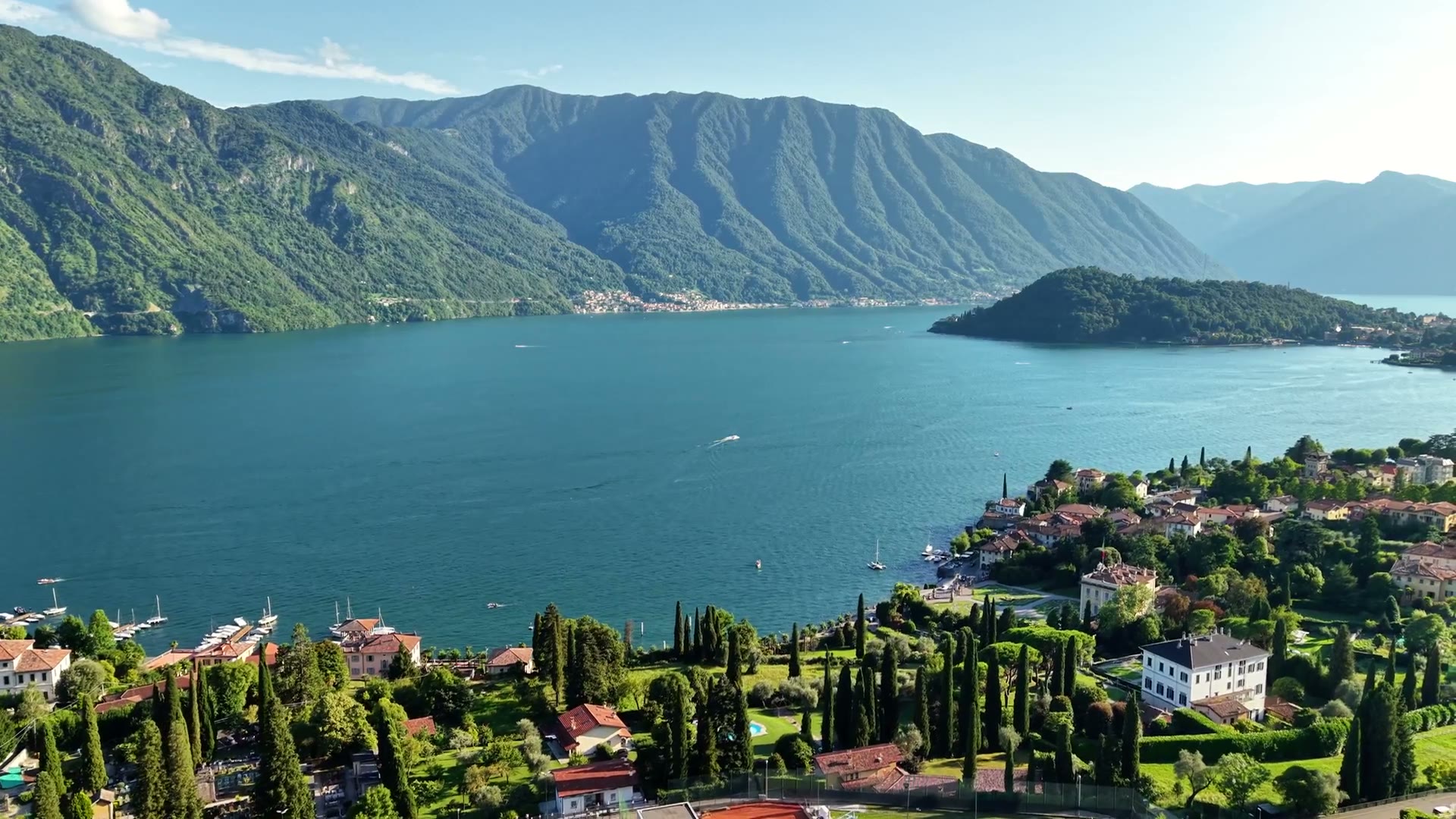
我们并非站在市场之外对其发表评论。Victaura在Lake Como开发项目,读者应当假定相关评论可能受到这些项目的影响。
Victaura Research
9. 披露、方法论与资料来源
本收官部分说明本文件发布所依据的披露框架、支撑其结论的方法论选择、作者未能填补而选择明言、不予掩饰的空白,以及可用来核对任何单项论断的资料来源清单。本部分以长篇形式撰写,而非作为脚注,因为本文件的可信度正取决于此。
反洗钱与制裁框架。 Greystone B.V. 致力于遵守适用的反洗钱和反恐融资法律,包括荷兰《防止洗钱和恐怖主义融资法》(Wet ter voorkoming van witwassen en financieren van terrorisme,Wwft)和欧盟反洗钱指令,以及其经营所在各司法辖区的同等义务;在意大利,反洗钱法规为 D.Lgs. 231/2007。潜在投资者须接受身份核验、资金来源和财富来源评估;如属政治公众人物,还须接受强化尽职调查;并须接受制裁名单筛查,所涉名单包括欧盟限制性措施综合名单(截至2026年9月已通过21轮制裁方案,第21轮于2026年7月23日通过),以及由联合国、英国财政部(HM Treasury)和 OFAC 管理的名单。任何投资者关系均以上述核查顺利完成为前提。
CRS 与 DAC8 的可见性。 第24-bis条是针对境外来源收入的替代税选择权。它并不使选择该制度者免于境外账户持有司法辖区依据经合组织共同申报准则(OECD Common Reporting Standard)进行的金融账户信息自动交换,也不免于欧盟指令 2023/2226(DAC8)自2026年1月1日起生效的扩展范围,该指令将自动交换延伸至加密资产余额,并加强对受益居民身份的识别。选择者应预期,其意大利税务居民身份及位于意大利的资产基础,将通过信息自动交换而为其此前的税务居民所在地税务机关所知悉。
9.1 披露
Victaura 与 Greystone B.V. 的持仓。 Victaura 是 Greystone B.V. 的运营品牌,后者是一家总部位于荷兰的控股公司。通过 Greystone B.V.,Victaura 在科莫湖、桑给巴尔的 Nungwi、Gili Air 以及巴厘岛的 Uluwatu 开发项目,并在哈伊马角(Ras Al Khaimah)的 Al Marjan Island 持有一项期房(off-plan)资本头寸。在科莫湖,相关项目包括§8中介绍的位于 Pognana Lario 的 Modern Villa on Lake Community 之外的 Modern Villa on Lake Como,以及 Two Villas on Lake Como。本披露载于封面,在§5和§6.1的开头及案例研究中重申,并在§9末尾完整列出。若读者不愿阅读由在所分析市场中持有头寸的主体撰写的市场分析,应据此调整对本文件的权重。作者认为,另一种选择,即由毫无切身利害的各方撰写的市场分析,同样带有其自身有充分记录的偏差。
营销沟通与披露。 本文件不构成意大利《金融统一法》(Testo Unico della Finanza)第1条第5-septies款(D.Lgs. 58/1998)意义上的投资建议,也不构成任何同等框架下的个人推荐。本文件不是证券发行,亦不面向零售投资者。对于美国人士,本文件不构成《1933年证券法》第5条所指的证券要约,亦不面向非合格投资者;日后参与任何投资工具,均须遵守 Regulation D 或 Regulation S 的限制,并须完成合格投资者核验。对于英国人士,本文件仅面向依据 FSMA s. 21 / PERG 8 豁免规定的经认证高净值个人或成熟投资者。任何内容均不构成税务、法律或遗产规划建议;读者须在其居住地司法辖区另行征询独立专业意见。有关意大利税收制度的陈述反映截至2026年5月的现行法律,并可能变更。
9.2 方法论
一手资料优先。 本文件以一手资料为主干:24-bis 数据取自意大利众议院(Camera dei deputati)预算服务处所引述的 MEF《2026年预算法案技术报告》(Relazione tecnica);制度机制取自意大利税务局(Agenzia delle Entrate);法律条文取自 Gazzetta Ufficiale 和 Normattiva;宏观金融参考取自意大利银行(Banca d'Italia);财政走势取自国际货币基金组织第四条磋商报告;欧盟对意大利预算路径的看法取自欧盟委员会春季预测;英国非定居者制度的对照取自预算责任办公室(Office for Budget Responsibility)和 HMRC;人口与地域参考取自 ISTAT。研究机构、经纪商报告和行业媒体等二手资料用于交叉印证,而非作为锚点。
三角验证规则。 每个数字均在行文中或§9.3中注明来源;若某一数字仅依据单一二手资料,则点明该来源,而 Victaura Research 的假设均标明为假设。Knight Frank Wealth Report 2026 的 PIRI 100 对科莫湖2025年 +6.5% 的读数即属此类单一来源论断。它被如实报告,并受§7.2所述评估平滑(appraisal-smoothing)注意事项的限定,不被用作任何头寸回报的点估计。2026年1月报道的 Villa La Cassinella 交易,价格超过 €90M,被报告为交易已宣布,最终手续待完成(Virgilio,2026年1月14日);截至2026年9月,未能找到完成交割的公开确认,该交易有多家意大利媒体报道,但未经 Conservatoria 核实。本文不给出居住于科莫湖的 24-bis 选择者人数的估计,因为不存在公开的登记册分项数据。
不把 Henley 当作事实的规则。 本文件不把 Henley & Partners 的 Private Wealth Migration Report 数据当作实测事实。Tax Policy Associates 的 Dan Neidle 于2025年7月发表的法务式批评指出该数据集存在 1/240,000 的统计异常;Henley 于2025年8月宣布对 New World Wealth 的方法论进行独立审计和复核,此后 Henley 弃用 New World Wealth,并发布了不含移民数据的2026年报告(Tax Policy Associates,2026年6月16日更新)。这两点都是将该报告仅视为方向性参考的关键依据。关于英国,本文件引用 HMRC 和 OBR 的数据,并不以 Henley 报告替代这些数据。
累退性之争仍未定论。 本文件既不认同也不否定学界对跨境高净值个人优惠税制的批评。批评者认为,面向国际流动富裕个人的优惠定额税未能通过纵向公平检验;在 Victaura Research 看来,这一批评言之成理。本文件记录这一论点,然后继续前行。它不假装此事已有定论。
作者未做之事。 未对文中所列交易调取 Conservatoria visure(登记查册)。未在分区层面直接抓取 OMI 数据。未打开 ARPA Lombardia 关于科莫湖2022、2023、2024和2025年度报告的完整 PDF:气候方面的结论,是依据可核实的 cronaca(地方新闻报道)和关于阿尔卑斯山麓湖泊的同行评议代理指标文献,重建带有日期的事件。SABAP CO-LC 的名称及现任 Soprintendente 的身份取自官方机构网站,应在发布时再次核实。这些空白均未被掩盖。每一处都是未来修订版将强于本版的地方。
| 税项层级 | 税率 | 时点 | 备注 |
|---|---|---|---|
| Imposta di registro,第二套住房或 A/1/A/8/A/9 类 | 9%(最低 €1,000) | 向个人卖方购买 | 符合条件时可通过 prezzo-valore 机制降低 |
| IVA,开发商卖方,豪宅地籍类别 | A/1/A/8/A/9 类为 22%(其他为 10%) | 向开发商购买 | Registro、ipotecaria、catastale 各为固定 €200 |
| IMU,科莫 A/8/A/9 类上限档 | 最高约 1.06% | 每年 | 由 Comune 在国家规定区间内确定 |
| Plusvalenza | 26% sostitutiva 或普通 IRPEF,仅在 5 年内出售时适用 | 5 年内转售 | 5 年后完全不计入个人所得税范围;mortis causa 转移不征税 |
| Imposta di successione,直系亲属 | 每位继承人超过 €1M franchigia 的部分按 4%,不动产转移另加 2% ipotecaria 和 1% catastale | 继承时 | 在 24-bis 制度下,位于意大利境内的资产仍在征税范围内;位于境外的资产在 15 年期间内被排除 |
9.3 资料来源
24-bis 政策与法规。 DL 113/2024 conv. L. 143/2024(在 2024 年 8 月 10 日即该法令生效之日之后转移居所者,定额税由 €100k 提高至 €200k);Legge 199/2025,Bilancio 2026,GU 2025 年 12 月 30 日(自 2026 年 1 月 1 日起由 €200k 提高至 €300k,附明示的保障条款);DL 27 March 2026 n. 38, conv. L. 22 May 2026 n. 88, GU n. 117 of 22 May 2026(禁止 impatriati(D.Lgs. 209/2023 第 5 条)与 neo-residenti(TUIR 第 24-bis 条)两项制度并用,自 2027 年起生效);Agenzia delle Entrate 说明页 Opzione per i Neo-Residenti;随 Legge 199/2025 附送的 MEF Relazione tecnica;Camera dei deputati, Servizio Bilancio, Verifica delle quantificazioni n. 414,针对 Bilancio 2026 法案的 Relazione tecnica。
Codice Urbani 与景观保护制度。 D.Lgs. 42/2004(Codice dei Beni Culturali e del Paesaggio),尤其是 art. 142 c.1 lett. b(湖岸 300 米范围,ope legis)、art. 146(autorizzazione paesaggistica 程序,第 5 款规定 Soprintendente 的意见具有约束力)、art. 167 c.4(对保护区内未经许可的工程的处罚),经 normattiva.it 查阅;DPR 31/2017(简化程序,Allegati A 和 B);DPR 380/2001,art. 3 c.1 lett. d(ristrutturazione edilizia,包括拆除重建;art. 142 所涉区域不受 sagoma 与体积限制);DL 69/2024 conv. L. 105/2024(Salva Casa);Cassazione n. 2932/2026(保护区内新增体积不得事后补办景观许可);Cons. Stato Sez. II n. 2395/2026(保护区内的轻型农用围栏既无需 building permit,也无需 autorizzazione paesaggistica);Cons. Stato nn. 2640/2021 和 2487/2023(Soprintendenza 逾期出具的意见不具约束力);Cons. Stato Ad. Plen. n. 8 of 10 July 2025(涉及 art. 142 c.1 lett. c,即 150 米河岸范围,可作类比推理)。
大区与省级景观框架。 DCR Lombardia n. 951/2010(PPR Lombardia,现行有效);DGR Lombardia n. 4041 of 10 March 2025(与 MIC 和 MASE 签订的 Protocollo d'Intesa,用于 PPR 的 adeguamento);SABAP CO-LC 官方网站,sabapcolc.cultura.gov.it。
顶级房地产数据。 Knight Frank Wealth Report 2026,PIRI 100(科莫湖 2025 年 +6.5%),knightfrank.com;Knight Frank Wealth Report 2025(科莫湖 2024 年 +1.8%,排名第 58);Engel & Völkers Italia Market Report 2025,转引自 La Provincia di Como,2025 年 3 月 20 日;OMI Agenzia delle Entrate,用于区域参照。
英国 non-dom 对照。 HMRC, Statistics on non-domiciled taxpayers in the UK,2026 年 7 月 30 日更新,gov.uk;Office for Budget Responsibility, Non-doms supplementary release,2025 年 1 月 30 日,obr.uk;Tax Justice Network 持续评论;Tax Policy Associates (Dan Neidle),Henley audit of 27 July 2025,taxpolicy.org.uk。
欧盟与国际压力。 Bayrou 于 2025 年 8 月 31 日关于 dumping fiscal 的表态,报道见 Il Sole 24 Ore,2025 年 8 月 31 日(含 Palazzo Chigi 的回应),以及 Euronews,2025 年 9 月 1 日;EU Code of Conduct on business taxation,经理事会于 2022 年 11 月 8 日修订(eucrim);EU Tax Observatory, Gabriel Zucman,针对超高净值人士协调最低有效税率标准的 blueprint,G20 Rio communique 2024 年 7 月和 11 月,taxobservatory.eu;欧洲议会关于税收碎片化的报告 A10-0155/2025。
宏观与评级。 International Monetary Fund Article IV consultation Italy,2025 年 7 月;European Commission Spring 2026 Economic Forecast,Italy country page;Moody's 于 2025 年 11 月 21 日上调至 Baa2;S&P 于 2025 年 4 月 11 日上调至 BBB+;Fitch 于 2025 年 9 月 19 日上调至 BBB+;Morningstar DBRS 于 2025 年 10 月 17 日上调至 A (low);ISTAT 2025 年赤字占 GDP 的 3.1%。
气候风险敞口。 ARPA Lombardia,pagine laghi 与 Indice IPAM stazione Dervio;Consorzio dell'Adda,diga di Olginate 调度登记册;Regione Lombardia, SIRACC, DGR 5383 of 24 November 2025(Lecco Notizie 于 2026 年 4 月 9 日统计为 87 项措施);Legambiente, Osservatorio Città Clima 2024 和 2025;IPCC AR6 SROCC;Desgué-Itier et al., Hydrology and Earth System Sciences 27:837 (2023),关于阿尔卑斯山麓湖泊变暖;Fuso et al., Climate 9:8 (2021),关于冰冻圈驱动的流域水文;CIPEL,以莱芒湖作为区域参照。
评估平滑、具名交易与市场评论。 Geltner D., MacGregor B. and Schwann G., Appraisal Smoothing and Price Discovery in Real Estate Markets,框架概述见 Urban Studies 40, 5-6 (2003);Anderson R. and Reeb D., Founding-Family Ownership and Firm Performance, Journal of Finance 58(3), 1301-1328 (2003),用于家族持有复利效应的类比。Bloomberg 对 Borromeo 家族马焦雷湖挂牌的报道,2025 年 11 月;CNBC 对意大利 flat-tax 超级富豪热潮的报道,2025 年 9 月;La Provincia di Como 对 Villa La Cassinella 历史的一手报道;多家意大利媒体对 Villa La Cassinella 于 2026 年 1 月公布、金额超过 €90M、交割尚待完成的报道。本研究报告在编写过程中,所引用的任何交易均未通过 Conservatoria visure 独立核实;全部均为媒体报道,并已如此标注。
利益关联披露。Victaura通过其母公司Greystone B.V.(荷兰)在科莫湖(意大利)、桑给巴尔的Nungwi(坦桑尼亚)、吉利艾尔岛与巴厘岛乌鲁瓦图(印度尼西亚)开发项目,并在哈伊马角的Al Marjan Island(阿联酋)持有期房(off-plan)资本头寸。读者应当假定,本文评论可能受到上述各项头寸的影响,或可能使其受益。本文件根据MiFID II第24(3)条被归类为营销材料,不构成投资建议。
更正说明,2026年9月27日
文章原先的表述与现在的表述。 已发布版本称,MEF数据显示2022年新增第24-bis条选择适用者957人,截至2022年底累计选择适用者3,635人,2022年收入为8,975万欧元,2017年至2019年新增选择适用者分别为94人、226人和363人;该次复核未能为这些数字找到已发布的来源;不过,在Assonime一项基于Agenzia delle Entrate缴款数据的研究中,94、226和363是2017年、2018年和2019年的受益人总数,而非新增选择适用者(Towards Italy,第7/2026号)。文章现按Camera dei deputati预算服务所引述的2026年预算法案《Relazione tecnica》表述:2021年至2023年每年增长约270人,在税额为30万欧元的情形下假定降至每年130人。文章曾称日内瓦于2012年经全民公决废除了forfait fiscal(定额税制);实际上日内瓦保留了该制度,选民于2014年11月30日予以确认(ge.ch)。文章曾引述Consiglio di Stato第2395/2026号判决,称其将景观许可要求扩展至围栏;该判决出自第二庭,认定轻型农用围栏既不需要建筑许可,也不需要景观许可。文章曾引述TAR Lombardia第2353/2024号判决,涉及Soprintendenza逾期出具意见的问题;该判决涉及的是另一事项,相关原则现改引Consiglio di Stato第2640/2021号和第2487/2023号判决。文章曾称,依据DPR 380/2001进行的忠实重建在湖滨地带必须保持形状、占地面积和体积;法律规定仅依第142条受保护的建筑不受上述限制,文章还称300米地带无一例外地涵盖湖岸,而第142条第2款排除了截至1985年9月6日的A区和B区。文章曾将Engel & Völkers的60%外国买家需求占比作为2025年数据;该数据实指2024年(La Provincia di Como,2025年3月20日),此前归于具名经纪机构的买家国籍区间、核心价格带、场外交易占比和退出时间,现已标注为Victaura Research假设。文章曾依据ISTAT称该湖面积为146 km²、长47 km、深414 m;Treccani给出的数据约为145 km²、46 km和410 m。文章曾称Villa Pizzo自1895年起由Volpi-Bassani家族持有;Fortunato Bassani于1871年购得该别墅(villapizzo.com),Villa Erba于1986年出售给一家società partecipata(villaerba.it),且Villa Erba曾被错误地置于Tremezzina。文章曾将Villa d'Este收购酒店的时间定为2024年末;实际发生于2024年2月至2025年4月之间(Il Sole 24 Ore)。文章曾称2004年Villa La Cassinella成交价为1,750万欧元,2026年买家为一个瑞士酒店家族;媒体报道价格略高于1,700万欧元,买家为居住在St Moritz的俄裔企业家(Virgilio,2026年1月14日)。文章曾称Microcystis(微囊藻)水华出现于2022年,Piazza Cavour的挡水设施于2024年5月首次自动启动;来源所支持的是2023年8月的水华,以及2024年10月10日Piazza Cavour在设有挡水设施的情况下仍被淹。文章曾称意大利2025年赤字占GDP的3.0%、早于欧盟时间表,Moody's于2025年11月20日上调评级;ISTAT报告为3.1%,意大利仍处于过度赤字程序之中,Moody's的行动发生于2025年11月21日。文章曾称欧盟对俄制裁共14轮;截至2026年5月已通过20轮。文章曾称英国非居民印花税附加税为17%;实为2%(GOV.UK),OBR所称339亿英镑的收入为2026-27至2029-30年度的净额。文章曾称L. 34/2026将7%养老金者制度延长至十年,且impatriati制度可延长3加2年;L. 34/2026将人口上限提高至30,000,impatriati制度为期五年,不可延长。文章曾将Bayrou的言论定在2025年9月1日,并称其点名了意大利的具体制度;他的讲话发生于2025年8月31日,且未点名(Euronews)。一段由Victaura Research撰写的引语曾被归于Knight Frank,现已改为归于Victaura Research。
同日进行的又一轮复核对上述部分更正作了细化,并修正了其他几处。 文章曾称日内瓦选民于2014年2月9日确认了forfait fiscal,并给出2026年州级最低额为426,357瑞士法郎;该次投票实际于2014年11月30日举行,日内瓦否决了州级废除倡议IN 149(68.41%反对)和联邦倡议(68.28%反对)(ge.ch),而该最低额未经官方来源确认,现已删除。文章曾称欧盟已通过20轮制裁;第21轮已于2026年7月23日通过(European Commission)。文章曾称Villa Erba SpA由Comune di Como、Comune di Cernobbio、Provincia和Camera di Commercio持有;villaerba.it仅称Visconti继承人于1986年将其出售给一家società partecipata。文章曾将Kaleon上市时间定在2025年11月;股票于11月27日定价,2025年12月1日开始交易(Euronext)。文章曾称Lake Como的表现高于所有传统核心可比市场,仅Florence除外;在PIRI 2025中,Méribel(+9.0%)和Courchevel 1850(+6.9%)的表现也更高(Knight Frank,The Wealth Report 2026)。文章曾称约83,000名non-dom中有42,900人申请了汇入制(remittance basis);42,900人是英国居住的60,800名non-domiciled纳税人中的人数(HMRC),FIG的时序安排现已反映十年非居民条件(GOV.UK)。文章曾将142,000这一数字归于Tax Policy Associates的批评;它是Henley自己的2025年预测,文字现已记录Henley于2026年6月停止使用New World Wealth。文章曾将Il Sole 24 Ore对Bayrou的报道定在2025年9月1日;实为2025年8月31日。文章曾称Piazza Cavour的挡水设施已投入运行;其移交Comune di Como的手续在2026年7月仍在办理之中(Espansione TV),87项SIRACC措施现归于Lecco Notizie。文章曾称Como至Milano Centrale最快行程为40至45分钟;实为约40分钟(Trainline)。DPR 31/2017附件类别数量中未经确认的部分已删除,此前未注明来源而归于具名经纪机构和Como中介机构的表述,现已标注为Victaura Research的解读。
同日的第三轮复核又修正了若干处。 文章曾将Pognana Lario置于Lake Como西岸;它位于Como分支的东岸,处于Faggeto Lario与Nesso之间(Lake Como Explorer)。文章曾将autorizzazione paesaggistica的通常法定时限定为120天,或105至120天;D.Lgs. 42/2004第146条规定,卷宗移送为40天,Soprintendenza出具意见为45天,作出决定为20天,合计约105天(normattiva.it)。文章曾将Piazza Cavour被淹(湖水位121 cm)定在2024年10月11日;Il Giorno报道称,湖水于2024年10月10日傍晚时分超过洪水水位。文章曾称Piazza Cavour的挡水设施于2026年1月进行了测试;Espansione TV于2026年7月10日的报道未提及此类测试,仅称移交Comune di Como的手续仍在办理。文章曾称Legambiente记录了2025年Lombardy的50起极端气象事件;Città Clima 2025报告统计的是50起极端天气影响案例,多于Sicily(44起)和Tuscany(41起)。文章曾引用行业媒体所称1,631名在册第24-bis条纳税人的数字,并据此推算居住在Lake Como的选择适用者为200至300人;未能找到该数字的公开来源,两个数字均已删除。文章曾将HMRC所称83,100名non-domiciled和deemed-domiciled纳税人作为当前数据;HMRC于2026年7月发布的数据显示,截至2025年的年度至少为81,900人(GOV.UK)。文章曾称Forbes Global Properties于2024年10月通过Majeli Vassart进入意大利湖区;公告指定Majeli Vassart Properties在Lombardy代表该品牌,涵盖Milan和北部湖区(RISMedia,2024年10月24日)。文章曾列出Knight Frank在Milan的Private Office;The Wealth Report 2026将Private Office设于London、Dubai、Singapore、Mumbai、Sydney和Hong Kong,文字现改为提及Knight Frank的Italian Desk。文章曾暗示,在可比组合之外,仅Florence、Méribel和Courchevel 1850的表现高于Lake Como;2025年有十八个PIRI 100市场的表现更高(Knight Frank,The Wealth Report 2026)。文章曾称Villa La Cassinella的出售预计于2026年上半年完成;截至2026年9月,未找到完成交割的公开确认。文章曾将24-bis的数字归于MEF统计序列;它们出自2026年预算法案的Relazione tecnica,由Camera dei deputati预算服务引述。Villa Pizzo的家族姓氏现拼作Mugiasca,与villapizzo.com一致。
同日的第四轮复核又修正了若干处。 文章曾将第24-bis条替代税提高至200,000欧元的时间定为2024年8月11日起;该税额适用于在 DL 113/2024 于2024年8月10日生效之后迁移居所的人(Camera dei deputati,Verifica delle quantificazioni n. 414)。文章曾称欧盟制裁实际上已关闭Lake Como的俄罗斯买家渠道;没有来源支持这一说法,而2026年1月Villa La Cassinella的买家被报道为居住在St Moritz的俄裔企业家(Virgilio,2026年1月14日),因此文字现改为制裁收窄了这一渠道,其余部分作为Victaura Research的解读给出。文章曾称欧洲核心市场周期在2022年见顶;Knight Frank的欧洲序列在2021年最高,2024年为2.6%,2025年为3.3%(The Wealth Report 2026)。文章曾仅将主要买家国籍作为假设给出;La Provincia di Como于2025年3月20日引述的Engel & Völkers报告点名了美国、德国和北欧。文章曾称截至2026年5月没有针对24-bis的侵权程序;文字现改为截至2026年9月未发现此类程序。成交宗数、3%至8%的未平滑增长区间、标志性资产的转售频率,以及机构资本向意大利湖区汇聚的解读,现已标注为Victaura Research的假设或解读,300米地带现附带第142条第2款对城市A区和B区的排除予以描述。
同日的第五轮复核又修正了若干处。 文章曾称第24-bis条100,000欧元的税额适用至2024年8月10日,200,000欧元的税额自2024年8月11日起适用;200,000欧元的税额适用于在 DL 113/2024 于2024年8月10日生效之后迁移居所的人(Camera dei deputati,Verifica delle quantificazioni n. 414)。文章曾称Salva Casa改革未触及景观制度,且Codice第167条第4款排除对新增体积进行任何事后合规化;Salva Casa引入的DPR 380/2001第36-bis条,允许对与许可部分不符的工程进行事后景观相容性审查,即便这些工程产生了新的面积或体积(normattiva.it),而Council of State第2395/2026号判决现被描述为认定免许可工程清单仅为示例性。文章曾称第24-bis条本身固定了加入时有效的替代税额;该效果来自DL 113/2024和Legge 199/2025的起始日条款。文章曾将Tax Policy Associates的发现描述为Henley迁移数据中的异常;它涉及的是New World Wealth亿万富翁(centimillionaire)人数的末位数字(Tax Policy Associates,2025年7月27日)。文章曾将约59名家庭成员作为每年130名新增选择适用者之外的增量;Relazione tecnica按2023税年数据统计的是受较高附加税影响的59名家庭成员。文章曾称,日常维护以外的任何工程均需许可,且60天简化程序涵盖附件A的工程;第146条适用于第149条所豁免的维护、结构加固和保护性修复之外的情形,附件A的工程无需许可,简化程序涵盖附件B。文章曾在无来源的情况下称,2017年之后的国际群体大多通过第24-bis条进入意大利;这一点现作为Victaura Research的解读给出。Lombardy景观规划的状态现标注为截至2026年9月,Menaggio和Varenna现被置于湖区中部。
同日的第六轮复核又修正了若干处。 关于Codice Urbani的一节曾称,Salva Casa改革未触及景观制度,对Lake Como湖岸筛选没有实际效力;Salva Casa引入的DPR 380/2001新第36-bis条,允许对与许可部分不符的工程进行事后景观相容性审查,即便这些工程产生了新的面积或体积(normattiva.it),文字现已如此表述,包括关于第167条第4款的段落。该节以及关于Soprintendenza实践一节中Lombardy景观规划的状态,现标注为截至2026年9月。需求画像一节曾称欧盟制裁实际上已关闭俄罗斯买家渠道;2026年1月Villa La Cassinella的买家被报道为居住在St Moritz的俄裔企业家(Virgilio,2026年1月14日),因此文字现改为制裁收窄了该渠道。该节还曾将以下内容作为事实陈述:第24-bis条带来了来自英国、德国、瑞士和美国的持续流入,英国废除non-dom制度使买家向意大利倾斜,意大利份额二十年来保持稳定,交易通过具名的SPV路径和具名律师事务所进行;未能找到这些说法的来源,当时已标注为Victaura Research的解读,律师事务所不再点名,文字引用Relazione tecnica中2021年至2023年每年约270名新进入该制度者的数字(Camera dei deputati,Verifica delle quantificazioni n. 414)。文章曾称300,000欧元的税额使门槛再翻一番;它是从200,000欧元提高而来,后者适用于在 DL 113/2024 于2024年8月10日生效之后迁移居所的人。文章曾将Villa La Cassinella的报道描述为经纪人证实且获媒体确认;Virgilio转述了La Provincia的报道,并将超过9,000万欧元的价格作为估计值给出。分区表曾将Bellagio核心湖滨价格列为12,000以上、Laglio每平方米4,000起,这与文章自身假设的5,000至12,000和5,000至10,000的区间相矛盾,各区域的外国买家占比现已标注为无公开来源的假设。
同日的第七轮复核又修正了若干处。 文章曾称Villa Pizzo于1842年从Mugiasca家族转到奥地利Rainer大公名下,并称Pietro Volpi创立了Volpi-Bassani一系;该别墅自身的历史记载,Mugiasca家族最后一位继承人于1842年将其遗赠给Ospedale Sant'Anna,医院将其出售给Rainer大公,而于1871年购得该别墅的Fortunato Bassani又将其留给女婿Pietro Volpi(villapizzo.com)。PIRI 100表曾列有“Geneva (Cologny sub-market)”一项;Knight Frank的指数列出的是Geneva,排名第32,涨幅+4.7%(The Wealth Report 2026),而Cologny约占Lake Geneva 1,250万美元以上成交的75%这一数字现已标明为近似值。标志性湖滨存量每年2%至5%的周转率及其与St Moritz的一致性,曾作为结论陈述;没有已发布的序列支持这些说法,现已标注为Victaura Research假设。
同日的第八轮复核又修正了若干处。 案例研究曾称Salva Casa改革(DL 69/2024,经L. 105/2024转化)未触及景观制度;DPR 380/2001的新第36-bis条允许对与许可部分不符的工程进行事后景观相容性审查(normattiva.it),文字现已如此表述。风险一节曾称,截至2026年5月,European Commission未启动针对第24-bis条的侵权程序,且Council的一致同意在结构上无法实现;文字现改为截至2026年9月未发现此类程序,并将一致同意一点作为Victaura Research假设给出。文章曾称Knight Frank通过Italian Desk开展工作;未找到Knight Frank对此的来源,文字现引用Knight Frank自己的说法,即其已在包括Lake Como在内的意大利主要目的地设点(Knight Frank,2025年10月15日)。文章曾描述一个以Salis为核心的中间派替代方案;Silvia Salis于2025年5月当选Genoa市长,作为广泛中左联盟的候选人(Sky TG24,2025年5月26日),文字和情景表现改为描述一种campo largo变体。文章曾称在300米地带内不能通过绿地开发扩大存量;Codice要求取得景观许可并附带具有约束力的Soprintendenza意见,而非加以禁止,且第142条第2款排除了A区和B区。95%的文物占比、18至36个月的退出窗口、周期性成分的相对规模以及结构性成分的近期稳定性,曾作为结论陈述;现已标注为Victaura Research的估计,一项关于三十年趋势的无来源说法已删除。案例研究中Lombardy景观规划的状态现标注为截至2026年9月。
同日的第九轮复核又修正了若干处。 来源列表曾将第24-bis条替代税提高至200,000欧元的时间定为2024年8月11日起;DL 113/2024于2024年8月10日生效,新税额适用于该日之后的居所迁移(normattiva.it)。文章曾引用欧盟商业税务行为守则小组(Code of Conduct Group on Business Taxation)2024年的续期授权;Council于2022年11月8日修订了该行为守则,这是自1997年以来的首次修订(eucrim)。文章曾称D.Lgs. 231/2007转化了第四、第五和第六项反洗钱指令;第六项,即Directive 2018/1673,由D.Lgs. 195/2021转化,文字现仅将D.Lgs. 231/2007称为意大利的反洗钱法律。文章曾将“定额制度无论如何都无法通过纵向公平检验”的观点归于在lavoce.info撰文的Bocconi和IGIER经济学家;未能找到这一归属的来源,该批评现不再点名作者,其分量标注为Victaura Research的解读。来源列表中包含的Il Sole 24 Ore关于Villa Matilda退出的报道、ChamberlainWalker和CEBR关于英国人士离境的说明,以及Immobiliare.it市镇级价格序列,在正文中均未使用,也无法核实,现已删除,Engel & Völkers报告现按La Provincia di Como于2025年3月20日的引述方式标注。所述具名交易现被描述为经媒体报道,而非经媒体确认。
同日的第十轮复核又修正了若干处。 导语曾将Lake Como已在结构上退出意大利核心市场周期,以及其约束使边际买家向非居民倾斜,作为事实陈述;现改为将退出周期作为Victaura Research对Knight Frank PIRI 100(2025年+6.5%,排名第19;The Wealth Report 2026)的解读,将家族不出售的模式标注为Victaura Research假设,并称第24-bis条筛选出的是取得意大利居留的国际流动型主要出资人。一项要点曾称双重稀缺在意大利奢侈目的地中并不常见;没有来源支持这一比较,故已删除,300米地带现被描述为排除了A区和B区。一项要点曾称该湖的气候风险正在上升;所引来源记录的是有日期的事件,而非趋势,故该词已删除。一项要点曾称2027年第24-bis条面临的政治风险是参数收紧而非废除;现作为截至2026年9月的Victaura Research假设给出,对现有选择适用者的保护则归因于DL 113/2024和Legge 199/2025的起始日条款(Camera dei deputati,Verifica delle quantificazioni n. 414)。关于筛选机制的要点现标注为Victaura Research的解读,并引用Relazione tecnica的假设,即该制度的年度增长从约270人降至约130人。
参考来源
- Knight Frank, The Wealth Report 2026, PIRI 100
- D.Lgs. 22 gennaio 2004, n. 42, Codice dei beni culturali e del paesaggio
- DPR 13 febbraio 2017, n. 31, autorizzazione paesaggistica semplificata
- DPR 6 giugno 2001, n. 380, Testo Unico Edilizia
- Consiglio di Stato, Adunanza Plenaria n. 8 del 10 luglio 2025 (art. 142 lett. c, fiumi)
- Corte di Cassazione, Sez. III penale, sentenza n. 2932/2026, udienza 14 gennaio 2026, deposito 26 gennaio 2026 (no sanatoria paesaggistica per nuovi volumi in area vincolata)
- Consiglio di Stato, Sez. II, n. 2395/2026 (recinzione agricola leggera in area vincolata)
- Regione Lombardia, PPR D.C.R. 951/2010 e DGR 4041/2025 co-pianificazione
- TUIR art. 24-bis (neo-residenti)
- DL 113/2024 (€100k → €200k), conv. L. 143/2024
- Legge 199/2025 (Legge di Bilancio 2026, €200k → €300k)
- DL 27 marzo 2026, n. 38, conv. L. 22 maggio 2026, n. 88 (GU n. 117 del 22 maggio 2026), divieto di cumulo 24-bis e impatriati dal 2027
- MEF, Relazione tecnica Legge di Bilancio 2026 (proiezione gettito 24-bis)
- D.Lgs. 18 settembre 2024, n. 139 (riforma imposta successioni e donazioni)
- HMRC, Statistics on non-domiciled taxpayers in the UK(2026 年 7 月 30 日更新)
- OBR, Non-doms supplementary release(2025 年 1 月 30 日)
- ARPA Lombardia, Indice IPAM stazione Dervio + monitoraggio cianobatteri
- Regione Lombardia, Strategia Regionale di Adattamento ai Cambiamenti Climatici (SIRACC), DGR 5383 del 24 novembre 2025
- Legambiente, Osservatorio Città Clima, bilancio 2025
- Engel & Völkers Italia, Market Report Italia 2025
- IMF Article IV Italy, July 2025
- European Commission, Spring 2026 Economic Forecast Italy
- Tax Policy Associates (Dan Neidle),对 Henley Migration Report 的分析,2025 年 7 月 27 日
- Anderson R.C., Reeb D.M., 'Founding-Family Ownership and Firm Performance', Journal of Finance 58(3):1301-1328, 2003
- Geltner, MacGregor, Schwann (2003), Urban Studies,关于薄市场中的估值平滑
- Convenzione Aja 1985 sui trust, L. 364/1989
- Bloomberg, 'Italy's Borromeo Family Lists Islands'(2025 年 11 月 30 日)
- Euronews,法意税收倾销之争(2025 年 9 月 1 日,涉及 Bayrou 于 2025 年 8 月 31 日的言论)
- Knight Frank, The Wealth Report 2026 (PDF),PIRI 100 数据库及日内瓦湖评论
- Knight Frank, The Wealth Report 2025 (PDF),PIRI 100 数据库
- Camera dei deputati, Servizio Bilancio, Verifica delle quantificazioni n. 414 (Bilancio 2026, art. 1 c. 25-26)
- La Provincia di Como,Engel & Völkers 谈科莫湖豪宅需求(2025 年 3 月 20 日)
- Treccani, Enciclopedia Italiana, Lago di Como
- Virgilio,Villa La Cassinella 出售(2026 年 1 月 14 日)
- Villa Pizzo,别墅历史
- Villa Erba SpA, chi siamo
- Il Giorno,尽管设有挡水设施,Piazza Cavour 仍被淹(2024 年 10 月)
- Icona Clima,科莫湖 50 天内水位下降 108 厘米(2022 年 7 月)
- Tax Policy Associates,Britannia card 分析,总结 OBR 对非常住居民改革的成本测算(2025 年 6 月 23 日)
- République et canton de Genève, baisse des impôts sur le revenu 2025
- European Commission,对俄罗斯第 20 轮制裁方案(2026 年 4 月 23 日)
- Sky TG24,ISTAT:2025 年赤字占 GDP 的 3.1%
- GOV.UK, Stamp Duty Land Tax residential property rates
- European Commission,对俄罗斯第 21 轮制裁方案(2026 年 7 月 23 日)
- République et canton de Genève, votation du 30 novembre 2014 (IN 149, forfaits fiscaux)
- Il Sole 24 Ore,Bayrou 就税收倾销抨击意大利,Palazzo Chigi 回应(2025 年 8 月 31 日)
- Euronext,Kaleon 在 Euronext 上市(2025 年 12 月)
- HMRC, Statistical commentary on non-domiciled taxpayers in the UK
- GOV.UK, Check if eligible for the 4-year foreign income and gains regime
- Henley & Partners, Private Wealth Migration Report 2025 新闻稿
- Espansione TV,Piazza Cavour 挡水设施移交 Comune di Como(2026 年 7 月 10 日)
- Lecco Notizie,包含 87 项措施的 SIRACC 战略(2026 年 4 月 9 日)
- Open,Brienno 和 Laglio 的泥流与落石(2025 年 9 月 24 日)
- Il Giorno,Consorzio dell'Adda 将科莫湖出湖流量降至 27 m³/s(2026 年 5 月 6 日)
- Legambiente, Città Clima, Bilancio 2025
- New York State Department of Taxation, real estate transfer tax
- SRF,格劳宾登州对外国买家的 290 套度假屋配额(2013 年 1 月 17 日)
- RISMedia,Forbes Global Properties 欢迎 Majeli Vassart Properties 加入(2024 年 10 月 24 日)
- RISMedia,Forbes Global Properties 欧洲会议在科莫湖举行(2025 年 5 月 1 日)
- Lake Como Explorer,科莫分支东岸的 Pognana Lario
- Assimpredil Ance,SIRACC 经 D.g.r. n. 5383 of 24 November 2025 批准
- Buildington,Beauchamp Estates 关于 Belgravia 1500 万英镑以上交易的数据,2024 年对比 2023 年
- NYC Department of Finance, Real Property Transfer Tax rates
- Spear's,Henley 百万富翁迁移报告将接受独立审查(2025 年 8 月 19 日)
- Swissinfo (Bloomberg),Italy's Borromeo Family Lists Islands to Rival Lake Como(2025 年 11 月 30 日)
- DPR 380/2001, art. 36-bis (accertamento di conformità nelle parziali difformità, introdotto dal DL 69/2024)
- D.Lgs. 42/2004, art. 149 (interventi non soggetti ad autorizzazione)
- Regione Lombardia, Piano Paesaggistico Regionale(PPR 2010,在共同规划完成前继续有效)
- LavoriPubblici,Cassazione n. 2932 of 26 January 2026:受保护区域内的新增体量
- Fiscomania,Law 34/2026 将 7% 退休人员税制的人口上限提高至 30,000 居民
- 瑞士联邦委员会,关于收紧 Lex Koller 的咨询程序(2026 年 4 月 15 日)
- Pambianco Hotellerie,Villa d'Este 在 Harry's Bar 和 Hotel Miralago 之后收购 Regina Olga(2025 年 4 月 28 日)
- FAI, Villa del Balbianello
- Accessibilità Centri Storici,Bellagio ZTL 时间段
- laRegione,科莫湖第一湖盆的微囊藻水华,Università dell'Insubria 与 ATS Insubria(2023 年 8 月 25 日)
- Sky TG24,Silvia Salis 当选热那亚市长,代表中左翼(2025 年 5 月 26 日)
- Knight Frank,在米兰新设首选代理机构,并在包括科莫湖在内的意大利布局(2025 年 10 月 15 日)
- FiscoOggi,Legge 199/2025 第 1 条第 25 款将 neo-residenti 替代税提高至 €300,000
- Il Sole 24 Ore,Moody's 将意大利评级上调至 Baa2(2025 年 11 月 21 日)
- eucrim,理事会就修订后的企业税收行为准则达成一致(2022 年 11 月 8 日)
- European Parliament,报告 A10-0155/2025:欧洲竞争力中的简明税收规则与税制碎片化
- IMF,执行董事会结束对意大利的 2025 年 Article IV 磋商(2025 年 7 月 21 日)
- Assonime,Towards Italy. L'Italia e l'attrazione di HNWI, manager e talenti,第7/2026号(PDF副本见 sipotra.it)
本网站所载信息仅供参考,不构成任何要约、投资邀请或财务建议。所示回报为预估值,不予保证;过往业绩不代表未来表现。投资本金存在风险。
您是否正考虑在我们所运营的地区配置豪华房地产资产?欢迎与我们联系,了解我们当前及即将推出的项目。
联系 Victaura →相关洞察

市场观点
瑞士资本与科莫湖:瑞郎汇率解读
瑞士资本流向科莫湖,是以 EUR/CHF 汇率为定价基准的:该汇率在 2026 年 9 月 25 日为 0.9445,高于 3 月 9 日的低点 0.9008,较 2019 年平均值 1.1124 低约 15%。本文将这一走势与瑞银(UBS)对苏黎世和日内瓦的泡沫风险评分、Knight Frank 针对科莫的独立数据,以及允许瑞士国民在当地购房的对等原则放在一起解读,但不预测瑞士法郎的后续走向。

市场观点
Lake Como Buyers: Reading the Shares
Engel & Völkers cites about 40% and 60% foreign buyers on Lake Como. Gate-away logs enquiries, not deals, and German requests fell 13.6% in 2025. Transactions, enquiries and listings are three instruments. The allocator should read each for what it counts, and should not average them into one share.

市场观点
Lake Como vs Lugano: One Border, Two Regimes
Which gate a foreign principal passes depends on which side of the border the parcel sits. In Switzerland, a buyer domiciled abroad needs an authorisation under the Lex Koller or the deed is void, and a separate rule caps second homes at 20 percent per commune. In Italy, EU citizens buy freely and non-EU citizens pass a reciprocity test. This note maps the gates and does not rank the lakes.