
市场观点
永利重置后的拉斯海马RAK:预测重读
2026年8月4日,Wynn Resorts 确认,作为拉斯海马豪华市场旗舰的 Wynn Al Marjan Island 将于2027年9月开业,较原计划推迟约六个月,预算上调至约57亿美元,其中约3亿美元被其首席执行官归因于美伊冲突。本系列第4卷身处战事之中,预测的是一次幅度有限的延期,而非足以终结项目的冲击。本文对照 Wynn 的披露,重新审视这一预测。截至2026年9月27日,6月的停火已于7月8日破裂,目前没有任何停火协议生效。
 插图
插图要点
- - Wynn Resorts确认Wynn Al Marjan Island将于2027年9月开业(2026年第二季度财报电话会,2026年8月4日),较2027年第一季度的目标延后约六个月,处于第4卷在5月所预期的2027年下半年区间之内。
- - 预算由约51亿美元升至57亿美元(增加6亿美元)。首席执行官Craig Billings将其中约一半,即约3亿美元,直接归因于美伊战争:海运战争风险保险、材料改道运输以及资本化利息。
- - 约3亿美元是首批把单一资产的美伊风险敞口明确标价的企业数字之一,并且是资本化的、永久计入成本基础的增加,而非可回收的成本(TechTimes,2026年8月5日,引述2026年第二季度财报电话会)。
- - 持久的停火将从5月的投资测算中去除三项因素,即远期尾部地缘政治溢价、剩余工程的战争风险保险负担,以及没有期限的工期不确定性。截至2026年9月27日,只有第三项已经消除,靠的是Wynn给出的2027年9月这一日期(2026年8月4日),而不是停火(Al Jazeera,2026年9月23日)。
- - 它并不能消除那些结构性提示:RAK与迪拜的五项传导因素相关性、对单一度假村这一单一催化因素的依赖、以新加坡而非澳门为基准情景(URA私人住宅指数,2009年至2024年年均约4.8%),或期房的持有期限风险。
- - RAK在冲突期间于2026年上半年完成了28.9亿迪拉姆(约7.87亿美元,2,085宗交易)的成交额(RAK Municipality)。这一序列的口径比2024年统计中心全年150.8亿迪拉姆的数字更窄,二者不可直接比较。
- - CBRE的European Midyear Review(2026年8月)称美伊冲突为“2026年上半年决定性的地缘政治事态”。6月的停火于2026年7月8日瓦解,美国对伊朗港口的封锁于7月14日恢复,截至2026年9月23日没有任何停火协议生效(Ynet;Haaretz引述CENTCOM;Al Jazeera)。
- - 重新定价后的投资论点把尾部风险按仍然存在来定价,并让需求保持原位。应视为单一的阿联酋敞口,把时间假设锚定在2027年9月,截至2026年9月27日把霍尔木兹走廊作为现实风险计入,并以受监管的综合度假村基准情景而非澳门巅峰时期的推算来测算需求(Victaura Research)。
本页内容 (10)
修订说明
本文初版发表于2026年8月26日,将美伊缓和视为已成定局,而这一判断在发表当天就已经是错的。初版称霍尔木兹海峡已重新开放、该通道风险已经化解、停火“暂时维持”,这一说法出自5月5日就4月停火所作的报道(CBS News)。6月的谅解备忘录已于2026年7月8日破裂:双方交火后,特朗普总统表示备忘录“已经结束”(Ynet,2026年7月8日),美国随后于7月14日恢复对伊朗港口的海上封锁(Haaretz,2026年7月15日,引述 CENTCOM)。本文自己引用的参考资料之一,即2026年7月23日的 Al Jazeera,当时就已报道敌对行动重新开始。截至2026年9月27日,没有任何停火协议生效。Al Jazeera 2026年9月23日的报道称,联合国大会期间正在进行斡旋会谈,伊朗要求以解除美国封锁作为重新开放霍尔木兹的条件;到9月27日,特朗普总统已拒绝伊朗提出的七天方案(Al Jazeera,2026年9月27日)。留下来的,是原有论点中从不依赖战争结束的部分:第4卷预期的有限延期,约3亿美元的战争成本永久计入旗舰项目的成本基数,以及新加坡类比下未变的需求逻辑。标题、导语、地缘政治各节和三条要点已在下文修正。
本文已于2026年9月29日更正。此前版本对 Victaura 在其公开项目页面之外的头寸作了描述,并把其在拉斯海马的头寸表述为运营性头寸。该头寸实为 Al Marjan Island 上的期房资本头寸,对应由当地开发商建造的单元;正文及文末披露现已与公开页面保持一致。
本文已于2026年10月11日更正。此前版本把新加坡基准情形与一项没有任何公开来源支持的回报预测相对照。该数字已删除,新加坡的数字现在引用其所出自的官方指数。
重新审视这一预测
2026年5月,本系列在战事之中发表了两篇关于拉斯海马的解读。第4卷,即专题报告 Wynn Effect,以及配套文章 Ras Al Khaimah versus Dubai,日期均为5月28日,写作时 Operation Epic Fury 仍在进行。当时 Wynn 刚披露了一次有限延期,但未给出新的日期;资本开支为51亿美元;测算所用的基准情形是新加坡每年约4.8%的实测复合增长(URA 私人住宅价格指数,2009年至2024年),而不是澳门式的繁荣。当时真正关键的事实尚未明朗。截至2026年8月,这些事实已经可以衡量。
预测的价值,只有在结果出现、可供对照之后才看得清。2026年8月4日,Wynn 在第二季度财报电话会上确认了2027年9月开业、预算上调至约57亿美元,并明确把成本的一部分归因于冲突。第4卷标注为待定的具体事项,如今都有了答案。本文做的是行业媒体周期里很少有人做的一件事:把发布方自己此前的预测,与已披露的事实相对照,既不自我庆功,也不回避那些只是方向性正确的部分。
重点在于这种事后审查的姿态,而不在得分。预期到的有限延期和实际发生的有限延期,只是关于测算方法的一个数据点,不是上调该资产评级的理由。真正要紧的纪律,是区分哪些风险会随局势缓和而从拉斯海马的风险图景中消失,哪些则被战争原样留在第4卷当初发现它们的位置。截至2026年9月27日,重新定价只在时间表这一条轴上成立,因为6月的地缘政治缓解已随停火在7月8日破裂而逆转,机构层面的判断,差别就在这两者之间。
可信度来自检验自己的数字,而不是检验市场的数字。行业媒体只在预测落空时才回头重读,从不在预测只是应验时这样做;核对一个判断正确的预测,比给一个错误的预测打分更少见,也更有用。第4卷的写法就是为了可衡量:有明确日期的论断和有名目的基准情形,而不是情绪。本文就是那次衡量,对只是方向性的部分与对已经落地的部分,同样坦率。
第4卷在5月说了什么
第4卷把这次延期视为有限,把项目视为完好,而当时的市场正在为一个可能终结项目的冲击定价。Wynn 的首席执行官 Craig Billings 在5月的电话会上“非常、非常刻意地”使用了有限一词;专题报告逐字引用了他的话,并判断竣工最早推迟至2027年下半年,2028年为后备情形。报告同时坚持如实报道:Wynn 在同一次披露中追加了1.001亿美元的股权投入,累计股权投入超过10亿美元。延期与信心两者都是事实,第4卷按这个顺序如实报告。
专题报告测算所用的基准情形是新加坡,而不是澳门。如果把澳门博彩繁荣的上行情形照搬过来,就忽略了随后发生的回调;第4卷转而锚定新加坡受监管、设有上限的综合度假村框架,及其每年约4.8%的增长(URA 私人住宅价格指数,2009年第一季度为100,2024年第四季度为209.4)。配套文章则指出,RAK 与迪拜的关系是同一联邦风险敞口在两个周期阶段上的体现,并不是一对可以分散风险的组合。这些都是预测和分析框架,文中明确如此表述,从未作为有保证的结果。
配套文章补充了一条纪律:和平不会修复结构性问题。五个相互关联的风险向量、运营商集中度以及宽松的产权框架,被列为需要测算的条件,而不是战争的函数;战争是叠加层,不是论点本身。正因如此,8月的重新审视才能保持清晰:这两篇文章并没有把论点押在战争结束上,只押在延期保持有限、基准情形保持诚实上。截至2026年9月27日,这一叠加层并未消除,6月的停火已于7月8日破裂;无论哪种情况,这一结构都从不取决于它。
因此这次检验范围很窄,也很具体。延期是否保持有限,还是演变成了市场担心的项目风险?成本是否变动,变动多少,归因于什么?催化剂推迟的同时,RAK 市场是否仍在成交?三个问题,如今都可以从公司的一手披露和官方市政数据中作答,而不必依赖战时推断。
| 变量 | Volume 4(2026年5月28日,冲突期间) | 结果(2026年8月4日至6日) |
|---|---|---|
| 开业时间 | 小幅延迟;最早2027年下半年,2028年为后备方案 | 2027年9月确认,符合已披露的进度 |
| 项目状态 | 项目完整;延迟并非项目终结者 | 继续推进;CEO称其为值得投入的垄断资产 |
| 资本支出 | 51亿美元 | 约57亿美元(增加6亿美元) |
| 战争归因 | 已指出进度与成本压力,但未量化 | 约3亿美元被永利(Billings)归于战争 |
| 基准情景 | 新加坡,2009年至2024年URA指数年均约4.8%,而非澳门式的繁荣 | 不变;结果中没有任何内容对其作出修正 |
| RAK市场 | 冲突期间处于周期后段的出清 | 2026年上半年成交28.9亿迪拉姆/7.87亿美元(RAK Municipality) |
6月停火是否维持?带日期的记录
6月的停火没有维持,本文最初视为风险下降的事件,在发表前七周就已被逆转。 美国与以色列于2026年2月28日发起的“史诗之怒行动”(Operation Epic Fury),于2026年5月5日被美国国务卿宣布结束(CBS News)。自4月8日起由巴基斯坦斡旋的为期两周的停火,要求伊朗重新开放霍尔木兹海峡,这一承诺推动油价单日出现两位数跌幅,4月8日布伦特现货价较前一日下跌约12%(US EIA)。但海峡的重新开放并未落实。4月13日起美国开始封锁伊朗港口,4月21日美国无限期延长停火,6月17日签署的备忘录开启了为期60天的结束战争谈判窗口。7月8日,在美方称伊朗袭击了海峡内的商船、双方互相发动打击之后,谈判破裂,美国于7月14日重新实施封锁(Ynet;Haaretz,引述CENTCOM)。截至2026年9月27日,没有任何停火协议生效。
局势缓和是真实的,但很短暂;对这个夏天,诚实的说法是风险重新上升,而不是风险下降。 在6月备忘录之下,大规模敌对行动基本平息,直到7月第二周再度爆发(Al Jazeera,2026年7月23日)。本文最初引用的“目前而言”一语,出自5月5日,当时美国国防部长就4月的停火表示“目前,停火确实在维持”(CBS News)。尾部风险在6月收窄,在7月重新打开。把6月的和平当作永久状态来测算,与5月把战争当作终局来测算,是方向相反的同一种错误。
宏观层面的记录证实,冲突是决定性变量,而不是背景噪音。 CBRE 于2026年8月发布的《European Real Estate Market Outlook Midyear Review》开篇就把美伊冲突称为“2026年上半年决定性的地缘政治事件”,这一冲击推高了通胀,并促使欧洲央行加息,而非如市场在1月所预期的那样降息。一个大到足以改变欧洲货币政策的事件,也足以在海湾期房市场中带来真实的溢价,这正是为什么这一溢价在6月备忘录期间及其于7月8日破裂之后的走势,值得测量而不是假定。
军事进攻阶段与最终和解之间的区别,决定了溢价能回落多少,而和解尚未到来。 围绕霍尔木兹的政治和解在夏季期间持续谈判,6月签署,7月破裂。截至2026年9月23日,双方在联合国大会期间重新通过调解人进行间接谈判,伊朗提出,若美国缓和军事压力并解除对伊朗港口的封锁,伊朗可在七天内重新开放海峡(Al Jazeera,2026年9月23日)。到9月27日,特朗普总统已拒绝这一七天方案,称其不可接受,伊朗外长则表示德黑兰不会在条件上让步(Al Jazeera,2026年9月27日)。投资测算应当把地缘政治溢价视为仍然有效,并为该通道已经证明的、仅凭一次事件就能重新定价的能力计入足额的风险加成,7月8日即是如此。当前的平台期就是冲突本身,而不是冲突前的底部。
3亿美元的战争账单
目前浮现的最具体的数字,是永利自己把约3亿美元的成本直接归因于战争。 在第二季度电话会议上,Craig Billings 表示,6亿美元超支中约有一半,即约3亿美元,源于波斯湾海上战争险保费的上升、因霍尔木兹海峡受阻而改道或加急运送的材料,以及工期拉长所累积的资本化利息。其余部分他描述为这一规模项目的常规重新计量与成本上涨。这些是公司披露的信息,在此如实标明出处,并非独立研究的结论。
这一传导机制在具体成本项目层面清晰可见。 据 Al Jazeera 2026年7月23日报道,S&P Global 称,通过霍尔木兹的船舶战争险保费为船体价值的7.5%至10%,此前为1%至3%。这些是行业报道的数字,取自7月大规模敌对行动重新爆发之后,而不是此后已回归正常的春季峰值。这正是一个遥远的地缘政治事件传导到 Al Marjan 岛上每一次具体浇筑的渠道,截至2026年9月27日,由于没有停火协议来缓解,它对剩余工程依然敞开。
对投资测算而言,重要的是,这是首批针对单一资产的美伊风险敞口给出的具体公司价码之一。 8月之前,战争对海湾房地产造成的成本,只能从成交数据和溢价中推断。永利现在为一项57亿美元的资产给出了披露数字,把一种背景风险转化为可衡量的基点加成。这正是配置者需要却很少拿到的输入项,而它之所以在此可得,只是因为一家上市运营商有义务将其量化。
这一数字应当作为一项披露来对待,而不是被当作独立事实采纳。 这是永利对自身超支所作的拆分,战争驱动的上涨与常规上涨之间的界线属于管理层判断,而非经审计的分配;另一家运营商,或同一家运营商采用不同的会计立场,也许会把界线划在别处。可靠的是方向和数量级:一个海湾大型项目承担了数亿美元的战争成本,其中大部分经由保险和物流产生,这足以为可比资产校准风险加成,而不必把确切数字奉为定论。
持久的停火将为拉斯海马消除什么,以及为何至今尚未消除
持久的降级本可以消除5月时拉斯海马期房投资测算所背负的三项因素,而截至2026年9月27日,其中只有一项已经消除。 5月的判断必须把一场持续时间不确定的战争计入建设窗口的定价。本文初版按进攻阶段已经结束、并有一个明确日期的催化剂来定价,但大规模敌对行动已在7月第二周重新开始。已经消除的是工期的不确定性,而它的消除靠的是Wynn在8月4日的披露,那是6月停火协议破裂四周之后,并非来自任何休战。
第一,远期尾部的地缘政治溢价本会收窄,但至今没有收窄。 只有在敌对行动结束、海峡重新开放之后它才会收窄,而截至2026年9月23日,这两项条件都不成立。海峡尚未重新开放,美国对伊朗港口的封锁仍在生效;伊朗提出,若美国放松军事压力并解除封锁,将在七天内重新开放海峡(半岛电视台,2026年9月23日),而特朗普总统在9月27日前已明确拒绝该方案,称其不可接受(半岛电视台,2026年9月27日)。截至2026年9月27日,对项目交付威胁最大的情景,即霍尔木兹海峡的长期关闭,正是目前实际存在的情景。
第二,战争风险保险的附加成本本会从远期成本曲线上消除,但至今没有消除。 标普全球记录的霍尔木兹海峡通行保费为船体价值的7.5%至10%,这是7月下旬的数字,取自敌对行动重新开始之后(半岛电视台,2023年7月23日),且在本次修订所查阅的资料中,没有任何关于保费恢复正常的报道。因此,剩余工程的运费与保险负担仍留在岛上每一个项目的远期成本之中,而不仅限于Wynn。任何缓解都取决于一项目前尚不存在的和解。
第三,工期的不确定性收敛为一个明确的日期。 “小幅延迟,日期待定”变成了按已披露进度表确定的2027年9月开业;CEO对此附加了地区冲突的保留,而CBRE在7月的判断,即2027年年中至年末开业仍然可行,则对这一日期形成了支撑。一个有明确日期的催化剂是可以纳入投资测算的,而一个没有终点的催化剂则不行;Marjan整体项目管线的吸纳模型现在可以锚定在某个具体季度,而不再是一个区间。
一个有明确日期的催化剂是可以纳入投资测算的,而一个没有终点的催化剂则不行。Wynn的日期收窄了拉斯海马投资逻辑周围的区间。6月的停火没有维持足够长的时间,因而未能使其进一步收窄。
Victaura Research
即便持久的停火也无法消除什么
降级改变的是尾部风险,而非结构,第4卷所建立的结构性论证在两种情形下都不受影响。 5月那两篇文章中的每一项审慎判断,在6月停火后依然成立,在停火破裂后同样成立,因为其中没有任何一项是押注战争结束。把一次休战解读为对结构性论点的修复,正是这份坦率的研究笔记要防止的错误。
拉斯海马与迪拜的相关性,仍然停留在“对比迪拜”一文所给出的位置。 油价、地区安全、联邦监管、再保险定价和迪拉姆联系汇率,仍然使这两个酋长国同向变动;同时多配迪拜核心地段物业和拉斯海马期房的组合,仍然是同一个联邦层面的敞口,只是挂着两个邮政编码。华盛顿与德黑兰之间的和平,即便到来,也不会使这五个变量脱钩,把组合按两项相互独立的配置来设定规模,依然是一个披着分散化外衣的集中押注。
对单一催化剂的依赖没有改变,甚至可以说更加突出。 拉斯海马的重估仍然系于一座度假村;把日期确定在2027年9月,是在集中而不是分散这种依赖,因为品牌住宅项目管线的吸纳曲线如今被钉在一个成本已经上升的单一核心项目的交付上。一个项目承载着整个酋长国的叙事,一如5月之时。
基准情形依然是新加坡,而不是澳门。 本次结果没有任何内容能把受监管的综合度假村类比,即每年约4.8%(URA),上调为澳门式的预测;在延长后的时间表上,期房的久期风险即便有变化,也只是略微拉长。6月的停火在大约三周内降低了地缘政治风险,却没有重估需求。停火的破裂重新抬高了地缘政治风险,同样也没有重估需求。
已坦率披露的薄弱之处
吸收一次延迟、将成本超支资本化,并不等于需求风险已经化解,这一区别就是整个坦率解读的全部要点。 8月的结果改善了工期这一变量。至于地缘政治这一变量,本文初版曾将其解读为有所改善,但随着6月停火协议在7月8日破裂,它其实已经恶化。两者都没有触及需求这一变量,而回报恰恰取决于它。把一个已经明确的时间表当成一个已经确立的投资逻辑,正是本节要点明的具体误读。
3亿美元的战争账单是永久性的,不可收回。 它已被资本化进项目的成本基础。持久的停火可以让剩余工程的成本计量停下来,而截至2026年9月27日并无这样的停火;没有任何停火会退还已经沉没的成本。如今岛上每一项资产的交付成本基础,都比5月的预测模型所假设的略高,而在任何给定的退出价格下,更高的成本基础就意味着更低的安全边际。和平并不能让已经花出去的钱失而复得。
上半年的锚定数据只能就其本身来解读,不可多作引申。 2026年上半年的28.9亿迪拉姆(约7.87亿美元)是拉斯海马市政局的数据序列,涵盖买卖、抵押和豁免,其口径不同于拉斯海马统计中心2024年全年150.8亿迪拉姆的总额,范围也更窄。它是市场在冲突期间持续成交的证据,并不是同口径的增长比较;把它解读为崩盘或繁荣,都是方向相反的错误。
停火没有维持住,分析师的保留意见比本文首次引用它时分量更重。 CBRE在停火破裂之后、Wynn确认之前撰文,认为2027年年中至年末开业“仍然可行”,但明确表示,在冲突持续动荡期间,不会把这一时间表视为确定。7月8日,这条走廊重新定价的速度已经显现出来。美国表示伊朗攻击了海峡内的商船,双方随后互相发动打击,6月的谅解备忘录就此终结(Ynet,2026年7月8日),布伦特现货价格当天上涨约7%(美国能源信息署EIA)。6月收窄的尾部风险已经重新打开,而截至2026年9月27日,它尚未被消除。
没有任何停火会退还已经沉没的成本,而截至2026年9月27日,也没有任何停火在生效、可以让成本计量停下来。这3亿美元是成本基础的一部分,而且是永久的。
Victaura Research
投资测算优势
这里体现的投资测算优势,并不是一次碰巧说中的判断,而是把预测公开地拿结果来检验的纪律。 大多数市场评论发布之后便不再回头复核,这也正是第4卷所纠正的行业媒体叙事能够在一年里无人检验地流传的原因。一家出版方在战争之中发布带日期的预测,再对照结果如实复盘,就是把测算人员检验预估财务模型(pro-forma)的标准用在了自己的分析上。
在实践中,这种优势在于分清两笔3亿美元中哪一笔会重复出现。 归因于战争的那一半是特定事件所致,而截至2026年9月27日,该事件仍在持续;归因于成本上涨的那一半,则是任何此类工期的大型项目都要缴纳的常规代价,严谨的预估财务模型从一开始就会计入,而不是等到财报电话会上才发现。区分一次性成本与结构性成本,是投资测算必须在成本发生之前完成的工作。
这种优势会不断累积,因为冲击一个开发项目的事件,正是严谨的预估财务模型早已计价的那些事件。 战争推高的保险费用、被迫改道的货运、拉长的工期及随之增加的资本化利息,都是应当在基准情景中承担的冲击,而不是作为意外来消化。预见到合理超支的开发商与事后才来解释超支的开发商之间的差距,恰恰就是机构买家在岛上选择交易对手时所测算的那一部分差距。
Greystone在Al Marjan岛已披露的期房资金头寸,使这篇文章成为一份有利害关系的说明,而不是旁观者的札记。 正是这种自身承担风险的处境,既要求在本文末尾作出披露,也让读者有理由去检验上文的分析,因为持有岛上单元的人对乐观的解读有切身利益。回应这种利益的纪律,就是写明停火没有触及什么,以及停火的瓦解又让什么回到了原位。
这对投资者及其顾问意味着什么
对于持有或正在评估RAK期房的资产配置者,重新定价后的投资论点可以概括为四条。 工期已收窄为一个有名称、有日期的催化因素,但地缘政治的尾部风险并未收窄,因为截至2026年9月27日,6月的停火已经瓦解,美国对伊朗港口的封锁已重新生效;战争风险成本负担仍然体现在远期曲线上;约3亿美元的战争成本如今已永久计入这项核心资产的成本基础;而第4卷提出的结构性提示,即RAK与迪拜的相关性、对单一催化因素的依赖、以新加坡而非澳门为基准情景,以及期房的持有期限,均没有变化。
投资测算上的含义是:把尾部风险按仍然存在来定价,而不是重新调整对需求的评级。 资产配置者应把这一头寸视为单一的阿联酋敞口,计入组合的海湾合作委员会(GCC)风险预算,而不是当作两笔相互独立的配置;把任何时间假设锚定在2027年9月这一日期上,而不是无限期的延后,同时把霍尔木兹走廊作为现实风险计入,截至2026年9月27日它确实如此;并以受监管的综合度假村基准情景,而不是澳门巅峰时期的推算来测算需求。这个有日期的催化因素改善了对工期维度的判断,而回报问题仍停留在原处。
重新复盘这一预测,只能得出一个结论,不能更多。 第4卷作出的小幅延期判断得到了验证,这是对方法的裁决,而不是对价格的承诺。6月的停火并未解决地缘政治问题,7月8日它的瓦解已经说明了这一点;而任何停火也都不会解决需求问题,需求才是回报的全部。如果投资者把6月的停火当作放松投资测算的许可,那就是从一个碰巧正确的预测中吸取了错误的教训。本文不构成个人化建议,也不构成出售任何证券或任何载体权益的要约,或购买的招揽。任何投资决定都应基于正式的认购文件、独立的专业意见,以及针对投资者具体情况的适当性书面评估。
利益关联披露。Victaura通过其母公司Greystone B.V.(荷兰)在科莫湖(意大利)、桑给巴尔的Nungwi(坦桑尼亚)、吉利艾尔岛与巴厘岛乌鲁瓦图(印度尼西亚)开发项目,并在哈伊马角的Al Marjan Island(阿联酋)持有期房(off-plan)资本头寸。读者应当假定,本文评论可能受到上述各项头寸的影响,或可能使其受益。本文件根据MiFID II第24(3)条被归类为营销材料,不构成投资建议。
参考来源
- Khaleej Times,Wynn Al Marjan Island pushes opening to September 2027 amid regional conflict fallout
- iGaming Business,Wynn Resorts confirms September 2027 opening for Al Marjan Island resort
- TechTimes,Wynn Al Marjan sets September 2027 opening as Iran war bills $300M on a $5.7B budget(2026年8月5日)
- Skift,Wynn's UAE casino is delayed and costlier; CEO calls it a monopoly worth the spend(2026年8月5日)
- Inside Asian Gaming / asgam,Wynn sets September 2027 opening date, raises construction cost by US$600 million
- asgam,CBRE says mid-to-late 2027 opening of Wynn Al Marjan Island still feasible despite regional volatility
- CDC Gaming,Wynn Resorts pushes back Al Marjan opening to Sept 2027, increases budget by $600 million
- Bloomberg,Wynn's new Middle Eastern resort to open in September 2027(2026年8月4日)
- World Casino Directory,Wynn delays UAE resort opening to September 2027, budget +$600M
- Wynn Resorts,2026年第二季度业绩公告(2026年8月:Wynn Al Marjan Island预计于2027年9月开业)
- Zawya,Ras Al Khaimah real estate transactions reach $787mln in H1 2026
- Arabian Business,Ras Al Khaimah real estate transactions hit $787m in H1 2026(AED 2.89B,RAK Municipality)
- CBRE,European Real Estate Market Outlook Midyear Review 2026(美伊冲突是2026年上半年决定性的地缘政治事件)
- Encyclopaedia Britannica,2026 Iran war(“史诗狂怒行动”Operation Epic Fury,2026年2月28日至5月5日;6月停火与霍尔木兹海峡谅解备忘录)
- CBS News,U.S.-Iran ceasefire holding 'for now', Hegseth says
- Gulf News,Oil prices nosedive amid US intervention signals in Strait of Hormuz(2026年3月11日;布伦特原油下跌9.26%,WTI下跌8.67%)
- Al Jazeera,How shipping insurance rates are rising as Hormuz and Bab al-Mandeb shut down(海湾船体战争险保费,2026年)
- Al Jazeera,US, Iran hold mediated UNGA talks on ending war, opening Strait of Hormuz(2026年9月23日)
- Ynet,Trump says Iran deal 'is over' after Gulf strikes(2026年7月8日)
- Haaretz,U.S. renews naval blockade on Iranian ports, strikes dozens of Iranian military sites near Hormuz, CENTCOM says(实时博客,2026年7月15日)
- Wikipedia,2026 Iran war ceasefire(时间线:4月8日休战,4月21日延长,6月17日备忘录,7月8日破裂;2026年9月27日查阅)
- Wikipedia,2026 Strait of Hormuz campaign(4月13日封锁,6月解除,7月14日重新实施;2026年9月27日查阅)
- Al Jazeera,Iran war live, 27 September 2026(特朗普拒绝伊朗提出的七天重开霍尔木兹海峡方案,称其不可接受)
- US Energy Information Administration,Europe Brent spot price FOB,每日序列(2026年4月7日至8日及7月7日至8日)
- Urban Redevelopment Authority,flash estimate of the 4th Quarter 2024 private residential property price index,Annex A(All Residential,1Q09=100:209.4),2025年1月2日
本网站所载信息仅供参考,不构成任何要约、投资邀请或财务建议。所示回报为预估值,不予保证;过往业绩不代表未来表现。投资本金存在风险。
您是否正考虑在我们所运营的地区配置豪华房地产资产?欢迎与我们联系,了解我们当前及即将推出的项目。
联系 Victaura →相关洞察
 深度报告
深度报告市场观点
RAK Wynn Effect 2026: Macau Analog Tested
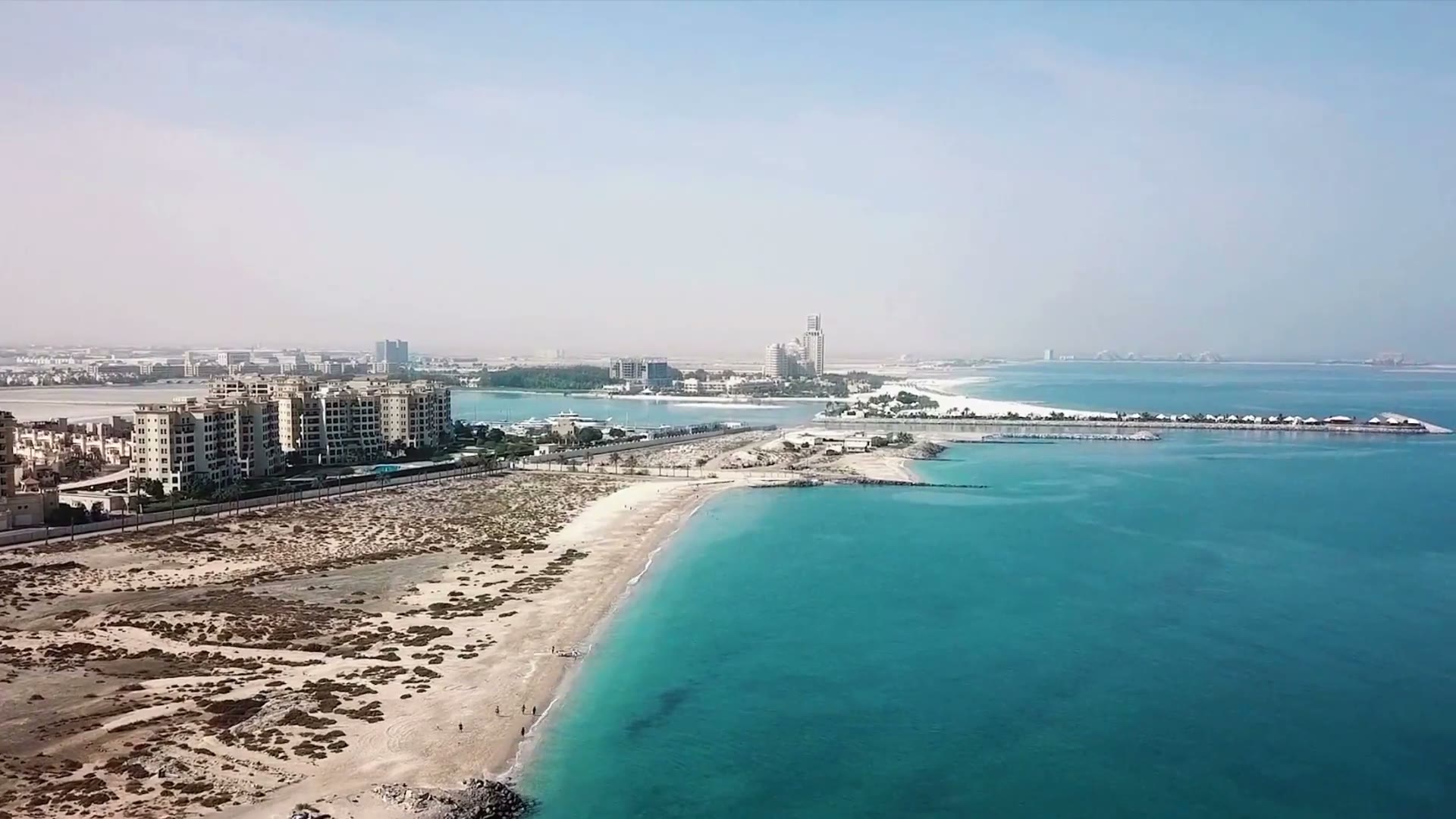
Wynn Al Marjan disclosed a delay on its Q1 2026 earnings call of 7 May 2026. Operation Epic Fury had begun ten weeks earlier, and three days before the call the UAE reported the first attacks from Iran since the 8 April ceasefire. The budget, 5.1 billion dollars at the time, was raised in August 2026 to around 5.7 billion. A projection that imports Macau's boom into Ras Al Khaimah assumes Macau before its correction. Macau's casino gaming revenue compounded about 29 per cent a year from 2002 to 2013 and then fell 38 per cent by 2016. The Singapore IR analog printed approximately 5 per cent CAGR over 15 years. The diversification thesis between Dubai and RAK fails at the risk-vector layer: oil, Iran security, federal regulation, insurance, USD peg are correlated, not orthogonal. This dossier reads the Wynn announcement, applies the Macau analog with its three failed preconditions, reads three scenarios, and discloses the five correlated risk vectors. It is the fourth volume of Geography of Trust.
市场观点
哈伊马角2026年上半年:公寓售价上涨,酒店收益下滑
2026年上半年,拉斯海马(Ras Al Khaimah)的两组 CBRE 数据方向相反:公寓售价上涨 18%,酒店入住率约 49%,RevPAR 下降 28.6%。品牌住宅靠前一个数字成交,靠后一个数字付息。2026年在此测算租赁池(rental pool)单位的本金方,是用一个市场给单位定价,却用另一个市场来衡量收益,而这两个市场已经背离。
市场观点
哈伊马角与迪拜:阿联酋投资敞口是一个,不是两个
哈伊马角与迪拜常被当作阿联酋境内可相互替代的配置选择。在五个维度(油价、地区安全、联邦监管、保险与再保险、货币挂钩)上,二者彼此相关。就现有证据而言,在这两个酋长国之间分散投资,实质上是同一笔风险敞口,只是有两个邮编。