
الوجهات
تنزانيا: السياحة وسقف حيازة الأراضي 99 عامًا
تنزانيا سوق مؤسسية ناشئة تخضع لسقف حيازة أراضٍ مدته تسع وتسعون عامًا، وقانون استثمار لعام 2022 يضمن رأس المال ضد التأميم، وقطاع سياحة ينمو من قاعدة منخفضة. البنية الاقتصادية الكلية والبنية القانونية معًا تفسران سبب تحول البلاد الآن إلى وجهة لرأس المال الأجنبي طويل الأمد، والشروط المحددة التي يشارك بها ذلك الرأس المال.
أبرز النقاط
- - سجّلت تنزانيا 2,141,895 وصولاً دولياً في عام 2024 (البر الرئيسي + زنجبار)، بارتفاع +18.5% على أساس سنوي؛ بلغت عائدات السياحة 3.9 مليار دولار أمريكي، لتصبح أكبر مصدر للعملة الأجنبية متجاوزةً الذهب.
- - تمثل السياحة نحو 17.2% من الناتج المحلي الإجمالي وتدعم أكثر من 1.5 مليون وظيفة مباشرة وغير مباشرة (وزارة الموارد الطبيعية والسياحة، خطاب الموازنة 2025/26؛ Daily News، 12 أكتوبر 2024).
- - ملكية الأجانب هي حيازة بالإيجار: Right of Occupancy لمدة تصل إلى 99 عاماً ناقص 10 أيام في البر الرئيسي (قانون الأراضي لعام 1999)، وعقد إيجار لأرض عامة لمدة تصل إلى 99 عاماً، على فترات تصل كل منها إلى 33 عاماً، في زنجبار (قانون حيازة الأراضي لعام 1992، المادة 47). لا وجود لملكية حرة لغير المواطنين.
- - قانون الاستثمار التنزاني لعام 2022: ضماناته (التحويلات بعملة قابلة للتحويل، وعدم التأميم دون تعويض عادل وكافٍ وفوري، والتحكيم باتفاق الطرفين بما يشمل قواعد ICSID) تشمل كل منشأة ينطبق عليها القانون، ابتداءً من 500,000 دولار أمريكي من رأس المال للملكية الأجنبية (المواد 2 و28 و29 و33). وصفة الاستثمار الاستراتيجي تضيف مزايا أخرى ابتداءً من 50 مليون دولار أمريكي (أجنبي أو مشروع مشترك)، و20 مليون دولار أمريكي (للتنزانيين)، و300 مليون دولار أمريكي (الاستثمار الاستراتيجي الخاص) (المادة 23).
- - تصريح إقامة المستثمر من الفئة C-11: عقار مؤهل بقيمة 100,000 دولار أمريكي، قابل للتجديد لمدة عامين مقابل 500 دولار أمريكي + 50 دولاراً أمريكياً عن كل معال. إقامة فقط، دون مسار للحصول على الجنسية (Immigration (Amendment) Regulations 2023).
- - بلغ الاستثمار الأجنبي المباشر في تنزانيا لعام 2024 نحو 1.72 مليار دولار أمريكي (UNCTAD، بارتفاع 28.3%)؛ وسجّل مركز الاستثمار التنزاني (TIC) 842 مشروعاً بقيمة إجمالية 7.7 مليار دولار أمريكي، وهي الأعلى منذ عام 1991.
- - حضور مشغلي رحلات السفاري الفاخرة: Singita Grumeti وFour Seasons Serengeti وandBeyond Ngorongoro Crater Lodge وAsilia Africa. أسواق المصدر للبر الرئيسي: الولايات المتحدة 15.0%، إيطاليا 11.8%، فرنسا 7.3% (NBS / MNRT International Visitors' Exit Survey 2024).
- - بلغ سعر الفائدة المرجعي لبنك تنزانيا المركزي (CBR) 5.75% (ديسمبر 2025)، وبلغ التضخم العام 3.6% ضمن النطاق المستهدف من 3% إلى 5%. وانخفضت قيمة الشلن التنزاني (TZS) بنسبة 1.3% على أساس سنوي في 2025 بعد ارتفاع بنسبة +3.8% في 2024.
في هذه الصفحة (10)
ملاحظات المراجعة
تم تصحيح هذا المقال في 27 سبتمبر 2026 لأن قسم المخاطر فيه وصف انتقال عام 2025 بأنه سلس من وجهة نظر مراقبين خارجيين، وهو وصف لا يدعمه السجل. أجرت تنزانيا انتخاباتها العامة في 29 أكتوبر 2025، مع استبعاد مرشحي المعارضة الرئيسيين من السباق. قوبلت الاحتجاجات يوم الاقتراع وفي الأيام التالية بإغلاق للإنترنت وحظر تجول. في 11 نوفمبر 2025 قال مكتب حقوق الإنسان التابع للأمم المتحدة إنه تلقى تقارير عن مقتل مئات الأشخاص، وأنه لا يمكنه التحقق من الأرقام الدقيقة. حتى 27 سبتمبر 2026 لا يزال عدد القتلى محل خلاف. تتراوح الأرقام المسجلة بين 10 على الأقل أوردها المكتب نفسه في 31 أكتوبر 2025، و518 على الأقل في تقرير لجنة معينة من الحكومة قُدّم في أبريل 2026، إلى آلاف قدّرتها المعارضة والجماعات الدينية دون تحقق مستقل (DW، 24 أبريل 2026). وذكر القسم نفسه أن Freedom House صنّفت تنزانيا كدولة حرة جزئيًا. أصبح التصنيف غير حرة منذ إصدار Freedom in the World لعام 2025، ويقف عند 28 من 100 في إصدار 2026. كما استشهد المقال بمؤشر الحوكمة لمؤسسة Mo Ibrahim دون قراءة المؤسسة نفسها للتصويت، وهي مضافة الآن. رُفع رقم الوافدين إلى زنجبار من 736,755 في عام 2024 إلى 917,167 في عام 2025 (OCGS، كما ذكرت The Citizen في 18 يناير 2026). لا يغيّر هذا التصحيح البنية القانونية الواردة في المقال، من سقف الحيازة لتسع وتسعين عامًا إلى ضمانات قانون الاستثمار لعام 2022. تحمل المخاطر السياسية وزنًا أكبر مما أعطاه النص الأصلي، والآن مع سابقة مؤرخة، ويعرضها قسم المخاطر أدناه مع مصادرها.
صُحِّح هذا المقال في 11 أكتوبر 2026. نسبت نسخة سابقة حصة السياحة من الناتج المحلي الإجمالي إلى عام 2024 وقارنتها بحصة لعام 2023 لا يذكرها أي مصدر عام. وقد حُذفت المقارنة، وباتت الحصة وعدد الوظائف تستشهد بالوثائق التي جاءت منها.
صُحِّح هذا المقال في 13 أكتوبر 2026. وضعت الأقسام الخاصة بزنجبار وبحيازة الأراضي، وجدول مسارات الاستثمار، والنقاط الختامية، والخلاصات الرئيسية، حيازة الأراضي في زنجبار تحت قانون استثمار أُلغي في 2024، وعتبة بيمبا الاستراتيجية ضمن Tanzania Investment Act 2022. وهي تتّبع الآن قانون حيازة الأراضي لعام 1992 بتعديلاته وقانون الاستثمار في زنجبار لعام 2023، كما نشرهما مجلس النواب في زنجبار. ويربط قسم «خصوصية المشتري الإيطالي» الآن ارتفاع ضريبة المادة 24-bis بنقل الإقامة.
صُحِّح هذا المقال في 13 أكتوبر 2026. ربط القسم الخاص بـ Tanzania Investment Act 2022، وجدول مسارات الاستثمار، وبند مخاطر العملة، والنقاط الختامية، والخلاصات الرئيسية، ضمانات القانون بعتبات صفة الاستثمار الاستراتيجي. وهي تذكر الآن أن القانون يمنح هذه الضمانات لكل منشأة ينطبق عليها، وأن الصفة تضيف مزايا أخرى. ويذكر قسم حيازة الأراضي والنقاط الختامية الآن أن الحيازة في زنجبار بعد الفترة الأولى من الإيجار تتوقف على تجديد.
صُحِّح هذا المقال في 13 أكتوبر 2026. وكان قسم «خصوصية المشتري الإيطالي» وقائمة المراجع يذكران تاريخًا خاطئًا لمعاهدة تجنب الازدواج الضريبي بين إيطاليا وتنزانيا، وكان القسم يقدّم تقديرًا لعدد ملاك العقارات الإيطاليين من دون مصدر علني؛ وباتت تواريخ المعاهدة تتبع الآن وزارة الاقتصاد والمالية الإيطالية، وحُذف التقدير.
الاقتصاد الكلي: السياحة كركيزة للنمو
أصبحت السياحة الآن أكبر مصدر منفرد للنقد الأجنبي في تنزانيا، متقدمة على الذهب لأول مرة في تاريخ البلاد الإحصائي المسجل. سجّل مسح المغادرين الدوليين لعام 2024، الذي أعدّه بشكل مشترك المكتب الوطني للإحصاء ووزارة الموارد الطبيعية والسياحة وبنك تنزانيا، 2,141,895 وافدًا دوليًا عبر تنزانيا القارية وزنجبار مجتمعتين، بارتفاع 18.5 في المئة عن 1,808,205 في عام 2023، بإجمالي عائدات سياحية بلغت 3.9 مليار دولار أمريكي (+15.7 في المئة). تمثل السياحة نحو 17.2 في المئة من الناتج المحلي الإجمالي وتدعم أكثر من 1.5 مليون وظيفة مباشرة وغير مباشرة (Daily News، 12 أكتوبر 2024، في تغطيتها لمعرض Swahili International Tourism Expo)؛ ويذكر خطاب الموازنة لعام 2025/26 لوزارة الموارد الطبيعية والسياحة الحصة نفسها من الناتج المحلي الإجمالي.
تركيبة قاعدة الزوار هي نقطة البيانات الأكثر إثارة للاهتمام. تصدّرت الولايات المتحدة أسواق المصدر للجزء القاري في عام 2024 بنسبة 15.0 في المئة من الوافدين، تلتها إيطاليا ثانيًا بنسبة 11.8 في المئة وفرنسا ثالثًا بنسبة 7.3 في المئة. مكث الزوار في المتوسط عشر ليالٍ في الجزء القاري وسبع ليالٍ في زنجبار، بإنفاق 243 دولارًا و251 دولارًا للفرد لليلة الواحدة على التوالي. كان 65 في المئة من الزوار يزورون للمرة الأولى، ارتفاعًا من 56.4 في المئة في عام 2023، وهو مؤشر على أن الطلب يتوسع بدلاً من أن يتركز بين المسافرين المتكررين.
الإطار الاقتصادي الكلي يتسق مع هذا المسار. سجّل نمو الناتج المحلي الإجمالي للجزء القاري نحو 5.6 في المئة في عام 2024، متسارعًا إلى 6.4 في المئة مسجلة في الربع الثالث من 2025 وفقًا لمراجعة لجنة السياسة النقدية لبنك تنزانيا في ديسمبر 2025. ظل التضخم العام ضمن نطاق الهدف الوطني البالغ 3 إلى 5 في المئة، عند 3.6 في المئة في ديسمبر 2025. استقر سعر البنك المركزي عند 5.75 في المئة طوال الربع المنتهي في ديسمبر 2025، وهو مستوى ميسر في ظل تضخم منخفض. الاستقرار النقدي شرط أساسي للقدرة على التنبؤ بدورة العقارات، وتنزانيا واحدة من أكثر الأطر الاقتصادية الكلية استقرارًا في أفريقيا جنوب الصحراء بحسب قراءة الفترة من 2024 إلى 2026.
يتحرك الاستثمار الأجنبي المباشر في الاتجاه نفسه. يسجّل تقرير الاستثمار العالمي 2025 الصادر عن الأونكتاد تدفقات استثمار أجنبي مباشر إلى تنزانيا بقيمة 1.72 مليار دولار أمريكي في عام 2024، بزيادة 28.3 في المئة عن 1.34 مليار دولار في عام 2023، وهو أسرع معدل نمو في شرق أفريقيا لذلك العام. سجّل مركز الاستثمار التنزاني بشكل منفصل 842 مشروعًا بقيمة 7.7 مليار دولار خلال عام 2024 التقويمي، وهي أعلى قيمة استثمار إجمالية منذ عام 1991، مع تصدّر قطاع التصنيع من حيث عدد المشاريع (377 مشروعًا، 3.1 مليار دولار) واستحواذ السياحة على 76 مشروعًا مسجلاً بقيمة 337 مليون دولار.
سوق السفاري في الجزء القاري
تضم تنزانيا القارية أكبر تركّز لمناطق الحياة البرية المحمية في القارة الأفريقية. استقبلت حديقة سيرينغيتي الوطنية وحدها نحو 589,300 زائر في عام 2024، بارتفاع 11.2 في المئة. تشكّل منطقة حفظ نغورونغورو، وحديقة جبل كليمنجارو الوطنية (بارتفاع في الوافدين بنسبة +13.4 في المئة في عام 2024، الأسرع بين الحدائق)، وتارانغيري، وبحيرة مانيارا، وحديقة نيريري الوطنية التي تبلغ مساحتها 30,893 كيلومترًا مربعًا (محمية سيلوس السابقة للصيد، والتي أصبحت الآن أكبر منطقة محمية في شرق أفريقيا)، العمود الفقري لسوق سفاري راقٍ اجتذب أكثر مشغّلي الضيافة انضباطًا في هذا القطاع على مدى عشرين عامًا.
حضور المشغّلين هو التحقق المؤسسي. يشكّل امتياز Singita في Grumeti بممر سيرينغيتي الغربي (Sasakwa وSabora وFaru Faru) ركيزة فئة الفخامة الفائقة بأسعار تتراوح بين 1,500 و2,500 دولار للفرد لليلة الواحدة، بإقامة كاملة. يعمل Four Seasons Safari Lodge Serengeti داخل حدود الحديقة بأسعار تتراوح بين 1,200 و1,800 دولار للفرد لليلة الواحدة. تدير andBeyond نزل Ngorongoro Crater Lodge (بأسعار تتراوح بين 1,200 و2,000 دولار، شاملة كل شيء) ومخيم Grumeti Tented Camp المصمم لموسم هجرة النو. تدير Asilia Africa محفظة من فئة الفخامة المتوسطة ومخيمات الاستكشاف عبر سيرينغيتي وروآها وسيلوس. هؤلاء مشغّلون ملتزمون طويلو الأمد يمتلكون رأس المال والعلامة التجارية والانضباط الإداري.
خط المشاريع القادمة له دلالته. شهدت دورة 2025-2026 تركّز موافقات البناء الجديدة على حدود Grumeti، وامتياز Loliondo شرق سيرينغيتي، وقطع مختارة داخل منطقة حفظ نغورونغورو تخضع لقيود اليونسكو والحكومة. أما ممر حديقة نيريري الوطنية، الذي فُتح أمام السياحة بعد إعادة تصنيف سيلوس، فلا يزال أقل تطويرًا: كثافة الزوار لكل كيلومتر مربع لا تتجاوز جزءًا يسيرًا من كثافتها في سيرينغيتي، ولا يزال سوق النزل يهيمن عليه مشغّلون من الفئة المتوسطة بدلاً من فئة الفخامة الفائقة التي تركّزت في الشمال. بالنسبة للمستثمر طويل الأمد، تمثّل الدائرة الجنوبية الحدود داخل الحدود.
لا يخصص مشغّلو السفاري الراقون رؤوس أموالهم إلا بعد إجراء تدقيق مستقل حول الحيازة والأمن والجدوى البيئية. حضورهم تحقق من طرف ثالث، وليس ادعاءً من Victaura.
Victaura Research
سوق زنجبار الساحلي
تُعالَج زنجبار بالتفصيل في المقال المخصص لها (زنجبار: وجهة فاخرة ناشئة)، وتُستعرض هنا الأرقام الرئيسية من باب الاكتمال فقط. سجّل مكتب OCGS Zanzibar وصول 917,167 زائرًا دوليًا إلى الأرخبيل في عام 2025، بزيادة قدرها 24.5 في المائة عن 736,755 زائرًا في عام 2024 (Tourism Statistical Release لشهر ديسمبر 2025، كما نقلت صحيفة The Citizen في 18 يناير 2026؛ رقم مقيس فعليًا). وتشير سلسلة إحصائية رسمية ثانية، هي 2025 International Visitors' Exit Survey، إلى وصول 654,880 زائرًا إلى زنجبار، بزيادة 9 في المائة؛ وتختلف السلسلتان في طريقة العدّ لكنهما تتفقان في الاتجاه. في عام 2024 مثّلت أوروبا نحو 72 في المائة من قاعدة الزوار، وكانت إيطاليا أكبر سوق مصدر منفرد بنسبة 11.8 في المائة، أي ما يعادل نحو 87,202 مسافر إيطالي؛ وتصدّرت إيطاليا القائمة مجددًا في ديسمبر 2025 بنسبة 14.4 في المائة من الوافدين. وقد ترسّخ حضور المشغّلين الفاخرين في Nungwi وKendwa وPingwe-Michamvi خلال مرحلة التعافي التالية للجائحة، وأبرزهم Park Hyatt (Stone Town، 2015)، وMeliá Zanzibar (Kiwengwa)، وMarriott's Le Méridien، وAnantara Zanzibar Resort and Residences في Nungwi (111 وحدة فندقية إضافة إلى 70 شقة بعلامة تجارية، بقيمة تطوير إجمالية قدرها 150 مليون دولار أمريكي، ومن المقرر افتتاحه في 2027، من تطوير Infinity Developments)، وSix Senses (أُعلن عنه في 2024، ممر Pingwe).
تختلف الصياغة القانونية هنا عن البر الرئيسي. فحيازة الأجانب في زنجبار هي عقد إيجار لأرض عامة لمدة تصل إلى تسعة وتسعين عامًا، يُمنح على فترات لا تزيد كل منها على ثلاثة وثلاثين عامًا، بموجب المادة 47 من Land Tenure Act 1992 بصيغتها المعدّلة في 2010 و2018. ولا يُمنح حق الانتفاع (Right of Occupancy) إلا للزنجباريين (المادة 24)، ولذلك لا وجود لملكية حرة (freehold) لغير المواطنين. ولزنجبار كذلك قانون استثمار خاص بها، هو Zanzibar Investment Act 2023، الذي ألغى ZIPA Act 2018: تحدد مادته 25 وجدوله الثاني صفة الاستثمار الاستراتيجي (Strategic Investment Status) عند 50 مليون دولار أمريكي في Unguja و5 ملايين دولار أمريكي في بيمبا (Pemba)، على أن يكون ثلاثون في المئة على الأقل من رأس المال حقوق ملكية. أما التعليق التفصيلي على عملية التقييم الائتماني، بما في ذلك مدخلات التعرّض المناخي، فمكانه المقال المخصص لهذا الموضوع.
Tanzania Investment Act 2022
يُعدّ Tanzania Investment Act لعام 2022 أهم تغيير مؤسسي طرأ على البنية الاستثمارية للبلاد منذ أوائل التسعينيات. فقد حلّ هذا القانون محل Investment Act لعام 1997، ونصّ على صفة الاستثمار الاستراتيجي (Strategic Investment Status) التي تمنح المشاريع المؤهلة مزايا إضافية. وعتبات رأس المال محددة بوضوح: يتطلّب المشروع المملوك بالكامل لأجانب أو المشترك حدًا أدنى قدره 50 مليون دولار أمريكي، ويتطلّب المشروع المملوك بالكامل لتنزانيين حدًا أدنى قدره 20 مليون دولار أمريكي، بينما تُطبَّق فئة الاستثمار الاستراتيجي الخاص (Special Strategic Investment) على ما يتجاوز 300 مليون دولار أمريكي. لكنّ ضمانات القانون لا تبدأ عند هذه العتبات. فهي تشمل كل منشأة ينطبق عليها القانون، ابتداءً من حد أدنى لرأس المال قدره 500,000 دولار أمريكي للمنشأة المملوكة لأجانب أو المشتركة و50,000 دولار أمريكي للمنشأة المملوكة لتنزانيين (المادة 2): تحويل الأرباح وخدمة القروض وحصيلة البيع بعملة قابلة للتحويل بحرية (المادة 28)، وعدم التأميم أو نزع الملكية إلا وفق الإجراءات القانونية وبتعويض عادل وكافٍ وفوري (المادة 29)، والتحكيم وفق قوانين التحكيم في تنزانيا أو قواعد المركز الدولي لتسوية منازعات الاستثمار (ICSID) أو معاهدة استثمار، بحسب ما يتفق عليه الطرفان (المادة 33). أما الصفة الاستراتيجية فتضيف مزايا أخرى (المادة 23).
والمعايير النوعية محددة بالقدر نفسه من الوضوح. فالمشروع يستحق أيضًا صفة SIS إذا أوجد ما لا يقل عن 1,000 وظيفة محلية مع عمق في المناصب العليا، أو صدّر خمسين في المائة أو أكثر من إنتاجه أو قدّم سلعًا بديلة للواردات، أو حفّز تطوير مناطق صناعية، أو نقل تكنولوجيا، أو أنتج سلعًا متوافقة مع الأولويات الوطنية. والقانون في مجمله مصمم لجذب رأس المال طويل الأمد على أساس الحماية القانونية لا المراجحة الضريبية. فالضمان ضد التأميم صريح، أما الضمان ضد الاضطراب التنظيمي التقديري فهو جزئي، ومكان تسوية المنازعات قد يكون دوليًا إذا اتفق الطرفان على ذلك.
بالنسبة للمستثمر في القطاع السياحي، لا تكتسب الصفة الاستراتيجية أهمية جوهرية إلا على مستوى المنتجعات الكبرى. فالاستثمار في فيلا بوتيكية تتراوح قيمته بين 200,000 و2 مليون دولار أمريكي لا يبلغ هذه الصفة. أما شمول ضمانات القانون العامة لاستثمار كهذا فيتوقف على أن يتم عبر منشأة يبلغ رأس مالها الحد الأدنى الذي يشترطه القانون، وهو 500,000 دولار أمريكي للملكية الأجنبية (المادة 2)؛ ودون ذلك تكون الفائدة غير المباشرة هي الثقة المؤسسية التي يمنحها القانون للمشغّل. أما المشروع بحجم منتجع بقيمة 50 مليون دولار أمريكي فأكثر فيمكنه أن يضيف مزايا الصفة إلى ضمانات يتمتع بها أصلًا، والتحكيم باتفاق الطرفين لا يتوقف على هذه الصفة (المادة 33). ومشروع Anantara Zanzibar بقيمة تطوير إجمالية قدرها 150 مليون دولار أمريكي يخضع لقانون زنجبار الخاص بها، الذي يحدد لـ Unguja الرقم نفسه، 50 مليون دولار أمريكي.
حيازة الأراضي بالنسبة للأجانب
تشكّل بنية حيازة الأراضي أهم قيد على عملية تقييم الاستثمار في تنزانيا، وهي بنية يُساء فهمها على نطاق واسع. فبموجب Land Act لعام 1999 وVillage Land Act لعام 1999، تُعدّ جميع الأراضي في البر الرئيسي لتنزانيا ملكية عامة، يحوزها الرئيس بصفته أمينًا على شعب الجمهورية المتحدة. ولا يمكن لأي أجنبي أن يمتلك أرضًا ملكية حرة (freehold) مباشرة. والنص التشريعي واضح، والسوابق القضائية متسقة، والأثر العملي بنيوي: فرأس المال الأجنبي يشارك في اقتصاد الأراضي عبر آلية مشتقة، لا عبر الملكية الحرة.
*الآلية هي حق الانتفاع (Right of Occupancy). فالمستثمر الأجنبي، بعد تسجيل شركة تنزانية ذات مسؤولية محدودة عبر BRELA وحصوله على شهادة حوافز (Certificate of Incentives) من Tanzania Investment Centre، يحصل على الأرض عبر حق انتفاع ممنوح (granted Right of Occupancy) تحوزه TIC، والتي تُصدر بدورها حق انتفاع مشتقًا* (derivative Right of Occupancy) لصالحه لمدة تصل إلى تسعة وتسعين عامًا إلا عشرة أيام. ونقص العشرة أيام هذا بناء تشريعي يهدف إلى الحفاظ على الحق الأصلي على مستوى TIC. وتتوفر مدد أقصر تبلغ ثلاثة وثلاثين وستة وستين عامًا؛ أما من الناحية العملية فإن سقف التسعة والتسعين عامًا هو الإطار المعمول به للاستثمار المؤسسي في قطاعي الضيافة والسكن. وتجديد الحق عند بلوغه العام التاسع والتسعين أمر تقديري لا تلقائي، ويخضع للقانون والسياسة الساريين في ذلك التاريخ المستقبلي.
وتعمل زنجبار وفق إطار مشابه لكنه مختلف. فبموجب المادة 47 من Land Tenure Act 1992، بصيغتها المعدّلة في 2010 و2018، لا يجوز أن تتجاوز مدة إيجار الأرض العامة تسعة وتسعين عامًا، ويُمنح الإيجار على فترات لا تزيد كل منها على ثلاثة وثلاثين عامًا؛ وقبل تجديد أي فترة يقيّم الوزير المسؤول عن الأراضي أداء الاستثمار بالتشاور مع الوزير المسؤول عن الاستثمار. والوزير المسؤول عن الأراضي هو من يمنح الإيجار. وبموجب المادة 27 من Zanzibar Investment Act 2023، لا تمنح Zanzibar Investment Promotion Authority (ZIPA) عقود الإيجار بنفسها إلا داخل المناطق الاقتصادية الخاصة، وتيسّر خارجها الحصول على الإيجار عبر الوزير. ويُدار الإطاران بشكل منفصل، وأي مستثمر أجنبي له مراكز في كل من Unguja والبر الرئيسي سيحوز حقين مستقلين في الأرض، عقد إيجار في زنجبار وحقًا مشتقًا من TIC. وهذا تفصيل إجرائي ينبغي التخطيط له في مرحلة هيكلة رأس المال.
والأثر المترتب على هيكلة رأس المال واضح ومباشر. فالمستثمرون المؤسسيون الذين يقيّمون على أفق زمني يتراوح بين ثلاثين وخمسين عامًا يقعون ضمن سقف التسعة والتسعين عامًا، لكن في زنجبار تتوقف كل حيازة تتجاوز الفترة الأولى من الإيجار، وهي ثلاثة وثلاثون عامًا على الأكثر، على تجديد يسبقه تقييم وزاري. أما خطط النقل بين الأجيال المتعددة التي تفترض ملكية دائمة فتحتاج إلى تسعير مخاطر تجديد عقد الإيجار بشكل صريح. والجهات المخصصة لرأس المال التي تقيّم تنزانيا وكأنها سوق ملكية حرة (freehold) تسيء قراءة التنظيم، سواء في الجزر أو في البر الرئيسي.
الهيكل المؤسسي
المسار التشغيلي للمستثمر الأجنبي في تنزانيا مسار متسلسل وموثّق وأبطأ من مسار المطوّر الرئيسي الخليجي. يتم تسجيل الشركات عبر وكالة تسجيل وترخيص الأعمال، BRELA، من خلال نظامها الإلكتروني للتسجيل. تتطلب الشركة ذات المسؤولية المحدودة بموجب قانون الشركات وجود شريكين ومديرين اثنين على الأقل، دون حد أدنى قانوني لرأس المال. تصدر BRELA شهادة تأسيس للشركة التابعة أو شهادة امتثال لفرع شركة أم أجنبية. بعد ذلك تصدر هيئة الإيرادات التنزانية رقم تعريف ضريبي مجانًا، وتتقدم الجهة بطلب للحصول على التراخيص التجارية الخاصة بالقطاع قبل بدء العمليات.
يحتاج المديرون والمسؤولون والموظفون الأجانب إلى تصاريح عمل وإقامة. يُعد تصريح الإقامة عادةً شرطًا مسبقًا لتصريح العمل، وهو في الواقع العملي مطلوب غالبًا قبل إصدار الترخيص التجاري لكيان ذي أغلبية أجنبية. تتيح آلية التوكيل الرسمي إصدار ترخيص مؤقت في حال عدم استكمال التصاريح بعد عند التسجيل.
تم تحديث إطار إقامة المستثمرين في عام 2023. استحدثت لائحة الهجرة (المعدّلة) لعام 2023 تصريح إقامة المستثمر من الفئة C-11، وهو مصمم خصيصًا لمشتري العقار الفردي. الحد الأدنى المطلوب هو 100,000 دولار أمريكي كاستثمار عقاري مؤهّل، قابل للتجديد كل عامين مقابل 500 دولار أمريكي لمقدّم الطلب الرئيسي إضافة إلى 50 دولارًا أمريكيًا لكل معال. يتطلب الطلب خطاب توصية من TIC في الجزء القاري أو من ZIPA في حالة زنجبار، إلى جانب سند الملكية وشهادة حسن السيرة والسلوك من بلد المنشأ. يشمل تصريح C-11 مقدّم الطلب الرئيسي والزوج/الزوجة والأبناء المعالين. وهو لا يفتح مسارًا للحصول على الجنسية التنزانية ولا يمنح تلقائيًا حق السفر الأوروبي. إنه يوفر إقامة قانونية ضمن غلاف حيازة الأرض.
مسار SIS مختلف إداريًا عن C-11. فوق عتبة 50 مليون دولار أمريكي، يُسجَّل المشروع لدى TIC بموجب نظام SIS، ويحصل الفريق الإداري الأول على تصاريح منفصلة مرتبطة بالمشروع الاستراتيجي. المساران مُصمَّمان لمقياسين مختلفين: C-11 لمشتري العقار الفردي، وSIS للمستثمر المُشغِّل على نطاق المنتجع. وهما ليسا متعارضين ضمن تخصيص واحد لمكتب عائلي.
| المسار | الحد الأدنى | المدة / الأجل | القيود / النطاق | حالة الاستخدام |
|---|---|---|---|---|
| حق الانتفاع المشتق عبر TIC | يختلف رأس مال المشروع؛ يُشترط الحصول على شهادة الحوافز | حتى 99 عامًا ناقص 10 أيام؛ قابل للتجديد وفق السلطة التقديرية | لا تملّك حر لغير المواطنين؛ الجزء القاري فقط | الوصول المؤسسي المعياري للأراضي في الجزء القاري |
| عقد إيجار لأرض عامة (زنجبار) | يختلف رأس مال المشروع؛ تُشترط موافقة ZIPA | حتى 99 عامًا، على فترات تصل كل منها إلى 33 عامًا؛ التجديد بعد تقييم وزاري | يمنحه الوزير المسؤول عن الأراضي؛ وتمنحه ZIPA داخل المناطق الاقتصادية الخاصة | تطوير المنتجعات والمشاريع السكنية في زنجبار |
| وضع الاستثمار الاستراتيجي (قانون الاستثمار التنزاني 2022) | 50 مليون دولار أمريكي للأجانب / المشاريع المشتركة؛ 20 مليون دولار للتنزانيين؛ 300 مليون دولار للفئة الخاصة | لا مدة خاصة بها في القانون؛ حوافز إضافية تُعتمد حالة بحالة (المادة 23)؛ وضمانات القانون لا تتوقف على هذا الوضع | لزنجبار وضعها الخاص بموجب Zanzibar Investment Act 2023 (50 مليون دولار في أونغوجا، 5 ملايين دولار في بيمبا) | المستثمر المُشغِّل على نطاق المنتجع |
| شركة ذات مسؤولية محدودة عبر BRELA | لا حد أدنى قانوني (عمليًا 50 دولارًا أمريكيًا) | غير محددة المدة (رهنًا بالإيداعات) | يُشترط شريكان اثنان ومديران اثنان | أداة قابضة للأراضي والعمليات |
| تصريح إقامة المستثمر من الفئة C-11 | عقار مؤهّل بقيمة 100,000 دولار أمريكي | قابل للتجديد كل عامين | إقامة فقط؛ لا مسار للجنسية | مشتري العقار الفردي؛ مقدّم الطلب الرئيسي وأسرته |
خصوصية المشتري الإيطالي
تُعد إيطاليا ثاني أكبر سوق مصدر للسياح إلى الجزء القاري من تنزانيا بنسبة 11.8 بالمئة من الوافدين في عام 2024، خلف الولايات المتحدة بنسبة 15.0 بالمئة وأمام فرنسا بنسبة 7.3 بالمئة. أما في زنجبار، فكانت إيطاليا أكبر سوق مصدر منفرد في الأرخبيل في عام 2024، وأيضًا بنسبة 11.8 بالمئة من إجمالي 736,755 وافدًا، وتصدّرت مجددًا في ديسمبر 2025 بنسبة 14.4 بالمئة، في عام أُغلق عند 917,167 وافدًا (OCGS). يضع الحجم الإجمالي عبر الوجهتين إيطاليا في مرتبة أكبر مصدر أوروبي منفرد للبلاد. هذا النمط ليس شذوذًا خاصًا بعام 2024: فقد ظلّت طاقة الرحلات المستأجرة الإيطالية من ميلانو مالبنسا وبيرغامو أوريو آل سيريو وروما فيوميتشينو مستمرة طوال فترة التعافي بعد الجائحة، وتوجّه قاعدة مشغّلي الرحلات السياحية الإيطالية تدفقًا سنويًا موثّقًا إلى كل من دائرتي السفاري والساحل.
الطبقة الضريبية هنا هي معاهدة تجنّب الازدواج الضريبي بين إيطاليا وتنزانيا، الموقّعة في دار السلام في 7 مارس 1973 والسارية منذ 6 مايو 1983 مع البروتوكول الموقّع في روما في 31 يناير 1979 الذي يعدّلها (وزارة الاقتصاد والمالية الإيطالية)، وهي من أقدم الاتفاقيات في الشبكة التنزانية إلى جانب معاهدات كندا والدنمارك وفنلندا والهند والنرويج والسويد وجنوب أفريقيا وزامبيا. تحدّ معدلات الضريبة المقتطعة بموجب الشبكة الإيطالية للمعاهدات من اقتطاعات الفوائد وأرباح الأسهم والإتاوات ورسوم الإدارة عند حد أقصى يتراوح بين 20 و25 بالمئة، مع تحديد المعدلات الخاصة بتنزانيا في نص الاتفاقية الثنائية. ينبغي على المخصِّصين التحقق من جدول المعدلات الحالي بالرجوع إلى النص الساري.
التفاعل مع نظام المادة 24-bis الإيطالي ذو دلالة مهمة. يمكن للمقيمين الإيطاليين الخاضعين لنظام الضريبة البديلة، الذي ارتفع مبلغه السنوي من 200,000 يورو إلى 300,000 يورو لمن ينقلون إقامتهم اعتبارًا من 1 يناير 2026 بموجب قانون الموازنة لعام 2026، هيكلة الدخل السلبي الناتج عن الأصول العقارية التنزانية ضمن غلاف الضريبة البديلة، بينما يُطبَّق الاقتطاع التنزاني عند المصدر بموجب المعاهدة الثنائية. الأثر المُجتمَع، بالنسبة لمقيم إيطالي يملك فيلا في زنجبار أو عقارًا للسفاري في الجزء القاري، هو بنية ضريبية نظيفة لا تتطلب توجيهًا عبر بلد ثالث.
لا يوجد إحصاء علني لبُعد الجاليات والمنازل الثانية. لم يعثر هذا المقال على أي مصدر علني يذكر عدد الإيطاليين الذين يملكون عقارات في الجزء القاري من تنزانيا أو في زنجبار، ولا يقدّم المقال تقديرًا له. وقد تماسكت قاعدة المشغّلين في زنجبار حول رأس المال الإيطالي وإدارة المشاريع الإيطالية لأكثر من عقد.
نواقل المخاطر المُفصح عنها بصراحة
الإفصاح الصادق عن المخاطر هو مُدخل التقييم الاستثماري الذي يميز التخصيص المؤسسي عن رأس المال المدفوع بالدورات الاقتصادية. تحمل تنزانيا حالات تعرض موثقة يجب تسميتها على مستوى القطعة الأرضية والمحفظة.
العملة. انخفضت قيمة الشلن التنزاني (TZS) بنسبة 1.3 في المائة مقابل الدولار الأمريكي خلال الأشهر الاثني عشر المنتهية في ديسمبر 2025، بعد أن ارتفعت قيمته بنسبة 3.8 في المائة في عام 2024. والعملة ليست قابلة للتحويل بحرية بالمعنى المتعارف عليه في مجموعة العشر الكبار (G10)، وإعادة تحويل رأس المال إلى الخارج، وإن كانت المادة 28 من Tanzania Investment Act 2022 تضمنها لكل منشأة ينطبق عليها القانون، تُدار عبر القنوات المصرفية الرسمية. وينبغي للمخصصين تقييم التدفقات النقدية العقارية بالدولار الأمريكي حيثما تسمح بذلك عقود الإيجار واتفاقيات التشغيل.
التركّز السياسي. تصنّف منظمة Freedom House تنزانيا كدولة "غير حرة"، بدرجة 28 من 100 في تقرير Freedom in the World 2026، مقابل 35 في نسخة 2025، وهي النسخة التي انتقل فيها التصنيف من "حرة جزئيًا" إلى "غير حرة". ويضع مؤشر الحوكمة الأفريقية Ibrahim Index of African Governance الصادر عن مؤسسة Mo Ibrahim Foundation لعام 2024 تنزانيا في المرتبة 15 من أصل 54 دولة أفريقية بدرجة إجمالية قدرها 58.2 من 100، وهو ما يفوق المتوسط الأفريقي (49.3) والمتوسط الإقليمي لشرق أفريقيا (46.8)، وهي قراءة لبيانات عام 2023 تسبق انتخابات 2025. وفي 3 نوفمبر 2025 كتبت المؤسسة نفسها أن "الانتخابات التي تستبعد أحزاب المعارضة ليست عادلة ولا شرعية". وقوبلت الانتخابات العامة التي جرت في 29 أكتوبر 2025، والتي مُنع منها مرشحو المعارضة الرئيسيون، باحتجاجات يوم الاقتراع وفي الأيام التالية له، وانقطاع للإنترنت وحظر تجول، وأُعلن فوز الرئيسة Samia Suluhu Hassan بإعادة انتخابها بنسبة 98 في المائة من الأصوات. وحتى 27 سبتمبر 2026 لا يزال عدد القتلى محل جدل، وهو مُدرج هنا كنطاق مع مصادره. ففي 31 أكتوبر 2025 أفاد مكتب الأمم المتحدة لحقوق الإنسان بوقوع 10 وفيات على الأقل. وفي 11 نوفمبر 2025 قال المكتب نفسه إنه تلقى تقارير تفيد بمقتل المئات، وإنه لم يتمكن من التحقق من الأرقام الدقيقة. وأحدث إحصاء رسمي تم العثور عليه لهذه المراجعة، وهو تقرير لجنة معيّنة من الحكومة قُدّم في أبريل 2026، يسجّل ما لا يقل عن 518 حالة وفاة، وقال رئيسها إن الرقم قد لا يكون نهائيًا. وتقدّر جماعات المعارضة والجماعات الدينية العدد بالآلاف (DW، 24 أبريل 2026)، وهو ادعاء لم يتم التحقق منه بشكل مستقل. وناقل المخاطر السياسية الرئيسي هو تقلب الدورة الانتخابية، ودورة 2025 توفر الآن سابقة مؤرخة لها تبعات تشغيلية على أي أصل في قطاع الضيافة يعتمد على الاتصال وحركة الموظفين.
وتيرة التنظيم الرقابي. يمثل قانون الاستثمار لعام 2022 ترقية مؤسسية مقصودة، غير أن البيئة التنظيمية الأوسع تتحرك بوتيرة أبطأ من الولايات القضائية الخليجية القائمة على المطور الرئيسي. فالحصول على التراخيص عبر TIC وZIPA، وتقييم الأثر البيئي عبر National Environment Management Council، والتسجيل عبر Department of Lands، تستلزم جميعها خطوات إدارية موثقة. وتسير كل خطوة من هذه الخطوات وفق جدولها الزمني الخاص، وينبغي أن يكون جدول التصاريح الخاص بالقطعة المعنية جزءًا من ملف التقييم الاستثماري قبل الالتزام برأس المال.
التحول في البنية التحتية. يشهد اللوجستيات تحسنًا ملموسًا بفضل خط السكك الحديدية القياسي Standard Gauge Railway، الذي بدأت خدمات الشحن عليه من Dar es Salaam إلى Dodoma في يونيو 2025، وميناء Kwala الجاف الذي دخل الخدمة في يوليو 2025. ومن المقرر إنجاز امتداد مخطط له بطول 1,028 كيلومترًا من Tanga عبر Moshi وArusha إلى Musoma بحلول عام 2028، وهو ما له تبعات على مسار السفاري الشمالي. أما مشروع ميناء Bagamoyo للمياه العميقة، فهو مرة أخرى قيد التحضير لكنه لا يزال في مرحلة تمهيدية حتى منتصف عام 2026. وتحسّن البنية التحتية أمر إيجابي لتكاليف التشغيل، غير أن الجدول الزمني يمتد لعدة سنوات ولا ينبغي التعامل معه على أنه وشيك.
التركّز القطاعي. تمثل السياحة نحو 17.2 في المائة من الناتج المحلي الإجمالي (وزارة الموارد الطبيعية والسياحة، خطاب الموازنة 2025/26)، مقابل نحو 8 إلى 10 في المائة للصناعات الاستخراجية (الذهب أساسًا). وتؤكد صادرات الذهب القياسية البالغة 2.8 مليار دولار أمريكي في الأشهر العشرة الأولى من عام 2025 (بزيادة 38.9 في المائة على أساس سنوي) أن قاعدة النقد الأجنبي أصبحت الآن متنوعة هيكليًا بين السياحة والمعادن. أما مخاطر التركّز داخل قطاع السياحة نفسه فهي على مستوى أسواق المصدر (إذ تمثل الولايات المتحدة وإيطاليا مجتمعتين نحو 27 في المائة من الوافدين إلى البر الرئيسي)، وليست على مستوى إيرادات الدولة.
القيد محدد بوضوح، والقيد منصوص عليه قانونًا، ولا يمكن تجاهله بالتمني. والمخصصون الذين يكتتبون تنزانيا كما لو كانت سوقًا للتملك الحر يسيئون قراءة التنظيم.
Victaura Research
الظروف آخذة في التشكّل، والقيود منصوص عليها قانونًا، ومُدخلات التقييم الاستثماري صريحة. والسوق المؤسسية الناشئة ليست سوقًا مؤسسية بشكل كامل. وهذا التمييز هو صميم سؤال التخصيص.
Victaura Research
ماذا يعني هذا بالنسبة للمشتري المؤسسي
بالنسبة إلى مكتب عائلي أو مستشار رئيسي أو مشترٍ خاص فردي يفكر في اكتساب تعرض لتنزانيا في عام 2026، فإن التبعات عملية ويمكن إيجازها في خمس نقاط.
أولًا، سقف مدة الحيازة هو مُدخل التقييم الاستثماري الملزم. فكل إمكانية وصول الأجانب إلى الأراضي في البر الرئيسي وزنجبار تتم عبر الإيجار الطويل الأجل، بحد أقصى تسعة وتسعين عامًا (ناقص عشرة أيام في حالة الحق المشتق في البر الرئيسي)، مع تجديد تقديري. وتقع آفاق الحيازة التي تتراوح بين ثلاثين وخمسين عامًا ضمن هذا السقف، لكنها في زنجبار تتوقف على تجديد بعد الفترة الأولى من الإيجار التي لا تزيد على ثلاثة وثلاثين عامًا. أما خطط النقل عبر الأجيال المتعددة فتحتاج إلى تسعير مخاطر التجديد بشكل صريح.
ثانيًا، مظلة الحماية هي قانون الاستثمار نفسه، والمسار الاستراتيجي يضيف إليها مزايا. ففي البر الرئيسي يمنح Tanzania Investment Act 2022 ضماناته، ضد التأميم دون تعويض عادل وكافٍ وفوري، وبشأن التحويلات بعملة قابلة للتحويل، وبشأن التحكيم باتفاق الطرفين بما يشمل قواعد ICSID، لكل منشأة ينطبق عليها، ابتداءً من 500,000 دولار أمريكي من رأس المال للملكية الأجنبية؛ أما الصفة الاستراتيجية، ابتداءً من 50 مليون دولار أمريكي، فتضيف مزايا أخرى. وفي زنجبار يرد هذا الوضع في Zanzibar Investment Act 2023، عند 50 مليون دولار أمريكي في Unguja و5 ملايين دولار أمريكي في Pemba، ويمنح ذلك القانون كذلك ضماناته لكل استثمار معتمد. ولا يبلغ المشتري الفردي الأصغر الصفة الاستراتيجية، لكنه يستفيد من الثقة المؤسسية التي يخلقها القانونان لصالح المُشغّل.
ثالثًا، إجراءات التأسيس الشركاتي متسلسلة وأبطأ من نظيرتها في الولايات القضائية الخليجية. تأسيس شركة ذات مسؤولية محدودة عبر BRELA، والحصول على الرقم الضريبي TIN لدى Tanzania Revenue Authority، والترخيص القطاعي المحدد، وتصاريح الهجرة، وتوصية TIC أو ZIPA، وتسجيل حق الانتفاع المشتق (Right of Occupancy). ويُقاس الجدول الزمني التراكمي من الانخراط الأول إلى الأصل التشغيلي بالأشهر، لا بالأسابيع. وسلسلة الملكية عند الخروج تكون بالتناسب أكثر قابلية للدفاع عنها.
رابعًا، سلسلة المشغّل أهم من راية العلامة التجارية. جميع الأسماء مثل Singita وFour Seasons وandBeyond وAsilia ومشغّلي المساكن ذات العلامة التجارية في زنجبار موثوقة، غير أن السؤال الجوهري في التقييم الاستثماري هو من يدير البناء والترخيص والتسليم، وبأي شروط موثقة. فالعلامة التجارية تُثبت مصداقية القطاع؛ أما مدير التطوير فهو من يُسلّم المبنى فعليًا. والخلط بين الاثنين هو الخطأ الأكثر شيوعًا في تقييم قطاع الضيافة في تنزانيا.
خامسًا، إطار الإقامة هو إقامة، لا جنسية. توفر فئة C-11 إقامة قانونية وحقوق ملكية كاملة ضمن إطار الإيجار الطويل الأجل عند عتبة قدرها 100,000 دولار أمريكي. والتفاعل مع نظام Article 24-bis الإيطالي مواتٍ للمشترين المقيمين في إيطاليا الذين يبنون منصة متعددة الولايات القضائية، لكن فئة C-11 ليست تأشيرة ذهبية ولا تمنح مسارًا نحو الجنسية التنزانية أو نطاق سفر عالمي.
إفصاح عن المصلحة المباشرة (Skin in the game). تطوّر Victaura، عبر شركتها الأم Greystone B.V. (هولندا)، مشاريع على بحيرة كومو (إيطاليا)، وفي نونغوي بزنجبار (تنزانيا)، وفي جزيرة جيلي إير وفي أولواتو ببالي (إندونيسيا)، وتحتفظ باستثمار رأسمالي على المخطط (off-plan) في جزيرة المرجان برأس الخيمة (الإمارات العربية المتحدة). وينبغي للقراء افتراض أن التعليقات قد تتأثر بهذه المراكز أو تعود بالنفع عليها. يُصنَّف هذا المستند كمادة تسويقية بموجب المادة 24(3) من MiFID II. وهو ليس نصيحة استثمارية.
المصادر
- NBS / MNRT / Bank of Tanzania, International Visitors' Exit Survey 2024
- Tanzania Investment Act 2022 (Strategic Investment Status framework)
- United Republic of Tanzania, Land Act No. 4 of 1999
- Tanzania Investment Centre, Investor and Company Registration Guidance
- Tanzania Immigration Department, Residence Permit Class C (including C-11)
- BRELA, Business Registration and Licensing Agency Online Registration System
- Zanzibar Investment Act 2023 (Act No. 10 of 2023), Sections 25, 27 and 62 and Second Schedule (text published by the Zanzibar House of Representatives)
- UNCTAD World Investment Report 2025 (Tanzania FDI 2024 = USD 1.72 billion)
- Tanzania Investment Centre, 2024 Investment Statistics (842 projects, USD 7.7bn)
- World Bank, Tanzania Economic Update
- Bank of Tanzania, Monetary Policy Committee Statement December 2025
- Italian Ministry of Economy and Finance, Department of Finance, double taxation conventions: Tanzania (signed 7 March 1973; amending protocol signed 31 January 1979; in force since 6 May 1983)
- Mo Ibrahim Foundation, Ibrahim Index of African Governance 2024
- Freedom House, Freedom in the World 2026, Tanzania country report (Not Free, 28/100; 35/100 and Not Free in the 2025 edition)
- Tanzania Standard Gauge Railway and Kwala Dry Port, Ministry of Transport priorities 2025/26
- UN News, Tanzania: Reports of hundreds killed and detained following deadly election violence, 11 November 2025 (OHCHR; exact figures not verifiable)
- Al Jazeera, Opposition says 'hundreds' killed in Tanzania post-election protests, 31 October 2025 (UN human rights office: at least 10 deaths)
- DW, Tanzania's opposition criticizes 'whitewashing' of violence, 24 April 2026 (government-appointed commission: at least 518 deaths, figure may not be final)
- The Citizen, Zanzibar tourism hits nearly one million arrivals in 2025, 18 January 2026 (OCGS: 917,167 in 2025; December 100,729; Italy 14.4%)
- Mo Ibrahim Foundation, Madame President, this is not acceptable, 3 November 2025
- Bank of Tanzania and Ministry of Natural Resources and Tourism, The 2025 International Visitors' Exit Survey Report, July 2026 (Zanzibar: 654,880 arrivals, +9%; Tanzania: 2,294,495, +7.1%; fieldwork August 2025)
- Daily News (Tanzania), Royal Tour, strategic investments propel tourism sector, 12 October 2024 (tourism 17.2 per cent of GDP, over 1.5 million direct and indirect jobs)
- Ministry of Natural Resources and Tourism (Tanzania), budget speech for 2025/2026 (tourism 17.2 per cent of GDP)
- Land Tenure Act 1992 (Act No. 12 of 1992), Sections 24, 46 and 47 (text published by the Zanzibar House of Representatives)
- Land Tenure (Amendment) Act 2010 (Act No. 11 of 2010), Sections 5 and 6: leases of public land, ceiling of 99 years (Zanzibar House of Representatives)
- Written Laws (Miscellaneous Amendment) Act, Act No. 1 of 2018, Section 6: Land Tenure Act 1992, Section 47, terms of up to 33 years within the 99-year ceiling (Zanzibar House of Representatives)
- Tanzania Investment Act 2022 (Cap. 38, English version, Government Notice No. 395B of 13 June 2023), Sections 2, 23, 28, 29 and 33 (copy held by FAOLEX, Food and Agriculture Organization of the United Nations)
المعلومات الواردة في هذا الموقع لأغراض إعلامية فقط ولا تشكّل عرضاً أو دعوةً للاستثمار أو استشارةً مالية. العوائد المذكورة تقديرية وغير مضمونة؛ والأداء السابق لا يضمن النتائج المستقبلية. ورأس المال المستثمر معرّض للمخاطر.
هل تفكّرون في تخصيص جزء من محفظتكم للعقارات الفاخرة في المواقع التي نعمل فيها؟ تحدّثوا إلينا عن مشاريعنا الحالية والمقبلة.
تواصلوا مع Victaura →رؤى ذات صلة

الوجهات
Leasehold في المنتجعات الراقية: تسعير حق محدد المدة
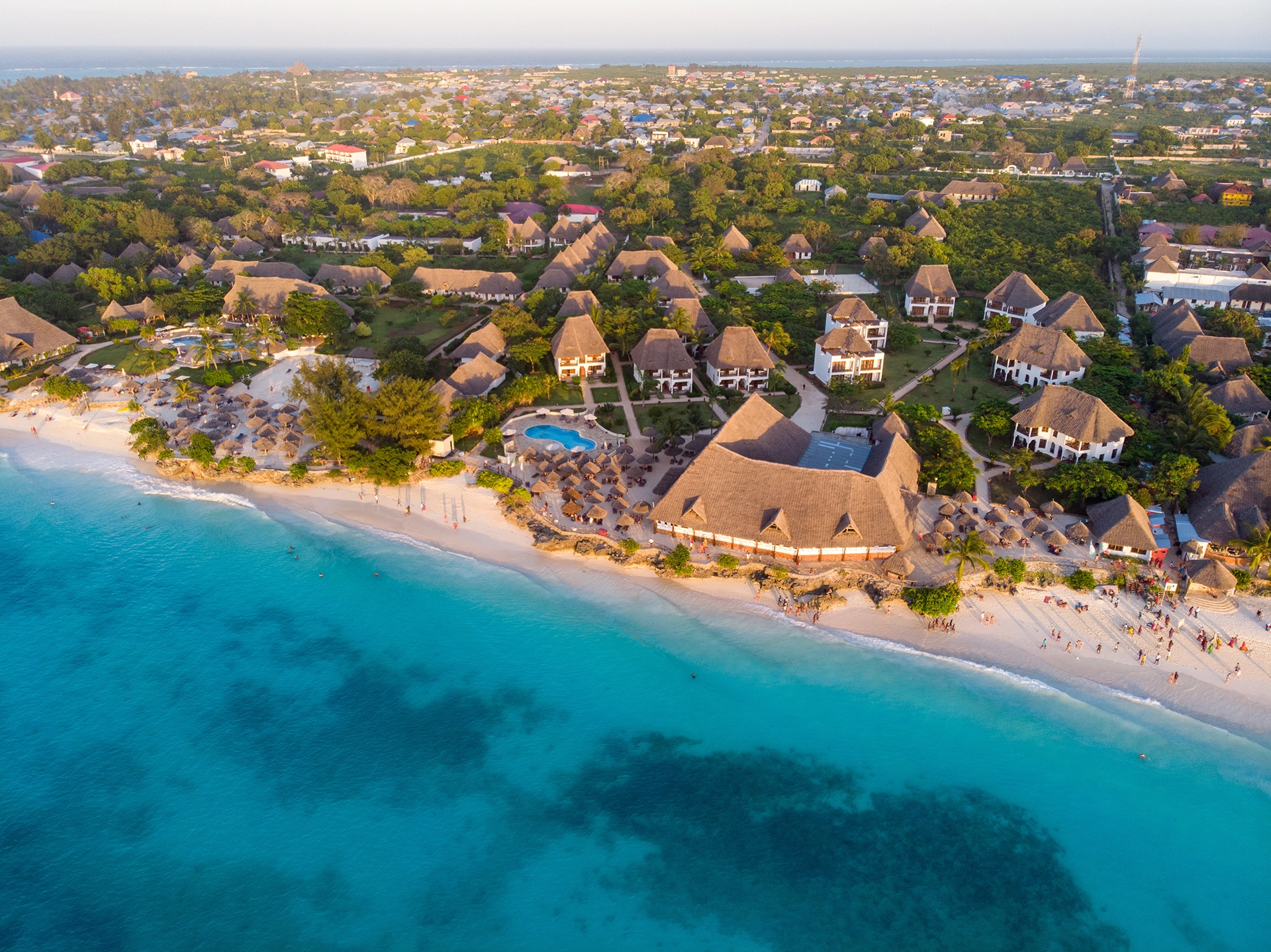
نادرًا ما يشتري المشترون الأجانب في أسواق المنتجعات الراقية ملكية حرة (freehold). ففي زنجبار يشترون حق انتفاع بعقد إيجار طويل الأمد (leasehold) لمدة تصل إلى 99 عامًا، وفي بالي يشترون حق استخدام لمدة 80 عامًا. والحق المقيّد بمدة ليس سند ملكية، ولا يُسعَّر كما يُسعَّر سند الملكية. هكذا يقيّم المخصِّص العدّ التنازلي، وهنا يخفق الخطاب التسويقي بهدوء.
الوجهات
زنجبار: وجهة فاخرة صاعدة
تنتقل زنجبار من وجهة ساحلية متوسطة المستوى إلى سوق فاخرة وفائقة الفخامة، بحكم القانون وبحكم الطلب، لكن ضمن نظام حيازة بالإيجار (leasehold) بسقف مدته 99 عامًا ومع تعرّض مناخي معلَن. بيانات الوافدين لعامي 2024 و2025، وإطار قانون حيازة الأراضي لعام 1992 (Land Tenure Act 1992) وقانون الاستثمار في زنجبار لعام 2023 (Zanzibar Investment Act 2023)، وسلسلة المشغّلين في نونغوي، جميعها تروي قصة متسقة: الظروف آخذة في التشكل، والقيود حقيقية، ومتطلبات التحليل الائتماني صريحة.
الوجهات
Nungwi: Why the North Coast
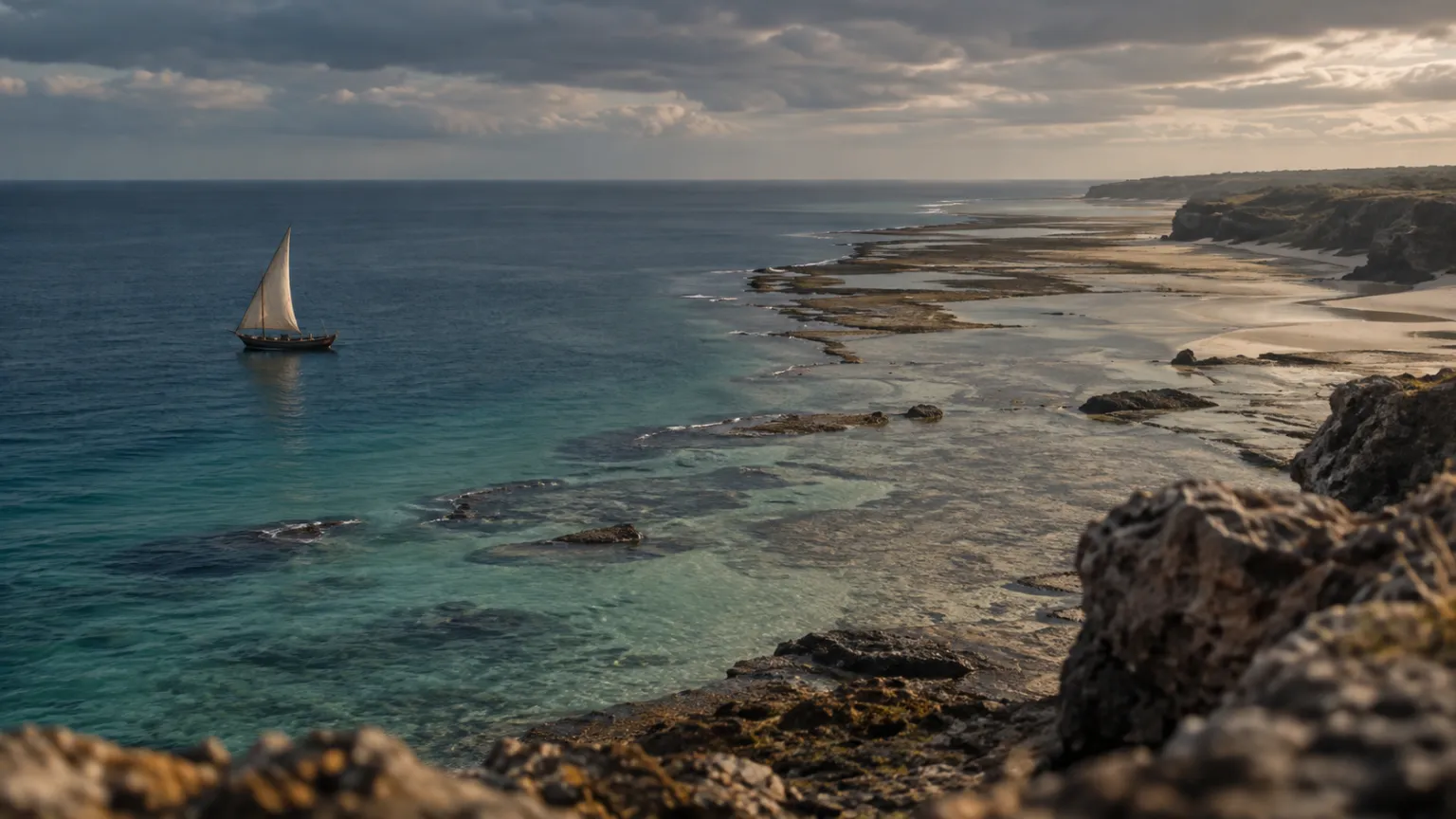
Nungwi, at the northern tip of Zanzibar's Unguja island, is chosen for land because the sea stays usable there when it retreats from other beaches. This note tests that claim for the principal. It reads the tide, the 30 m buffer rule, the anchor capital already present and the erosion record, and it grades every number it uses.