
Metodo value-add
Cos'è il value-add immobiliare: significato e strategia
Il value-add non è speculazione opportunistica. È navigazione regolatoria, disciplina progettuale ed esecuzione edilizia a fronte di un vincolo d'offerta stringente. Questo articolo ancora la strategia alla tassonomia istituzionale usata da INREV, CBRE e PGIM, e poi percorre la grammatica giurisdizionale di Italia, Indonesia, Tanzania ed Emirati Arabi Uniti, i quattro quadri regolatori in cui Victaura detiene posizioni.
 Illustrazione
Punti chiave
- - La tassonomia istituzionale è pubblicata e stabile: core con IRR 5-9%, core-plus 8-10%, value-add 11-15% con leva 60-75%, opportunistic 18-25% e oltre. Il value-add è il punto di mezzo disciplinato (Origin Investments; Lorimont; PGIM Real Estate; CBRE 2026 Global Investor Intentions Survey).
- - La CBRE 2026 Global Investor Intentions Survey (oltre 1.400 investitori) rileva che value-add e core sono le strategie più preferite a livello globale.
- - Lago di Como: fascia paesaggistica di 300 metri attorno a ogni lago (D.Lgs. 42/2004, art. 142), con la ristrutturazione sostanziale come percorso operativo; 12-24 mesi dall'inizio alla fine è un'ipotesi di Victaura Research. Knight Frank PIRI 100: +6,5% nel 2025.
- - Indonesia: la proprietà freehold Hak Milik è riservata ai cittadini dalla UUPA 1960, in base al principio costituzionale del controllo statale sulla terra (art. 33(3)). Accesso straniero tramite Hak Pakai fino a 80 anni o Hak Guna Bangunan di una PT PMA (GR 18/2021).
- - Zanzibar: locazioni governative per i non cittadini, di norma 33 anni rinnovabili fino a 99, senza freehold (Land Tenure Act 1992). Soglie per investitori strategici: 50 milioni di USD a Unguja e 5 milioni di USD a Pemba (Zanzibar Investment Act 2023).
- - Ras Al Khaimah: freehold per i non cittadini in aree designate ai sensi della Decisione RAK 12/2007. Wynn Al Marjan: un lieve ritardo segnalato il 7 maggio 2026, con apertura ora prevista a settembre 2027. CBRE: oltre 34.000 unità nel 2026-30, circa 10.000 branded (Decisione RAK 12/2007; Wynn Resorts, 7 maggio 2026; CBRE tramite Consultancy-me.com, 22 settembre 2026).
- - I punti di rottura sono identificabili: ritardi autorizzativi, esposizione climatica (Bernstein 2019: sconto di circa il 7% per l'innalzamento del livello del mare sulle abitazioni statunitensi), assorbimento dell'offerta (analogia con Macao), azzeramento geopolitico (guerra con l'Iran dal 28 febbraio 2026), asimmetria della liquidità in uscita fra le quattro giurisdizioni.
- - UBS GFO 2025: l'allocazione strategica media dei family office all'immobiliare era dell'11% nel 2024 (18% Stati Uniti, 11% Europa esclusa la Svizzera).
In questa pagina (11)
Note di revisione
Questo articolo è stato corretto il 27 settembre 2026. Un controllo di cifre e attribuzioni rispetto alle fonti citate ha rilevato errori, che sono stati corretti nel testo. L'elenco completo, con ciò che l'articolo diceva e ciò che dice ora, è nella sezione delle correzioni in fondo.
Questo articolo è stato corretto il 29 settembre 2026. Una versione precedente riportava fasce di rendimento indicative per quattro mercati in cui Victaura detiene posizioni. Victaura non pubblica dati di rendimento sui propri progetti, e le fasce sono state rimosse; i rendimenti di mercato riportati da terzi restano invariati. La versione precedente descriveva inoltre accordi di co-investimento, tappe di progetto e posizioni che andavano oltre le pagine pubbliche dei progetti di Victaura; il testo, e l'informativa in fondo, ora seguono quelle pagine.
Questo articolo è stato corretto il 13 ottobre 2026. Indicava l'importo di 200.000 EUR della flat tax dell'articolo 24-bis per chi trasferisce la residenza dal 10 agosto 2024; il decreto-legge 113/2024 lo applica a chi ha trasferito la residenza successivamente alla sua entrata in vigore, il 10 agosto 2024 (Normattiva). Le due norme da cui vengono gli importi sono ora tra le fonti.
Questo articolo è stato corretto il 13 ottobre 2026. Una versione precedente indicava per due progetti di Victaura anni di cantiere e di consegna che le loro pagine pubbliche di progetto non riportano. Sono stati tolti, e gli stati di avanzamento ora seguono quelle pagine. La sezione delle correzioni ora dice che tre cifre mancavano dalle fonti citate dall'articolo, non dalle fonti in generale.
La classificazione
Gli investitori istituzionali descrivono le strategie immobiliari lungo un unico spettro di rischio e rendimento. La tassonomia è esposta nelle guide pubblicate dagli operatori, tra cui quelle di Origin Investments e Lorimont. Il core si colloca all'estremo conservativo: immobili stabilizzati che generano reddito, net lease di lunga durata, conduttori investment grade, leva dal 40 al 45 per cento nella descrizione di Origin Investments e inferiore al 50 per cento in quella di Lorimont. Il core-plus è la stessa classe di attivi con un modesto potenziale operativo. L'opportunistic si colloca all'estremo opposto: sviluppo da zero, riposizionamento complesso, acquisizioni distressed, leva del 70 per cento o più secondo Origin Investments e spesso oltre l'80 per cento secondo Lorimont. Il value-add occupa il centro disciplinato.
I numeri ancorano il linguaggio. Il core punta a un IRR dal 5 al 9 per cento, in prevalenza da reddito già in essere. Il core-plus punta all'8-10 per cento con un miglioramento operativo leggero. Il value-add punta all'11-15 per cento con una leva dal 60 al 75 per cento, con un profilo di rendimento che pesa sull'esecuzione più che sul tempismo di mercato. L'opportunistic punta al 18-25 per cento e oltre, con un'esposizione proporzionata al mancato rilascio dei permessi, ai sovracosti di costruzione e a un lease-up inferiore alle attese. Queste fasce non sono convenzioni di Victaura; sono le definizioni di lavoro usate in PGIM Real Estate, Origin Investments e nella più ampia letteratura degli operatori, e si mappano con precisione sullo INREV Style Framework.
La CBRE 2026 Global Investor Intentions Survey, che ha interpellato oltre 1.400 investitori, indica value-add e core come le due strategie più gradite per l'anno. L'indagine ha coperto investitori in Nord America, Europa, Asia-Pacifico e America Latina. La lettura secondo cui in questo ciclo saranno l'esecuzione, più che la compressione dei rendimenti, a determinare i ritorni è un'ipotesi di Victaura Research, non un risultato dell'indagine.
Per un family office, l'implicazione è strutturale. L'UBS Global Family Office Report 2025, basato su 317 family office intervistati all'inizio del 2025, colloca l'allocazione strategica media al settore immobiliare all'11 per cento nel 2024, in crescita dal 10 per cento del 2023, con il 18 per cento per i family office statunitensi e l'11 per cento per quelli europei esclusa la Svizzera. Il dato si riferisce al portafoglio gestito dal family office, un perimetro più ristretto del patrimonio netto complessivo della famiglia.
Il value-add non significa comprare a poco e aspettare. Significa fare il lavoro che trasforma un potenziale in un prodotto finito e scarso.
Victaura Research
Il percorso italiano
Sul Lago di Como il vincolo che determina tutto è normativo, non ciclico. Il Codice dei beni culturali e del paesaggio, decreto legislativo 42 del 22 gennaio 2004, all'articolo 142, comma 1, lettera b, impone una fascia di tutela paesaggistica di 300 metri dalla linea di battigia di ogni lago, compresi i terreni elevati sul lago. La riva del Lago di Como è coperta per intero. Qualsiasi intervento che alteri lo stato dei luoghi richiede una previa autorizzazione paesaggistica, valutata dalla Soprintendenza Archeologia, Belle Arti e Paesaggio competente per la compatibilità con il contesto tutelato. Il Piano Paesaggistico Regionale della Lombardia aggiunge ulteriore protezione ai laghi insubrici (Como, Maggiore, Lugano), attraverso una specifica tutela paesaggistica dello scenario lacustre in sé.
La tempistica è il dato di base della valutazione. L'autorizzazione paesaggistica con procedimento semplificato (ai sensi del DPR 31/2017) ha un orizzonte normativo di 60 giorni. Il procedimento ordinario si applica agli interventi di maggiore impatto, con un parallelo permesso di costruire e, per i beni vincolati, l'autorizzazione ai sensi degli articoli 21 e 22 dello stesso Codice. Come ipotesi di Victaura Research, non come dato normativo o pubblicato, la tempistica pratica sul Lago di Como è di quattro-nove mesi per una pratica semplificata e di 12-24 mesi complessivi per l'iter ordinario con permesso di costruire. Un sito privo di autorizzazione non è un sito sviluppabile. È un sito con un'opzione.
La ristrutturazione sostanziale è la strada operativa. La nuova costruzione isolata entro la fascia dei 300 metri è, in pratica, proibitiva. La ristrutturazione edilizia ai sensi dell'articolo 3, comma 1, lettera d del DPR 380/2001 consente una riconfigurazione sostanziale dei volumi esistenti, compresa la demolizione e fedele ricostruzione entro l'impronta esistente, fatta salva la compatibilità paesaggistica. La tesi value-add sul Lago di Como si fonda su questa grammatica giuridica: acquisire un volume esistente sulla riva tutelata, ottenere la catena autorizzativa, realizzare una ristrutturazione sostanziale a standard istituzionali e uscire in un mercato in cui il prodotto fronte lago finito e conforme è strutturalmente scarso.
La domanda è duratura e internazionale. Engel & Völkers Italia, con Nomisma, nel Market Report Italia 2025, riporta prezzi da 4.000 a 10.000 EUR al metro quadro per le case ristrutturate nelle zone più esclusive del Lago di Como, con gli immobili di punta che raggiungono i 15.000 EUR al metro quadro, e un interesse marcato da parte di acquirenti internazionali (come riportato da idealista/news, 24 novembre 2025). Il PIRI 100 di Knight Frank, nel The Wealth Report 2026, colloca il Lago di Como a +6,5 per cento per il 2025, 19º su 100 mercati, contro una media globale prime di +3,2 per cento. La flat tax sui redditi esteri dell'articolo 24-bis dell'Italia era di 100.000 EUR l'anno al lancio, 200.000 EUR per chi ha trasferito la residenza successivamente all'entrata in vigore del decreto-legge 113/2024, il 10 agosto 2024, e 300.000 EUR per chi lo fa dal 1° gennaio 2026. Le stime tecniche governative per la Legge di Bilancio 2026, come sintetizzate da Fiscalità Patrimoniale, indicano circa 270 nuovi ingressi l'anno nel periodo 2021-2023 e prevedono che l'imposta più alta li riduca a circa 130 l'anno.
Il percorso indonesiano
L'Indonesia imposta la strategia value-add attorno a un limite di legge alla piena proprietà. L'articolo 33, comma 3, della Costituzione del 1945 pone la terra sotto il controllo dello Stato, e la Legge agraria fondamentale del 1960 (Undang-Undang Pokok Agraria, UUPA), agli articoli 9, 21 e 26, comma 2, riserva l'Hak Milik, il titolo di piena proprietà, ai cittadini indonesiani. Il limite non è una politica che si possa rivedere con una legge di bilancio. È un quadro normativo, radicato nel principio costituzionale del controllo statale sulla terra, che regge dal 1960.
Gli investitori internazionali partecipano attraverso altre strutture riconosciute. L'Hak Pakai (diritto d'uso) è accessibile alle persone fisiche straniere legalmente residenti in Indonesia, ed è concesso per un periodo iniziale fino a 30 anni, prorogabile di 20 e rinnovabile di 30 ai sensi del Regolamento governativo 18/2021, per una durata effettiva complessiva fino a 80 anni. Una società a capitale straniero strutturata come PT PMA (Penanaman Modal Asing) può detenere l'Hak Guna Bangunan su un terreno di cui non è proprietaria in senso pieno, con lo stesso schema 30 + 20 + 30. La via della PT PMA è il veicolo operativo per gli sviluppi di livello istituzionale a Bali, Lombok e nell'arcipelago delle Gili. L'Hak Sewa (locazione) resta disponibile come struttura contrattuale più leggera.
Per una piccola isola, il limite costituzionale si somma a una scarsità aritmetica. Gili Air si estende su una superficie finita di circa 175 ettari, con un inventario identificabile di lotti sviluppabili. Bali ha ricevuto circa 6,3 milioni di arrivi internazionali nel 2024, sopra i livelli pre-pandemia (BPS-Statistics Bali Province, via ANTARA); l'Indonesia nel complesso ne ha attratti 13,9 milioni (BPS, via Kontan). Il ciclo value-add su un sito delle Gili è quindi: individuazione di un lotto con titolo pulito (la due diligence sul titolo è il singolo filone di lavoro più importante prima dell'acquisizione), strutturazione della PT PMA, approvazione edilizia con il PBG (Persetujuan Bangunan Gedung), che ha sostituito l'IMB ai sensi del Regolamento governativo 16/2021, costruzione, stabilizzazione attraverso un livello operativo alberghiero e uscita su un orizzonte che rispetti il limite di durata del diritto.
Il rischio climatico è ormai un dato di input della valutazione. Lo stato della barriera corallina, l'erosione costiera e l'innalzamento del livello del mare attorno alle isole Gili non sono quantificati in questo articolo; considerarli rischi rilevanti è un'ipotesi di Victaura Research. La conformità al piano territoriale regionale (Rencana Tata Ruang Wilayah, RTRW) va verificata lotto per lotto. Nulla di tutto ciò invalida la tesi sulla destinazione; rende però obbligatori la due diligence a livello di lotto, l'arretramento dell'edificio dalla linea di costa e una valutazione con scenari climatici espliciti.
Il percorso tanzaniano
Zanzibar è una giurisdizione di leasehold per legge. Ai sensi del Land Tenure Act 1992, tutta la terra di Zanzibar è terra pubblica amministrata per conto del Presidente; i non cittadini non possono essere proprietari in senso pieno e detengono la terra attraverso concessioni governative, in genere di 33 anni e rinnovabili fino a 99 anni. Lo Zanzibar Investment Act 2023 ha abrogato lo ZIPA Act del 2018. Questa grammatica è più vicina a quella dell'Indonesia che a quella degli Emirati Arabi Uniti, e sostanzialmente diversa dalle zone designate in piena proprietà disponibili a Ras Al Khaimah. L'architettura giuridica è più vincolante di quanto si ritenga in genere, e una valutazione value-add che presuma un'opzione di piena proprietà all'uscita è una valutazione che non ha letto la norma.
Lo status di investitore strategico è la soglia istituzionale. Lo Zanzibar Investment Act 2023 riconosce lo status di investitore strategico, con incentivi aggiuntivi, ai progetti che superano soglie minime di investimento di USD 50 milioni a Unguja e di USD 5 milioni a Pemba. L'approvazione dello ZIPA è l'autorizzazione operativa. Senza di essa, il ciclo value-add su un resort o su un progetto di branded residence a Zanzibar non è finanziabile secondo gli standard istituzionali.
Il mercato si sta spostando dalla fascia media al lusso. L'OCGS di Zanzibar ha registrato 736.755 arrivi internazionali nel 2024, in crescita del 15,4 per cento sul 2023, con l'Europa al 71,6 per cento dei visitatori e l'Italia primo mercato di origine con l'11,8 per cento. Nel 2025 gli arrivi sono saliti a 917.167, quasi il 25 per cento in più, con l'Italia ancora prima al 14,4 per cento (OCGS e Zanzibar Commission for Tourism, riportati da The Citizen il 18 gennaio 2026). Park Hyatt e Meliá sono presenti sull'isola; Marriott ha annunciato nel febbraio 2024 un resort Le Méridien da 75 camere a Bwejuu, sulla costa orientale, con apertura allora prevista per il 2025. Anantara Zanzibar Resort and Residences (Infinity Developments, Nungwi, GDV di USD 150 milioni, 111 chiavi alberghiere e 70 appartamenti branded, apertura prevista nel 2027) è il progetto di branded residence più ambizioso finora.
L'esposizione climatica è il vincolo determinante nella scelta del lotto. Uno studio del 2026 su Communications Earth & Environment rileva che il livello del mare lungo le coste africane è salito di 11,26 centimetri dal 1993, più della media globale (EurekAlert, 24 marzo 2026). Questo articolo non cita un tasso di erosione della linea di costa per Unguja; considerare l'erosione rilevante sulla costa orientale è un'ipotesi di Victaura Research. Rigore nell'arretramento dalla costa, impronta operativa leggera e due diligence climatica a livello di lotto sono input obbligatori di qualsiasi valutazione che miri a superare una soglia istituzionale.
Il percorso degli Emirati Arabi Uniti
Il quadro degli Emirati Arabi Uniti è il più permissivo dei quattro per i capitali stranieri. A Ras Al Khaimah la proprietà freehold per gli stranieri è stabilita a livello di emirato: la Decisione n. 12 del 2007, emanata dall'allora principe ereditario, consente ai non cittadini di possedere immobili in freehold, senza una società locale, in aree designate, cioè terreni sviluppati o di proprietà della Ras Al Khaimah Investment Authority, di Al Hamra Real Estate e di Rakin e delle rispettive affiliate. L'offerta è controllata dal master developer anziché da una fascia paesaggistica di legge, e l'assorbimento è modellato da un numero ridotto di catalizzatori di grande formato.
Il corridoio di Wynn Al Marjan è il catalizzatore per eccellenza. Il 4 ottobre 2024 Wynn Resorts ha annunciato che la General Commercial Gaming Regulatory Authority aveva rilasciato la prima licenza per una struttura di gioco commerciale negli Emirati Arabi Uniti alla joint venture che sviluppa Wynn Al Marjan Island, un resort da circa 5 miliardi di USD (CDC Gaming Reports). Nella conference call sui risultati del primo trimestre 2026, il 7 maggio 2026, Wynn ha dichiarato di attendersi un modesto ritardo dell'apertura, prevista in precedenza per la primavera 2027, citando difficoltà logistiche e di trasporto marittimo legate al conflitto USA-Iran. Nel comunicato sul secondo trimestre 2026 del 4 agosto 2026, Wynn ha dichiarato che l'apertura del resort è prevista per settembre 2027. CBRE prevede la consegna di oltre 34.000 unità residenziali a Ras Al Khaimah tra il 2026 e il 2030, circa 10.000 delle quali branded (Consultancy-me.com, 22 settembre 2026).
Il ciclo è guidato dagli eventi e vincolato dall'assorbimento. L'analogia con Macao è il caso di riferimento pertinente; l'idea che i cicli immobiliari dei resort integrati possano raggiungere il picco alcuni anni dopo l'apertura per poi correggere bruscamente è un'ipotesi di Victaura Research, non un tasso di base documentato da una fonte. Una valutazione (underwriting) che si ancora solo allo scenario favorevole, senza ponderare per scenari una reversione alla media in stile Macao, è una valutazione a scenario unico. Il livello geopolitico aggrava la questione. L'Iran ha colpito più volte gli Emirati dopo gli attacchi USA-Israele contro l'Iran del 28 febbraio 2026, tra cui Fujairah a marzo e di nuovo il 4 maggio 2026, dopo il cessate il fuoco dell'8 aprile. Quel cessate il fuoco, che il memorandum di Islamabad del 17 giugno 2026 avrebbe dovuto trasformare in un processo per porre fine alla guerra, è crollato l'8 luglio 2026 dopo attacchi da entrambe le parti; al 27 settembre 2026 non era in vigore alcun cessate il fuoco, e funzionari statunitensi e iraniani si erano incontrati all'Assemblea generale delle Nazioni Unite il 22 e 23 settembre per discutere una proposta iraniana di cessate il fuoco fino a 60 giorni (The National, 23 settembre 2026). Cinzia Bianco dell'European Council on Foreign Relations (15 maggio 2026) descrive la guerra come una Zeitenwende per il Golfo e scrive che gli attacchi di maggio a Fujairah hanno rafforzato l'opinione che l'ostilità iraniana sia profonda. I volumi di compravendita a Dubai sono scesi di circa il 20 per cento a marzo 2026 a causa della guerra regionale, secondo dati CBRE e YallaValue riportati da The National. Il PIRI 100 di Knight Frank registra Dubai a +25,1 per cento nel 2025, seconda su 100 mercati. Gli Emirati restano una giurisdizione operativa value-add legittima. Non sono più una giurisdizione difensiva.
Lo status di Stato in prima linea non è un inconveniente di marketing. È un input di valutazione (underwriting). Una piattaforma che ha prezzato il Golfo statico non ha prezzato il Golfo del maggio 2026.
Victaura Research
Il profilo di rendimento istituzionale
Un ciclo value-add ha cinque fasi operative. L'acquisizione richiede due diligence sul titolo, pre-fattibilità normativa e prezzo condizionato. L'iter autorizzativo è una navigazione statutaria: sul Lago di Como l'autorizzazione paesaggistica e il permesso di costruire; a Zanzibar il certificato di investimento ZIPA e, sopra le soglie, lo status di investitore strategico; in un sito di Gili la strutturazione PT PMA e l'approvazione edilizia PBG; a Ras Al Khaimah l'approvazione del master developer. La costruzione è project management istituzionale con impiego del capitale legato al raggiungimento di milestone. La stabilizzazione è la fase di avvio operativo tramite un operatore branded o un livello alberghiero diretto. L'uscita è la strategia di dismissione, attraverso vendite per singola unità, la cessione di un singolo asset o un'operazione a livello di portafoglio verso un acquirente istituzionale.
L'orizzonte di lavoro, un'ipotesi di Victaura Research, è da tre a cinque anni per singolo asset. Una ristrutturazione sostanziale sul Lago di Como richiede in genere da 24 a 36 mesi dall'autorizzazione alla consegna, con una detenzione stabilizzata di 12-24 mesi prima dell'uscita. I cicli dei resort di Zanzibar e Gili durano da 30 a 48 mesi dall'approvazione ZIPA o PBG all'apertura. I cicli off-plan di Ras Al Khaimah seguono il calendario di consegna del master developer, in genere da 24 a 42 mesi dal lancio alla consegna. Tutte queste durate sono ipotesi di Victaura Research, non dati pubblicati. La suite di KPI è identificabile: IRR a livello di asset, multiplo sull'equity all'uscita, costo medio ponderato del capitale a livello di progetto, tempo alla stabilizzazione, margine lordo sulle unità consegnate e una riconciliazione, di livello informativo, delle milestone dal permesso alla consegna.
Victaura, tramite Greystone B.V., pubblica lo stato di avanzamento di ciascun progetto nella relativa pagina. La Modern Villa on Lake Como, a Pognana Lario, è un asset con iter autorizzativo avanzato. Le Two Villas on Lake Como, a Carate Urio, sono in fase autorizzativa, con costruzione attesa a seguire nel 2026. Secret Zanzibar Hotel & Villas, a Nungwi, è in sviluppo attivo. Sono stati di avanzamento dichiarati, non risultati conseguiti, e ciascun progetto va verificato rispetto ad essi man mano che procede.
Che cosa può andare storto
I ritardi autorizzativi sono la prima modalità di fallimento. Sul Lago di Como, una risposta della Soprintendenza che arrivi dopo nove mesi anziché quattro su un'autorizzazione paesaggistica complessa comprime la finestra di cantiere in una stagione meteorologica meno favorevole, con effetti di secondo ordine su costi e commercializzazione. A Zanzibar, un'approvazione ZIPA che richieda più del previsto ritarda l'avvio dei lavori e l'apertura. In un sito a Gili, un problema sull'approvazione edilizia PBG che renda necessario un nuovo deposito può allungare la fase pre-costruzione di 12 mesi, un'ipotesi di Victaura Research. Sono le frizioni ricorrenti di chi opera in giurisdizioni dove il regolatore non è lo sviluppatore.
L'esposizione climatica è la seconda modalità di fallimento. Bernstein, Gustafson e Lewis, nel loro articolo del 2019 sul Journal of Financial Economics, hanno rilevato che le case statunitensi esposte all'innalzamento del livello del mare si vendono a circa il 7 per cento in meno rispetto a case equivalenti non esposte e alla stessa distanza dalla spiaggia, uno sconto cresciuto nel tempo e determinato da acquirenti sofisticati e da comunità preoccupate per il riscaldamento globale. Applicare uno sconto comparabile alla valutazione di immobili fronte oceano nell'Oceano Indiano occidentale o in Indonesia è un'ipotesi di Victaura Research.
L'assorbimento dell'offerta è la terza modalità di fallimento. Un progetto lanciato a Ras Al Khaimah in un mercato in cui CBRE prevede più di 34.000 unità residenziali, circa 10.000 delle quali branded, tra il 2026 e il 2030 compete per un bacino di assorbimento finito. Che a vendite iniziali rapide possa seguire una decelerazione, come a Dubai dopo il 2008, è un'ipotesi di Victaura Research tratta dai cicli passati, non un tasso di base documentato da una fonte. Il ciclo di RAK trainato da Wynn non deve per forza ripetere Macao. Deve però essere valutato con Macao nell'insieme degli scenari.
Il riassetto geopolitico è la quarta modalità di fallimento. La guerra dell'Iran iniziata il 28 febbraio 2026, con attacchi iraniani sugli Emirati Arabi Uniti da quel giorno e su Fujairah da marzo, a inizio anno non era incorporata nei prezzi degli immobili del Golfo, secondo la lettura di Victaura Research. Gli effetti misurabili finora includono un calo di circa il 20 per cento dei volumi di transazione a Dubai nel marzo 2026 (CBRE e YallaValue, tramite The National) e lo spostamento dell'apertura di Wynn Al Marjan dalla primavera 2027 a settembre 2027. Una piattaforma che prezzava il Golfo statico oggi sta rivedendo i prezzi. La risposta di portafoglio a un riassetto geopolitico è la distribuzione fra giurisdizioni, non la concentrazione.
La liquidità di uscita è la quinta e più silenziosa modalità di fallimento. Una villa sul Lago di Como esce in un mercato profondo, internazionale, di piena proprietà. Una residenza in leasehold a Zanzibar esce in un mercato più sottile, in cui il bacino di acquirenti è consapevole del limite dei 99 anni. Un Hak Pakai a Gili esce nel più sottile dei quattro. Un'unità a Ras Al Khaimah esce in un mercato con una profonda liquidità di piena proprietà ma con un rischio visibile di assorbimento dell'offerta su un orizzonte di quattro-sei anni. La fascia di IRR obiettivo dall'11 al 15 per cento a livello di strategia è un riferimento istituzionale; l'uscita effettivamente realizzata, in ciascuna giurisdizione, dipende da una liquidità che nei quattro casi non è identica.
Il prezzo dice che cosa il mercato pensa oggi. La scarsità normativa dice perché, in termini strutturali, il mercato continuerà a pensarlo. Il caso istituzionale per il value-add poggia su questa distinzione.
Victaura Research
Come lo applica Victaura
La tesi poggia su tre princìpi: Location, Timing, Execution. Ci impegniamo solo su località scarse: fronte diretto sul Lago di Como, leasehold fronte oceano a Nungwi, tenure Hak Pakai di lungo periodo su un'isola finita, unità off-plan su Al Marjan Island a Ras Al Khaimah. Entriamo nei punti di inflessione: a Como, mentre l'offerta di immobili prime finiti si restringe di fronte alla domanda internazionale; a Ras Al Khaimah, in anticipo sul ciclo dei resort integrati; a Nungwi, mentre la destinazione passa dalla fascia media al lusso. Dove sviluppiamo direttamente, controlliamo l'intera filiera, dal concept e dai permessi al progetto e alla costruzione, e iniziamo solo quando l'iter autorizzativo è concluso.
Operiamo come sviluppatore diretto nella maggior parte dei casi, e come investitore off-plan in alcuni selezionati, dove è disponibile una chiara asimmetria prezzo-valore insieme a un primario sviluppatore locale. Nello sviluppo diretto, il valore si crea con il lavoro, non con la leva finanziaria e non con la speculazione. Nella posizione off-plan su Al Marjan Island costruisce lo sviluppatore locale; noi selezioniamo le unità, scegliamo il momento di ingresso e gestiamo la rivendita.
Ogni progetto è detenuto tramite una SPV dedicata e segregata (ring-fenced), sotto la holding olandese Greystone B.V., con governance a livello di progetto. La segregazione separa il rischio di un progetto da quello di un altro. Non elimina il rischio interno a ciascun progetto.
| Mercato | Titolo di proprietà | Tempi autorizzativi | Esposizione climatica | Vincolo di offerta | Liquidità di uscita |
|---|---|---|---|---|---|
| Lago di Como | Piena proprietà | 12-24 mesi (autorizzazione paesaggistica + permesso di costruire) | Lago alpino, bassa | Fascia paesaggistica di legge di 300 metri | Profonda, internazionale, piena proprietà |
| Zanzibar (Nungwi) | Leasehold, nessuna piena proprietà | 6-12 mesi (ZIPA SIS + autorizzazioni locali) | Innalzamento del livello del mare ed erosione costiera (non quantificati in questa sede) | Passaggio di approvazione ZIPA; scelta della particella vincolata dal clima | Bacino di acquirenti leasehold più sottile e sofisticato |
| Gili Air | Hak Pakai / PT PMA Hak Guna Bangunan | 9-15 mesi (PT PMA + PBG + conformità RTRW) | Esposizione a barriera corallina e costa (non quantificata in questa sede) | Isola finita, particelle edificabili identificabili | Sottile, bacino di acquirenti di nicchia, limite di durata visibile |
| Ras Al Khaimah | Piena proprietà in zone designate | Calendario del master developer (nessuna fascia paesaggistica di legge) | Esposizione al caldo; attacchi iraniani sugli Emirati Arabi Uniti dal 28 febbraio 2026 | Controllo del master developer, nessun tetto di legge | Profonda per la piena proprietà, rischio di assorbimento visibile 2027-30 |
Istituzioni inclusive, diritti di proprietà sicuri ed esecutivi vincolati sono il fondamento della prosperità di lungo periodo.
Parafrasi da Daron Acemoglu, discorso per il Premio Nobel per l'economia 2024.
Che cosa significa per un investitore
Per un family office o per un consulente dell'investitore, le implicazioni sono pratiche. Primo, le quattro giurisdizioni non sono equivalenti. Como è vincolata dai permessi e culturalmente consolidata, una detenzione a bassa volatilità con profonda liquidità di uscita. Zanzibar e Gili Air portano limiti di tenure costituzionali o di legge che riducono anche la liquidità in uscita. Ras Al Khaimah offre liquidità di piena proprietà ma nessun tetto di legge all'offerta e un ciclo visibile, guidato dagli eventi, aggravato dalla guerra dell'Iran del 2026, in cui l'Iran ha colpito gli Emirati Arabi Uniti dal 28 febbraio 2026 e in cui, al 27 settembre 2026, non era in vigore alcun cessate il fuoco (The National, 23 settembre 2026). L'implicazione di portafoglio è che il value-add è un diversificatore di rischio fra questi quattro nodi, non una scommessa singola.
Secondo, la capacità dell'operatore è l'input vincolante. In un mercato a corto di prodotto finito di alta qualità, la capacità di gestire permessi, progettazione e costruzione è essa stessa la fonte del rendimento. A livello di strategia, la fascia di IRR obiettivo dall'11 al 15 per cento è generata dal lavoro, non dal ciclo. Quella capacità va verificata progetto per progetto, rispetto alle fasi di progetto pubblicate e ai conflitti dichiarati. Terzo, la scarsità è verificabile. Una fascia paesaggistica di 300 metri è di 300 metri a prescindere dal ciclo. Un tetto di legge alla piena proprietà è di legge a prescindere dal testo di marketing. Un massimo di 99 anni di leasehold è di legge a prescindere dalla narrazione dell'intermediario. Il caso istituzionale per il value-add in giurisdizioni a terra scarsa poggia su tre condizioni osservabili: un vincolo normativo o costituzionale vincolante sull'offerta, una base di domanda internazionale duratura e in crescita, e un operatore in grado di convertire un sito scarso in un prodotto finito, conforme e consegnabile. Se un dato progetto le soddisfi tutte e tre è una domanda per la due diligence.
Dichiarazione di interessi (skin in the game). Victaura, tramite la capogruppo Greystone B.V. (Paesi Bassi), sviluppa progetti sul Lago di Como (Italia), a Nungwi, Zanzibar (Tanzania), a Gili Air e a Uluwatu, Bali (Indonesia), e detiene una posizione di capitale off-plan su Al Marjan Island, Ras Al Khaimah (Emirati Arabi Uniti). I lettori devono presumere che il commento possa essere influenzato da queste posizioni, o andare a loro beneficio. Questo documento è classificato come materiale di marketing ai sensi dell'articolo 24(3) della MiFID II. Non costituisce consulenza in materia di investimenti.
Correzioni, 27 settembre 2026
Cosa diceva l'articolo e cosa dice ora. La versione pubblicata descriveva la proprietà freehold a Ras Al Khaimah come definita dalla Legge federale degli EAU 11 del 2021; ora cita la Decisione n. 12 del 2007 di Ras Al Khaimah, che consente la proprietà freehold ai non cittadini in aree designate. Attribuiva la regola del leasehold di 99 anni di Zanzibar alla Section 27 della ZIPA Act 2018 e le soglie strategiche di 50 milioni di USD (Unguja) e 5 milioni di USD (Pemba) alla Tanzania Investment Act 2022; la legge del 2018 è stata abrogata dalla Zanzibar Investment Act 2023, che fissa tali soglie, mentre i contratti di locazione per non cittadini di 33 anni, rinnovabili fino a 99, discendono dalla Land Tenure Act 1992. Definiva costituzionale la riserva indonesiana della proprietà freehold; è invece di rango legislativo, ai sensi della Legge agraria fondamentale del 1960, e il permesso di costruire IMB citato è stato sostituito dal PBG con il Regolamento governativo 16/2021. Affermava che la fascia di 300 metri del Lago di Como valesse per i laghi di interesse pubblico; l'articolo 142 del decreto legislativo 42/2004 riguarda tutti i laghi. Attribuiva al Lago di Como un +54 per cento in cinque anni nel PIRI di Knight Frank e una previsione di +3 per cento per Dubai nel 2026; nessuna delle due cifre compare in The Wealth Report 2026, che indica per il Lago di Como +6,5 per cento nel 2025. Affermava che circa il 60 per cento della domanda sul Lago di Como fosse estera e che la flat tax italiana avesse avuto 94 nuovi aderenti nel 2017 e circa 1.631 contribuenti nel 2024; queste cifre non sono presenti nelle fonti citate e sono state sostituite da stime governative di circa 270 nuovi aderenti l'anno nel periodo 2021-2023. Descriveva l'allocazione immobiliare dell'11 per cento di UBS come una mediana con esclusioni specifiche, più un intervallo del 25-40 per cento per gli UHNWI europei; UBS riporta una media dell'11 per cento per il 2024 e l'intervallo non aveva fonte. Riportava dati CBRE di 9.000 unità branded a Ras Al Khaimah e una quota branded in crescita dal 27 al 54 per cento; CBRE (settembre 2026) prevede oltre 34.000 unità nel 2026-2030, circa 10.000 delle quali branded. Datava la conference call sugli utili di Wynn all'8 maggio 2026 e collegava il ritardo a Fujairah; la call si è tenuta il 7 maggio 2026, Wynn ha citato il conflitto tra Stati Uniti e Iran e il 4 agosto 2026 Wynn ha fissato l'apertura a settembre 2027. Datava l'arrivo del conflitto con l'Iran a Fujairah all'inizio di maggio 2026, affermava che le transazioni prime a Dubai fossero calate del 20 per cento su base annua e definiva gli EAU uno «Stato in prima linea» con le parole di Cinzia Bianco; la guerra è iniziata il 28 febbraio 2026, Fujairah è stata colpita da marzo, i volumi di transazioni a Dubai nel complesso sono scesi di circa il 20 per cento a marzo 2026 (CBRE e YallaValue), l'articolo di Bianco per l'ECFR non usa quell'espressione e il cessate il fuoco di aprile è crollato l'8 luglio 2026, senza alcuna tregua in vigore al 27 settembre 2026. Indicava un innalzamento del livello del mare nell'Oceano Indiano occidentale di 3,5 mm l'anno, un'erosione a Unguja di 15,6 metri l'anno, lo sbiancamento dei coralli a Gili Matra dal 2026 e correzioni del 30-50 per cento a Macao; nessuno di questi dati ha potuto essere verificato e sono stati rimossi o indicati come ipotesi. Descriveva lo sconto di Bernstein, Gustafson e Lewis come misurato su abitazioni della Florida per un bacino di acquirenti filtrato; lo studio rileva circa il 7 per cento sulle abitazioni statunitensi esposte, determinato da acquirenti sofisticati.
Una successiva revisione, svolta lo stesso giorno, ha precisato alcune delle correzioni sopra riportate e ne ha introdotte altre. Un ulteriore controllo sulle fonti citate ha dato i seguenti esiti. L'articolo affermava che CBRE si aspettasse circa il 54 per cento della futura offerta branded di Ras Al Khaimah su Al Marjan Island; il rapporto di Consultancy-me.com sui dati CBRE (22 settembre 2026) non contiene tale cifra, che è stata quindi rimossa, mentre restano le oltre 34.000 unità e le circa 10.000 unità branded. Affermava che l'Iran avesse colpito gli EAU da marzo 2026; gli attacchi iraniani agli EAU sono iniziati il 28 febbraio 2026 e Fujairah è stata colpita da marzo e di nuovo il 4 maggio 2026 (Wikipedia, United Arab Emirates in the 2026 Iran war; Al Jazeera). Affermava che il memorandum di Islamabad del 17 giugno 2026 fosse saltato l'8 luglio 2026; il cessate il fuoco iniziato l'8 aprile è crollato l'8 luglio 2026 dopo attacchi da entrambe le parti (Wikipedia, 2026 Iran war ceasefire) e al 27 settembre 2026 non era in vigore alcun cessate il fuoco, mentre funzionari statunitensi e iraniani discutevano all'Assemblea generale delle Nazioni Unite una proposta iraniana di cessate il fuoco fino a 60 giorni (The National, 23 settembre 2026). Datava il comunicato di EurekAlert sul livello del mare in Africa al 17 febbraio 2026; il comunicato è datato 24 marzo 2026. Affermava che Bali avesse registrato un record di visitatori nel 2024; ANTARA, citando BPS Bali, riporta 6.333.360 arrivi internazionali, sopra i livelli pre-pandemia, e il totale nazionale di 13,9 milioni è ora attribuito a BPS tramite Kontan. Descriveva la leva del segmento core come limitata al 30-40 per cento e quella opportunistic come spesso superiore al 75 per cento; Origin Investments indica 40-45 per cento e 70 per cento o più, e Lorimont indica meno del 50 per cento e spesso oltre l'80 per cento. Definiva la tassonomia delle strategie stabile da vent'anni e presente in ogni memorandum di valutazione istituzionale; l'affermazione non aveva fonte ed è stata sostituita. Le durate dei cicli per singolo asset nella sezione sul profilo di rendimento istituzionale sono ora indicate come ipotesi di Victaura Research.
Da Victaura
- Dove si sta spostando la ricchezza mondiale (dossier Vol.1 2026)
- La scarsità come protezione del valore: lakefront, oceanfront e freehold insulare
- Il nostro approccio: localizzazione, tempistica, esecuzione
- Villa moderna sul Lago di Como (Pognana Lario)
- Ville a Gili Air (isola boutique)
- Secret Zanzibar Hotel & Villas (Nungwi)
- Investi con Victaura
Fonti
- INREV, Style Framework for non-listed real estate funds
- CBRE, 2026 Global Investor Intentions Survey
- PGIM Real Estate, value-add investing house view
- CBRE Investment Management, real estate strategies
- JLL, Global Real Estate Outlook 2026
- UBS, Global Family Office Report 2025 (allocazione media all'immobiliare dell'11%, 2024)
- Knight Frank, PIRI 100, The Wealth Report 2026
- Italia, Codice dei beni culturali e del paesaggio (D.Lgs 42/2004, art. 142)
- Italia, DPR 31/2017 (procedimento semplificato di autorizzazione paesaggistica)
- Italia, DPR 380/2001, articolo 3 (definizione di ristrutturazione edilizia sostanziale)
- Engel & Völkers Italia / Nomisma, Market Report Italia 2025
- Indonesia, Legge agraria di base (UUPA 1960) e Regolamento governativo 18/2021
- Zanzibar Investment Act 2023 (Act No. 10 of 2023), Section 25 e Second Schedule: soglie per gli investitori strategici (testo pubblicato dalla Camera dei Rappresentanti di Zanzibar)
- Zanzibar Land Tenure Act 1992 (concessioni governative fino a 99 anni), Ardean Law Chambers
- Ras Al Khaimah, Decisione n. 12/2007 sulla proprietà freehold per i non cittadini
- Wynn Resorts, comunicato sui risultati del primo trimestre 2026 (7 maggio 2026)
- Bernstein, Gustafson and Lewis, Journal of Financial Economics 134, 2019 (sconto di circa il 7% per l'innalzamento del livello del mare)
- Communications Earth & Environment (2026), 2023-2024 El Niño amplifies record sea level surges in African marine domains
- Knight Frank, The Wealth Report 2026 (banca dati PIRI 100)
- idealista/news, Engel & Völkers e Nomisma sui mercati di lusso lacustri (24 novembre 2025)
- Fiscalità Patrimoniale, flat tax per i nuovi residenti dopo la Legge di Bilancio 2026
- Hukumonline, diritti sulla terra per gli stranieri in Indonesia (Hak Pakai, PP 18/2021)
- DPMPTSP Bantul, IMB sostituito da PBG (PP 16/2021)
- Mongabay Indonesia, aree insulari di Gili Matra (7 ottobre 2016)
- ANTARA, BPS arrivi internazionali a Bali 2024
- Charter Cities Institute, Policy Evaluation of the 2018 and 2023 Zanzibar Investment Laws (maggio 2024)
- TanzaniaInvest, OCGS arrivi turistici a Zanzibar 2024
- The Citizen, arrivi a Zanzibar 2025 (18 gennaio 2026)
- Hospitality Net, Marriott to bring Le Méridien to Zanzibar (19 febbraio 2024)
- EurekAlert, African coastlines sea level study (24 marzo 2026)
- Wynn Resorts, licenza di operatore di gioco per Wynn Al Marjan Island (4 ottobre 2024)
- CDC Gaming Reports, Wynn Al Marjan modest delay (maggio 2026)
- Wynn Resorts, comunicato sui risultati del secondo trimestre 2026, SEC Form 8-K (4 agosto 2026)
- Consultancy-me.com, CBRE on Ras Al Khaimah residential pipeline (22 settembre 2026)
- The National, UAE property shifts towards buyer's market (8 maggio 2026)
- Cinzia Bianco, ECFR, The postwar UAE and the remaking of Gulf politics (15 maggio 2026)
- Al Jazeera, UAE reports missile and drone strikes from Iran (4 maggio 2026)
- Wikipedia, United Arab Emirates in the 2026 Iran war
- Wikipedia, 2026 Iran war ceasefire
- Origin Investments, What are core, core plus, value-add and opportunistic investments?
- Lorimont, Core, core plus, value-add and opportunistic commercial investments
- Kontan, BPS: 13.9 million international visits to Indonesia in 2024
- The National, Iran presents US with road map for regionwide ceasefire (23 settembre 2026)
- Normattiva, decreto-legge 9 agosto 2024, n. 113, articolo 2
- Normattiva, legge 30 dicembre 2025, n. 199, articolo 1, commi 25 e 26
Le informazioni presenti su questo sito hanno finalità esclusivamente informative e non costituiscono un'offerta, una sollecitazione all'investimento o una consulenza finanziaria. I rendimenti indicati sono stime e non sono garantiti; le performance passate non sono indicative di risultati futuri. Il capitale investito è soggetto a rischio.
Stai valutando un'allocazione in immobili di lusso nelle località in cui operiamo? Parla con noi dei nostri progetti attuali e futuri.
Parla con Victaura →Approfondimenti correlati
Metodo value-add
Conversione di resort: valutare lo stack di capex
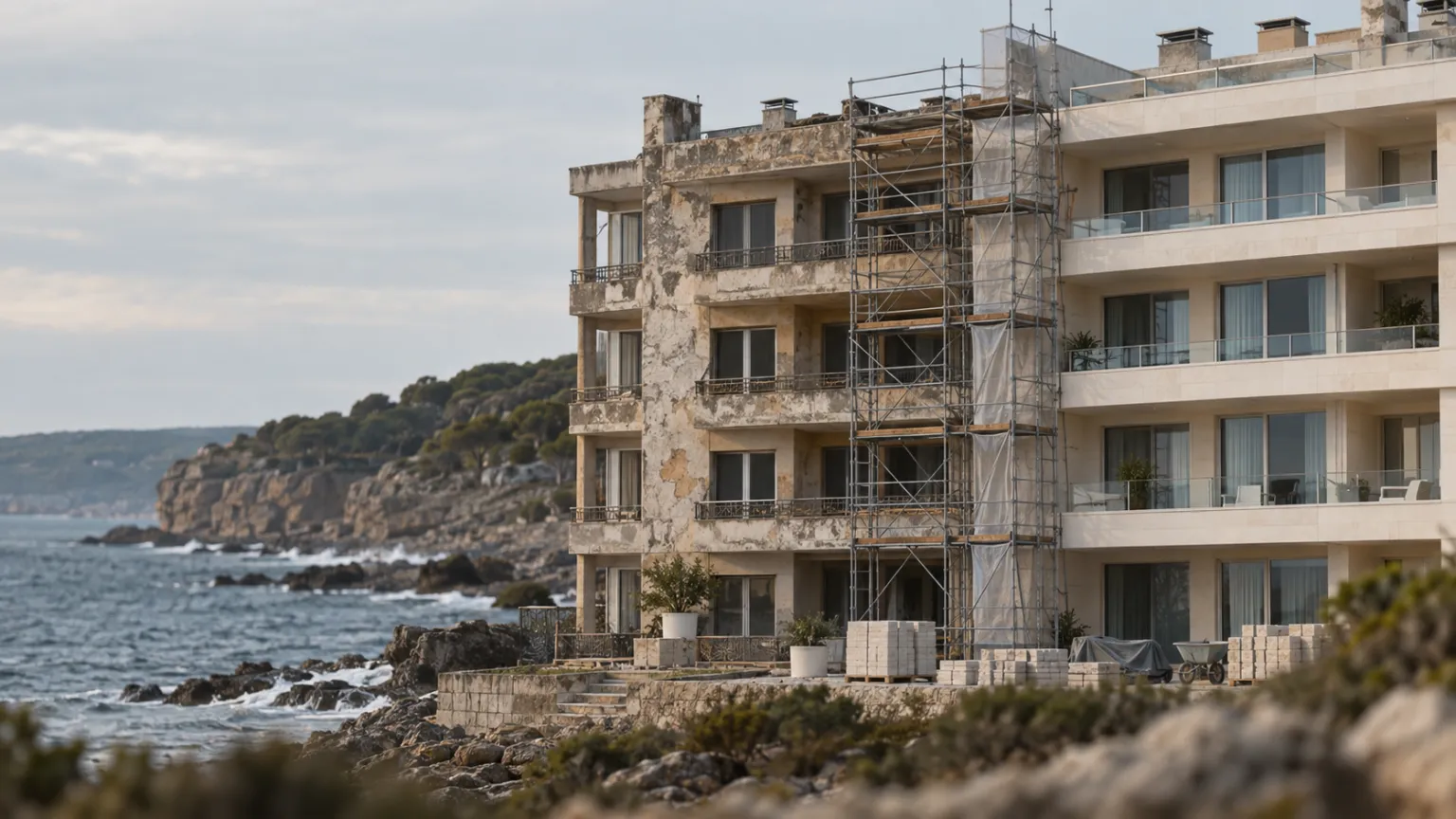
Il rendimento di una riconversione di resort value-add è lo spread tra il costo base di acquisizione e il valore a regime, al netto di tutto ciò che va storto nel mezzo. Questo pezzo illustra come si valuta quello spread: lo stack di capex, la contingenza che richiede una struttura esistente e la curva pluriennale che i ricavi devono risalire prima che i conti dell'uscita tornino.
Metodo value-add
Conversioni boutique: l'underwriting value-add
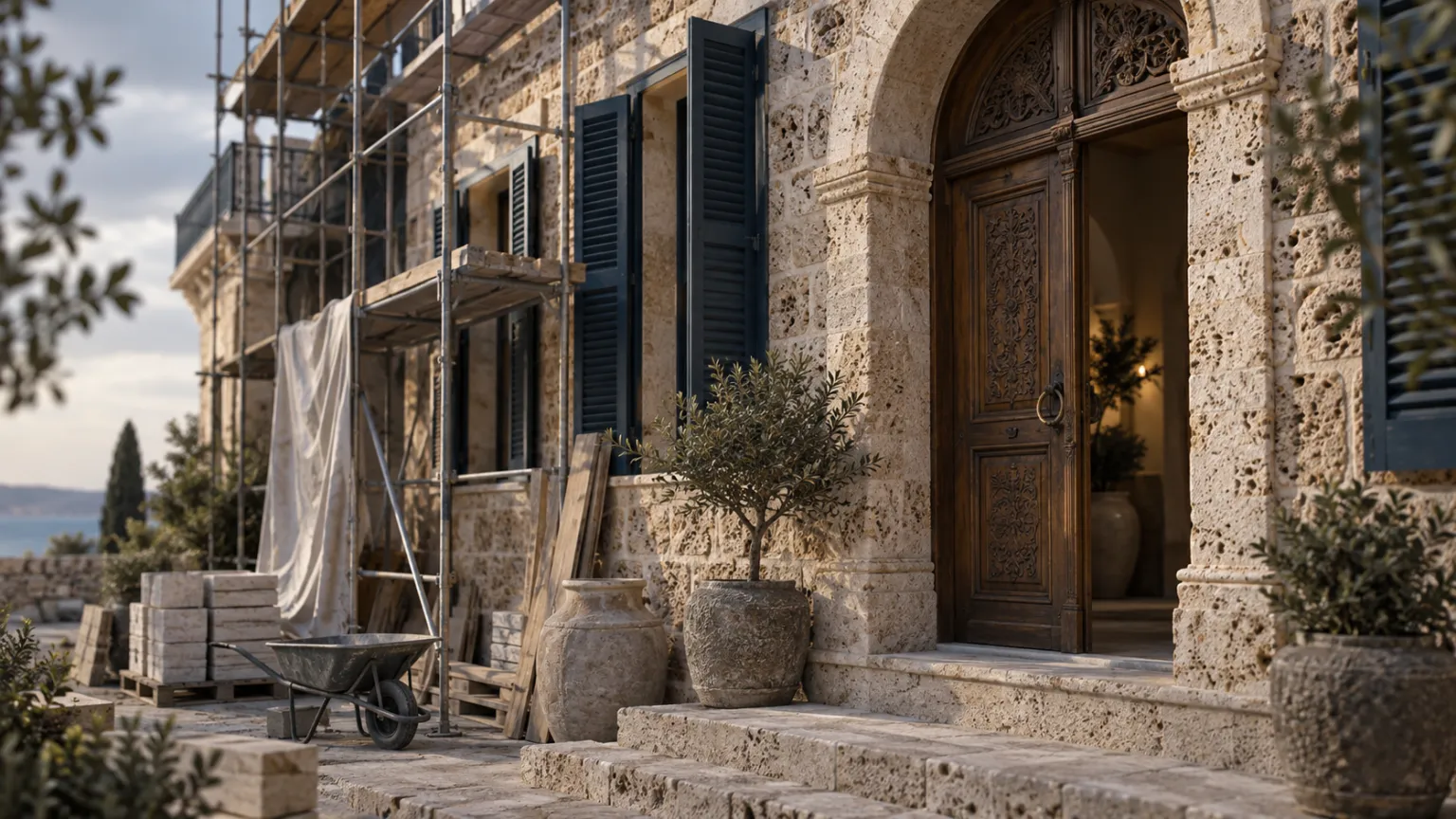
Una conversione boutique non è un acquisto. È un programma di manifattura. L'investitore acquista un edificio, un cambio di destinazione d'uso, un budget di investimento e un contratto di gestione, e assembla un asset che il giorno dell'acquisizione non esisteva. Il rendimento è lo spread tra una base d'ingresso distressed e un valore a regime in uscita. Ecco come si costruisce l'underwriting di quello spread.
Metodo value-add
Scarcity as Value Protection: Lakefront and Island
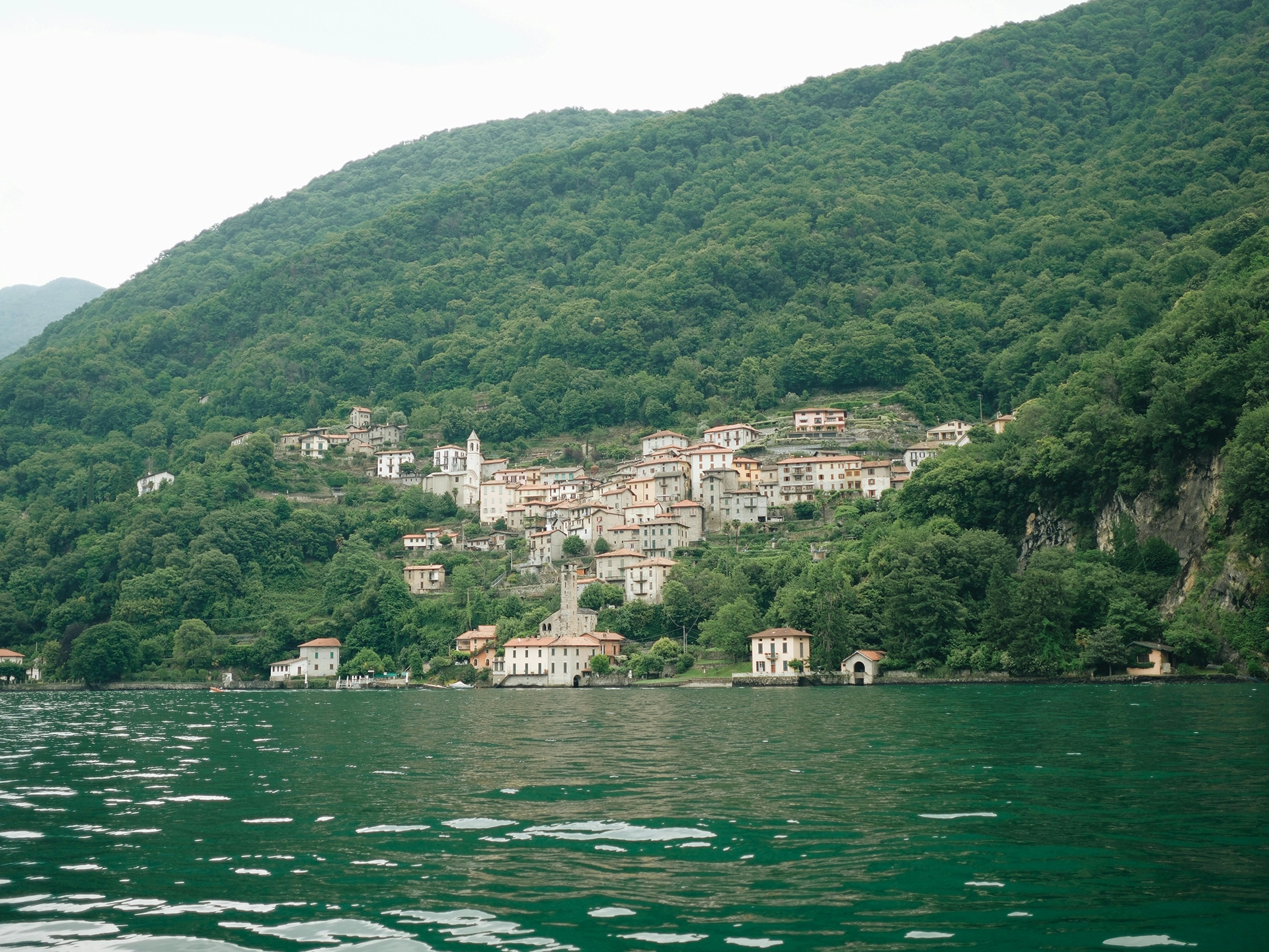
At the very top of the market, the strongest protection of value is not a forecast, it is scarcity. The land in the most desirable locations cannot be recreated, the rules that govern it cannot be wished away, and the wealth that competes for it keeps growing. This dossier sets the structural conditions of scarcity against the data of 2025-2026, jurisdiction by jurisdiction, and against the transparency regime now permanent.