
Destinazioni
Zanzibar: destinazione emergente del lusso
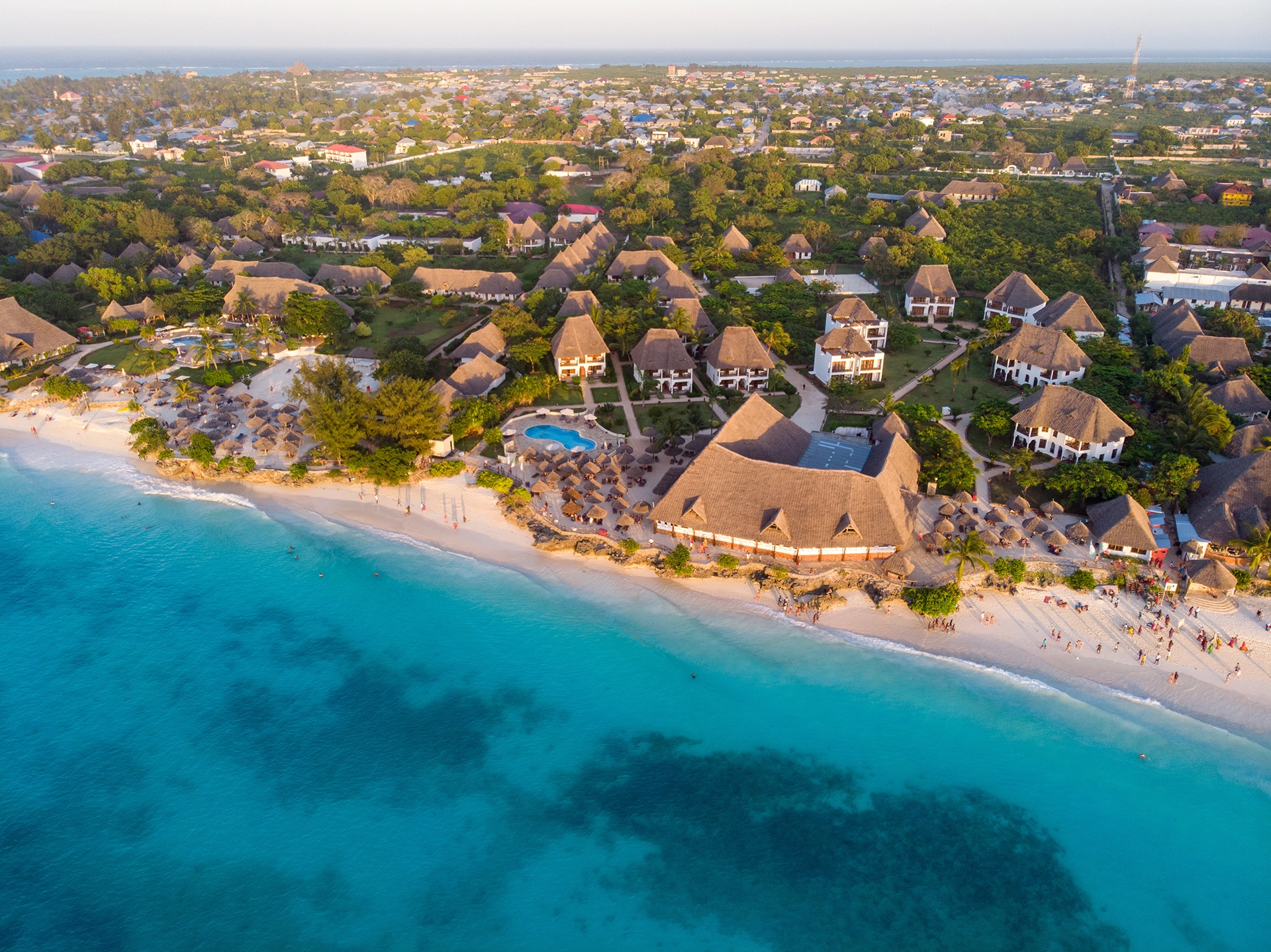
Zanzibar sta passando da destinazione costiera di fascia media a mercato di lusso e ultra-lusso per statuto e per domanda, ma su tenure in leasehold con un tetto di 99 anni e con l'esposizione climatica dichiarata. I dati sugli arrivi del 2024 e del 2025, il quadro normativo del Land Tenure Act 1992 e dello Zanzibar Investment Act 2023 e la pipeline di operatori a Nungwi raccontano una storia coerente: le condizioni si stanno formando, i vincoli sono reali e i requisiti di underwriting sono espliciti.
Punti chiave
- - Zanzibar ha registrato 917.167 arrivi internazionali nel 2025, +24,5% sui 736.755 del 2024 (OCGS; l'indagine sugli uscenti della Bank of Tanzania, una seconda serie ufficiale, indica 654.880); nel 2024 l'Europa ha rappresentato il 72% e l'Italia è stato il singolo mercato di provenienza più grande con l'11,8% (87.202 viaggiatori).
- - La proprietà straniera è un lease su terra pubblica, massimo 99 anni, concesso per periodi fino a 33 anni, nessun freehold (Land Tenure Act 1992, Sezione 47, modificata nel 2010 e nel 2018). Il rinnovo di un periodo segue una valutazione ministeriale dell'investimento, non è automatico.
- - Lo Strategic Investment Status ai sensi dello Zanzibar Investment Act 2023 (Sezione 25, Second Schedule): USD 50 milioni a Unguja, USD 5 milioni a Pemba, con almeno il 30% in equity; aggiunge incentivi fiscali e sul canone della terra. Le garanzie su sequestro, trasferimento dei fondi e arbitrato, regole ICSID comprese, valgono per ogni investimento approvato (Sezioni 34, 35 e 57).
- - Presenza di operatori premium: Park Hyatt (Stone Town, 2015), Meliá, Marriott Le Méridien, Anantara Zanzibar Resort & Residences (Nungwi, 111 camere + 70 appartamenti a marchio, GDV USD 150 milioni, apertura 2027, Infinity Developments).
- - Esposizione climatica dichiarata: innalzamento del livello del mare nel WIO di circa 3,5 mm/anno (4% sopra la media globale); erosione della costa orientale di Unguja di circa 15,6 m/anno (segmenti monitorati dal 1990 al 2020). La disciplina degli arretramenti e un'impronta operativa leggera sono requisiti di underwriting.
- - Permesso di soggiorno per investitori Classe C-11 con soglia qualificante di proprietà a USD 100.000; solo residenza, nessun percorso verso la cittadinanza; interazione favorevole con il regime italiano dell'Art. 24-bis (Tanzania Investment Centre).
- - FDI della Tanzania nel 2024: USD 1,72 miliardi (UNCTAD); crescita del PIL 5,6%; turismo circa il 17% del PIL.
In questa pagina (11)
Note di revisione
Questo articolo è stato corretto il 27 settembre 2026. Una verifica delle sue cifre e attribuzioni rispetto alle fonti citate ha rilevato errori, che sono stati corretti nel testo. L'elenco completo, con ciò che l'articolo diceva e ciò che dice ora, è nella sezione delle correzioni in fondo.
Questo articolo è stato corretto il 29 settembre 2026. Una versione precedente descriveva la posizione di Victaura a Nungwi oltre quanto riportato nella pagina pubblica del progetto e la presentava come esempio del vantaggio dei cicli di progetto completati. Il testo, la tabella delle zone e la dichiarazione di interessi in chiusura ora si attengono alle pagine pubbliche dei progetti di Victaura.
Questo articolo è stato corretto il 12 ottobre 2026. Una versione precedente attribuiva le zone in freehold degli Emirati Arabi Uniti a una legge federale che riguarda un'altra materia. Ora cita la legge di Ras Al Khaimah con cui il Sovrano designa le aree in cui gli stranieri possono possedere immobili.
Questo articolo è stato corretto il 13 ottobre 2026. Una versione precedente indicava per il progetto di Victaura a Nungwi un periodo di consegna che la sua pagina pubblica di progetto non riporta. È stato tolto. La sezione sull'acquirente italiano ora lega l'aumento dell'imposta dell'Articolo 24-bis al trasferimento della residenza.
Questo articolo è stato corretto il 13 ottobre 2026. Il sommario, le sezioni sull'architettura legale e sullo Strategic Investment Status, i punti per l'acquirente straniero e i punti chiave citavano una legge sugli investimenti abrogata nel 2024 e una legge tanzaniana che non fissa le soglie di Zanzibar. Ora seguono il Land Tenure Act 1992 con le sue modifiche e lo Zanzibar Investment Act 2023, come pubblicati dalla Camera dei Rappresentanti di Zanzibar. Con essi è cambiata la descrizione della durata del lease, del suo rinnovo e delle garanzie per l'investitore.
Questo articolo è stato corretto il 13 ottobre 2026. La sezione sul quadro visti e l'elenco delle fonti davano una data sbagliata per il trattato contro la doppia imposizione fra Italia e Tanzania, e la sezione sull'acquirente italiano dava una stima dei proprietari italiani senza una fonte pubblica; le date del trattato ora seguono il Ministero dell'Economia e delle Finanze, e la stima è stata tolta.
I numeri del 2024 e del 2025
Zanzibar ha registrato 917.167 arrivi internazionali nel 2025, in aumento del 24,5% rispetto ai 736.755 del 2024, secondo il Tourism Statistical Release di dicembre 2025 dell'Office of the Chief Government Statistician (OCGS Zanzibar) e della Zanzibar Commission for Tourism. La cifra del 2024, a sua volta in aumento del 15,4% rispetto all'anno precedente, è quella che questo articolo riportava originariamente come record. La cifra del 2025 è ora la più alta nella storia registrata dell'arcipelago. La traiettoria è coerente: la ripresa post-pandemica non si è stabilizzata nel 2022 o nel 2023 come è accaduto nella maggior parte delle destinazioni costiere africane, ma ha accelerato, e il tasso di crescita è passato dal 15,4% del 2024 al 24,5% del 2025. Una seconda serie ufficiale, l'International Visitors' Exit Survey 2025 pubblicata dalla Bank of Tanzania, attribuisce a Zanzibar 654.880 arrivi, in aumento del 9%. Le due serie usano denominatori diversi e concordano sulla direzione.
La composizione di quella base di visitatori è il dato più interessante. Nel 2024 l'Europa rappresentava circa il 72% degli arrivi. L'Italia è stato il singolo mercato di origine più grande, con l'11,8%, pari a circa 87.202 viaggiatori italiani nell'anno solare, e ha guidato di nuovo nel 2025, con il 14,4% degli arrivi di dicembre nel rapporto OCGS e il 18,8% dei visitatori di Zanzibar nell'exit survey annuale della Bank of Tanzania. Germania, Regno Unito e Francia completavano il vertice del contributo europeo nel 2024, mentre gli Stati Uniti fornivano la quota principale a lungo raggio fuori dall'Europa. La dipendenza da un corridoio europeo ristretto è di per sé una caratteristica di mercato che gli allocatori dovrebbero prezzare, ma è anche la ragione strutturale per cui la presenza degli operatori descritta più avanti si è consolidata dove si è consolidata.
Il contesto macro sostiene la tendenza. Il World Bank Tanzania Economic Update riporta una crescita del PIL della Tanzania continentale di circa il 5,6% nel 2024, tra le traiettorie più stabili dell'Africa subsahariana. Il turismo contribuisce a circa il 17% del PIL tanzaniano e a circa il 25% delle entrate totali in valuta estera, con Zanzibar che rappresenta una quota sproporzionata del segmento ad alta spesa. Gli investimenti diretti esteri in Tanzania hanno raggiunto 1,72 miliardi di dollari nel 2024, con l'immobiliare turistico come seconda allocazione settoriale più grande dopo l'estrattivo.
Per un acquirente italiano in particolare, l'implicazione è diretta. La clientela è già presente, in volume, prima ancora che venga consegnato qualsiasi nuovo prodotto. Un asset di lusso finito sulla costa nord-occidentale non deve creare domanda. Deve catturare un profilo di domanda esistente che, sulla serie OCGS, cresce da quattro anni consecutivi.
Se questi numeri facciano di Zanzibar un buon investimento è un'altra domanda, e nessuna statistica pubblica basta da sola a rispondere. Gli otto controlli che l'investitore può fare, dalla serie degli arrivi dell'OCGS e dalla legge sugli investimenti ai dati della banca centrale e agli avvisi di viaggio datati, ciascuno con chi lo pubblica e i suoi limiti, sono raccolti in Investing in Zanzibar: What a Buyer Can Verify.
L'architettura legale
La tenure straniera a Zanzibar è in leasehold, con una durata massima di novantanove anni. Non esiste il freehold. Lo statuto è il Land Tenure Act 1992. Il diritto di occupazione è concesso solo agli zanzibarini che hanno più di diciotto anni (Sezione 24). Chi non è zanzibarino riceve dal Ministro competente per le terre un lease su terra pubblica, e un lease a scopo di investimento richiede che l'investimento sia approvato dalla Zanzibar Investment Promotion Authority (ZIPA) o da un'altra autorità competente (Sezione 46). In base alla Sezione 47, modificata nel 2010 e nel 2018, il lease non può superare novantanove anni ed è concesso per periodi di non più di trentatré anni ciascuno. In base alla Sezione 27 dello Zanzibar Investment Act 2023, che ha abrogato lo ZIPA Act 2018, l'Autorità concede essa stessa il lease solo all'interno delle Zone Economiche Speciali e altrove ne agevola l'ottenimento tramite quel Ministro.
Questo è sostanzialmente diverso dalle zone designate in freehold degli Emirati Arabi Uniti, come le aree che il Sovrano di Ras Al Khaimah designa per la proprietà straniera ai sensi della Legge n. 11 del 2021 dell'emirato sul registro immobiliare (Al Tamimi & Company, ottobre 2021), ed è più vicino, come grammatica giuridica, al quadro indonesiano in cui l'Hak Milik è riservato ai cittadini e gli acquirenti stranieri accedono alla terra tramite Hak Pakai o Hak Guna Bangunan. Il vincolo costituzionale dell'Articolo 33(3) che definisce il caso indonesiano non esiste nell'architettura di Zanzibar nella stessa forma, ma l'effetto statutario è comparabile: il capitale straniero partecipa all'economia fondiaria su base derivata a lungo termine, non su base perpetua. Gli allocatori che sottoscrivono Zanzibar come se fosse un mercato in freehold stanno leggendo male la regolamentazione.
Il processo di permitting ZIPA è rilevante. Gli investimenti approvati nelle zone designate (Nungwi, Kendwa, Pingwe-Michamvi e alcuni lotti selezionati di Stone Town) sono processati attraverso lo ZIPA secondo un principio di sportello unico, con valutazione di impatto ambientale secondo gli standard del National Environment Management Council (NEMC) e coordinamento parallelo con il Department of Lands and Registration. Il processo è più lento di un percorso di master-developer del Golfo. È anche più difendibile in uscita, perché la catena del titolo dall'approvazione ZIPA fino al leasehold registrato è documentata a ogni fase. Gli investitori che hanno completato il ciclo trattano lo strato del permitting come parte dell'asset, non come attrito da scontare.
Una conseguenza pratica per la strutturazione del capitale. I novantanove anni sono un tetto, non un unico periodo: il lease è concesso per periodi fino a trentatré anni e, prima del rinnovo di un periodo, il Ministro competente per le terre valuta l'andamento dell'investimento, sentito il Ministro competente per gli investimenti (Sezione 47). Un investitore istituzionale che sottoscrive su un orizzonte di trenta-cinquant'anni è dentro il tetto, ma ogni detenzione più lunga del primo periodo, trentatré anni al massimo, attraversa un rinnovo; e chi si aspetta una trasmissione perpetua del titolo attraverso più generazioni deve pianificare intorno a ogni rinnovo e intorno al tetto stesso. Il rinnovo non è automatico. Per l'allocatore familiare a lunga durata, questo è un dato di underwriting, non un elemento che fa saltare l'operazione, purché sia nominato e prezzato.
La tenure straniera a Zanzibar è in leasehold, massimo novantanove anni. Non esiste il freehold. Lo statuto è esplicito. Un underwriting che lo ignora non è underwriting.
Strategic Investment Status
A Zanzibar lo Strategic Investment Status è fissato dallo Zanzibar Investment Act 2023. In base alla Sezione 25 e al Second Schedule, un investimento approvato su Unguja, l'isola maggiore, lo ottiene con 50 milioni di USD investiti e almeno il trenta per cento del capitale in equity, e uno su Pemba, l'isola minore il cui corridoio di sviluppo resta poco edificato, con 5 milioni di USD alla stessa condizione; fuori dal settore alberghiero le soglie sono 10 milioni di USD con almeno 500 posti di lavoro diretti su Unguja e 2 milioni di USD con almeno 100 su Pemba. L'investitore lo chiede alla ZIPA, e lo status aggiunge incentivi: in base al Fourth Schedule, esenzioni più ampie su dazi e imposta sul reddito d'impresa e fino a cinque anni senza canone sul lease della terra. Le garanzie non dipendono dallo status strategico. La protezione contro il sequestro, ammesso solo per interesse pubblico e con un indennizzo equo e tempestivo (Sezione 35), il trasferimento all'estero di dividendi, servizio dei prestiti e ricavato della vendita (Sezione 34) e l'arbitrato, anche secondo le regole dell'International Centre for Settlement of Investment Disputes (ICSID) (Sezione 57), valgono per ogni investimento approvato.
Il tratto più rilevante sul piano istituzionale è che la protezione è scritta nella legge per ogni investimento approvato, mentre lo status strategico è una questione di incentivi. Quest'ordine dice a un allocatore cosa Zanzibar farà e non farà al margine politico: la garanzia contro il sequestro è esplicita, la garanzia contro l'interruzione regolatoria discrezionale è parziale, e la sede di risoluzione delle controversie può essere internazionale. Significa anche che un progetto sotto le soglie strategiche non resta fuori dalla protezione della legge, ma solo fuori dal suo pacchetto di incentivi più ampio.
I flussi di investimento diretto estero sono coerenti con questa impostazione. L'UNCTAD World Investment Report 2025 registra flussi FDI verso la Tanzania per 1,72 miliardi di USD nel 2024, in aumento rispetto a 1,34 miliardi di USD nel 2023, un incremento anno su anno del 28% che colloca la Tanzania tra le quattro maggiori destinazioni FDI dell'Africa orientale. Il settore immobiliare turistico ha assorbito una quota stimata del 18% di quel flusso, con Zanzibar che ha catturato una quota sproporzionata del segmento alto di gamma.
Il rischio politico è l'input che lo statuto non può rimuovere, e nel 2025 si è concretizzato. Il voto del 2025 non è stata una transizione. La Presidente Samia Suluhu Hassan, in carica dalla morte del Presidente John Magufuli nel 2021, è stata dichiarata rieletta dopo le elezioni generali del 29 ottobre 2025 con quasi il 98 per cento dei voti, in una competizione da cui i principali candidati dell'opposizione erano stati esclusi. L'11 novembre 2025 UN News ha riportato che, secondo informazioni raccolte dall'ufficio ONU per i diritti umani, centinaia di manifestanti e altre persone erano state uccise e oltre 150 persone erano state arrestate dal giorno del voto, e che la situazione di sicurezza e il blocco di internet avevano impedito all'ONU di verificare le cifre esatte delle vittime. I servizi internet sono stati limitati ed è stato imposto un coprifuoco nazionale durante i disordini (Freedom House, Freedom in the World 2026). Al 27 settembre 2026 il bilancio resta contestato. Il conteggio ufficiale più recente reperito per questa revisione, il rapporto di una commissione nominata dal governo pubblicato ad aprile 2026, registra almeno 518 morti, una cifra che il suo presidente ha dichiarato potrebbe non essere definitiva, mentre l'opposizione e i gruppi religiosi stimano migliaia di vittime (DW, 24 aprile 2026). La Mo Ibrahim Foundation non ha letto il voto come ordinato. Il 3 novembre 2025 ha scritto che "un'elezione che esclude i partiti di opposizione non è né equa né legittima". Freedom House classifica la Tanzania come Non Libera, con un punteggio di 28 su 100 in Freedom in the World 2026, in calo rispetto a 35 dell'anno precedente. Le garanzie statutarie descritte sopra restano invariate sulla carta. Ciò che l'episodio cambia è il peso che un allocatore attribuisce all'azione discrezionale dello stato, dal rilascio dei permessi al rinnovo del leasehold, lungo un holding period di trenta-cinquant'anni.
La specificità dell'acquirente italiano
L'Italia non è uno dei tanti mercati di origine per Zanzibar. È il mercato di origine europeo dominante. I 87.202 viaggiatori italiani registrati dall'OCGS per il 2024, pari all'11,8% degli arrivi totali, collocano l'Italia davanti a Germania, Francia e Regno Unito in termini di volume assoluto, e davanti a ogni altro singolo paese di origine. Il dato non è un'anomalia del 2024. Gli arrivi italiani a Zanzibar hanno guidato la classifica europea in modo costante durante tutta la ripresa post-pandemica, una posizione rafforzata dalla capacità charter diretta da Milano Malpensa, Bergamo e Roma Fiumicino durante tutta l'alta stagione.
La composizione del flusso italiano è differenziata. Il volume è dominato dal segmento pacchetto vacanza gestito dagli operatori del nord Italia, ma la coda ad alta spesa è concentrata nelle categorie matrimonio, luna di miele e soggiorno di lusso ripetuto. Le stime del settore di Federalberghi e le indagini di segmento di Confturismo suggeriscono che circa l'8-12% degli arrivi italiani a Zanzibar si concentri in strutture a cinque stelle o superiori, contro una media globale di Zanzibar del 4-6% circa. Quella sovra-rappresentazione nella fascia premium è, in termini commerciali, la ragione per cui gli operatori italiani guidano da un decennio gli investimenti di lusso a Nungwi.
La dimensione diaspora e seconda casa non ha un conteggio pubblico. La residenza per investimento italiana in Tanzania non è un programma strutturato del tipo discusso nella sezione sul quadro visti più avanti; il Class C-11 Investor Residence Permit è un quadro operativo, non uno schema commercializzato. Nessuna fonte pubblica trovata per questo articolo indica quanti italiani possiedono un immobile a Zanzibar, e l'articolo non ne dà una stima.
Il livello fiscale si collega alla mappa europea descritta nel dossier di riferimento. Gli italiani che rimpatriano per beneficiare del regime dell'Articolo 24-bis, la cui imposta sostitutiva annua è salita da 200.000 a 300.000 euro per chi trasferisce la residenza dal 1° gennaio 2026, hanno mostrato una preferenza documentata per l'esposizione a seconde case in Africa e nell'Oceano Indiano nell'ambito della riconfigurazione del portafoglio. La posizione di Zanzibar all'interno di quella mappa è specifica: è la destinazione costiera africana dove la conoscenza istituzionale italiana, la capacità charter e la presenza degli operatori si sono già consolidate nel tempo. La base di acquirenti non è teorica.
L'esposizione climatica dichiarata con onestà
Il clima è un input di underwriting, non un'esternalità. La dichiarazione onesta del rischio fisico è la caratteristica che più distingue l'underwriting istituzionale del 2026 dal ciclo precedente, e Zanzibar presenta esposizioni documentate che vanno nominate a livello di singola particella.
L'innalzamento del livello del mare nell'Oceano Indiano occidentale procede a circa 3,5 millimetri l'anno, circa il quattro per cento sopra la media globale, secondo Nature Communications Earth and Environment (2026) e corroborato dai dati di altimetria satellitare AVISO sulla serie 1993-2024. La traiettoria di accelerazione corrisponde al segnale dell'Indian Ocean Dipole documentato da NOAA e dall'Indian Ocean Climate Initiative. Su un orizzonte di detenzione di trent'anni, l'innalzamento cumulativo del livello del mare previsto si colloca nell'intervallo 30-50 centimetri negli scenari centrali, con scenari al limite superiore che raggiungono 70-90 centimetri nelle traiettorie più aggressive allineate a Hansen.
L'erosione costiera sulla costa orientale di Unguja è stata misurata in circa 15,6 metri l'anno tra il 1990 e il 2020 in specifici segmenti monitorati (ScienceDirect, Ocean and Coastal Management 2023). Il segnale di erosione della costa orientale è sensibilmente più alto di quello della costa occidentale a causa dei venti prevalenti, dello scambio di marea e dell'esposizione all'Oceano Indiano aperto. La costa nord-occidentale, dove si trova Nungwi, beneficia di una geometria a laguna protetta dalla barriera corallina e di una variazione di marea minima, ragione geomorfologica per cui gli sviluppi di maggior valore si sono concentrati lì.
Gli eventi di sbiancamento corallino sono ormai annuali nei segmenti di barriera monitorati della rete di aree marine protette dell'Oceano Indiano, con la prima finestra di sbiancamento consecutivo pluriennale apertasi nel 2024 e confermata da NOAA Coral Reef Watch. Lo sbiancamento non distrugge direttamente le proprietà fronte mare, ma compromette il meccanismo di protezione della barriera che attutisce l'energia delle onde in arrivo sulla costa. Su un orizzonte di trenta-cinquant'anni, l'integrità della barriera corallina è una variabile rilevante nella valutazione degli asset costieri.
L'implicazione per la selezione degli asset è procedurale, non narrativa. La disciplina degli arretramenti, l'elevazione dei piani abitabili, un'impronta operativa leggera (strutture basse e disperse, nessuna infrastruttura di muro di contenimento rigido che distrugga il naturale ripascimento della spiaggia) e i rilievi geomorfologici costieri a livello di particella non sono opzionali. Sono requisiti di underwriting. L'arretramento è anche un minimo regolamentare. La Development Control Unit di Zanzibar impone linee di edificazione ad almeno trenta metri dal punto di massima alta marea sui lotti con spiaggia sabbiosa lato mare, e ad almeno dieci metri sui lotti con scogliera, secondo le linee guida edilizie del 2018; la linea di arretramento e l'inviluppo edificabile spiega cosa quella fascia sottrae a un lotto. Gli allocatori che prezzano il fronte mare di Zanzibar senza questi input non stanno prezzando l'asset.
Il quadro visti
Lo Zanzibar Investor Residence Permit, denominato Class C-11, è il quadro di residenza operativo per gli investitori esteri a livello immobiliare. La soglia è fissata a 100.000 USD di investimento immobiliare qualificante in uno sviluppo approvato dallo ZIPA, con il permesso rilasciato per un periodo rinnovabile ed esteso al coniuge e ai figli a carico dell'investitore principale. Il Class C-11 è amministrativamente distinto dal permesso per investitori strategici legato ai progetti da 50 milioni di USD qualificanti per lo SIS, ed è calibrato per l'acquirente individuale di immobili piuttosto che per l'investitore operativo.
Il quadro dei permessi non è né un golden visa né uno schema di cittadinanza per investimento. Non comporta un percorso verso la cittadinanza tanzaniana, non offre l'ambito di viaggio esente da visto di una struttura degli Emirati o caraibica, e non estende un accesso di viaggio europeo automatico. Ciò che offre è la residenza legale nell'arcipelago di Zanzibar, con pieni diritti di proprietà entro l'inviluppo del leasehold, e una posizione fiscale che interagisce con la rete di trattati bilaterali che la Tanzania mantiene.
Per un acquirente italiano in particolare, il quadro Class C-11 interagisce con il regime italiano dell'Articolo 24-bis in modo favorevole piuttosto che conflittuale: l'imposta sostitutiva sui redditi di fonte estera in Italia copre il reddito da locazione passivo generato dall'asset di Zanzibar, mentre il regime di ritenuta tanzaniano si applica alla fonte. Il trattato contro la doppia imposizione tra Italia e Tanzania, firmato il 7 marzo 1973 e in vigore dal 6 maggio 1983 insieme al protocollo del 31 gennaio 1979 che lo modifica (Ministero dell'Economia e delle Finanze), è il documento operativo per la pianificazione della posizione fiscale. Non si tratta di un commento consulenziale, è il quadro normativo.
Rispetto agli equivalenti di Mauritius o delle Seychelles, la soglia del Class C-11 è sensibilmente più bassa (100.000 USD contro un minimo di 375.000 USD dello schema PDS di Mauritius) e il processo amministrativo è più breve, ma l'assenza di freehold e l'assenza di un'opzione di cittadinanza sono differenze reali. Gli allocatori che valutano la mappa della residenza costiera dell'Africa orientale dovrebbero trattare le tre giurisdizioni come architetture di tenure distinte, non come varianti dello stesso quadro.
Il vantaggio dell'operatore
La combinazione fra permessi ZIPA, struttura del possesso in leasehold e vincolo climatico statutario produce un mercato in cui il vantaggio dell'operatore si accumula con l'esperienza. Uno sviluppatore straniero al primo progetto che entra nel mercato di Zanzibar attraverso lo sportello unico ZIPA deve imparare la catena documentale, i tempi della revisione ambientale NEMC, la cadenza di registrazione del Department of Lands and Registration, le sovrapposizioni degli usi consuetudinari del suolo a livello di particella, e la catena di fornitura edile locale, che opera entro l'inviluppo logistico di una piccola isola. Il tempo di apprendimento cumulativo su un primo progetto è significativamente più lungo dello stesso ciclo in una giurisdizione del Golfo a sviluppo centralizzato (master-developer).
Gli operatori che hanno completato almeno un ciclo di progetto intero mantengono un vantaggio strutturale sul ciclo successivo: relazioni preesistenti con ZIPA, NEMC e il Ministero delle Terre, partnership edili locali già consolidate, logistica dei fornitori già validata, e un team operativo installato che non va ricostruito da zero. L'investitore istituzionale che alloca su un progetto a Zanzibar affidandosi a un operatore che non ha ancora completato un ciclo precedente sta, in termini semplici, prezzando un rischio da sviluppatore-al-primo-progetto che andrebbe scontato di conseguenza.
Victaura è essa stessa uno sviluppatore a Nungwi. Il suo progetto nell'area, Secret Zanzibar Hotel & Villas, è in sviluppo attivo. La dichiarazione di interessi in calce a questo articolo è quel requisito di skin in the game che gli investitori istituzionali dovrebbero attendersi da qualunque sviluppatore che pubblichi analisi di mercato.
| Zona | Profilo dell'acquirente | Pipeline operatori | Segnale climatico |
|---|---|---|---|
| Nungwi (NO Unguja) | Seconda casa luxury / ultra-luxury; investitore istituzionale | Anantara Resort & Residences (2027, Infinity Developments); Secret Zanzibar Hotel & Villas (Victaura); diversi boutique | Laguna protetta da reef; esposizione all'erosione più bassa |
| Kendwa (NO Unguja) | Leisure premium; 5 stelle affermati | Cluster ancorato a Meliá; diversi operatori | Protetta da reef; erosione contenuta |
| Pingwe-Michamvi (SE Unguja) | Luxury a orientamento wellness; densità inferiore | Six Senses (annunciato); resort boutique | Esposizione della costa orientale; disciplina degli arretramenti critica |
| Stone Town (UNESCO) | Ancoraggio culturale; restauro storico | Park Hyatt; a guida restauro, nessuna nuova costruzione | Perimetro storico; non è una coorte di particelle esposta al SLR |
| Pemba | Frontiera; soglia SIS di USD 5 milioni | Sostanzialmente pre-costruzione; sotto-allocata | Copertura dati inferiore; underwriting prudente |
L'operatore che ha completato un intero ciclo di progetto a Zanzibar è l'operatore che sa dove si annidano gli attriti dei permessi. L'operatore che non l'ha fatto sta, in termini semplici, imparando a spese dell'investitore istituzionale.
Le condizioni si stanno formando, i vincoli sono reali, i requisiti di underwriting sono espliciti. Un mercato luxury in via di maturazione non è un mercato pienamente maturo. La distinzione è l'intera questione di allocazione.
Cosa significa per l'acquirente straniero
Per un family office, un consulente principale o un singolo acquirente privato che considera un'esposizione a Zanzibar nel 2026, le implicazioni sono pratiche e si possono riassumere in cinque punti.
Primo, il vincolo del possesso è il dato vincolante per l'underwriting. L'asset è un lease su terra pubblica con un tetto di novantanove anni, concesso per periodi fino a trentatré anni; non è disponibile alcuna proprietà piena (freehold), e ogni rinnovo segue una valutazione ministeriale dell'investimento, non è automatico. Un orizzonte di detenzione fra trenta e cinquant'anni sta dentro il tetto ma, oltre il primo periodo, dipende da un rinnovo. I piani di trasmissione multigenerazionale che presuppongono una titolarità perpetua dovrebbero prezzare esplicitamente il rischio di rinnovo del leasehold. La scelta non è se sottoporre a underwriting il vincolo; è se farlo con accuratezza.
Secondo, lo Zanzibar Investment Act 2023 protegge ogni investimento approvato, e lo status strategico aggiunge incentivi. Le garanzie sul sequestro, sul trasferimento dei fondi all'estero e sull'arbitrato non aspettano la soglia di USD 50 milioni a Unguja; quella soglia aggiunge il pacchetto più ampio di incentivi fiscali e sul canone della terra. Il piccolo acquirente individuale non accede direttamente allo status strategico, ma beneficia comunque della maggiore fiducia istituzionale che il quadro genera per l'operatore e per il mercato nel suo insieme.
Terzo, l'esposizione climatica è specifica per particella. La costa nord-ovest e la costa sud-est hanno profili geomorfologici diversi. Le particelle su laguna protetta da reef hanno un'esposizione all'erosione significativamente inferiore rispetto alle particelle su costa aperta lato est. Disciplina degli arretramenti, quota altimetrica, impronta operativa leggera e rilievi costieri a livello di particella non sono opzionali. L'orizzonte di detenzione fra trenta e cinquant'anni rende la due diligence climatica economicamente razionale, non un'esternalità.
Quarto, la catena dell'operatore conta più del marchio. Gli investitori istituzionali dovrebbero distinguere fra un operatore-marchio (Anantara, Meliá, Park Hyatt) e il development manager sottostante che consegna l'asset a completamento. Il marchio convalida il segmento. Il development manager consegna l'edificio. Confondere i due è l'errore più comune nell'underwriting delle branded residences.
Quinto, il quadro dei visti riguarda la residenza, non la cittadinanza. La Classe C-11 fornisce residenza legale e pieni diritti di proprietà entro l'inviluppo del leasehold, con una soglia di USD 100.000. Non fornisce un percorso verso la cittadinanza tanzaniana e non fornisce un raggio di viaggio globale. L'interazione con il regime italiano dell'Articolo 24-bis, in particolare, è favorevole per gli acquirenti italiani che strutturano una piattaforma multi-giurisdizionale.
Dichiarazione di interessi (skin in the game). Victaura, tramite la capogruppo Greystone B.V. (Paesi Bassi), sviluppa progetti sul Lago di Como (Italia), a Nungwi, Zanzibar (Tanzania), a Gili Air e a Uluwatu, Bali (Indonesia), e detiene una posizione di capitale off-plan su Al Marjan Island, Ras Al Khaimah (Emirati Arabi Uniti). I lettori devono presumere che il commento possa essere influenzato da queste posizioni, o andare a loro beneficio. Questo documento è classificato come materiale di marketing ai sensi dell'articolo 24(3) della MiFID II. Non costituisce consulenza in materia di investimenti.
Correzioni, 27 settembre 2026
Questo articolo descriveva le elezioni del 2025 in Tanzania come un passaggio di potere ordinato e attribuiva questa lettura alla Mo Ibrahim Foundation. Entrambe le affermazioni erano errate. Non c'è stato alcun passaggio di potere. La presidente Samia Suluhu Hassan, in carica dal 2021, è stata dichiarata rieletta dopo le elezioni generali del 29 ottobre 2025, in una competizione dalla quale i principali candidati dell'opposizione erano stati esclusi (Freedom House, Freedom in the World 2026). UN News ha riferito l'11 novembre 2025, citando l'ufficio ONU per i diritti umani, che centinaia di manifestanti e altre persone erano state uccise e che oltre 150 persone erano state arrestate. I servizi internet sono stati limitati ed è stato imposto un coprifuoco a livello nazionale (Freedom House). Il 3 novembre 2025 la Mo Ibrahim Foundation ha scritto che "un'elezione che esclude i partiti di opposizione non è né equa né legittima". Lo stesso passaggio riportava la valutazione di Freedom House come Parzialmente Libero. Freedom House classifica la Tanzania come Non Libera fin dalla sua edizione 2025, con un punteggio di 28 su 100 nel 2026. Il passaggio citava anche una classificazione Eurasia Group della Tanzania per la quale non è stata reperita alcuna fonte pubblica, e quella frase è stata rimossa. Altri due passaggi sono stati corretti rispetto alle loro fonti. La sezione sugli arretramenti costieri riporta ora la regola edilizia del 2018 di Zanzibar, trenta metri dal punto di alta marea massima sulle spiagge sabbiose e dieci sulle scogliere, al posto di un minimo di venti metri che la regola non contiene. La sezione sugli arrivi apre ora con i 917.167 arrivi internazionali registrati dall'OCGS per il 2025, che ha sostituito il 2024 come anno record. Ciò che restava della tesi era il quadro statutario e fisico. Quella correzione lasciava invariati il tetto del leasehold, le garanzie per l'investitore e i dati climatici; la descrizione della durata del lease e delle garanzie è stata poi corretta il 13 ottobre 2026. La lettura politica invece è cambiata. Al 27 settembre 2026, il rischio politico in Tanzania è un evento del 2025 documentato, con un bilancio delle vittime contestato, e come tale appartiene al fascicolo di underwriting.
Da Victaura
Fonti
- OCGS Zanzibar / Zanzibar Commission for Tourism, Annual Tourism Report 2024
- Zanzibar Investment Act 2023 (Act No. 10 of 2023), Sections 25, 27, 34, 35, 57 and 62, Second and Fourth Schedules (text published by the Zanzibar House of Representatives)
- Land Tenure Act 1992 (Act No. 12 of 1992), Sections 24, 46 and 47 (text published by the Zanzibar House of Representatives)
- UNCTAD World Investment Report 2025 (FDI Tanzania 2024 = USD 1,72 miliardi)
- World Bank, Tanzania Economic Update (crescita del PIL 2024)
- Anantara / Minor Hotels, comunicato stampa, Anantara Zanzibar Resort & Residences (Nungwi)
- Nature Communications Earth & Environment, innalzamento del livello del mare nel Western Indian Ocean (2026)
- ScienceDirect, Ocean and Coastal Management, erosione della costa orientale di Unguja 1990-2020 (2023)
- NOAA Coral Reef Watch, serie di allerte sbiancamento nell'Oceano Indiano 2024-2026
- Tanzania Investment Centre, linee guida sul permesso di soggiorno per investitori Classe C-11
- Ministero dell'Economia e delle Finanze, Dipartimento delle Finanze, convenzioni contro le doppie imposizioni: Tanzania (firmata il 7 marzo 1973; protocollo di modifica firmato il 31 gennaio 1979; in vigore dal 6 maggio 1983)
- Freedom House, rapporto paese Tanzania 2025
- Mo Ibrahim Foundation, Ibrahim Index of African Governance 2024
- UN News, Tanzania: Reports of hundreds killed and detained following deadly election violence, 11 novembre 2025
- Mo Ibrahim Foundation, Madame President, this is not acceptable, 3 novembre 2025
- Freedom House, Freedom in the World 2026: Tanzania (Non libera, 28/100; 35/100 nel 2025)
- DW, Tanzania's opposition criticizes 'whitewashing' of violence (commissione nominata dal governo: almeno 518 morti), 24 aprile 2026
- Zanzibar Development Control Unit (DCU), Building Permit for Investors, Drawing Guidelines and Procedures, 2018 (arretramento 30 m spiaggia sabbiosa, 10 m falesia)
- The Citizen, Zanzibar tourism hits nearly one million arrivals in 2025 (OCGS: 917.167 nel 2025, 736.755 nel 2024), 18 gennaio 2026
- Bank of Tanzania e Ministry of Natural Resources and Tourism, The 2025 International Visitors' Exit Survey Report, luglio 2026 (Zanzibar: 654.880 arrivi, +9%; Italia primo mercato di provenienza, 18,8%)
- Al Tamimi & Company, Law No. 11 of 2021 in respect of the Real Estate Register in the Emirate of Ras Al Khaimah: What you need to know (3 October 2021)
- Land Tenure (Amendment) Act 2010 (Act No. 11 of 2010), Sections 5 and 6: leases of public land, ceiling of 99 years (Zanzibar House of Representatives)
- Written Laws (Miscellaneous Amendment) Act, Act No. 1 of 2018, Section 6: Land Tenure Act 1992, Section 47, terms of up to 33 years within the 99-year ceiling (Zanzibar House of Representatives)
Le informazioni presenti su questo sito hanno finalità esclusivamente informative e non costituiscono un'offerta, una sollecitazione all'investimento o una consulenza finanziaria. I rendimenti indicati sono stime e non sono garantiti; le performance passate non sono indicative di risultati futuri. Il capitale investito è soggetto a rischio.
Stai valutando un'allocazione in immobili di lusso nelle località in cui operiamo? Parla con noi dei nostri progetti attuali e futuri.
Parla con Victaura →Approfondimenti correlati
Destinazioni
Zanzibar: che titolo può ottenere uno straniero
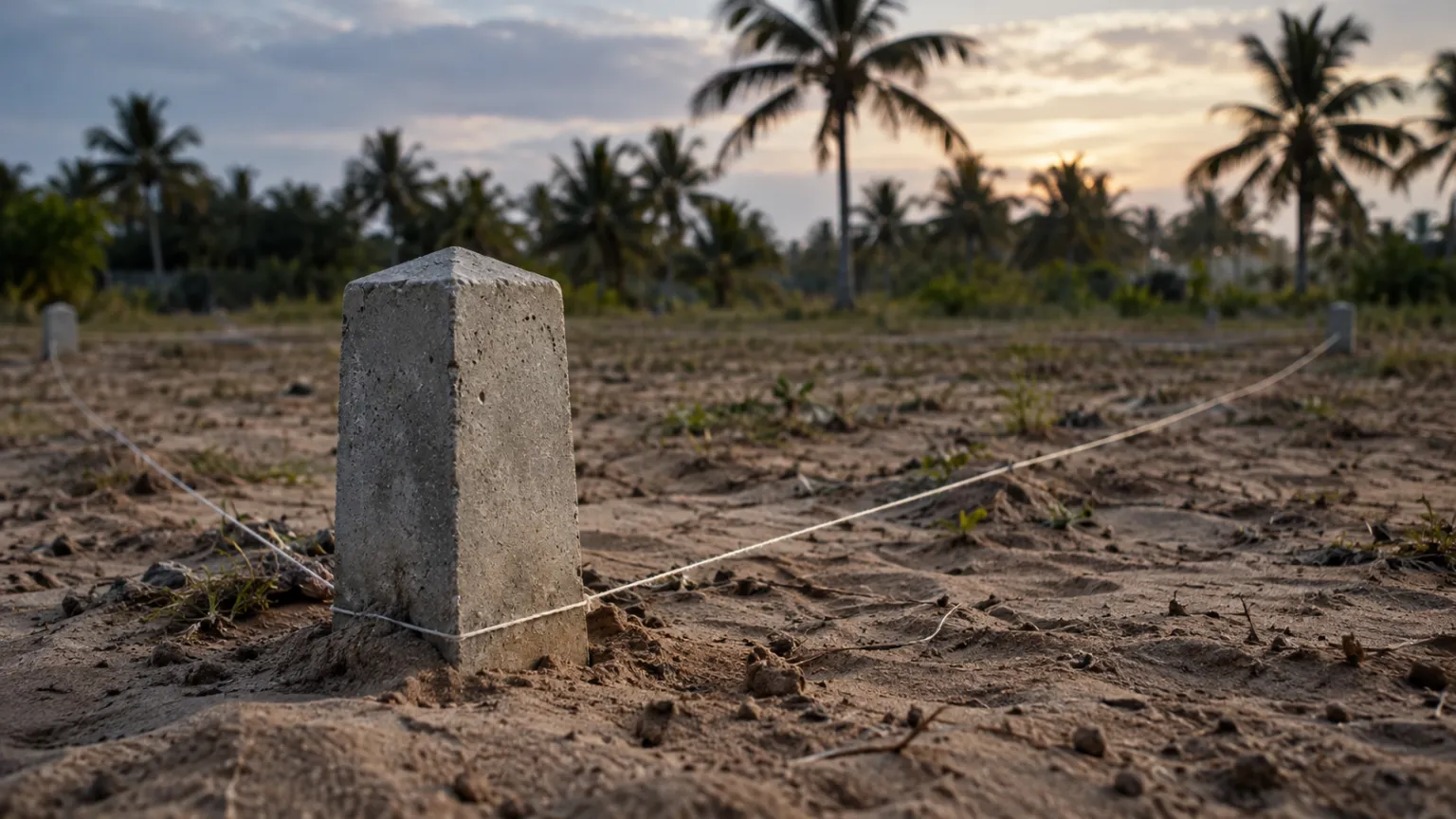
Zanzibar non offre a un investitore straniero la proprietà piena (freehold). Il diritto fondiario primario, il Right of Occupancy, è riservato ai cittadini di Zanzibar, e il titolare straniero ottiene invece una concessione governativa (government lease) o un titolo di unità. Una concessione di terra pubblica è limitata per legge a 99 anni e concessa per periodi fino a 33. Questa nota mappa chi emette ciascun titolo, che cosa manca a un lotto nudo rispetto a un progetto approvato, che cosa ha aggiunto l'avviso ZIPA di febbraio 2026 e che cosa resta non verificato.
Destinazioni
Zanzibar verso il milione di arrivi: un mercato matura
Nel 2025 Zanzibar ha registrato 917.167 arrivi internazionali secondo la serie ufficiale OCGS dell'arcipelago, e nel 2026 ha stabilito record mensili consecutivi: 107.801 a luglio, poi 124.481 ad agosto, il dato mensile più alto mai registrato al 10 settembre 2026. La soglia del milione di visitatori che la tesi frontier anticipava è ora a portata di mano, e il suo avvicinarsi cambia l'underwriting. Quando i volumi sono reali, tre cose vengono riprezzate: lo sconto frontier si comprime, l'infrastruttura diventa un input e non più una nota a margine, e la fascia luxury si separa dal prodotto balneare di massa al quale era un tempo accostata. È un dato di maturazione, non un certificato di maturità, e la distinzione è l'intera questione dell'allocazione.
Visioni di mercato
Chi sviluppa a Zanzibar: la mappa degli operatori
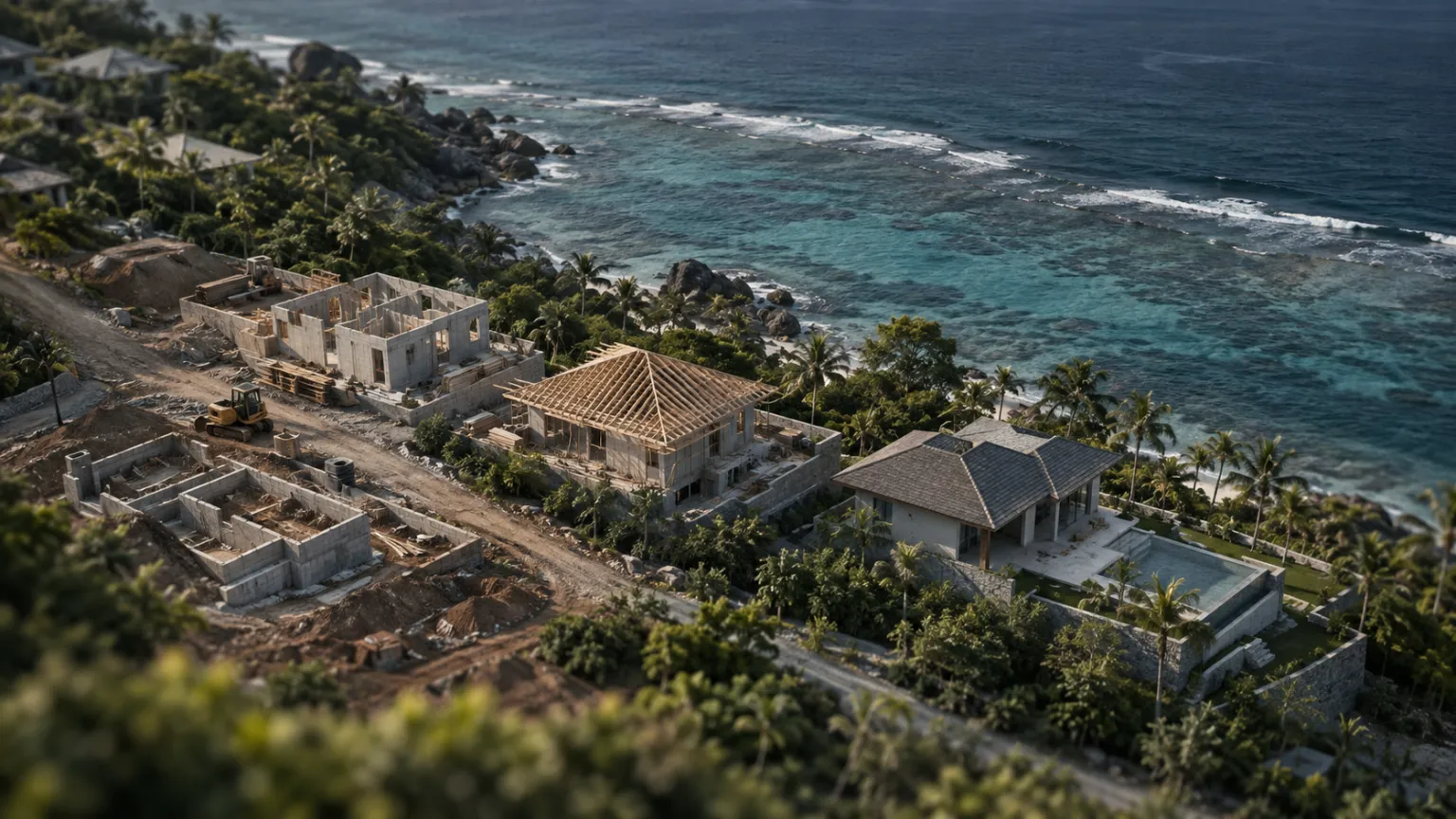
Zanzibar non ha un registro degli sviluppatori. Ha un'autorità per gli investimenti che rilascia certificati, un regime fondiario basato sui leasing e, da aprile 2025, un'associazione di categoria. Questa nota mappa gli operatori che si possono nominare da fonti pubbliche, che cosa risulta documentato che ciascuno abbia costruito e dove, e i test che un allocatore può usare per distinguere uno sviluppatore da un intermediario. Ogni nome riporta la propria fonte. Ogni lacuna è dichiarata.