
Destinos
Zanzíbar: destino emergente de lujo
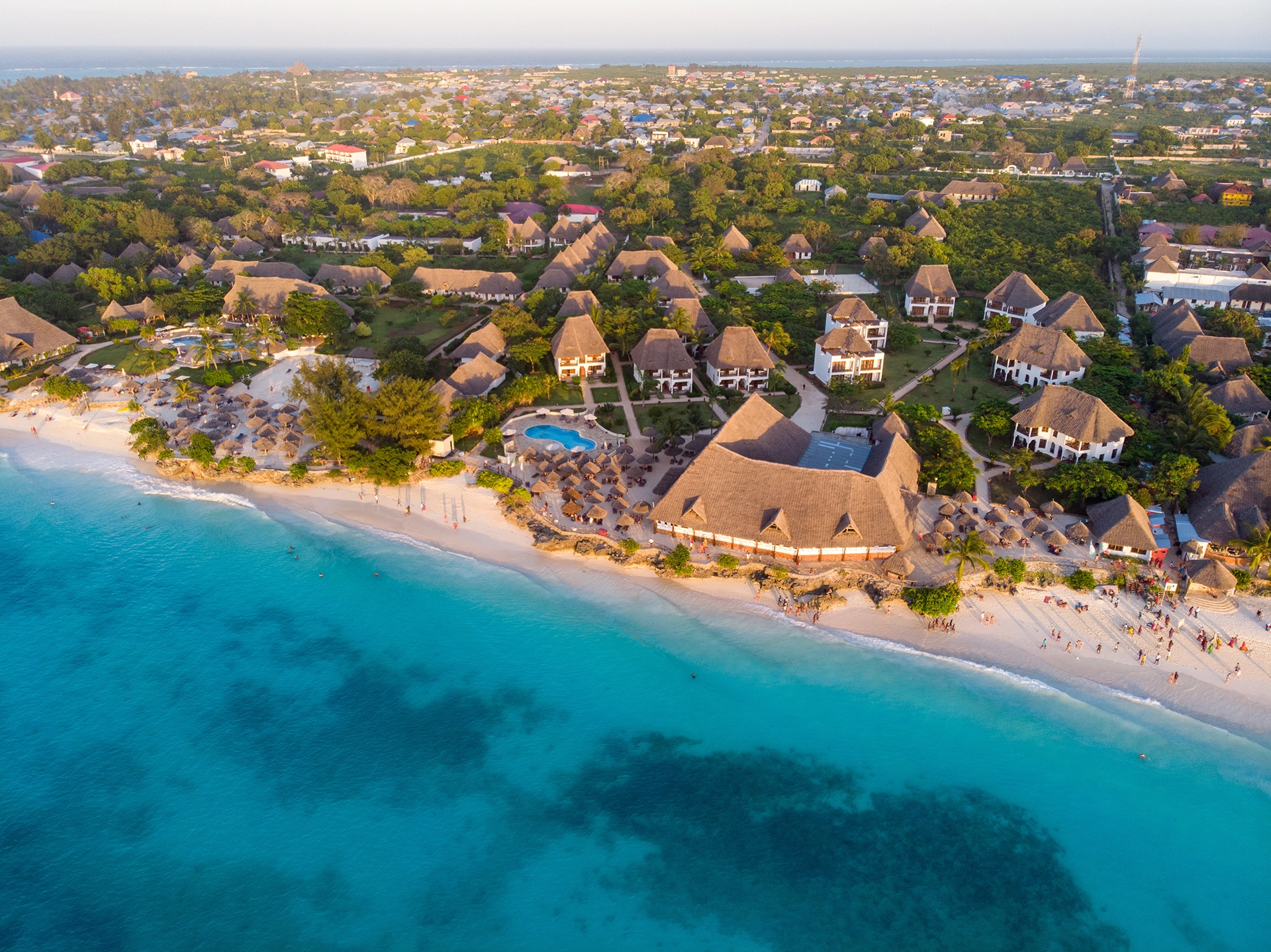
Zanzíbar está pasando de ser un destino costero de gama media a un mercado de lujo y de ultralujo, tanto por estatuto como por demanda, pero sobre un régimen de arrendamiento (*leasehold*) con un techo de 99 años y con una exposición climática declarada. Los datos de llegadas de 2024 y 2025, el marco de la Land Tenure Act 1992 y de la Zanzibar Investment Act 2023 y la oferta de operadores en Nungwi cuentan una historia coherente: las condiciones se están formando, las restricciones son reales y los requisitos de análisis son explícitos.
Puntos clave
- - Zanzíbar registró 917.167 llegadas internacionales en 2025, un +24,5 % más que las 736.755 de 2024 (OCGS; la encuesta de salida del Banco de Tanzania, una segunda serie oficial, da la cifra de 654.880); en 2024 Europa representó el 72 % e Italia fue el principal mercado emisor individual con un 11,8 % (87.202 viajeros).
- - La tenencia extranjera es un arrendamiento de suelo público (leasehold), con un máximo de 99 años, concedido por períodos de hasta 33 años, sin propiedad plena (freehold) (Land Tenure Act 1992, Sección 47, modificada en 2010 y 2018). La renovación de un período sigue a una evaluación ministerial de la inversión; no es automática.
- - El Estatuto de Inversión Estratégica (Strategic Investment Status) conforme a la Zanzibar Investment Act 2023 (Sección 25, Segundo Anexo): USD 50 M en Unguja, USD 5 M en Pemba, con al menos el 30 % en fondos propios; añade incentivos fiscales y sobre el canon del suelo. Las garantías sobre incautación, transferencia de fondos y arbitraje, reglas del CIADI incluidas, se aplican a toda inversión aprobada (Secciones 34, 35 y 57).
- - Presencia de operadores premium: Park Hyatt (Stone Town, 2015), Meliá, Marriott Le Méridien, Anantara Zanzibar Resort & Residences (Nungwi, 111 habitaciones + 70 apartamentos de marca, GDV de USD 150 M, apertura en 2027, Infinity Developments).
- - Exposición climática declarada: en el WIO, el aumento del nivel del mar es de aproximadamente 3,5 mm/año (un 4 % por encima de la media global); la erosión en la costa este de Unguja es de aproximadamente 15,6 m/año (segmentos monitorizados entre 1990 y 2020). La disciplina en los retranqueos (setbacks) y una huella operativa ligera son requisitos de underwriting.
- - Permiso de Residencia para Inversores, Clase C-11, con un umbral de propiedad cualificada de USD 100.000; concede solo residencia, sin vía hacia la nacionalidad; con una interacción favorable con el régimen italiano del Art. 24-bis (Tanzania Investment Centre).
- - IED de Tanzania en 2024: 1.720 millones de USD (UNCTAD); crecimiento del PIB del 5,6 %; turismo en torno al 17 % del PIB.
En esta página (11)
Notas de revisión
Este artículo fue corregido el 27 de septiembre de 2026. Una verificación de sus cifras y atribuciones frente a las fuentes citadas encontró errores, que han sido corregidos en el texto. La lista completa, con lo que decía el artículo y lo que dice ahora, está en la sección de correcciones al final.
Este artículo se corrigió el 29 de septiembre de 2026. Una versión anterior describía la posición de Victaura en Nungwi más allá de lo que recoge su página pública de proyecto y la presentaba como ejemplo de la ventaja de haber completado ciclos de proyecto. El texto, la tabla de zonas y la declaración de intereses del final se ajustan ahora a las páginas públicas de proyecto de Victaura.
Este artículo se corrigió el 12 de octubre de 2026. Una versión anterior atribuía las zonas de plena propiedad de los Emiratos Árabes Unidos a una ley federal que trata otra materia. Ahora cita la ley de Ras Al Khaimah por la que el Gobernante designa las zonas donde los extranjeros pueden ser propietarios de inmuebles.
Este artículo se corrigió el 13 de octubre de 2026. Una versión anterior daba para el proyecto de Victaura en Nungwi un plazo de entrega que su página pública de proyecto no recoge. Se ha eliminado. La sección sobre el comprador italiano vincula ahora la subida del impuesto del artículo 24-bis al traslado de la residencia.
Este artículo se corrigió el 13 de octubre de 2026. La entradilla, las secciones sobre la arquitectura legal y sobre el Estatuto de Inversión Estratégica, los puntos para el comprador extranjero y las conclusiones clave citaban una ley de inversiones derogada en 2024 y una ley tanzana que no fija los umbrales de Zanzíbar. Ahora siguen la Land Tenure Act 1992 con sus modificaciones y la Zanzibar Investment Act 2023, tal como las publica la Cámara de Representantes de Zanzíbar. Con ellas ha cambiado la descripción del plazo del arrendamiento, de su renovación y de las garantías para el inversor.
Este artículo se corrigió el 13 de octubre de 2026. La sección sobre el marco de visados y la lista de fuentes daban una fecha errónea para el tratado de doble imposición entre Italia y Tanzania, y la sección sobre el comprador italiano daba una estimación de propietarios italianos sin fuente pública; las fechas del tratado siguen ahora al Ministerio de Economía y Finanzas de Italia, y la estimación se ha suprimido.
Los números de 2024 y 2025
Zanzíbar registró 917.167 llegadas internacionales en 2025, un 24,5% más que las 736.755 de 2024, según el Tourism Statistical Release de diciembre de 2025 de la Office of the Chief Government Statistician (OCGS Zanzíbar) y la Zanzibar Commission for Tourism. La cifra de 2024, que a su vez fue un 15,4% superior a la del año anterior, es la que este artículo informó originalmente como récord. La cifra de 2025 es ahora la más alta de la historia registrada del archipiélago. La trayectoria es coherente: la recuperación pospandemia no se estancó en 2022 ni en 2023, como ocurrió en la mayoría de los destinos costeros africanos, sino que se aceleró, y la tasa de crecimiento pasó del 15,4% en 2024 al 24,5% en 2025. Una segunda serie oficial, la International Visitors' Exit Survey de 2025 publicada por el Bank of Tanzania, atribuye 654.880 llegadas a Zanzíbar, un 9% más. Las dos series utilizan denominadores distintos y coinciden en la dirección.
La composición de esa base de visitantes es el dato más interesante. En 2024, Europa representó aproximadamente el 72% de las llegadas. Italia fue el principal mercado de origen individual, con un 11,8%, equivalente a unos 87.202 viajeros italianos a lo largo del año, y volvió a liderar en 2025, con un 14,4% de las llegadas de diciembre según el informe de la OCGS y un 18,8% de los visitantes de Zanzíbar según la encuesta de salida del Bank of Tanzania correspondiente al año. Alemania, el Reino Unido y Francia completaron la parte alta de la contribución europea en 2024, mientras que Estados Unidos aportó la principal cuota de larga distancia fuera de Europa. La dependencia de un corredor europeo estrecho es en sí misma una característica del mercado que los asignadores de capital deberían valorar, pero también es la razón estructural por la que la oferta de operadores descrita más adelante se ha consolidado donde lo ha hecho.
El contexto macroeconómico respalda la tendencia. El World Bank Tanzania Economic Update sitúa el crecimiento del PIB de la Tanzania continental en aproximadamente un 5,6% en 2024, una de las trayectorias más estables del África subsahariana. El turismo aporta alrededor del 17% del PIB de Tanzania y aproximadamente el 25% de los ingresos totales en divisas, y Zanzíbar concentra una parte desproporcionada del segmento de alto gasto. La inversión extranjera directa en Tanzania alcanzó los 1.720 millones de dólares en 2024, siendo el inmobiliario turístico la segunda mayor asignación sectorial tras las industrias extractivas.
Para un comprador italiano en particular, la implicación es directa. La clientela ya está presente, en volumen, antes de que se entregue ningún producto nuevo. Un activo de lujo terminado en la costa noroccidental no necesita crear demanda. Necesita capturar un perfil de demanda existente que, según la serie de la OCGS, ha crecido durante cuatro años consecutivos.
La arquitectura legal
La tenencia extranjera en Zanzíbar es en régimen de arrendamiento (leasehold), con un plazo máximo de noventa y nueve años. No existe la plena propiedad (freehold). El estatuto es la Land Tenure Act 1992. El derecho de ocupación solo se concede a zanzibaríes mayores de dieciocho años (Sección 24). Quien no es zanzibarí recibe del Ministro responsable de tierras un arrendamiento de suelo público, y un arrendamiento con fines de inversión requiere que la inversión esté aprobada por la Zanzibar Investment Promotion Authority (ZIPA) u otra autoridad competente (Sección 46). Según la Sección 47, modificada en 2010 y en 2018, el arrendamiento no puede superar los noventa y nueve años y se concede por períodos de no más de treinta y tres años cada uno. Según la Sección 27 de la Zanzibar Investment Act 2023, que derogó la ZIPA Act 2018, la Autoridad solo concede ella misma el arrendamiento dentro de las Zonas Económicas Especiales y fuera de ellas facilita su obtención a través de ese Ministro.
Esto es sustancialmente distinto de las zonas de plena propiedad designadas de los Emiratos Árabes Unidos, como las zonas que el Gobernante de Ras Al Khaimah designa para la propiedad extranjera en virtud de la Ley n.º 11 de 2021 del emirato sobre el registro inmobiliario (Al Tamimi & Company, octubre de 2021), y se acerca más, en su gramática jurídica, al marco indonesio, donde el Hak Milik está reservado a los ciudadanos y los compradores extranjeros acceden al suelo mediante el Hak Pakai o el Hak Guna Bangunan. La restricción del artículo constitucional 33(3) que define el caso indonesio no existe en la arquitectura de Zanzíbar en la misma forma, pero el efecto estatutario es comparable: el capital extranjero participa en la economía del suelo sobre una base derivada a largo plazo, no sobre una base perpetua. Los asignadores de capital que analizan Zanzíbar como si fuera un mercado de plena propiedad están malinterpretando la regulación.
El proceso de autorización de la ZIPA tiene consecuencias. La inversión aprobada en zonas designadas (Nungwi, Kendwa, Pingwe-Michamvi y determinadas parcelas de Stone Town) se tramita a través de la ZIPA bajo el principio de ventanilla única, con evaluación de impacto ambiental conforme a los estándares del National Environment Management Council (NEMC) y coordinación paralela con el Department of Lands and Registration. El proceso es más lento que una ruta de promotor único del Golfo. También es más defendible en la salida, porque la cadena de titularidad, desde la aprobación de la ZIPA hasta el arrendamiento registrado, está documentada en cada etapa. Los inversores que han completado el ciclo tratan la capa de autorización como parte del activo, no como una friccion que deba descontarse.
Una consecuencia práctica para la estructuración del capital. Los noventa y nueve años son un techo, no un único período: el arrendamiento se concede por períodos de hasta treinta y tres años y, antes de renovar un período, el Ministro responsable de tierras evalúa el desempeño de la inversión, en consulta con el Ministro responsable de inversiones (Sección 47). Un inversor institucional que analiza con un horizonte de treinta a cincuenta años está dentro del techo, pero toda tenencia más larga que el primer período, treinta y tres años como máximo, atraviesa una renovación; y el inversor que espera una transmisión de título perpetua a lo largo de varias generaciones necesita planificar en torno a cada renovación y al propio techo. La renovación no es automática. Para el asignador familiar de larga duración, esto es un dato de análisis, no un impedimento, siempre que se identifique y se valore.
La tenencia extranjera en Zanzíbar es en régimen de arrendamiento, con un máximo de noventa y nueve años. No existe la plena propiedad. El estatuto es explícito. Un análisis que ignore esto no es un análisis.
Estatuto de Inversión Estratégica
En Zanzíbar, el Estatuto de Inversión Estratégica lo fija la Zanzibar Investment Act 2023. Según la Sección 25 y el Segundo Anexo, una inversión aprobada en Unguja, la isla mayor, lo obtiene con 50 millones de USD invertidos y al menos el treinta por ciento del capital en fondos propios, y una en Pemba, la isla menor cuyo corredor de desarrollo sigue escasamente edificado, con 5 millones de USD en la misma condición; fuera del sector hotelero los umbrales son 10 millones de USD con al menos 500 empleos directos en Unguja y 2 millones de USD con al menos 100 en Pemba. El inversor lo solicita a la ZIPA, y el estatuto añade incentivos: según el Cuarto Anexo, exenciones más amplias de aranceles y del impuesto sobre la renta de sociedades y hasta cinco años de carencia en el canon del arrendamiento del suelo. Las garantías no dependen de él. La protección frente a la incautación, admitida solo por interés público y con una indemnización justa y oportuna (Sección 35), la transferencia al exterior de dividendos, servicio de préstamos y producto de la venta (Sección 34) y el arbitraje, también conforme a las reglas del Centro Internacional de Arreglo de Diferencias Relativas a Inversiones (CIADI) (Sección 57), se aplican a toda inversión aprobada.
El rasgo institucionalmente más relevante es que la protección está escrita en la ley para toda inversión aprobada, mientras que el estatuto estratégico es una cuestión de incentivos. Ese orden le dice a un asignador qué hará y qué no hará Zanzíbar en el margen político: la garantía contra la incautación es explícita, la garantía contra la disrupción regulatoria discrecional es parcial, y el foro de resolución de disputas puede ser internacional. También significa que un proyecto por debajo de los umbrales estratégicos no queda fuera de la protección de la ley, sino solo fuera de su paquete de incentivos más amplio.
Los flujos de inversión extranjera directa son coherentes con este planteamiento. El Informe sobre las Inversiones en el Mundo 2025 de la UNCTAD registra entradas de IED en Tanzania por 1,72 mil millones de USD en 2024, frente a 1,34 mil millones de USD en 2023, un incremento interanual del 28 % que sitúa a Tanzania entre los cuatro mayores destinos de IED de África Oriental. El sector de inmobiliario turístico absorbió un 18 % estimado de ese flujo, con Zanzíbar captando una proporción desproporcionada del segmento de gama alta.
El riesgo político es el factor que la ley no puede eliminar, y en 2025 se materializó. La votación de 2025 no fue una transición. La presidenta Samia Suluhu Hassan, en el cargo desde la muerte del presidente John Magufuli en 2021, fue declarada reelegida tras las elecciones generales del 29 de octubre de 2025 con cerca del 98 % de los votos, en un proceso del que se había excluido a los principales candidatos de la oposición. El 11 de noviembre de 2025, UN News informó de que, según información obtenida por la oficina de derechos humanos de la ONU, cientos de manifestantes y otras personas habían muerto y más de 150 habían sido arrestadas desde el día de la votación, y que la situación de seguridad y el corte de internet habían impedido a la ONU verificar las cifras exactas de víctimas. Los servicios de internet fueron restringidos y se impuso un toque de queda nacional durante los disturbios (Freedom House, Freedom in the World 2026). A 27 de septiembre de 2026, el balance sigue siendo objeto de controversia. El recuento oficial más reciente localizado para esta revisión, el informe de una comisión nombrada por el gobierno publicado en abril de 2026, registra al menos 518 muertes, una cifra que su presidente afirmó que podría no ser definitiva, mientras que grupos de oposición y religiosos estiman miles (DW, 24 de abril de 2026). La Fundación Mo Ibrahim no interpretó la votación como ordenada. El 3 de noviembre de 2025 escribió que "unas elecciones que excluyen a los partidos de la oposición no son ni justas ni legítimas". Freedom House califica a Tanzania como No Libre, con una puntuación de 28 sobre 100 en Freedom in the World 2026, frente a 35 un año antes. Las garantías legales descritas anteriormente permanecen inalteradas sobre el papel. Lo que este episodio cambia es el peso que un asignador de capital concede a la acción discrecional del Estado, desde los permisos hasta la renovación del arrendamiento, a lo largo de una tenencia de treinta a cincuenta años.
La especificidad del comprador italiano
Italia no es un mercado de origen más entre muchos para Zanzíbar. Es el principal mercado de origen europeo. Los 87.202 viajeros italianos registrados por la OCGS en 2024, equivalentes al 11,8% del total de llegadas, sitúan a Italia por delante de Alemania, Francia y el Reino Unido en volumen absoluto, y por delante de cualquier otro país de origen individual. El patrón no es una anomalía de 2024. Las llegadas italianas a Zanzíbar han encabezado la tabla europea de forma constante durante toda la recuperación pospandemia, una posición reforzada por la capacidad de vuelos chárter directos desde Milán Malpensa, Bérgamo y Roma Fiumicino durante toda la temporada alta.
La composición del flujo italiano está diferenciada. El volumen está dominado por el segmento de paquetes vacacionales canalizados a través de operadores del norte de Italia, pero la cola de alto gasto se concentra en las categorías de bodas, lunas de miel y estancias de lujo recurrentes. Las estimaciones del sector de Federalberghi y las encuestas sectoriales de Confturismo sugieren que aproximadamente entre el 8 y el 12% de las llegadas italianas a Zanzíbar se concentran en alojamientos de cinco estrellas o superior, frente a una media global de Zanzíbar de entre el 4 y el 6%. Esa sobreponderación en el segmento premium es, en términos comerciales, la razón por la que los operadores italianos han liderado la inversión de lujo en Nungwi durante una década.
La dimensión de la diáspora y de la segunda residencia no tiene un recuento público. La residencia por inversión italiana en Tanzania no es un programa estructurado del tipo que se analiza en la sección sobre el marco de visados más adelante; el Permiso de Residencia para Inversores Clase C-11 es un marco operativo, no un programa comercializado. Ninguna fuente pública encontrada para este artículo indica cuántos italianos poseen un inmueble en Zanzíbar, y el artículo no lo estima.
La capa fiscal conecta con el mapa europeo descrito en el dossier de referencia. Los italianos que repatrian su residencia para beneficiarse del régimen del artículo 24-bis, cuyo impuesto sustitutivo anual subió de 200.000 € a 300.000 € para quienes trasladan la residencia desde el 1 de enero de 2026, han mostrado una preferencia documentada por la exposición a segundas residencias en África y el océano Índico como parte de la reconfiguración de su cartera. La posición de Zanzíbar dentro de ese mapa es específica: es el destino costero africano donde el conocimiento institucional italiano, la capacidad chárter y la presencia de operadores ya se han acumulado. La base de compradores no es teórica.
La exposición climática, divulgada con honestidad
El clima es un factor de suscripción, no una externalidad. La divulgación honesta del riesgo físico es el rasgo que más distingue la suscripción institucional de 2026 del ciclo anterior, y Zanzíbar presenta exposiciones documentadas que deben identificarse a nivel de parcela.
El aumento del nivel del mar en el océano Índico occidental avanza a un ritmo de aproximadamente 3,5 milímetros al año, alrededor de un cuatro por ciento por encima de la media global, según Nature Communications Earth and Environment (2026) y corroborado por los datos de altimetría satelital AVISO de la serie 1993-2024. La trayectoria de aceleración coincide con la señal del Dipolo del Océano Índico documentada por la NOAA y la Indian Ocean Climate Initiative. En un horizonte de tenencia de treinta años, el aumento acumulado proyectado del nivel del mar se sitúa entre 30 y 50 centímetros en los escenarios centrales, con escenarios de límite superior que alcanzan entre 70 y 90 centímetros en las trayectorias más agresivas alineadas con Hansen.
La erosión costera en la costa este de Unguja se ha medido en aproximadamente 15,6 metros al año entre 1990 y 2020, en segmentos específicos monitorizados (ScienceDirect, Ocean and Coastal Management, 2023). La señal de erosión de la costa este es sustancialmente más alta que la de la costa oeste debido al viento predominante, el intercambio de mareas y la exposición al océano Índico abierto. La costa noroeste, donde se encuentra Nungwi, se beneficia de una geometría de laguna protegida por arrecifes y una variación mareal mínima, lo que constituye la razón geomorfológica por la que los desarrollos de mayor valor se han consolidado allí.
Los episodios de blanqueamiento coralino son ya anuales en los segmentos de arrecife monitorizados de la red de AMP del océano Índico, con la primera ventana de blanqueamiento consecutivo multianual abierta en 2024 y confirmada por NOAA Coral Reef Watch. El blanqueamiento no destruye directamente la propiedad frente a la playa, pero sí compromete el mecanismo de protección arrecifal que amortigua la energía de las olas que llega a la costa. En un horizonte de treinta a cincuenta años, la cuestión de la integridad de los arrecifes es una variable relevante en la valoración de activos costeros.
La implicación para la selección de activos es procedimental, no narrativa. La disciplina de retiro (setback), la elevación de las plantas habitables, una huella operativa ligera (estructuras bajas y dispersas, sin infraestructura rígida de muros marítimos que destruya la reposición natural de la playa) y los estudios de geomorfología costera a nivel de parcela no son opcionales. Son requisitos de suscripción. El retiro también es un mínimo regulatorio. La Unidad de Control de Desarrollo de Zanzíbar exige líneas de edificación de al menos treinta metros desde la marca de pleamar más alta en parcelas con playa de arena hacia el mar, y de al menos diez metros en parcelas con acantilado, según sus directrices de permisos de construcción de 2018; la línea de retiro y el volumen edificable explica lo que esa franja elimina de un terreno. Los asignadores de capital que fijan el precio de un frente marítimo en Zanzíbar sin estos datos no están valorando el activo.
El marco de visados
El Permiso de Residencia para Inversores de Zanzíbar, designado Clase C-11, es el marco de residencia operativo para inversores extranjeros en el segmento inmobiliario. El umbral se fija en 100.000 USD de inversión inmobiliaria cualificada en un desarrollo aprobado por la ZIPA, con el permiso emitido por un plazo renovable y extendido al cónyuge y a los hijos dependientes del inversor principal. La Clase C-11 es administrativamente distinta del permiso de inversor estratégico vinculado a los proyectos cualificados de SIS de 50 millones de USD, y está calibrada para el comprador individual de propiedades, no para el inversor operativo.
Este marco de permisos no es ni una visa dorada ni un programa de ciudadanía por inversión. No conlleva una vía hacia la ciudadanía tanzana, no ofrece el alcance de viaje sin visado de una estructura de los Emiratos o del Caribe, y no otorga acceso automático de viaje a Europa. Lo que sí proporciona es residencia legal en el archipiélago de Zanzíbar, con derechos de propiedad plenos dentro del marco de arrendamiento (leasehold), y una posición fiscal que interactúa con la red de tratados bilaterales que mantiene Tanzania.
Para un comprador italiano en particular, el marco de la Clase C-11 interactúa con el régimen italiano del artículo 24-bis de forma favorable, no conflictiva: el impuesto sustitutivo sobre las rentas de origen extranjero en Italia cubre los ingresos pasivos por alquiler generados por el activo en Zanzíbar, mientras que el régimen de retención tanzano se aplica en origen. El tratado de doble imposición entre Italia y Tanzania, firmado el 7 de marzo de 1973 y vigente desde el 6 de mayo de 1983 junto con el protocolo del 31 de enero de 1979 que lo modifica (Ministerio de Economía y Finanzas de Italia), es el documento operativo para la planificación de la posición fiscal. Esto no es un comentario de asesoramiento, es el marco regulatorio.
En comparación con los equivalentes de Mauricio o Seychelles, el umbral de la Clase C-11 es sustancialmente más bajo (100.000 USD frente a un mínimo de 375.000 USD en el esquema PDS de Mauricio) y el proceso administrativo es más breve, pero la ausencia de propiedad plena (freehold) y la ausencia de opcionalidad de ciudadanía son diferencias reales. Los asignadores de capital que evalúen el mapa de residencia costera de África Oriental deberían tratar las tres jurisdicciones como arquitecturas de tenencia distintas, y no como variantes de un mismo marco.
La ventaja del operador
La combinación de la tramitación de permisos de la ZIPA, la estructura de tenencia en arrendamiento (leasehold) y la restricción climática estatutaria produce un mercado en el que la ventaja del operador se acumula con la experiencia. Un promotor extranjero que entra por primera vez en el mercado de Zanzíbar a través de la ventanilla única de la ZIPA debe aprender la cadena documental, los tiempos de revisión medioambiental del NEMC, el ritmo de registro del Department of Lands and Registration, las superposiciones de uso consuetudinario del suelo a nivel de parcela, y la cadena de suministro de construcción local, que opera dentro del marco logístico propio de una isla pequeña. El tiempo acumulado de aprendizaje en un primer proyecto es notablemente más largo que el mismo ciclo en una jurisdicción del Golfo con un promotor maestro (master-developer).
Los operadores que han completado al menos un ciclo de proyecto completo conservan una ventaja estructural en el ciclo siguiente: relaciones ya existentes con la ZIPA, el NEMC y el Ministerio de Tierras, alianzas de construcción locales ya establecidas, una logística de proveedores ya validada y un equipo operativo instalado que no necesita reconstruirse. El comprador institucional que asigna capital a un proyecto en Zanzíbar respaldándose en un operador que no ha completado un ciclo anterior está, dicho sin rodeos, asumiendo un riesgo de promotor primerizo que debería descontarse en consecuencia.
Victaura es a su vez un promotor en Nungwi. Su proyecto allí, Secret Zanzibar Hotel & Villas, está en desarrollo activo. La declaración de intereses al pie de este artículo es el requisito de "skin in the game" que los compradores institucionales deberían exigir a cualquier promotor que publique análisis de mercado.
| Zona | Perfil del comprador | Cartera de operadores | Indicador climático |
|---|---|---|---|
| Nungwi (NO de Unguja) | Segunda residencia de lujo / ultralujo; inversor institucional | Anantara Resort & Residences (2027, Infinity Developments); Secret Zanzibar Hotel & Villas (Victaura); varios hoteles boutique | Laguna protegida por arrecife; menor exposición a la erosión |
| Kendwa (NO de Unguja) | Ocio premium; hoteles de 5 estrellas consolidados | Clúster liderado por Meliá; varios operadores | Protegida por arrecife; erosión moderada |
| Pingwe-Michamvi (SE de Unguja) | Lujo orientado al bienestar; menor densidad | Six Senses (anunciado); resorts boutique | Exposición de la costa este; disciplina de retranqueo crítica |
| Stone Town (UNESCO) | Referente cultural; restauración histórica | Park Hyatt; orientado a la restauración, sin obra nueva | Perímetro patrimonial; no forma parte de las parcelas expuestas a la subida del nivel del mar (SLR) |
| Pemba | Mercado emergente (frontier); umbral SIS de 5 millones de USD | Mayoritariamente en fase previa a la construcción; infraasignado | Menor cobertura de datos; análisis de riesgo conservador |
El operador que ha completado un ciclo de proyecto completo en Zanzíbar es el que sabe dónde se concentra la fricción en la tramitación de permisos. El que no lo ha hecho está, dicho sin rodeos, aprendiendo a costa del comprador institucional.
Las condiciones se están formando, las restricciones son reales, y los requisitos del análisis de riesgo son explícitos. Un mercado de lujo en maduración no es un mercado plenamente maduro. Esa distinción es, en sí misma, toda la cuestión de la asignación de capital.
Qué significa esto para el comprador extranjero
Para un family office, un asesor principal o un comprador privado individual que valore una exposición a Zanzíbar en 2026, las implicaciones son prácticas y pueden resumirse en cinco puntos.
Primero, la restricción de la tenencia es el dato vinculante del análisis de riesgo. El activo es un arrendamiento de suelo público con un techo de noventa y nueve años, concedido por períodos de hasta treinta y tres años; no existe la propiedad plena (freehold), y cada renovación sigue a una evaluación ministerial de la inversión, no es automática. Un horizonte de tenencia de entre treinta y cincuenta años queda dentro del techo pero, más allá del primer período, depende de una renovación. Los planes de transmisión multigeneracional que dan por supuesta una titularidad perpetua deberían incorporar de forma explícita el riesgo de renovación del arrendamiento en su valoración. La cuestión no es si se debe incorporar esta restricción al análisis, sino si se hace con precisión.
Segundo, la Zanzibar Investment Act 2023 protege toda inversión aprobada, y el estatuto estratégico añade incentivos. Las garantías sobre la incautación, la transferencia de fondos al exterior y el arbitraje no esperan al umbral de 50 millones de USD en Unguja; lo que ese umbral añade es el paquete más amplio de incentivos fiscales y sobre el canon del suelo. El comprador individual de menor tamaño no accede directamente al estatuto estratégico, pero sí se beneficia de la mayor confianza institucional que el marco genera para el operador y para el mercado en su conjunto.
Tercero, la exposición climática depende de cada parcela. La costa noroeste y la costa sureste presentan perfiles geomorfológicos distintos. Las parcelas de laguna protegida por arrecife tienen una exposición a la erosión sustancialmente menor que las parcelas de costa abierta del lado este. La disciplina de retranqueo, la elevación, una huella operativa ligera y los estudios costeros a nivel de parcela no son opcionales. El horizonte de tenencia de entre treinta y cincuenta años hace que la diligencia climática sea económicamente racional, no una externalidad.
Cuarto, la cadena del operador importa más que la marca. Los compradores institucionales deberían distinguir entre el operador que aporta la marca (Anantara, Meliá, Park Hyatt) y el gestor de desarrollo que realmente lleva el activo hasta su finalización. La marca valida el segmento. El gestor de desarrollo entrega el edificio. Confundir ambos elementos es el error más habitual en el análisis de riesgo de las branded residences.
Quinto, el marco de visado es de residencia, no de ciudadanía. La categoría C-11 otorga residencia legal y plenos derechos de propiedad dentro del marco del arrendamiento a partir de un umbral de 100.000 USD. No ofrece una vía hacia la ciudadanía tanzana ni un alcance de movilidad global. La interacción con el régimen italiano del Artículo 24-bis, en particular, resulta favorable para los compradores italianos que estructuran una plataforma multijurisdiccional.
Declaración de intereses (skin in the game). Victaura, a través de su matriz Greystone B.V. (Países Bajos), desarrolla proyectos en el lago de Como (Italia), en Nungwi, Zanzíbar (Tanzania), en Gili Air y en Uluwatu, Bali (Indonesia), y mantiene una posición de capital off-plan en Al Marjan Island, Ras Al Khaimah (EAU). Los lectores deben asumir que los comentarios pueden estar influidos por estas posiciones, o beneficiarlas. Este documento se clasifica como material de marketing conforme al artículo 24(3) de MiFID II. No constituye asesoramiento de inversión.
Correcciones, 27 de septiembre de 2026
Este artículo describió las elecciones de 2025 en Tanzania como una transición ordenada del poder y atribuyó esa lectura a la Fundación Mo Ibrahim. Ambas afirmaciones eran incorrectas. No hubo tal transición. La presidenta Samia Suluhu Hassan, en el cargo desde 2021, fue declarada reelegida tras las elecciones generales del 29 de octubre de 2025, en unos comicios de los que se había excluido a los principales candidatos de la oposición (Freedom House, Freedom in the World 2026). UN News informó el 11 de noviembre de 2025, citando a la oficina de derechos humanos de la ONU, de que cientos de manifestantes y otras personas habían muerto y más de 150 habían sido detenidas. Se restringieron los servicios de internet y se impuso un toque de queda a nivel nacional (Freedom House). El 3 de noviembre de 2025 la Fundación Mo Ibrahim escribió que «una elección que excluye a los partidos de la oposición no es ni justa ni legítima». El mismo pasaje señalaba la calificación de Freedom House como Parcialmente Libre. Freedom House califica a Tanzania como No Libre desde su edición de 2025, con una puntuación de 28 sobre 100 en 2026. El pasaje también citaba una clasificación de Eurasia Group sobre Tanzania para la que no se pudo localizar ninguna fuente pública, y esa frase ha sido eliminada. Otros dos pasajes se han corregido cotejándolos con sus fuentes. El apartado sobre el retranqueo costero indica ahora la norma de permisos de construcción de Zanzíbar de 2018, treinta metros desde la línea de pleamar máxima en playas de arena y diez en acantilados, en lugar de un mínimo de veinte metros que la norma no contempla. El apartado de llegadas encabeza ahora con las 917.167 llegadas internacionales registradas por la OCGS para 2025, que sustituyó a 2024 como año récord. Lo que se mantenía de la tesis era el marco estatutario y físico. Aquella corrección dejaba sin cambios el límite del arrendamiento, las garantías para el inversor y los datos climáticos; la descripción del plazo del arrendamiento y de las garantías se corrigió después, el 13 de octubre de 2026. La lectura política sí cambió. A 27 de septiembre de 2026, el riesgo político en Tanzania es un hecho documentado de 2025 con un número de víctimas mortales objeto de disputa, y como tal debe figurar en el expediente de análisis de riesgo.
De Victaura
- Dónde se está desplazando la riqueza mundial (dossier Vol.1, 2026)
- La escasez como protección del valor: primera línea de lago, primera línea de mar y propiedad plena en islas
- Turismo e inversión extranjera en Tanzania
- Nuestro enfoque: ubicación, momento y ejecución
- Secret Zanzibar Hotel & Villas (Nungwi)
- Invierta con Victaura
Fuentes
- OCGS Zanzibar / Zanzibar Commission for Tourism, Annual Tourism Report 2024
- Zanzibar Investment Act 2023 (Act No. 10 of 2023), Sections 25, 27, 34, 35, 57 and 62, Second and Fourth Schedules (text published by the Zanzibar House of Representatives)
- Land Tenure Act 1992 (Act No. 12 of 1992), Sections 24, 46 and 47 (text published by the Zanzibar House of Representatives)
- UNCTAD World Investment Report 2025 (Tanzania FDI 2024 = USD 1.72 billion)
- World Bank, Tanzania Economic Update (GDP growth 2024)
- Anantara / Minor Hotels press release, Anantara Zanzibar Resort & Residences (Nungwi)
- Nature Communications Earth & Environment, Western Indian Ocean sea level rise (2026)
- ScienceDirect, Ocean and Coastal Management, Unguja east-coast erosion 1990 to 2020 (2023)
- NOAA Coral Reef Watch, Indian Ocean bleaching alert series 2024 to 2026
- Tanzania Investment Centre, Investor Residence Permit Class C-11 guidance
- Italian Ministry of Economy and Finance, Department of Finance, double taxation conventions: Tanzania (signed 7 March 1973; amending protocol signed 31 January 1979; in force since 6 May 1983)
- Freedom House, Tanzania country report 2025
- Mo Ibrahim Foundation, Ibrahim Index of African Governance 2024
- UN News, Tanzania: Reports of hundreds killed and detained following deadly election violence, 11 November 2025
- Mo Ibrahim Foundation, Madame President, this is not acceptable, 3 November 2025
- Freedom House, Freedom in the World 2026: Tanzania (Not Free, 28/100; 35/100 in 2025)
- DW, Tanzania's opposition criticizes 'whitewashing' of violence (government-appointed commission: at least 518 deaths), 24 April 2026
- Zanzibar Development Control Unit (DCU), Building Permit for Investors, Drawing Guidelines and Procedures, 2018 (setback 30 m sand beach, 10 m cliff)
- The Citizen, Zanzibar tourism hits nearly one million arrivals in 2025 (OCGS: 917,167 in 2025, 736,755 in 2024), 18 January 2026
- Bank of Tanzania and Ministry of Natural Resources and Tourism, The 2025 International Visitors' Exit Survey Report, July 2026 (Zanzibar: 654,880 arrivals, +9%; Italy first source market, 18.8%)
- Al Tamimi & Company, Law No. 11 of 2021 in respect of the Real Estate Register in the Emirate of Ras Al Khaimah: What you need to know (3 October 2021)
- Land Tenure (Amendment) Act 2010 (Act No. 11 of 2010), Sections 5 and 6: leases of public land, ceiling of 99 years (Zanzibar House of Representatives)
- Written Laws (Miscellaneous Amendment) Act, Act No. 1 of 2018, Section 6: Land Tenure Act 1992, Section 47, terms of up to 33 years within the 99-year ceiling (Zanzibar House of Representatives)
La información de este sitio web tiene únicamente fines informativos y no constituye una oferta, una solicitud de inversión ni asesoramiento financiero. Las rentabilidades indicadas son estimaciones y no están garantizadas; los resultados pasados no son indicativos de resultados futuros. El capital invertido está sujeto a riesgo.
¿Está valorando destinar capital a inmuebles de lujo en las ubicaciones en las que operamos? Hable con nosotros sobre nuestros proyectos actuales y futuros.
Hable con Victaura →Análisis relacionados
Destinos
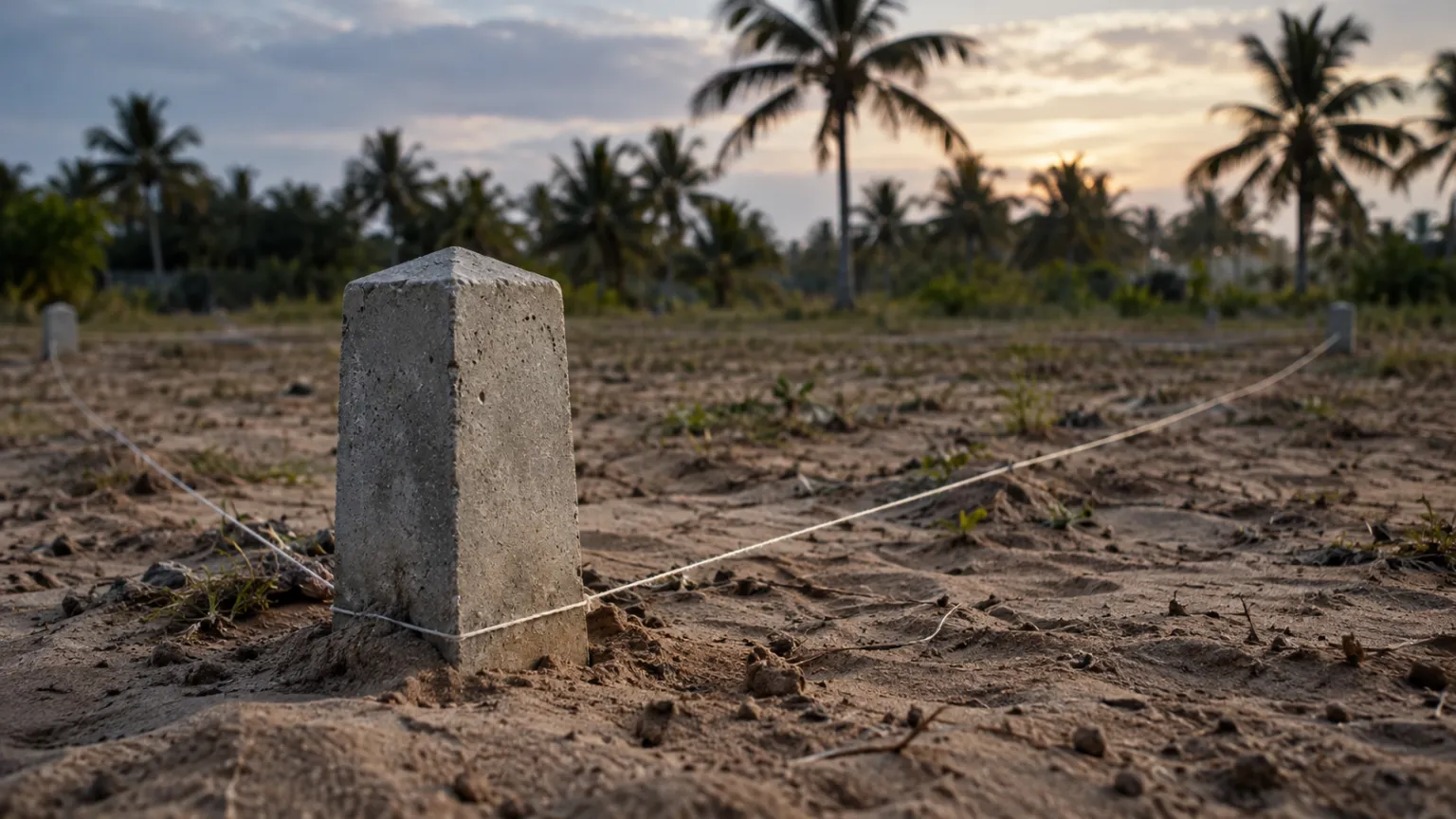
Zanzibar Title: What a Foreigner Can Own
Zanzibar offers a foreign principal no freehold. The primary land right, the Right of Occupancy, is reserved to Zanzibaris, and the foreign holder takes a government lease or a unit title instead. A lease of public land is capped by statute at 99 years and granted in terms of up to 33. This note maps who issues each title, what a bare plot lacks against an approved project, what the February 2026 ZIPA notice added, and what stays unverified.
Destinos
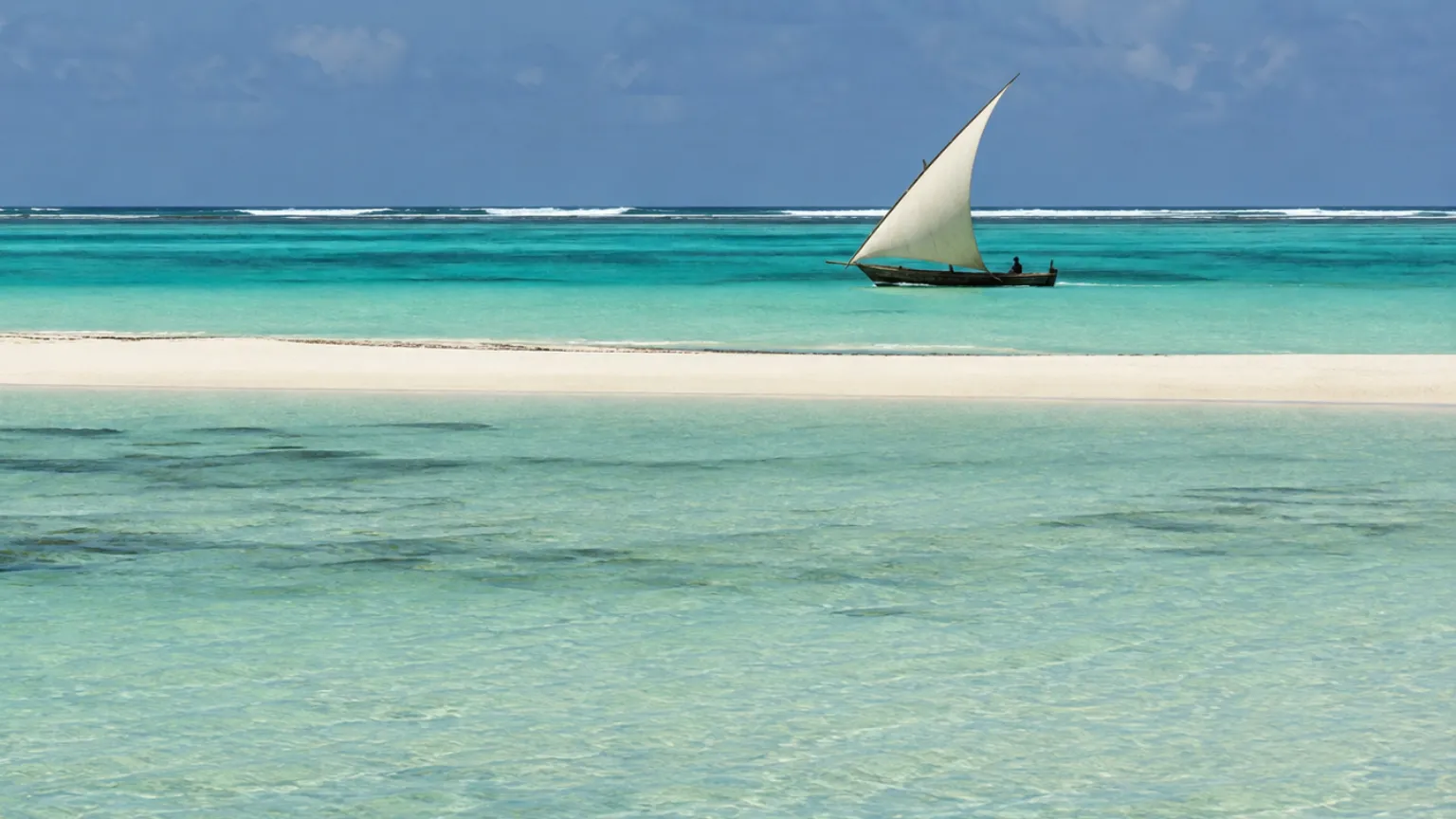
Zanzíbar se acerca al millón: un mercado que madura
Zanzibar registró 917 167 llegadas internacionales en 2025 según la serie oficial de la OCGS para el archipiélago, y en 2026 ha batido récords mensuales sucesivos: 107 801 en julio y después 124 481 en agosto, la cifra mensual más alta registrada a 10 de septiembre de 2026. El umbral del millón de visitantes que anticipaba la tesis del mercado frontera está ya al alcance, y su proximidad modifica el análisis de inversión. Tres cosas se reprecian cuando el volumen es real: el descuento de mercado frontera se comprime, la infraestructura pasa a ser una variable del análisis y no una nota al pie, y el segmento de lujo se separa del producto de playa masivo con el que antes se agrupaba. Este es un dato de maduración, no un certificado de madurez, y esa distinción es toda la cuestión de la asignación de capital.
Visión de mercado
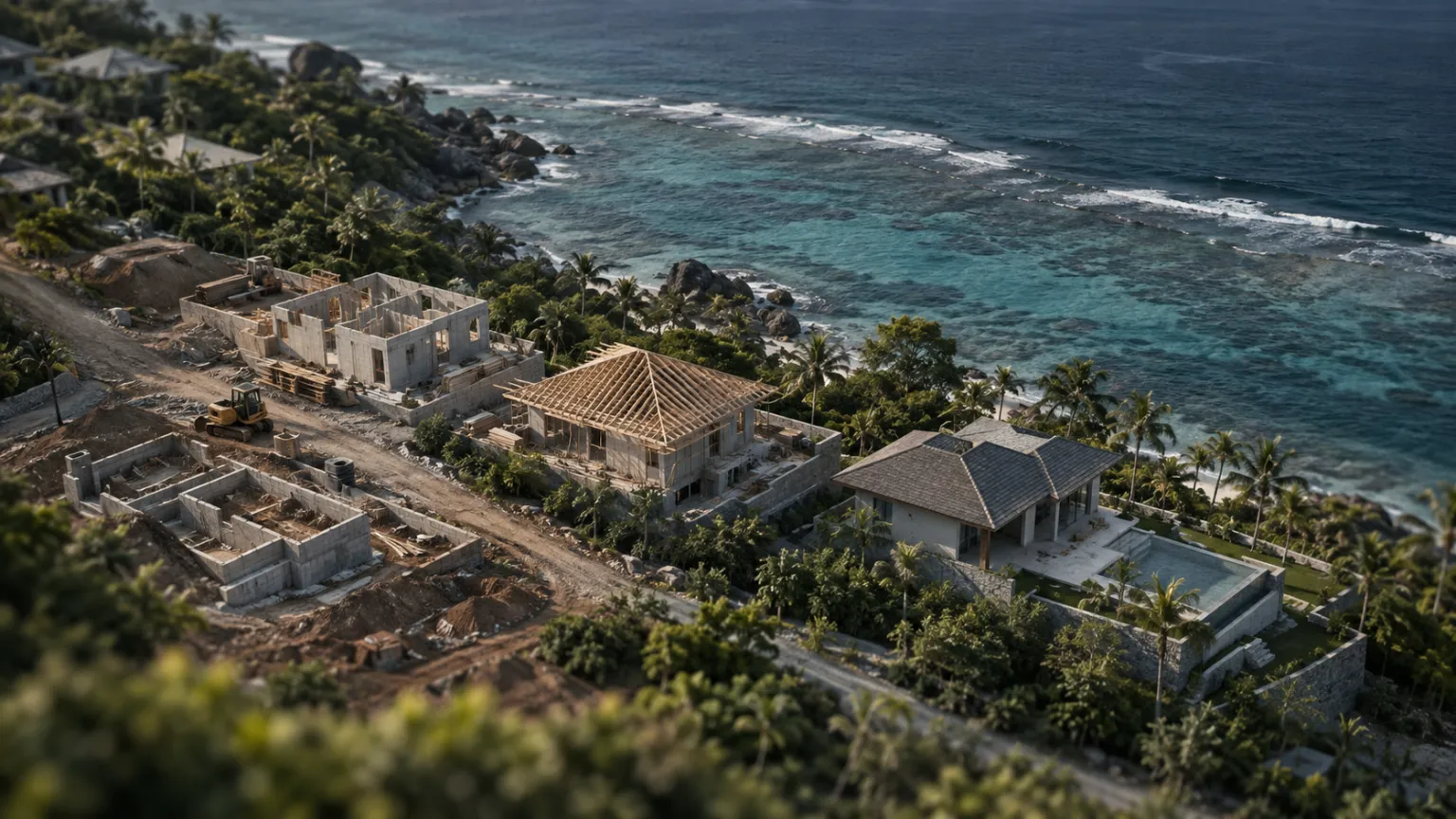
Quién desarrolla en Zanzíbar: el mapa de promotores
Zanzíbar no dispone de un registro de promotores. Tiene una autoridad de inversiones que expide certificados, un régimen de suelo basado en arrendamientos y, desde abril de 2025, una asociación sectorial. Esta nota cartografía los operadores que pueden identificarse a partir de fuentes públicas, lo que consta que ha construido cada uno y dónde, y las pruebas que un inversor puede aplicar para distinguir a un promotor de un intermediario. Cada nombre lleva su fuente. Cada laguna se declara.