
Value-Add Methodology
What Value-Add Real Estate Really Means
Value-add is not opportunistic speculation. It is regulatory navigation, design discipline and construction execution against a binding supply constraint. This article anchors the strategy to the institutional taxonomy used by INREV, CBRE and PGIM, and then walks the jurisdictional grammar of Italy, Indonesia, Tanzania and the United Arab Emirates, the four regulatory frames in which Victaura holds positions.
 Illustration
Key takeaways
- - The institutional taxonomy is published and stable: core 5-9% IRR, core-plus 8-10%, value-add 11-15% with 60-75% leverage, opportunistic 18-25% and above. Value-add is the disciplined middle (Origin Investments; Lorimont; PGIM Real Estate; CBRE 2026 Global Investor Intentions Survey).
- - CBRE 2026 Global Investor Intentions Survey (1,400+ investors) finds value-add and core the most preferred strategies globally.
- - Lake Como: 300-metre landscape band around every lake (D.Lgs. 42/2004 Art. 142), substantial restoration as operative path; 12-24 months end to end is a Victaura Research assumption. Knight Frank PIRI 100: +6.5% in 2025.
- - Indonesia: Hak Milik freehold reserved to citizens by the UUPA 1960, under the constitutional principle of state control over land (Art. 33(3)). Foreign access via Hak Pakai up to 80y or PT PMA Hak Guna Bangunan (GR 18/2021).
- - Zanzibar: government leases for non-citizens, typically 33 years renewable up to 99, no freehold (Land Tenure Act 1992). Strategic investor thresholds USD 50M Unguja / USD 5M Pemba (Zanzibar Investment Act 2023).
- - Ras Al Khaimah: freehold for non-citizens in designated areas under RAK Decision 12/2007. Wynn Al Marjan: modest delay flagged on 7 May 2026, opening now expected September 2027. CBRE: 34,000+ units 2026-30, around 10,000 branded (RAK Decision 12/2007; Wynn Resorts, 7 May 2026; CBRE via Consultancy-me.com, 22 September 2026).
- - Failure modes are identifiable: permitting delays, climate exposure (Bernstein 2019: ~7% SLR discount on US homes), supply absorption (Macau analogue), geopolitical reset (Iran war since 28 February 2026), exit liquidity asymmetry across the four jurisdictions.
- - UBS GFO 2025: family offices' average strategic allocation to real estate was 11% in 2024 (18% US, 11% Europe excluding Switzerland).
On this page (11)
Revision notes
This article was corrected on 27 September 2026. A check of its figures and attributions against the cited sources found errors, which have been corrected in the text. The full list, with what the article said and what it says now, is in the corrections section at the end.
This article was corrected on 29 September 2026. An earlier version gave indicative return bands for four markets in which Victaura holds positions. Victaura does not publish return figures for its projects, and they were removed; market returns reported by third parties are unchanged. It also described co-investment arrangements, project milestones and positions beyond Victaura's public project pages; the text, and the disclosure at the end, now follow those pages.
This article was corrected on 13 October 2026. It gave the EUR 200,000 amount of Italy's Article 24-bis flat tax for those moving from 10 August 2024; Decree-Law 113/2024 applies it to those who transferred residence after the decree entered into force on 10 August 2024 (Normattiva). The two statutes behind the amounts are now in the references.
This article was corrected on 13 October 2026. An earlier version gave construction and delivery years for two of Victaura's projects that their public project pages do not give. They have been removed, and the stages now follow those pages. The corrections section now says that three figures were absent from the sources the article cited, rather than from sources in general.
The classification
Institutional investors describe real estate strategies along a single spectrum of risk and return. The taxonomy is set out in published practitioner guides, among them those of Origin Investments and Lorimont. Core sits at the conservative end: stabilised income-producing assets, long net leases, investment-grade tenants, leverage of 40 to 45 per cent in the Origin Investments description and below 50 per cent in Lorimont's. Core-plus is the same asset class with modest operational upside. Opportunistic sits at the other end: ground-up development, complex repositioning, distressed acquisition, leverage of 70 per cent or more according to Origin Investments and often above 80 per cent according to Lorimont. Value-add occupies the disciplined middle.
The numbers anchor the language. Core targets an IRR of 5 to 9 per cent, predominantly from in-place income. Core-plus targets 8 to 10 per cent with light operational improvement. Value-add targets 11 to 15 per cent with 60 to 75 per cent leverage, the return profile weighted toward execution rather than market timing. Opportunistic targets 18 to 25 per cent and above, with commensurate exposure to permitting failure, construction overruns and lease-up shortfall. These bands are not Victaura conventions; they are the working definitions used across PGIM Real Estate, Origin Investments and the broader practitioner literature, and they map cleanly onto the INREV Style Framework.
The CBRE 2026 Global Investor Intentions Survey, polling more than 1,400 investors, reports that value-add and core are the two most preferred strategies for the year. The survey covered investors across North America, Europe, Asia-Pacific and Latin America. The reading that execution, rather than yield compression, will drive returns in this cycle is a Victaura Research assumption, not a finding of the survey.
For a family office, the implication is structural. The UBS Global Family Office Report 2025, based on 317 family offices surveyed in early 2025, puts the average strategic allocation to real estate at 11 per cent in 2024, up from 10 per cent in 2023, with 18 per cent for US family offices and 11 per cent for European family offices outside Switzerland. The figure refers to the portfolio managed by the family office, a narrower perimeter than total family net worth.
Value-add is not about buying low and waiting. It is about doing the work that turns potential into a finished, scarce product.
Victaura Research
The Italian path
On Lake Como the binding constraint is statutory, not cyclical. Italy's Code of Cultural Heritage and Landscape, Legislative Decree 42 of 22 January 2004, at Article 142, paragraph 1, letter b, imposes a 300-metre landscape-protection band from the shoreline of every lake, including land raised above the lake. The Como shoreline is covered in its entirety. Any intervention that alters the state of the site, the stato dei luoghi, requires prior landscape authorisation, autorizzazione paesaggistica, assessed by the relevant Soprintendenza Archeologia, Belle Arti e Paesaggio for compatibility with the protected setting. Lombardy's Piano Paesaggistico Regionale layers further protection on the insubric lakes (Como, Maggiore, Lugano), through specific landscape tutelage of the lake scenery itself.
The timeline is the underwriting input. Landscape authorisation in the simplified procedure (procedimento semplificato under DPR 31/2017) runs to a statutory horizon of 60 days. The ordinary procedure applies to interventions of greater impact, with a parallel building permit (permesso di costruire) and, for listed assets, authorisation under Articles 21 and 22 of the same Code. As a Victaura Research assumption, not a statutory or published figure, the practical timeline on Como is four to nine months for a simplified filing and 12 to 24 months end to end for the ordinary route with building permit. A site without authorisation is not a developable site. It is a site with optionality.
Substantial restoration is the operative path. New freestanding construction within the 300-metre band is, in practice, prohibitive. Ristrutturazione edilizia under Article 3, paragraph 1, letter d of DPR 380/2001 allows for material reconfiguration of existing volumes, including demolition and faithful reconstruction within the existing footprint, subject to landscape compatibility. The value-add thesis on Como is built on that legal grammar: acquire an existing volume on the protected shoreline, secure the authorisation chain, deliver substantial restoration to institutional standards, and exit into a market where finished, compliant lakefront product is structurally scarce.
The demand side is durable and international. Engel & Völkers Italia, with Nomisma, in the Market Report Italia 2025, reports prices of EUR 4,000 to EUR 10,000 per square metre for renovated homes in the most exclusive areas of Lake Como, with top properties reaching EUR 15,000 per square metre, and marked interest from international buyers (as reported by idealista/news, 24 November 2025). Knight Frank's PIRI 100 in The Wealth Report 2026 places Lake Como at +6.5 per cent for 2025, 19th of 100 markets, against a global prime average of +3.2 per cent. Italy's Article 24-bis flat tax on foreign income was EUR 100,000 a year at launch, EUR 200,000 for those who transferred residence after Decree-Law 113/2024 entered into force on 10 August 2024 and EUR 300,000 for those moving from 1 January 2026. Government technical estimates for the 2026 Budget Law, as summarised by Fiscalità Patrimoniale, put new entrants at about 270 a year in 2021 to 2023 and expect the higher charge to reduce them to about 130 a year.
The Indonesian path
Indonesia frames the value-add strategy through a statutory ceiling on freehold. Article 33, paragraph 3 of the 1945 Constitution places land under the control of the state, and the Basic Agrarian Law of 1960 (Undang-Undang Pokok Agraria, UUPA), at Articles 9, 21 and 26, paragraph 2, reserves Hak Milik, full freehold title, for Indonesian citizens. The ceiling is not a policy that can be revised by a budget law. It is a statutory frame, rooted in the constitutional principle of state control over land, that has held since 1960.
International investors participate through other recognised structures. Hak Pakai (right to use) is available to foreign individuals legally resident in Indonesia, granted for an initial term of up to 30 years, extendable by 20 and renewable by 30 under Government Regulation 18/2021, for an aggregate effective term of up to 80 years. A foreign-owned company structured as PT PMA (Penanaman Modal Asing) can hold Hak Guna Bangunan on land it does not own outright, on the same 30 + 20 + 30 schedule. The PT PMA route is the working vehicle for institutional-grade developments on Bali, Lombok and the Gili archipelago. Hak Sewa (lease) remains available as a lighter contractual structure.
For a small island, the constitutional ceiling combines with arithmetic scarcity. Gili Air sits on a finite landmass of approximately 175 hectares, with an identifiable inventory of developable parcels. Bali received about 6.3 million international arrivals in 2024, above pre-pandemic levels (BPS-Statistics Bali Province, via ANTARA); Indonesia drew 13.9 million overall (BPS, via Kontan). The value-add cycle on a Gili site is therefore parcel identification with clean title (title due diligence is the single most important pre-acquisition workstream), PT PMA structuring, building approval under the PBG (Persetujuan Bangunan Gedung), which replaced the IMB under Government Regulation 16/2021, construction, stabilisation through a hospitality operating layer, and exit on a horizon that respects the tenure ceiling.
Climate risk is now an underwriting input. Reef condition, coastal erosion and sea-level rise around the Gili islands are not quantified in this article; treating them as material risks is a Victaura Research assumption. Compliance with the regional spatial plan (Rencana Tata Ruang Wilayah, RTRW) has to be checked parcel by parcel. None of this invalidates the destination thesis; it does make parcel-level diligence, building setback and explicit climate scenario underwriting required workstreams.
The Tanzanian path
Zanzibar is a leasehold jurisdiction by statute. Under the Land Tenure Act 1992, all land in Zanzibar is public land administered on behalf of the President; non-citizens cannot own land outright and hold it through government leases, typically granted for 33 years and renewable up to 99 years. The Zanzibar Investment Act 2023 repealed the 2018 ZIPA Act. This grammar is closer to Indonesia than to the United Arab Emirates, and materially different from the freehold designated zones available across Ras Al Khaimah. The legal architecture is more constrained than is generally understood, and a value-add underwriting that assumes freehold optionality at exit is an underwriting that has not read the statute.
Strategic investor status is the institutional gate. The Zanzibar Investment Act 2023 grants strategic investor status, with additional incentives, to projects above minimum investment thresholds of USD 50 million on Unguja and USD 5 million on Pemba. ZIPA approval is the operative authorisation. Without it, the value-add cycle on a Zanzibar resort or branded-residence scheme is not bankable to institutional standards.
The market is moving from mid-tier to luxury. OCGS Zanzibar recorded 736,755 international arrivals in 2024, up 15.4 per cent on 2023, with Europe accounting for 71.6 per cent of visitors and Italy the single largest source market at 11.8 per cent. In 2025 arrivals rose to 917,167, up nearly 25 per cent, with Italy again first at 14.4 per cent (OCGS and Zanzibar Commission for Tourism, reported by The Citizen on 18 January 2026). Park Hyatt and Meliá are established on the island; Marriott announced in February 2024 a 75-room Le Méridien resort at Bwejuu on the east coast, with opening then planned for 2025. Anantara Zanzibar Resort and Residences (Infinity Developments, Nungwi, USD 150 million GDV, 111 hotel keys and 70 branded apartments, 2027 opening target) is the most ambitious branded residence scheme to date.
Climate exposure is the binding constraint on parcel selection. A 2026 study in Communications Earth & Environment finds that sea levels along African coasts have risen by 11.26 centimetres since 1993, outpacing the global average (EurekAlert, 24 March 2026). This article does not quote a shoreline erosion rate for Unguja; treating erosion as material on the east coast is a Victaura Research assumption. Setback discipline, light operational footprint and parcel-level climate diligence are required inputs to any underwriting that aims to clear an institutional bar.
The UAE path
The United Arab Emirates frame is the most permissive of the four for foreign capital. In Ras Al Khaimah, foreign freehold is set at emirate level: Decision No. 12 of 2007, issued by the then Crown Prince, allows non-citizens to own freehold property, without a local company, in designated areas, namely land developed or owned by the Ras Al Khaimah Investment Authority, Al Hamra Real Estate and Rakin and their affiliates. The supply is controlled by the master developer rather than by a statutory landscape band, and the absorption is shaped by a small number of large-format catalysts.
The Wynn Al Marjan corridor is the canonical catalyst. Wynn Resorts announced on 4 October 2024 that the General Commercial Gaming Regulatory Authority had issued the first commercial gaming facility licence in the United Arab Emirates to the joint venture developing Wynn Al Marjan Island, a resort of about USD 5 billion (CDC Gaming Reports). On the Q1 2026 earnings call of 7 May 2026, Wynn said it expected a modest delay to the opening, previously set for spring 2027, citing logistics and shipping challenges linked to the US-Iran conflict. In its Q2 2026 release of 4 August 2026, Wynn said the resort is expected to open in September 2027. CBRE expects more than 34,000 residential units to be delivered in Ras Al Khaimah between 2026 and 2030, around 10,000 of them branded (Consultancy-me.com, 22 September 2026).
The cycle is event-driven and absorption-constrained. The Macau analogue is the relevant reference case; the view that integrated-resort property cycles can peak some years after opening and then correct sharply is a Victaura Research assumption, not a sourced base rate. Underwriting that anchors only to upside, without scenario-weighting Macau-style mean reversion, is single-scenario underwriting. The geopolitical layer compounds the question. Iran has struck the UAE repeatedly since the US-Israeli strikes on Iran of 28 February 2026, including Fujairah in March and again on 4 May 2026, after the ceasefire of 8 April. That ceasefire, which the Islamabad memorandum of 17 June 2026 was meant to turn into a process for ending the war, collapsed on 8 July 2026 after attacks by both sides; as of 27 September 2026 no ceasefire was in force, and US and Iranian officials had met at the UN General Assembly on 22 and 23 September to discuss an Iranian proposal for a ceasefire of up to 60 days (The National, 23 September 2026). Cinzia Bianco of the European Council on Foreign Relations (15 May 2026) describes the war as a Zeitenwende for the Gulf and writes that the May attacks on Fujairah reinforced the view that Iranian hostility is deep. Dubai transaction volumes fell about 20 per cent in March 2026 because of the regional war, according to CBRE and YallaValue data reported by The National. Knight Frank's PIRI 100 records Dubai at +25.1 per cent for 2025, second of 100 markets. The UAE remains a legitimate value-add operating jurisdiction. It is no longer a defensive one.
Front-line state status is not a marketing inconvenience. It is an underwriting input. A platform that priced the static Gulf has not priced the May 2026 Gulf.
Victaura Research
The institutional return profile
A value-add cycle has five operational phases. Acquisition demands title due diligence, regulatory pre-feasibility and conditional pricing. Permitting is statutory navigation: on Como the autorizzazione paesaggistica and the building permit; on Zanzibar the ZIPA certificate of investment and, above the thresholds, strategic investor status; on a Gili site the PT PMA structuring and the PBG building approval; in Ras Al Khaimah the master-developer approval. Construction is institutional project management with milestone-linked capital deployment. Stabilisation is the operating ramp through a branded operator or a direct hospitality layer. Exit is the disposition strategy, through unit-level sales, a single-asset trade or a portfolio-level transaction to an institutional acquirer.
The working horizon, a Victaura Research assumption, is three to five years for a single asset. Como substantial restoration runs typically 24 to 36 months from authorisation to delivery, with a stabilised hold of 12 to 24 months before exit. Zanzibar and Gili resort cycles run 30 to 48 months from ZIPA or PBG approval to opening. Ras Al Khaimah off-plan cycles align to the master-developer delivery schedule, typically 24 to 42 months from launch to handover. All of these durations are Victaura Research assumptions, not published figures. The KPI suite is identifiable: asset-level IRR, equity multiple at exit, weighted average cost of capital at project level, time to stabilisation, gross margin on units delivered, and a disclosure-grade reconciliation of permit-to-handover milestones.
Victaura, through Greystone B.V., publishes the stage of each project on its project page. The Modern Villa on Lake Como, in Pognana Lario, is a permit-advanced asset. The Two Villas on Lake Como, in Carate Urio, are in the permit phase, with construction expected to follow in 2026. Secret Zanzibar Hotel & Villas, in Nungwi, is in active development. These are stated stages, not delivered outcomes, and each project is to be tested against them as it proceeds.
What goes wrong
Permitting delays are the first failure mode. On Como, a Soprintendenza response that runs to nine months rather than four on a complex autorizzazione paesaggistica compresses the construction window into a less favourable weather season, with second-order effects on cost and marketing. On Zanzibar, ZIPA approval that takes longer than projected delays the construction start and the opening. On a Gili site, a PBG building-approval issue that requires re-filing can extend pre-construction by 12 months, a Victaura Research assumption. These are the recurring frictions of operating in jurisdictions where the regulator is not the developer.
Climate exposure is the second failure mode. Bernstein, Gustafson and Lewis, in their 2019 Journal of Financial Economics paper, found that US homes exposed to sea-level rise sell for approximately 7 per cent less than equivalent unexposed homes equidistant from the beach, a discount that has grown over time and is driven by sophisticated buyers and communities worried about global warming. Applying a comparable discount to oceanfront underwriting in the Western Indian Ocean or Indonesia is a Victaura Research assumption.
Supply absorption is the third failure mode. A Ras Al Khaimah scheme launched into a market where CBRE expects more than 34,000 residential units, around 10,000 of them branded, between 2026 and 2030 competes for a finite absorption pool. That rapid launch sell-outs can be followed by deceleration, as in Dubai after 2008, is a Victaura Research assumption drawn from past cycles, not a sourced base rate. The Wynn-driven RAK cycle does not have to repeat Macau. It does have to be underwritten with Macau in the scenario set.
Geopolitical reset is the fourth failure mode. The Iran war that began on 28 February 2026, with Iranian strikes on the UAE from that day and on Fujairah from March, was not priced into Gulf property at the start of the year, in the reading of Victaura Research. The measurable effects so far include a fall of about 20 per cent in Dubai transaction volumes in March 2026 (CBRE and YallaValue, via The National) and a move of the Wynn Al Marjan opening from spring 2027 to September 2027. A platform that priced the static Gulf is now repricing. The portfolio answer to a geopolitical reset is jurisdictional distribution, not concentration.
Exit liquidity is the fifth and quietest failure mode. A Como villa exits into a thick, international, freehold market. A Zanzibar leasehold residence exits into a thinner market in which the buyer pool is sophisticated about the 99-year ceiling. A Gili Hak Pakai exits into the thinnest of the four. A Ras Al Khaimah unit exits into a market with deep freehold liquidity but visible supply-absorption risk on a four-to-six-year horizon. The 11 to 15 per cent target IRR band at the strategy level is an institutional reference; the realised exit, in each jurisdiction, is a function of liquidity that does not look identical across the four.
Price tells you what the market thinks today. Statutory scarcity tells you why, structurally, the market will keep thinking it. The institutional case for value-add rests on that distinction.
Victaura Research
How Victaura applies it
The thesis rests on three principles: Location, Timing, Execution. We commit only to scarce locations: direct lakefront on Lake Como, oceanfront leasehold on Nungwi, long-term Hak Pakai tenure on a finite island, off-plan units on Al Marjan Island in Ras Al Khaimah. We enter at inflection points: on Como as supply of finished prime stock tightens against international demand; in Ras Al Khaimah ahead of the integrated-resort cycle; on Nungwi as the destination shifts from mid-tier to luxury. Where we develop directly, we control the full chain from concept and permits to design and construction, and we begin only once the authorisation process is complete.
We operate as a direct developer in most cases, and as an off-plan investor in selected ones, where a clear price-value asymmetry is available alongside a leading local developer. In direct development, value is created through work, not through leverage and not through speculation. In the off-plan position on Al Marjan Island, the local developer builds; we select the units, time the entry and manage the resale.
Every project is held through a dedicated, ring-fenced SPV under the Dutch holding Greystone B.V., with governance at the project level. Ring-fencing separates the risk of one project from another. It does not remove the risk within each project.
| Market | Tenure | Permitting timeline | Climate exposure | Supply constraint | Exit liquidity |
|---|---|---|---|---|---|
| Lake Como | Full freehold | 12-24 months (autorizzazione paesaggistica + permesso di costruire) | Alpine-lake, low | Statutory 300-metre landscape band | Deep, international, freehold |
| Zanzibar (Nungwi) | Leasehold, no freehold | 6-12 months (ZIPA SIS + local authorisations) | Sea-level rise and coastal erosion (not quantified here) | ZIPA approval gate; climate-bound parcel selection | Thinner, sophisticated leasehold buyer pool |
| Gili Air | Hak Pakai / PT PMA Hak Guna Bangunan | 9-15 months (PT PMA + PBG + RTRW compliance) | Reef and coastal exposure (not quantified here) | Finite island, identifiable developable parcels | Thin, niche buyer pool, term ceiling visible |
| Ras Al Khaimah | Freehold designated zones | Master developer schedule (no statutory landscape band) | Heat exposure; Iranian strikes on the UAE since 28 February 2026 | Master-developer control, no statutory cap | Deep freehold, visible absorption risk 2027-30 |
Inclusive institutions, secure property rights and constrained executives are the foundation of long-run prosperity.
Paraphrase from Daron Acemoglu, 2024 Nobel Memorial Prize address.
What this means for an investor
For a family office or principal advisor, the implications are practical. First, the four jurisdictions are not equivalent. Como is permit-constrained and culturally consolidated, a low-volatility hold with deep exit liquidity. Zanzibar and Gili Air carry constitutional or statutory tenure ceilings that also limit liquidity at exit. Ras Al Khaimah carries freehold liquidity but no statutory supply cap and a visible event-driven cycle, compounded by the 2026 Iran war, in which Iran has struck the UAE since 28 February 2026 and in which, as of 27 September 2026, no ceasefire was in force (The National, 23 September 2026). The portfolio implication is that value-add is a risk-diversifier across these four nodes, not a single bet.
Second, the operator capability is the binding input. In a market short of finished high-quality product, the ability to navigate permitting, design and construction is itself the source of return. At the strategy level, the 11 to 15 per cent target IRR band is generated by the work, not by the cycle. That capability has to be tested project by project, against published project stages and disclosed conflicts. Third, scarcity is verifiable. A 300-metre landscape band is 300 metres regardless of cycle. A statutory ceiling on freehold is statutory regardless of marketing copy. A 99-year leasehold maximum is statutory regardless of the brokerage narrative. The institutional case for value-add in scarce-land jurisdictions rests on three observable conditions: a binding regulatory or constitutional constraint on supply, a durable and growing international demand base, and an operator capable of converting a scarce site into a finished, compliant, deliverable product. Whether a given project meets all three is a question for due diligence.
Skin in the game disclosure. Victaura, through its parent Greystone B.V. (Netherlands), develops projects on Lake Como (Italy), in Nungwi, Zanzibar (Tanzania), on Gili Air and in Uluwatu, Bali (Indonesia), and holds an off-plan capital position on Al Marjan Island, Ras Al Khaimah (UAE). Readers should assume commentary may be influenced by, or benefit, these positions. This document is classified as marketing material under MiFID II Article 24(3). It is not investment advice.
Corrections, 27 September 2026
What the article said and what it says now. The published version described Ras Al Khaimah freehold as defined by UAE Federal Law 11 of 2021; it now cites Ras Al Khaimah Decision No. 12 of 2007, which allows non-citizen freehold in designated areas. It attributed Zanzibar's 99-year leasehold rule to Section 27 of the ZIPA Act 2018 and the USD 50 million (Unguja) and USD 5 million (Pemba) strategic thresholds to the Tanzania Investment Act 2022; the 2018 Act was repealed by the Zanzibar Investment Act 2023, which sets those thresholds, and non-citizen leases of 33 years renewable up to 99 derive from the Land Tenure Act 1992. It called the Indonesian reservation of freehold constitutional; it is statutory, under the Basic Agrarian Law of 1960, and the IMB building permit it cited was replaced by the PBG under Government Regulation 16/2021. It said the Lake Como 300-metre band applied to lakes of public interest; Article 142 of Legislative Decree 42/2004 covers every lake. It gave Lake Como +54 per cent over five years in Knight Frank's PIRI and a Dubai 2026 forecast of +3 per cent; neither figure is in The Wealth Report 2026, which gives Lake Como +6.5 per cent for 2025. It said about 60 per cent of Lake Como demand is foreign and that the Italian flat tax had 94 entrants in 2017 and about 1,631 taxpayers in 2024; these figures are not in the sources it cited and have been replaced by government estimates of about 270 new entrants a year in 2021 to 2023. It described UBS's 11 per cent real estate allocation as a median with specific exclusions, plus a 25 to 40 per cent range for European UHNWIs; UBS reports an 11 per cent average for 2024, and the range had no source. It gave CBRE figures of 9,000 branded units in Ras Al Khaimah and a branded share rising from 27 to 54 per cent; CBRE (September 2026) expects more than 34,000 units in 2026 to 2030, around 10,000 branded. It dated the Wynn earnings call 8 May 2026 and linked the delay to Fujairah; the call was on 7 May 2026, Wynn cited the US-Iran conflict, and on 4 August 2026 Wynn set the opening for September 2027. It dated the Iran conflict reaching Fujairah to early May 2026, said Dubai prime transactions fell 20 per cent year on year and called the UAE a front-line state in the words of Cinzia Bianco; the war began on 28 February 2026, Fujairah was hit from March, Dubai transaction volumes overall fell about 20 per cent in March 2026 (CBRE and YallaValue), Bianco's ECFR article does not use that phrase, and the April ceasefire collapsed on 8 July 2026, with no ceasefire in force as of 27 September 2026. It gave Western Indian Ocean sea-level rise of 3.5 mm a year, Unguja erosion of 15.6 metres a year, coral bleaching at Gili Matra since 2026 and Macau corrections of 30 to 50 per cent; none of these could be verified and they have been removed or marked as assumptions. It described the Bernstein, Gustafson and Lewis discount as measured on Florida homes for a filtered buyer pool; the paper finds about 7 per cent on exposed US homes, driven by sophisticated buyers.
A further review on the same day refined some of the corrections above and fixed further points. A further check against the cited sources found the following. The article said CBRE expected about 54 per cent of future branded supply in Ras Al Khaimah to be on Al Marjan Island; the Consultancy-me.com report of CBRE data (22 September 2026) does not contain that figure, so it has been removed, and the more than 34,000 units and around 10,000 branded units remain. It said Iran had struck the UAE since March 2026; Iranian strikes on the UAE began on 28 February 2026, and Fujairah was hit from March and again on 4 May 2026 (Wikipedia, United Arab Emirates in the 2026 Iran war; Al Jazeera). It said the Islamabad memorandum of 17 June 2026 broke down on 8 July 2026; the ceasefire that began on 8 April collapsed on 8 July 2026 after attacks by both sides (Wikipedia, 2026 Iran war ceasefire), and as of 27 September 2026 no ceasefire was in force, while US and Iranian officials discussed an Iranian proposal for a ceasefire of up to 60 days at the UN General Assembly (The National, 23 September 2026). It dated the EurekAlert release on African sea levels 17 February 2026; the release is dated 24 March 2026. It said Bali set a visitor record in 2024; ANTARA, citing BPS Bali, reports 6,333,360 international arrivals, above pre-pandemic levels, and the national total of 13.9 million is now sourced to BPS via Kontan. It described core leverage as capped at 30 to 40 per cent and opportunistic leverage as often above 75 per cent; Origin Investments gives 40 to 45 per cent and 70 per cent or more, and Lorimont gives below 50 per cent and often above 80 per cent. It called the strategy taxonomy stable across two decades and present in every institutional underwriting memo; that claim had no source and has been replaced. The single-asset cycle durations in the section on the institutional return profile are now marked as Victaura Research assumptions.
From Victaura
- Where the World's Wealth Is Moving (Vol.1 dossier 2026)
- Scarcity as Value Protection: Lakefront, Oceanfront and Island Freehold
- Our Approach: Location, Timing, Execution
- Modern Villa on Lake Como (Pognana Lario)
- Gili Air Villas (boutique island)
- Secret Zanzibar Hotel & Villas (Nungwi)
- Invest with Victaura
References
- INREV, Style Framework for non-listed real estate funds
- CBRE, 2026 Global Investor Intentions Survey
- PGIM Real Estate, value-add investing house view
- CBRE Investment Management, real estate strategies
- JLL, Global Real Estate Outlook 2026
- UBS, Global Family Office Report 2025 (11% average real estate allocation, 2024)
- Knight Frank, PIRI 100, The Wealth Report 2026
- Italy, Code of Cultural Heritage and Landscape (D.Lgs 42/2004, Art. 142)
- Italy, DPR 31/2017 (procedimento semplificato autorizzazione paesaggistica)
- Italy, DPR 380/2001, Article 3 (substantial restoration definition)
- Engel & Völkers Italia / Nomisma, Market Report Italia 2025
- Indonesia, Basic Agrarian Law (UUPA 1960) and Government Regulation 18/2021
- Zanzibar Investment Act 2023 (Act No. 10 of 2023), Section 25 and Second Schedule: strategic investor thresholds (text published by the Zanzibar House of Representatives)
- Zanzibar Land Tenure Act 1992 (government leases up to 99 years), Ardean Law Chambers
- Ras Al Khaimah Decision No. 12/2007 on freehold property for non-citizens
- Wynn Resorts, first quarter 2026 results release (7 May 2026)
- Bernstein, Gustafson and Lewis, Journal of Financial Economics 134, 2019 (~7% SLR discount)
- Communications Earth & Environment (2026), 2023-2024 El Niño amplifies record sea level surges in African marine domains
- Knight Frank, The Wealth Report 2026 (PIRI 100 databank)
- idealista/news, Engel & Völkers and Nomisma on luxury lake markets (24 November 2025)
- Fiscalità Patrimoniale, flat tax for new residents after the 2026 Budget Law
- Hukumonline, land rights for foreigners in Indonesia (Hak Pakai, PP 18/2021)
- DPMPTSP Bantul, IMB replaced by PBG (PP 16/2021)
- Mongabay Indonesia, Gili Matra island areas (7 October 2016)
- ANTARA, BPS Bali international arrivals 2024
- Charter Cities Institute, Policy Evaluation of the 2018 and 2023 Zanzibar Investment Laws (May 2024)
- TanzaniaInvest, OCGS Zanzibar tourist arrivals 2024
- The Citizen, Zanzibar arrivals 2025 (18 January 2026)
- Hospitality Net, Marriott to bring Le Méridien to Zanzibar (19 February 2024)
- EurekAlert, African coastlines sea level study (24 March 2026)
- Wynn Resorts, gaming operator licence for Wynn Al Marjan Island (4 October 2024)
- CDC Gaming Reports, Wynn Al Marjan modest delay (May 2026)
- Wynn Resorts Q2 2026 results release, SEC Form 8-K (4 August 2026)
- Consultancy-me.com, CBRE on Ras Al Khaimah residential pipeline (22 September 2026)
- The National, UAE property shifts towards buyer's market (8 May 2026)
- Cinzia Bianco, ECFR, The postwar UAE and the remaking of Gulf politics (15 May 2026)
- Al Jazeera, UAE reports missile and drone strikes from Iran (4 May 2026)
- Wikipedia, United Arab Emirates in the 2026 Iran war
- Wikipedia, 2026 Iran war ceasefire
- Origin Investments, What are core, core plus, value-add and opportunistic investments?
- Lorimont, Core, core plus, value-add and opportunistic commercial investments
- Kontan, BPS: 13.9 million international visits to Indonesia in 2024
- The National, Iran presents US with road map for regionwide ceasefire (23 September 2026)
- Normattiva, Decree-Law 9 August 2024, n. 113, Article 2
- Normattiva, Law 30 December 2025, n. 199, Article 1, paragraphs 25 and 26
The information on this website is provided for informational purposes only and does not constitute an offer, solicitation, or financial advice. Indicated returns are estimates and are not guaranteed; past performance is not indicative of future results. Capital invested is at risk.
Considering an allocation to luxury real estate in the locations we operate? Speak to us about our current and upcoming projects.
Speak to Victaura →Related insights
Value-Add Methodology
Resort Conversion: Underwriting the Capex Stack
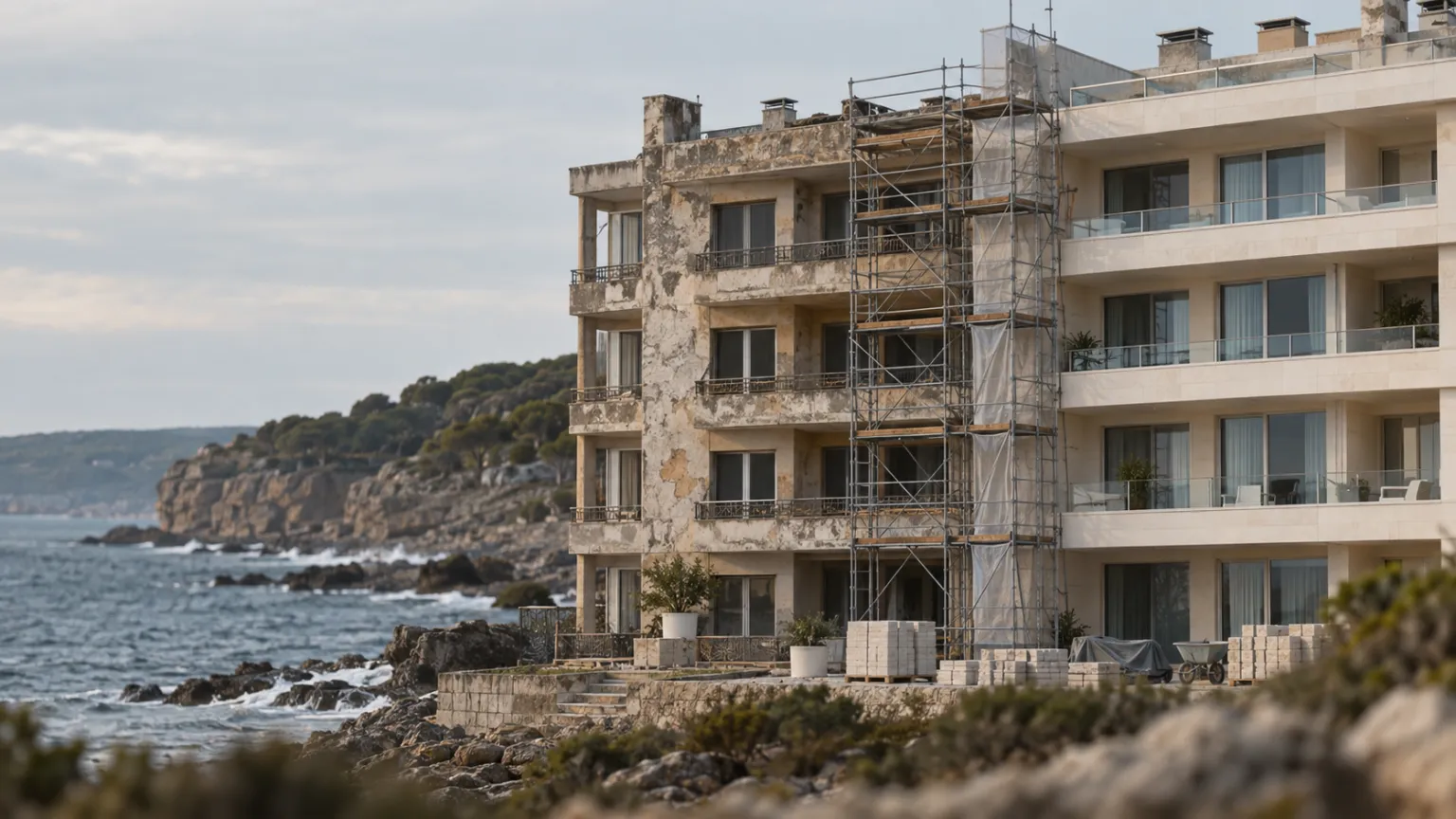
The return on a value-add resort conversion is the spread between acquisition basis and stabilized value, net of everything that goes wrong in between. This piece sets out how that spread is underwritten: the capex stack, the contingency a standing structure requires, and the multi-year curve the revenue side must climb before the exit math works.
Value-Add Methodology
Boutique Conversions: The Value-Add Underwrite
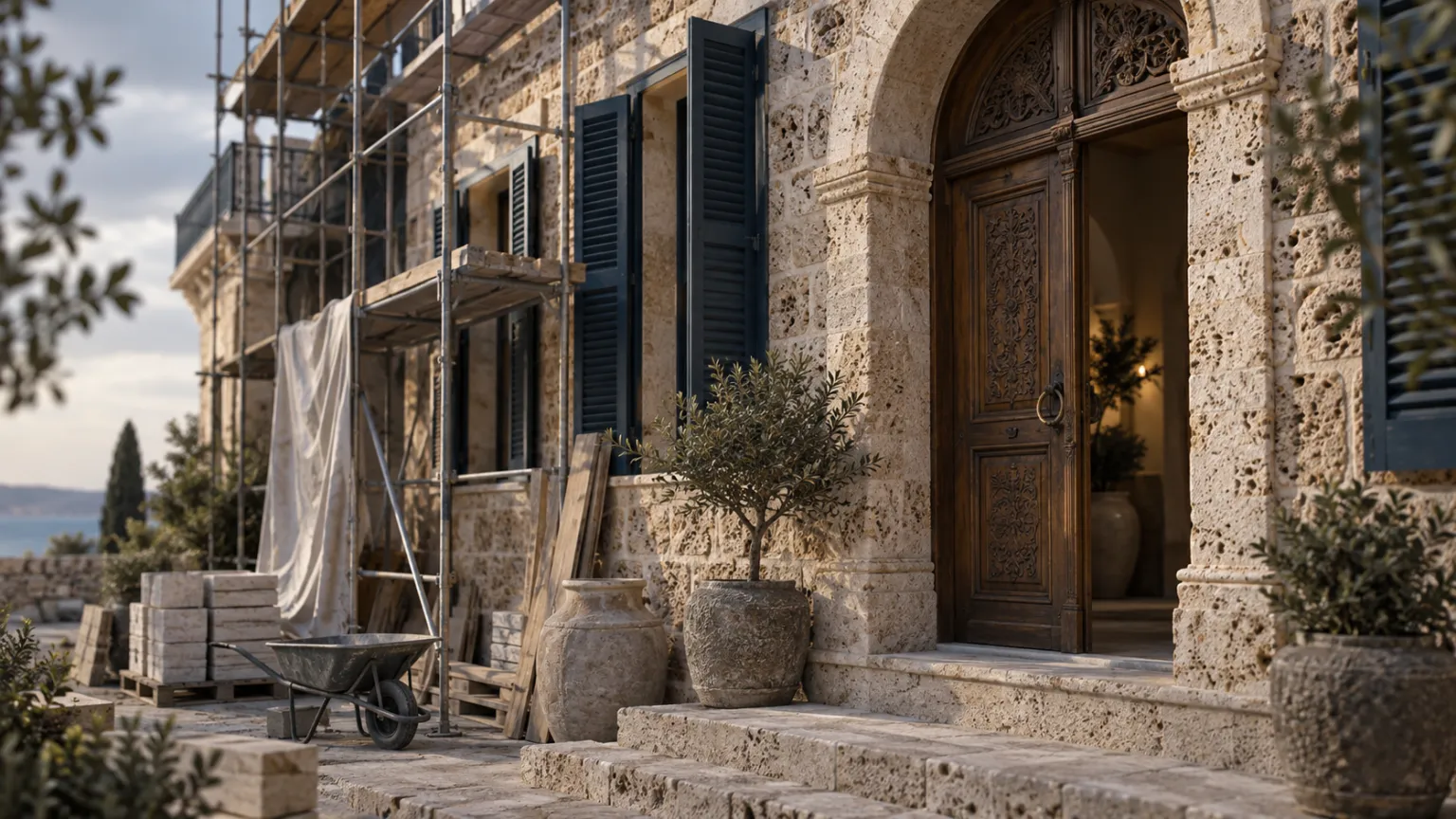
A boutique conversion is not a purchase. It is a manufacturing programme. The principal buys a building, a change of use, a capital budget and an operating agreement, and assembles an asset that did not exist on the day of acquisition. The return is the spread between a distressed-in basis and a stabilized-out value. This is how that spread is underwritten.
Value-Add Methodology
Scarcity as Value Protection: Lakefront and Island
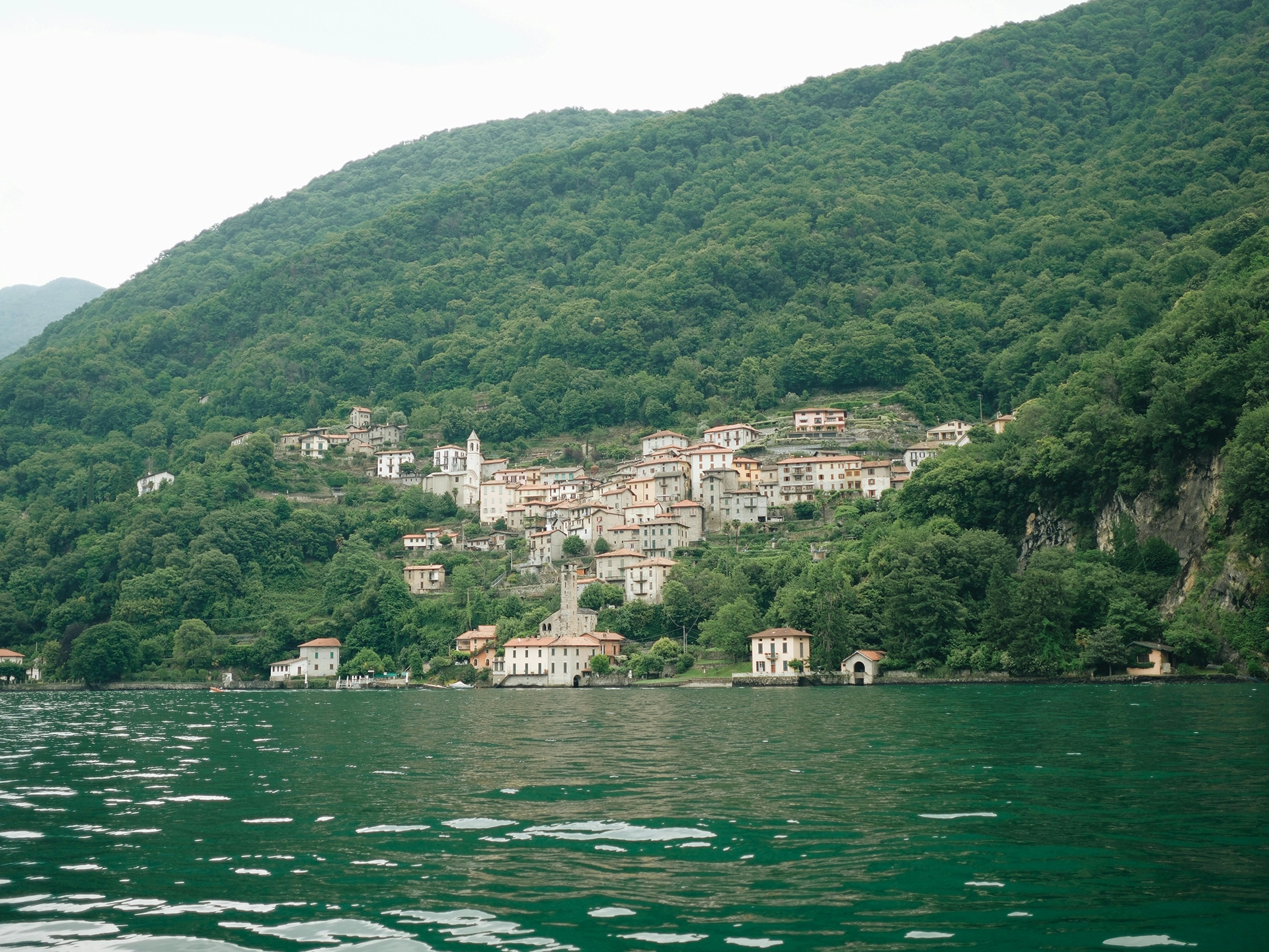
At the very top of the market, the strongest protection of value is not a forecast, it is scarcity. The land in the most desirable locations cannot be recreated, the rules that govern it cannot be wished away, and the wealth that competes for it keeps growing. This dossier sets the structural conditions of scarcity against the data of 2025-2026, jurisdiction by jurisdiction, and against the transparency regime now permanent.