
Research Library
Insights
Institutional research and editorial perspectives on the locations, asset classes and frameworks behind our investments. We publish longer dossiers on the structural shifts shaping luxury real estate, alongside shorter pieces on methodology, regulation and our specific markets.
Geography of Trust
An institutional research series tracking the structural shifts in luxury real estate. Five volumes examine wealth migration, asset class repricing, jurisdictional durability, branded residences bifurcation, and hospitality operator continuity.
Flagship Reports
 Dossier
Branded Residences
The Resale Test: Branded Residences After Handover
Savills places the average branded residence premium at roughly 33 per cent and publishes no separate figure for resales. Whether that premium survives the secondary market is a different question, and the industry rarely asks it in public. This dossier assembles the resale evidence, Dubai transaction records, two Miami towers with six to eight years of recorded sales, and the brand-removal natural experiments, and tests the premium where it matters: at exit. With branded residences forecast by CBRE at 54 per cent of Ras Al Khaimah's new supply in 2030 and Greystone holding an off-plan capital position there, the question is not academic. The conflicts are declared. The evidence decides, and where it cannot, the dossier says so.
Read full report Dossier
Market Views
Branded Residences 2026: 910 Schemes, Two Markets
Savills expects 910 branded residence schemes by the end of 2025, up from 764 in December 2024. Knight Frank counted 611 under a luxury-only screen in 2025 and 903 at end-2025 in its wider September 2026 survey, closing the 299-scheme gap this dossier read in May 2026 as the operational signature of a bifurcation. The bifurcation rests on operator and contract evidence rather than on the count. As a Victaura Research assumption, since no cited source measures the premium by tier, Tier 1 scarcity brands (Aman, Rosewood, Cheval Blanc, Bulgari) hold a 30 to 50 per cent premium over comparable unbranded homes. On the same assumption, the Tier 3 mass-luxury premium (Marriott Ritz-Carlton, St. Regis, JW, EDITION; Accor; Hilton Conrad) falls toward 5 to 15 per cent in oversupplied markets. In this dossier's reading, the Savills 33 per cent global average (30 per cent in cities, 39 per cent in resorts) is a weighted composite of two distributions that move in opposite directions. This dossier reads the count as two markets, decomposes the premium into five components, and traces the holding-period asymmetry against the Vol.2 Lake Como unbranded heritage anchor. It is the third volume of Geography of Trust.
Read full report Dossier
Market Views
Where the World's Wealth Is Actually Moving in 2026
Henley's projection of 142,000 millionaire migrants in 2025 was challenged by Tax Policy Associates, which put one digit pattern in the underlying data at about a 1-in-240,000 chance and called the report marketing material, not evidence. For the UK, Henley's projected outflow of 16,500 has no official counterpart yet: HMRC counted 81,900 non-domiciled and deemed-domiciled taxpayers in 2024-25, and estimates of post-reform departures are due only in 2027. Beneficiaries of Italy's 24-bis regime reached 1,923 in 2024, 1,374 of them principal taxpayers, on Corte dei Conti figures. The Geography of Trust is now a three-vector portfolio decision, not a tax-haven shortlist.
Read full report Dossier
Market Views
Lake Como Ultra-Prime 2026: Dual Scarcity, +6.5% PIRI
Italian prime is conventionally read as a single asset class with a synchronised cycle. Knight Frank's PIRI 100 put Lake Como at +6.5% in 2025, rank 19, against Milan at +0.4% and London at -4.7%, and on a Victaura Research reading Lake Como has exited that cycle. Three binding constraints (the D.Lgs. 42/2004 landscape statute, a pattern of multi-generational family non-sale that is a Victaura Research assumption, and Article 24-bis at €300k for new residents from 2026) make supply inelastic by statute rather than zero, keep turnover low and select internationally mobile principals on a 15-year horizon. The dossier reads the result as compounding rent on irreplaceability rather than cyclical prime, and proposes Mayfair Grosvenor, Park Avenue prewar, St Moritz Suvretta and Cologny as the comparator basket in place of Forte dei Marmi or Cap Ferrat.
Read full report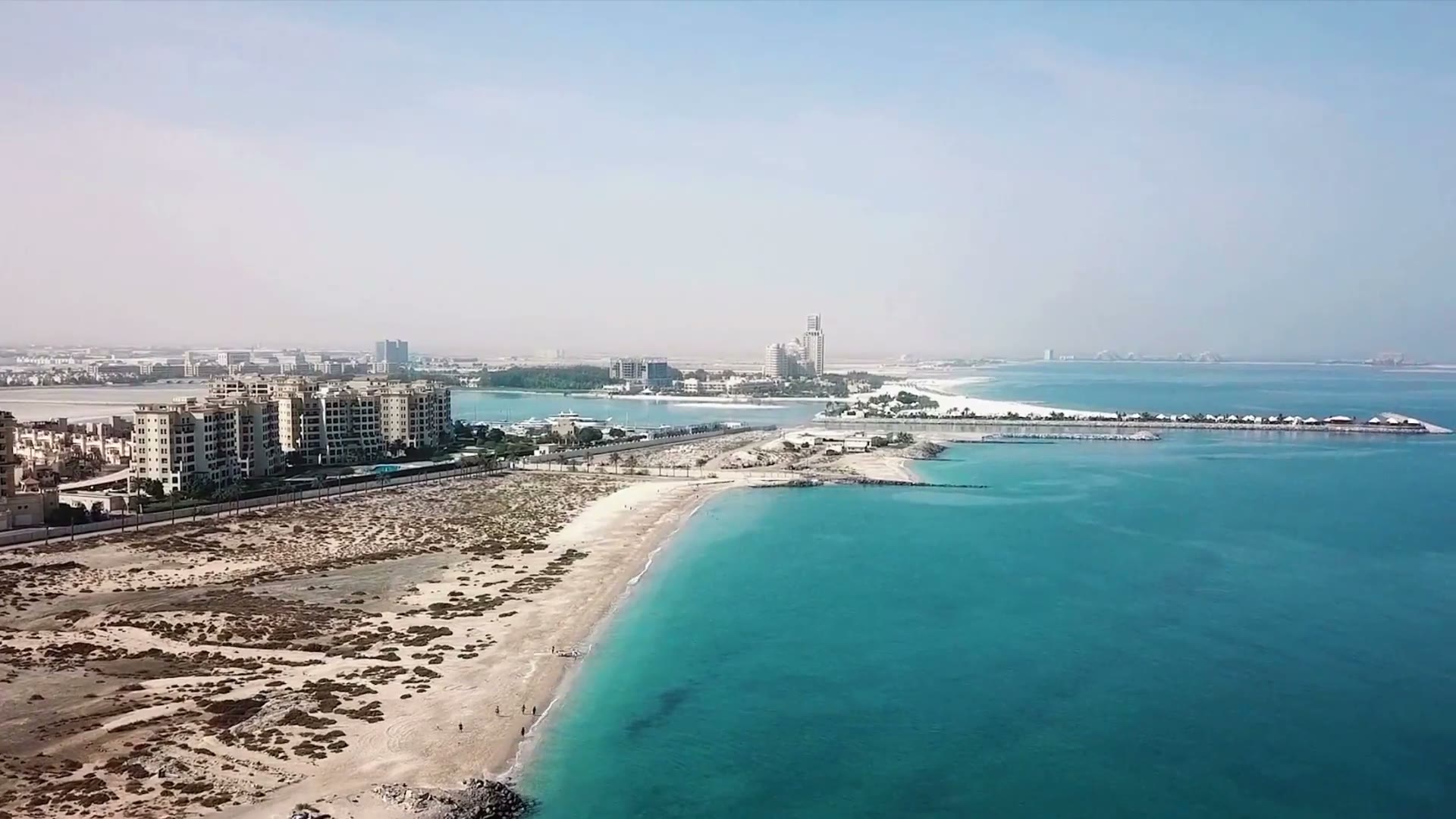 Dossier
Market Views
RAK Wynn Effect 2026: Macau Analog Tested
Wynn Al Marjan disclosed a delay on its Q1 2026 earnings call of 7 May 2026. Operation Epic Fury had begun ten weeks earlier, and three days before the call the UAE reported the first attacks from Iran since the 8 April ceasefire. The budget, 5.1 billion dollars at the time, was raised in August 2026 to around 5.7 billion. A projection that imports Macau's boom into Ras Al Khaimah assumes Macau before its correction. Macau's casino gaming revenue compounded about 29 per cent a year from 2002 to 2013 and then fell 38 per cent by 2016. The Singapore IR analog printed approximately 5 per cent CAGR over 15 years. The diversification thesis between Dubai and RAK fails at the risk-vector layer: oil, Iran security, federal regulation, insurance, USD peg are correlated, not orthogonal. This dossier reads the Wynn announcement, applies the Macau analog with its three failed preconditions, reads three scenarios, and discloses the five correlated risk vectors. It is the fourth volume of Geography of Trust.
Read full report Dossier
Market Views
Luxury Hospitality 2026: Operator Continuity Dominates
Geography of Trust began with Henley's projection that one hundred and forty-two thousand millionaires would relocate internationally in 2025, a figure Tax Policy Associates treats as marketing material, not evidence. Vol.1 audited the migration. Vol.2 read Lake Como as compound, not cycle. Vol.3 split nine hundred and ten branded residence schemes into two markets sharing a name. Vol.4 applied the Macau analog to Ras Al Khaimah Wynn Al Marjan. Vol.5 closes the series by reading luxury hospitality as the asset class that ties them. The thesis is direct. Operator continuity dominates location. Cash flow duration is mispriced as cap rate. The asset class is operator-led, not location-led, not brand-led, not cycle-led. In the United States, STR luxury class RevPAR year to date August 2025 rose 5.3 per cent while economy fell 1.8 per cent. Aman cumulative funding 2022 to 2023 from PIF, Cain International, Mubadala Capital and Alpha Wave was roughly USD 1.3 billion. One Beverly Hills, the project that includes Aman Beverly Hills, closed USD 4.3 billion of financing on 23 March 2026, a J.P. Morgan-led senior loan plus VICI mezzanine. Mandarin Oriental delisted on 20 January 2026 in a Jardine Matheson take-private valued at USD 4.2 billion. Marriott and Lefay announced a joint venture on 31 March 2026 that makes Lefay the thirty-ninth Marriott brand and the first dedicated exclusively to luxury wellness, with the Leali family keeping the real estate. These are the data points of an asset class that prices its operators, not its rooms.
Read full report
Market Views
Indonesia Exit: The Domestic Buyer Nobody Models
In Bali and Lombok, only Indonesian citizens can hold Hak Milik, so the domestic buyer is the one counterparty at exit who can take the top title. Knight Frank models Indonesian ultra-wealth growing faster than any other country to 2031. No published source measures how much of that reaches resort villas, or at what discount.

Destinations
Uluwatu Shell and Core: Reading the Unfinished Stage
Shell and Core on the Uluwatu cliff line is a villa with its structure built and its finishing still to buy, in Badung Regency, Bali. The label has no legal definition, so the contract defines the asset. This note reads what is already paid, what is not, who carries completion risk, and why a lower price per square metre is not a discount.

Market Views
Bali Luxury Villas: ADR and Occupancy, Measured
BPS star-hotel occupancy in Bali ranged from 46.61% to 69.54% across 2025, and Horwath HTL puts the island's top rate band at USD 796 ADR on 49.4% occupancy. Both are hotel figures. This article sets out what the public record measures for Uluwatu, Canggu, Ubud and Gili Air, and how a hotel number is corrected before anyone applies it to a villa.

Destinations
Nungwi: Why the North Coast
Nungwi, at the northern tip of Zanzibar's Unguja island, is chosen for land because the sea stays usable there when it retreats from other beaches. This note tests that claim for the principal. It reads the tide, the 30 m buffer rule, the anchor capital already present and the erosion record, and it grades every number it uses.

Value-Add Methodology
Guaranteed Rental Returns: Who Pays for Them
A guaranteed rental return is a debt owed by a counterparty, not income earned by a building. In resort and off-plan markets the principal should ask who pays it, with which assets, whether the unit price already funds it, and what the income does on the day the guarantee ends. This piece sets out the method and a declared-illustrative worked example.

Value-Add Methodology
MaBV Lessons: What Germany's Developer Wave Showed
Germany's developer insolvency wave tested the MaBV, the ordinance that sequences what a buyer pays a developer before the building exists. It bounded payments to the stage reached. It did not bound the cost of finishing. This article uses the ordinance as a ruler and measures Lake Como, Dubai and Ras Al Khaimah, Bali and Gili Air, and Zanzibar against it.

Value-Add Methodology
Fractional Villas in Bali: What the Buyer Holds
A buyer of a fraction of a villa in Bali or Lombok does not hold land, because Indonesian law reserves freehold to citizens. The buyer holds shares, a lease, a token, a weekly right of use or a loan. This note sets out, for each instrument, who holds title, who decides a sale, how the holder exits and what happens if the operator fails.

Market Views
Lake Como vs Lugano: One Border, Two Regimes
Which gate a foreign principal passes depends on which side of the border the parcel sits. In Switzerland, a buyer domiciled abroad needs an authorisation under the Lex Koller or the deed is void, and a separate rule caps second homes at 20 percent per commune. In Italy, EU citizens buy freely and non-EU citizens pass a reciprocity test. This note maps the gates and does not rank the lakes.

Destinations
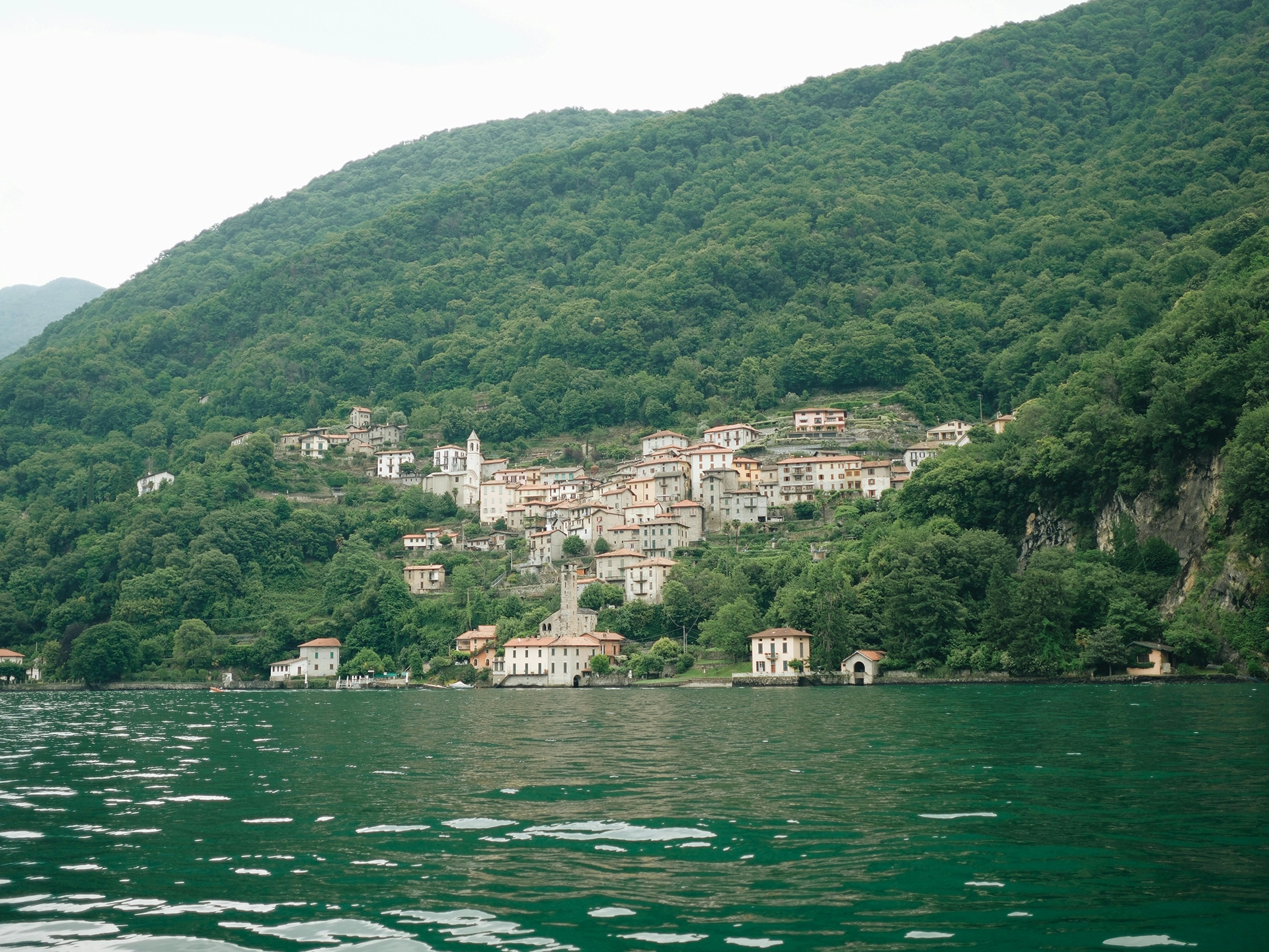
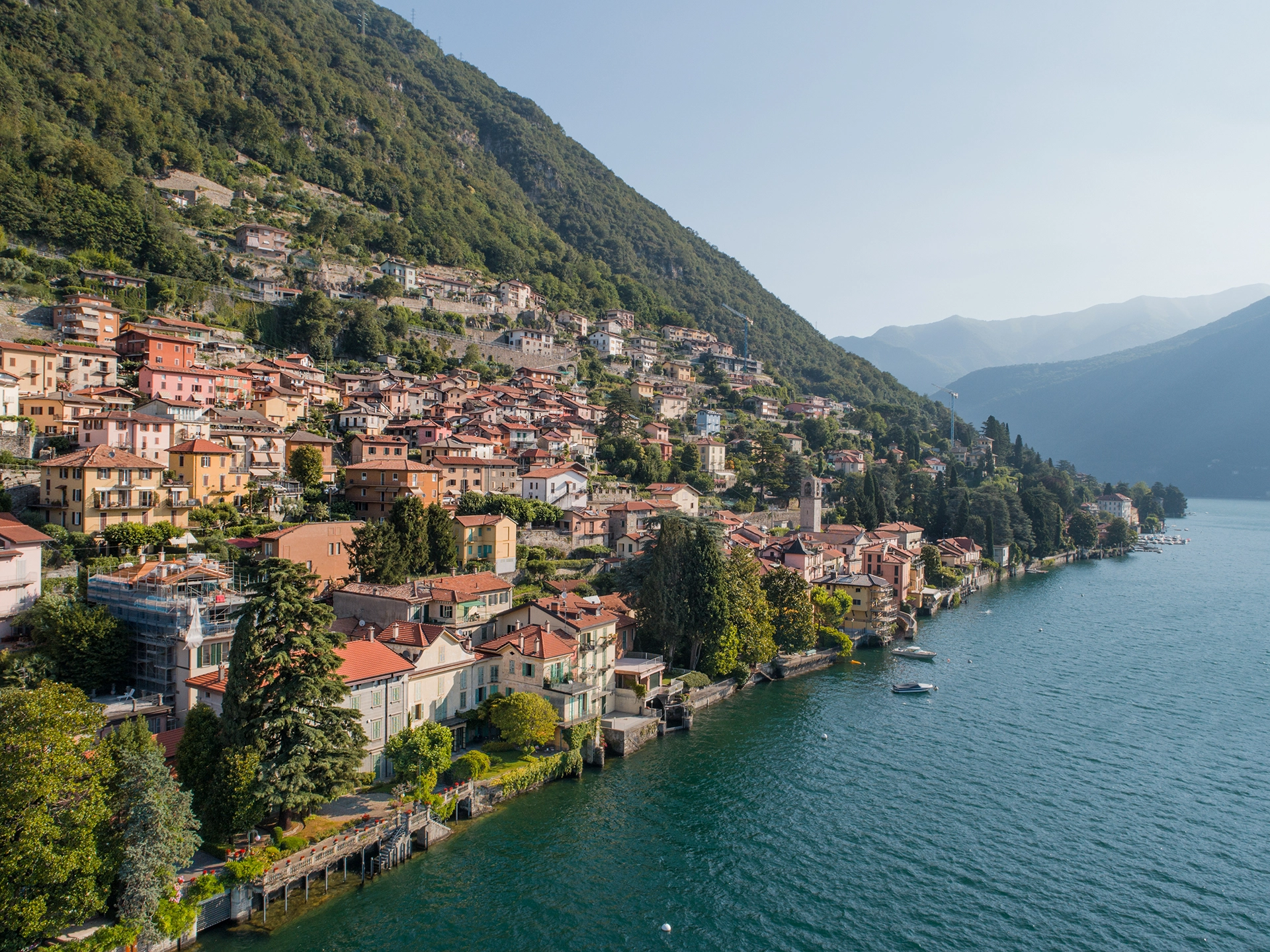
Lake Como Shores: Carate Urio, Pognana, Nesso
Carate Urio, Pognana Lario and Nesso sit on two different shores of the Como branch of Lake Como, and the shore sets the road, the ferry, the direction of the light and how steeply the land meets the water. This note compares the three on published facts, labels what is only geometry, and lists what no desk study can settle.

Destinations
Gili Islands: Three Markets, Not One
Gili Trawangan, Gili Air and Gili Meno are sold under one name, but North Lombok's tourism office describes three different guests, three different stay lengths and three different identities. The land, the water and the rules differ as well. This note separates the three islands for the principal who builds, and grades every figure it uses.

Destinations
Direct Water Access: What It Means on Lake Como
Direct water access on Lake Como is a bundle of rights over State public domain, and the bundle differs from parcel to parcel. Frontage, a servitude and a concession of 4 to 40 years carry different terms, transfer routes and risks. This article sets out what the principal should verify, in the order that decides value.

Market Views
Lake Como Buyers: Reading the Shares
Engel & Völkers cites about 40% and 60% foreign buyers on Lake Como. Gate-away logs enquiries, not deals, and German requests fell 13.6% in 2025. Transactions, enquiries and listings are three instruments. The allocator should read each for what it counts, and should not average them into one share.

Market Views
Italy Residency: What a Home Does Not Grant
Buying a home in Italy does not grant residence to a non-EU buyer, and for EU citizens the question does not arise. The Investor Visa for Italy has four routes and property is not one of them. The home plays a narrow role, as proof of accommodation in one visa and as a practical fact beside one tax election. This note maps each route and grades every figure.

ESG & Stewardship
Lake Como Flood Risk: Designing for the Hazard
Lake Como floods its own shoreline, and the record is public. The lake reached 138.5 cm at the Malgrate gauge on 31 October 2023 against a 120 cm flood threshold at Como. This note argues that for a lakefront principal, the finished floor level, the drainage and the materials are the first underwriting step. Insurance is the second, and it prices what the design has already fixed.

Value-Add Methodology
Permit Calendar: Bali and Lombok, Step by Step
The permit calendar for a villa in Bali or Lombok runs through three statutory gates: KKPR for land suitability, PBG for the building permit, SLF for the right to use the finished building. Each gate has a ceiling in working days, and each ceiling binds the office, not the file. Gili Air sits under a different regency from Uluwatu.

Market Views
Lake Como Prices: What the Official Data Shows
Lake Como OMI quotations from the Agenzia delle Entrate cover seven shore comuni at 670 to 3,060 euro per square metre for apartments (directional), while Knight Frank prices four- or five-bedroom villas at US$14 million to US$18 million (broker-reported). The two sources describe different objects. This note shows why the official band stops short of the lakefront villa, and what would join the two.

Destinations
Zanzibar Title: What a Foreigner Can Own
Zanzibar offers a foreign principal no freehold. The primary land right, the Right of Occupancy, is reserved to Zanzibaris, and the foreign holder takes a government lease or a unit title instead. A lease of public land is capped by statute at 99 years and granted in terms of up to 33. This note maps who issues each title, what a bare plot lacks against an approved project, what the February 2026 ZIPA notice added, and what stays unverified.

Value-Add Methodology
Lake Como Villas: The Conformity Test
On Lake Como the villa a principal buys is almost always an existing building, so its legitimate state decides what can be restored and whether the deed passes. This article sets out the order of tests, from titles and condoni to the survey, the cadastral plan, the Salva Casa tolerances and the binding landscape opinion, and ends with the clause for the preliminary contract.

ESG & Stewardship
Supply Caps: What Scarcity Costs Residents
Switzerland's cap on new second homes is a supply limit in resort property with a peer-reviewed measurement of its effects, and that evidence says residents paid for it through slower primary-home price growth and faster unemployment growth. A cap that moves its cost onto voters is a cap with a political refinancing date. This note sets out what to measure before that date arrives.

Branded Residences
Condo-Hotels: What a Room Buyer Actually Owns
A condo-hotel room is real property sold with its commercial use committed to an operator, usually through a pool. A branded residence and a Gulf hotel apartment look similar and are not the same product. The allocator should compare title, personal use, pool, revenue split, renovation control and resale before comparing any brand.

Branded Residences
Branded Residence Claims: How to Verify One
How does a principal verify that a scheme described as branded carries a signed brand, and which one? The answer is a sequence of checks against the brand's own list, the operator's disclosures, the trademark register, the local regulator and the contracts. Industry counts from Savills and Knight Frank are a cross-reference. They are not proof of any single scheme.

Destinations
Lake Como Purchase: The Foreign Buyer's Sequence
A foreign principal can buy on Lake Como, Italy, but the order of the steps decides the outcome. Nationality check, tax code, proposal, preliminary contract with deposit, planning and cadastral verification, notarial deed. This note sets each step against who performs it, what the law charges and where the weak points sit, using public sources only.

Market Views
Four Markets, One Quarter: Q3 2026 Read
Between July and September 2026 the ECB raised its deposit rate to 2.50 per cent, Zanzibar posted a record August, Bali's foreign arrivals slipped in the first half and RAK prices rose while hotels weakened. This dated read grades each figure, names what is missing and makes no forecast. Its thesis is simple. A principal is better served by one checkpoint per quarter than by a reaction to every headline.

Market Views
Dubai to Milan: The Relocation Story, Tested
Since March 2026 the international press has told a story of wealthy residents leaving Dubai for Milan. This article separates the story from the measurement. Little is consolidated today, the statistics that would settle it arrive in 2027, and the indirect signals in Milan and on Lake Como are mixed. What can be said now is narrower than the headlines, and more useful to an allocator.

Value-Add Methodology
Zanzibar ZIPA Endorsement: What It Actually Proves
Zanzibar's ZIPA now requires every real estate project to be registered and approved before marketing begins, and treats sale contracts as invalid unless ZIPA has endorsed them. The notice tightens one narrow risk, that a sale contract could be void for lack of registration, without adding escrow protection, a completion guarantee, or any change to the term nature of the underlying title.

Market Views
JLL Transparency Index 2026: Four Markets Read
JLL and LaSalle published the 14th Global Real Estate Transparency Index on 14 September 2026, scoring 88 countries and 146 cities across 260 factors. Transaction volumes in the 13 Highly Transparent markets rose 64% in two years, 20 points faster than the rest. Dubai, Abu Dhabi, Italy, Indonesia and Tanzania sit at four different points on that scale, and the index prices liquidity, not safety.

Market Views
Swiss Capital and Lake Como: The Franc Read
Swiss capital moving toward Lake Como is being priced against a EUR/CHF rate that stood at 0.9445 on 25 September 2026, above its 9 March low of 0.9008 and about 15% below its 2019 average of 1.1124. This note reads that move against UBS's own bubble-risk scores for Zurich and Geneva, Knight Frank's separate Como data, and the reciprocity rule that lets a Swiss national buy there at all, without forecasting where the franc goes next.

Market Views
Wealth Migration: After the Count Was Dropped
Henley & Partners' Private Wealth Migration Report 2026, published 16 June 2026, drops its long-running millionaire count and introduces a twelve-dimension Global Wealth Mobility Framework instead, scoring the UAE at 85.3 and the UK at 68.3. The new score is explicitly not a measure of flows. What remains checkable are national records: HMRC's count of 81,900 non-domiciled and deemed-domiciled UK taxpayers and Italy's 1,923 Article 24-bis beneficiaries.

Market Views
Family Offices: Reading the Real Estate Pullback
UBS's 2026 survey of 307 family offices puts real estate at 11 per cent of 2025 strategic allocation, down from 14 per cent in 2019, with those planning 2026 changes, a record 60 per cent, targeting 8 per cent. Only 11 per cent cite a real estate correction as a near-term risk, so the planned cut does not read as a bet against property, and every other major region already holds a thinner real estate book than the United States.

Market Views
Ras Al Khaimah H1 2026: Units Up, Pool Down
Ras Al Khaimah's first half of 2026 produced two sets of CBRE figures pointing opposite ways: apartment sale prices up 18 percent, hotel occupancy at about 49 percent, RevPAR off 28.6 percent. A branded residence sells on the first number and pays on the second. The principal underwriting a rental-pool unit here in 2026 is pricing the unit against one market and the income against another, and the two diverged.

Value-Add Methodology
Contractor Track Records: What Verifies Them
A brochure names a brand. It rarely names the builder, and when it does, the claim is almost never independently checked. A track record is not a story a developer tells. It is a set of public registrations, licence classifications, filed accounts and court records that exist whether or not the developer produces them. This note reads that paper trail jurisdiction by jurisdiction, and sets out what to ask when the name is withheld.

Market Views
UBS Bubble Index 2026: Reading the Risk Map
UBS's Global Real Estate Bubble Index 2026, published 22 September 2026, rates Zurich and Tokyo at high risk and Dubai, Miami, Seoul, Geneva and Lisbon at elevated risk. Milan and Madrid sit in moderate territory with imbalances rising; London and New York remain low risk. The index measures mass-market housing against incomes, rents and credit. It says nothing about the prime segment, and nothing about Ras Al Khaimah, Lake Como, Zanzibar or Bali, none of which UBS samples.

ESG & Stewardship
Island Utilities: Water, Power, Waste Costs
On a mainland site, water and power are a monthly bill. On a small island, they are a piece of process plant with a capital cost, a design life and a failure mode. This piece prices what that plant actually costs to build and run on Zanzibar's coast, and discloses where the data runs thin.

Branded Residences
Owner Nights Against Rental Nights: The Real Cost
Every rental-pool projection nets nights available against occupancy and rate. Few subtract the nights the owner actually takes. In Bali and the Gilis, thirty owner nights placed in high season and thirty placed in the wet season are not the same thirty nights, and the difference rarely appears in the brochure. A Bali villa operator advises booking the Christmas-to-New-Year fortnight six to nine months ahead, on minimum stays of up to seven nights.

Value-Add Methodology
Permit Calendar: Lake Como, Day by Day
A dated permit file is the cheapest proof of execution capacity, and almost nobody publishes one. This paper rebuilds the Lake Como calendar from the statutes. It names each body, the day its clock starts, the days the law grants it and the events that stop the clock, then sets the arithmetic against what practitioners report. The gap between the two is the underwriting fact.

Destinations
PT PMA in Indonesia: Setup Cost, Capital and Timeline
The PT PMA is Indonesia's foreign investment company, the vehicle every advisor cites and few define. Since October 2025 the paid-up capital floor is IDR 2.5 billion, roughly USD 150,000, down from IDR 10 billion. Published practitioner estimates for incorporation run from two to eight weeks. The obligations that follow do not end at closing. This is the arithmetic, sourced to the regulation, not the brochure.
Market Views
Al Marjan Island Developers: Who Builds What
Al Marjan Island has one land authority, one anchor resort joint venture, a handful of listed regional groups and a long tail of private developers. It also has a capital layer that buys units without building anything. This note separates the layers, grades what each is documented to do, and sets out the register and escrow rules an allocator can test a name against. Victaura sits in the last layer, not the first. The note says so, and says what follows from it.

Branded Residences
Hotel-Branded vs Design-Branded: The Split
Two buildings on the same Gulf shoreline can both be sold as branded residences. One comes with a hotel operator and a service machine. The other comes with a design house's name and a specification book. The public premium statistics blend them. This note separates the two on recurring income, association costs, resale and the length of the agreement.

Destinations
Second Home Visa: What It Grants and Withholds
Indonesia's Second Home Visa answers a question that comes before any question about property: on what legal basis may the principal be present, for how long, and doing what. The published rules grant a five or ten year stay against a proof of funds. They do not grant employment rights, land title, or a path the regulator has described as permanent. Victaura reads the instrument as it is written, and marks where sources disagree.

Market Views
Who Develops in Zanzibar: The Operator Map
Zanzibar has no register of developers. It has an investment authority that issues certificates, a land regime built on leases, and, since April 2025, a trade association. This note maps the operators that can be named from public sources, what each is documented to have built and where, and the tests an allocator can use to tell a developer from an intermediary. Every name carries its source. Every gap is disclosed.

Value-Add Methodology
Island Construction: The Real Cost Curve
An island's building cost is not a coastal markup on a continental base rate. It is the sum of four variables that mainland underwriting rarely prices correctly: freight and port dwell time, the depth of the local skilled-trades market, the lead time on imported specification, and the number of usable construction months once the rains are subtracted. Victaura Research treats each as a separate line, not a rounding error.

Branded Residences
Branded Residences: The Developer's Real Bill
The premium a brand adds to a sale price is the number every report quotes. The number that decides whether the deal works is the one nobody puts on the rendering: a licence fee, key money that no public filing reviewed here promises, a technical services fee due before any unit sells, and a Brand Standards Manual that dictates capex for the life of the agreement. This is the developer's ledger.

Destinations
Gili Air: What a Foreign Holder Actually Gets
No portal screens listings for Gili Air the way they do for Trawangan or Bali's south coast. That absence is not emptiness, it is a different regime. What a foreign principal actually acquires there is a time-limited use right, layered under three separate regulators, priced against a province-specific floor. This piece maps the structure, not the sale.

ESG & Stewardship
Coastal Setbacks: The Line That Halves a Lot
Between the boundary pin and the first buildable metre sits a strip that a sales pack is not required to draw. Zanzibar's 2018 building-permit guidelines keep buildings at least thirty metres from the highest high-water mark on sand-beach plots and ten where the edge is cliff, and separately cap building coverage at forty-five percent of the total plot area. The allocator who prices frontage without measuring the setback is pricing a rendering, not a title.

Branded Residences
The Management Agreement: What It Actually Costs
The branded-residence premium is measured, published and argued over by two research houses. The management agreement that actually produces it (base fee, incentive fee, term, brand standards and the capital obligation behind them, the rental pool, the revenue split, the exit) is not. This piece works through what is publicly documented about that contract, and states plainly what is not.

Value-Add Methodology
The Documents a Developer Should Show You
A pitch deck proves nothing. A title register entry, a construction escrow account and a notarial deed prove something specific, in a specific order, verifiable by a third party who is not the developer. This is the paper trail an allocator should request before the site visit, jurisdiction by jurisdiction.

Market Views
Rates and Prime Property: The 2026 Repricing
The ECB has hiked twice since June 2026, to a 2.50% deposit rate; the Federal Reserve held for nine months, then raised its range to 3.75–4.00% on 16 September. Prime resort property is not repricing as one asset class. The financed position, underwritten to a cap rate and a debt stack, moves with the curve. The operated position, underwritten to occupancy and rate, moves with demand. This note separates what the rate path has repriced from what remains open.

Market Views
Currency Risk in Cross-Border Property: Hedging Costs
A resort priced outside the principal's own currency carries two positions, not one: the property, and the exchange rate that decides what it was actually worth at exit. The dollar alone moved 10.8% against major currencies in the first half of 2025. This note sets out how a floating pair, a managed float and a hard peg each price that risk, what a forward hedge cost in 2025, and what history shows an unhedged position can do to a sound property return.

Destinations
The Freehold Question: SPV, Lease or Nominee
Freehold is rarely on offer to a non-resident buyer in an emerging resort market. What is on offer is a corporate vehicle, a registered leasehold, or a nominee arrangement, and the three are not interchangeable. This note maps the statute, the term, and the enforcement record behind each route across six jurisdictions.

Value-Add Methodology
Resort Conversion: Underwriting the Capex Stack
The return on a value-add resort conversion is the spread between acquisition basis and stabilized value, net of everything that goes wrong in between. This piece sets out how that spread is underwritten: the capex stack, the contingency a standing structure requires, and the multi-year curve the revenue side must climb before the exit math works.

Branded Residences
The Operator Premium, Measured
Branded residences sell on a headline premium that Savills puts at a 33 percent global average, but the figure is a market-average price comparison, not a resale-proven return, and it is quoted before the licensing fee the seller pays whether or not the brand adds value. This piece separates what the public data confirms from what the badge merely implies.

ESG & Stewardship
Environmental Constraints: The Scarcity Premium
Building moratoria, height caps and protected-area statutes are usually read as headwinds. The record across several resort jurisdictions points the other way: a binding, tested limit on new supply becomes a floor under the value of everything already built. The constraint does not eliminate risk. It relocates it from the market to the statute book, and a statute book that has survived a court challenge or a referendum holds longer than most underwriting models assume.

Destinations
Prime Resort Property: The Liquidity Discount
Prime resort property does not trade at a lower price than prime urban. It trades at a lower speed. The discount the allocator should be pricing is not on the entry number, it is on the exit: days on market, the gap between the asking price and the realised price, and the thin buyer pool that produces both. Brand and hotel management do not raise the price. They compress the spread. Liquidity, not price, is the real risk.

Destinations
Leasehold in Prime Resorts: Pricing a Term-Bound Right
Foreign buyers in prime resort markets rarely buy freehold. In Zanzibar they buy a leasehold of up to 99 years. In Bali they buy an 80-year right of use. A term-bound right is not a title, and it does not price like one. This is how the allocator underwrites the countdown, and where the marketing line quietly fails.

Value-Add Methodology
Boutique Conversions: The Value-Add Underwrite
A boutique conversion is not a purchase. It is a manufacturing programme. The principal buys a building, a change of use, a capital budget and an operating agreement, and assembles an asset that did not exist on the day of acquisition. The return is the spread between a distressed-in basis and a stabilized-out value. This is how that spread is underwritten.

Market Views
Milan Prime After the Games: The Honest Verdict
The Milano-Cortina Winter Games closed in February 2026. The eve-of-event narrative called Milan the host-city trade of the cycle. The first post-Games print is now in, and the honest reading is narrower. Milan prime is Europe's strongest five-year performer, but the Games are the smallest of the reasons why.

Branded Residences
RAK Branded Residences: The Tier-One Test
Al Marjan Island is being re-rated on one anchor that is not yet built. For the allocator, the decision is no longer whether to own a branded residence there, but whether the operator clears a Tier-one bar. Wynn, Aman's Janu and Nobu are the test cases. The gap between a badge and a franchise is the subject of this note.

Market Views
Family Offices: The Move to Operated Prime
Family offices are not raising their real-estate weighting, and the ones planning changes intend to lower it. UBS puts the allocation at 11 per cent in 2025 and the 2026 plan of those offices at 8 per cent. The argument here is about composition. The capital is migrating from prime property held passively to prime property held as an operating asset. The distinction is where the return, and the risk, now lives.

Destinations
Gili Air Villas: Pricing the Absence of Supply
Bali is priced on the weight of demand. Gili Air is priced on the absence of supply. The two markets look adjacent on a map and behave nothing alike. The case for a Gili Air villa is not a growth story. It is a constraint story: a car-free island of finite ground, a tenure ceiling fixed in statute, and a broker market too thin to move quickly in either direction.

Market Views
Resort Rental Yield: Gross Headline, Net Residue
The advertised gross yield in a prime resort market is a headline. The net yield the owner actually banks is a residue, left after management, platform commissions, staff and a pool split have each taken their layer. And there is a third cost no brochure prices: the high-season nights the owner keeps for themselves. Whoever wants a lifestyle asset and an income asset in one building pays for both, twice.

Destinations
Zanzibar Nears the Million: A Market Matures
Zanzibar recorded 917,167 international arrivals in 2025 on the official OCGS archipelago series, and in 2026 it set successive monthly records: 107,801 in July, then 124,481 in August, the highest monthly figure on record as of 10 September 2026. The million-visitor threshold the frontier thesis anticipated is now within reach, and its approach changes the underwriting. Three things reprice when the volume is real: the frontier discount compresses, infrastructure becomes an input rather than a footnote, and the luxury tier separates from the mass-beach product it was once bracketed with. This is a maturation print, not a maturity certificate, and the distinction is the whole allocation question.

Destinations
Bali's Moratorium: Scarcity by Regulation
When a government freezes the construction of new supply, it does by decree what scarcity does by nature. By early 2026 Bali had a formalised construction ban across six of its nine districts (eight regencies and the city of Denpasar), added in February a rice-field conversion freeze under Perda No. 4/2026, and faced a 31 March licensing deadline for informal stock. Read district by district, and set against a demand print that is softening even as Indonesia's national arrivals grow, the measure is less a headwind than a state-drawn moat around the assets that already hold a permit.

Value-Add Methodology
The Currency Layer: An FX Underwriting Discipline
A cross-border prime purchase carries a layer most buyers never underwrite: the currency it is denominated in. Between contract and exit the pair can move the effective price by more than any commission will, and it cannot be forecast. The institutional response is not to time the currency but to neutralise the exposure structurally, matching income, financing and holding horizon to the asset. Victaura's own book spans the two mirror cases exactly.

Value-Add Methodology
What a Completion Guarantee Actually Covers
The off-plan buyer believes they hold a completion guarantee. They hold one of three different instruments, each covering a different event, each recoverable to a different euro. The institutional question is not whether completion is guaranteed. It is which failure the instrument covers, and how much of the money is still there when the developer fails.

Market Views
RAK After Wynn's Reset: The Forecast, Re-Read
On 4 August 2026 Wynn Resorts confirmed Wynn Al Marjan Island, the anchor of Ras Al Khaimah's luxury market, will open in September 2027, a roughly six-month slip, at a budget raised to approximately 5.7 billion dollars, with about 300 million attributed by its CEO to the US-Iran conflict. Volume 4 of this series, written inside the war, read the opening as slipping to the second half of 2027 at the earliest, not as a project-killer. This note re-reads that forecast against Wynn's disclosure. As of 27 September 2026, after the June truce collapsed on 8 July, no ceasefire is in force.

Market Views
Cost of Capital: An Underwriting Input for Prime
The European Central Bank raised rates in June and again in September 2026, and the Federal Reserve raised on 16 September after holding in July against three dissents to raise; the Bank of England held on 17 September with three votes to raise. The institutional read is not to time the prime market against the cycle, but to name the cost of capital as an underwriting input and price it against a statutory landscape constraint that out-lasts the rate cycle.

ESG & Stewardship
The Insurance Layer: When Climate Risk Gets Priced
Insurance is the fastest mechanism through which climate risk reaches a price. The property market reprices a coastal asset over a decade; the insurance market reprices it every twelve months. Major carriers have stopped writing new homeowner business in exposed US states, parametric products fill part of the gap at the frontier, and a transaction discount on sea-level-rise-exposed homes has been measured in US data. For island and coastal luxury real estate, insurability has become an underwriting variable of the same rank as title.
DossierBranded Residences
The Resale Test: Branded Residences After Handover
Savills places the average branded residence premium at roughly 33 per cent and publishes no separate figure for resales. Whether that premium survives the secondary market is a different question, and the industry rarely asks it in public. This dossier assembles the resale evidence, Dubai transaction records, two Miami towers with six to eight years of recorded sales, and the brand-removal natural experiments, and tests the premium where it matters: at exit. With branded residences forecast by CBRE at 54 per cent of Ras Al Khaimah's new supply in 2030 and Greystone holding an off-plan capital position there, the question is not academic. The conflicts are declared. The evidence decides, and where it cannot, the dossier says so.

Destinations
Pemba: The Quieter Island
Fifty kilometres north of an island the market has already priced, Pemba receives a fraction of Zanzibar's arrivals, carries a statutory investment threshold one tenth of Unguja's, and is building an international airport. The constraints are frontier-grade: leasehold tenure, thin airlift, minimal advisory infrastructure. The case for looking now echoes Unguja a decade ago, and carries the same underwriting requirements, honestly disclosed.

Value-Add Methodology
How Prime Property Actually Sells: The Exit
Development returns are made at acquisition and realised at exit, yet the exit is the least analysed link of the chain. Distribution is not listing: networks, mandates, off-market channels and pricing discipline decide whether a villa transacts in nine months or sits on the market for three years. This is an operator's view of how prime property actually sells, including the channel our own projects are set to use, and its limits.

Value-Add Methodology
What Value-Add Real Estate Really Means
Value-add is not opportunistic speculation. It is regulatory navigation, design discipline and construction execution against a binding supply constraint. This article anchors the strategy to the institutional taxonomy used by INREV, CBRE and PGIM, and then walks the jurisdictional grammar of Italy, Indonesia, Tanzania and the United Arab Emirates, the four regulatory frames in which Victaura holds positions.
DossierMarket Views
Branded Residences 2026: 910 Schemes, Two Markets
Savills expects 910 branded residence schemes by the end of 2025, up from 764 in December 2024. Knight Frank counted 611 under a luxury-only screen in 2025 and 903 at end-2025 in its wider September 2026 survey, closing the 299-scheme gap this dossier read in May 2026 as the operational signature of a bifurcation. The bifurcation rests on operator and contract evidence rather than on the count. As a Victaura Research assumption, since no cited source measures the premium by tier, Tier 1 scarcity brands (Aman, Rosewood, Cheval Blanc, Bulgari) hold a 30 to 50 per cent premium over comparable unbranded homes. On the same assumption, the Tier 3 mass-luxury premium (Marriott Ritz-Carlton, St. Regis, JW, EDITION; Accor; Hilton Conrad) falls toward 5 to 15 per cent in oversupplied markets. In this dossier's reading, the Savills 33 per cent global average (30 per cent in cities, 39 per cent in resorts) is a weighted composite of two distributions that move in opposite directions. This dossier reads the count as two markets, decomposes the premium into five components, and traces the holding-period asymmetry against the Vol.2 Lake Como unbranded heritage anchor. It is the third volume of Geography of Trust.
DossierMarket Views
Where the World's Wealth Is Actually Moving in 2026
Henley's projection of 142,000 millionaire migrants in 2025 was challenged by Tax Policy Associates, which put one digit pattern in the underlying data at about a 1-in-240,000 chance and called the report marketing material, not evidence. For the UK, Henley's projected outflow of 16,500 has no official counterpart yet: HMRC counted 81,900 non-domiciled and deemed-domiciled taxpayers in 2024-25, and estimates of post-reform departures are due only in 2027. Beneficiaries of Italy's 24-bis regime reached 1,923 in 2024, 1,374 of them principal taxpayers, on Corte dei Conti figures. The Geography of Trust is now a three-vector portfolio decision, not a tax-haven shortlist.

Value-Add Methodology
Off-Plan vs Direct Development: Two Protection Regimes
Off-plan and direct development are not opposite ends of a spectrum. They are different products with different buyer protections, different exit profiles, and different failure modes. The institutional question is not which is cheaper. It is which protection regime the buyer is actually paying for.

Destinations
Zanzibar: An Emerging Luxury Destination
Zanzibar is transitioning from a mid-tier coastal destination to a luxury and ultra-luxury market by statute and by demand, but on leasehold tenure with a 99 year ceiling and with disclosed climate exposure. The 2024 and 2025 arrivals data, the framework of the Land Tenure Act 1992 and the Zanzibar Investment Act 2023, and the operator pipeline at Nungwi tell a consistent story: the conditions are forming, the constraints are real, and the underwriting requirements are explicit.

Destinations
Tanzania: Tourism and the 99-Year Land Tenure Ceiling
Tanzania is a frontier institutional market with a ninety-nine year land tenure ceiling, a 2022 Investment Act that guarantees capital against nationalisation, and a tourism sector growing from a low base. The macro architecture and the legal architecture together explain why the country is now a destination for long-duration foreign capital, and the specific terms on which that capital participates.
DossierMarket Views
Lake Como Ultra-Prime 2026: Dual Scarcity, +6.5% PIRI
Italian prime is conventionally read as a single asset class with a synchronised cycle. Knight Frank's PIRI 100 put Lake Como at +6.5% in 2025, rank 19, against Milan at +0.4% and London at -4.7%, and on a Victaura Research reading Lake Como has exited that cycle. Three binding constraints (the D.Lgs. 42/2004 landscape statute, a pattern of multi-generational family non-sale that is a Victaura Research assumption, and Article 24-bis at €300k for new residents from 2026) make supply inelastic by statute rather than zero, keep turnover low and select internationally mobile principals on a 15-year horizon. The dossier reads the result as compounding rent on irreplaceability rather than cyclical prime, and proposes Mayfair Grosvenor, Park Avenue prewar, St Moritz Suvretta and Cologny as the comparator basket in place of Forte dei Marmi or Cap Ferrat.
DossierMarket Views
RAK Wynn Effect 2026: Macau Analog Tested
Wynn Al Marjan disclosed a delay on its Q1 2026 earnings call of 7 May 2026. Operation Epic Fury had begun ten weeks earlier, and three days before the call the UAE reported the first attacks from Iran since the 8 April ceasefire. The budget, 5.1 billion dollars at the time, was raised in August 2026 to around 5.7 billion. A projection that imports Macau's boom into Ras Al Khaimah assumes Macau before its correction. Macau's casino gaming revenue compounded about 29 per cent a year from 2002 to 2013 and then fell 38 per cent by 2016. The Singapore IR analog printed approximately 5 per cent CAGR over 15 years. The diversification thesis between Dubai and RAK fails at the risk-vector layer: oil, Iran security, federal regulation, insurance, USD peg are correlated, not orthogonal. This dossier reads the Wynn announcement, applies the Macau analog with its three failed preconditions, reads three scenarios, and discloses the five correlated risk vectors. It is the fourth volume of Geography of Trust.

Market Views
Ras Al Khaimah versus Dubai: One UAE Exposure, Not Two
Ras Al Khaimah and Dubai are routinely presented as alternative UAE allocations. On five vectors (oil price, regional security, federal regulation, insurance and reinsurance, currency peg) they are correlated. Diversification across the two emirates is, on the evidence, a single exposure with two postcodes.
DossierMarket Views
Luxury Hospitality 2026: Operator Continuity Dominates
Geography of Trust began with Henley's projection that one hundred and forty-two thousand millionaires would relocate internationally in 2025, a figure Tax Policy Associates treats as marketing material, not evidence. Vol.1 audited the migration. Vol.2 read Lake Como as compound, not cycle. Vol.3 split nine hundred and ten branded residence schemes into two markets sharing a name. Vol.4 applied the Macau analog to Ras Al Khaimah Wynn Al Marjan. Vol.5 closes the series by reading luxury hospitality as the asset class that ties them. The thesis is direct. Operator continuity dominates location. Cash flow duration is mispriced as cap rate. The asset class is operator-led, not location-led, not brand-led, not cycle-led. In the United States, STR luxury class RevPAR year to date August 2025 rose 5.3 per cent while economy fell 1.8 per cent. Aman cumulative funding 2022 to 2023 from PIF, Cain International, Mubadala Capital and Alpha Wave was roughly USD 1.3 billion. One Beverly Hills, the project that includes Aman Beverly Hills, closed USD 4.3 billion of financing on 23 March 2026, a J.P. Morgan-led senior loan plus VICI mezzanine. Mandarin Oriental delisted on 20 January 2026 in a Jardine Matheson take-private valued at USD 4.2 billion. Marriott and Lefay announced a joint venture on 31 March 2026 that makes Lefay the thirty-ninth Marriott brand and the first dedicated exclusively to luxury wellness, with the Leali family keeping the real estate. These are the data points of an asset class that prices its operators, not its rooms.

ESG & Stewardship
ESG in Luxury Real Estate: Philosophy, Not Certificate
ESG certificates are not the same as ESG outcomes. The first you buy. The second you build. In 2026, with ESMA's fund-naming guidelines and the FCA's anti-greenwashing rule in force while the SEC reviews its own ESG rules (as of 27 September 2026), with the EU Taxonomy and ESRS reshaping disclosure, and with embodied carbon emerging as the elephant in the room, the credibility of a developer is no longer measured by the label on the wall. It is measured by what the operator continues to do after the ribbon is cut.

ESG & Stewardship
Responsible Coastal Development: Underwriting Input
Responsible development on coasts and islands is an underwriting input, not a marketing claim. Where the ecosystem is the value, the discipline that protects it (permitting, water, energy, mangroves, supply chain, disclosure) is the same discipline that protects the asset.

Value-Add Methodology
How a Dedicated SPV Protects Investors
Alignment by structure, not by promise. A dedicated special purpose vehicle for each project, ring-fenced under a Netherlands holding, with governance at the project level. That is the institutional handshake the segment now selects for, not a brochure narrative.
Value-Add Methodology
Scarcity as Value Protection: Lakefront and Island
At the very top of the market, the strongest protection of value is not a forecast, it is scarcity. The land in the most desirable locations cannot be recreated, the rules that govern it cannot be wished away, and the wealth that competes for it keeps growing. This dossier sets the structural conditions of scarcity against the data of 2025-2026, jurisdiction by jurisdiction, and against the transparency regime now permanent.

Destinations
Bali and the Indian Ocean Villa Market
The Indian Ocean villa market is six destinations, not one. Each has a different tenure regime, a different climate exposure, and a different cycle stage. The forensic question for the foreign buyer is not where the headline arrivals are highest, it is where the structural constraint protects value and where the legal architecture allows it to be held.

Destinations
Indonesia Property Ownership: Foreign Buyer Framework
Indonesia's foreign property ownership framework rests on Article 33(3) of the Constitution and on the Basic Agrarian Law of 1960. It is the binding constraint, not a regulatory inconvenience. Read it through the statute, not through the brochure.

Destinations
Milan: The City That Captures Mobile Capital
Milan is the operational base of Italy's HNWI inflow, the fiscal residence node, the prime market that does not behave like the rest of Europe. It is also the natural counterpart to a second home on the lakes, the city end of an axis that runs through Como.
Value-Add Methodology
Lake Como Landscape Constraint: Why It Is Hard to Build
The constraint is not regulation. The constraint is the law itself, written in 2004, codifying landscape protection that dates back to Law 1497/1939 and, for the 300-metre lake band, to Law 431/1985 (the Legge Galasso). On Lake Como, the 300-metre landscape band, the *autorizzazione paesaggistica* under Article 146, the Lombardia regional plan and the municipal regolamenti together set a permitting environment that filters out most new supply by design. For a value-add project, that filter sets both the timeline and the product that can be delivered.

Destinations
Gili Air: The Constrained Alternative to Bali
Gili Air is not the next Bali. It is the constrained alternative to Bali: smaller, harder to enter, structurally scarce. The case for the island rests on three layered constraints, geographic, statutory and climatic, and on whether a scarce parcel can be converted into a finished, compliant product.

Branded Residences
Why Brands Choose Developers: The Off-Plan Stakes
Brands underwrite developers before they sign a tower. Reputation is the asset they cannot insure, and selection is the only protection. For the off-plan buyer, the brand's diligence on the developer is a co-signal that the registry alone cannot provide.

Market Views
Family Offices and Real Estate: The 11% That Is Not 11%
Across cycles, family offices keep returning to real estate. The much-quoted 11 per cent is an average allocation inside the investment portfolio: real estate in the UBS Global Family Office Report 2025 (2024 allocation, n=317) and private real estate plus infrastructure in Goldman Sachs Family Office Investment Insights 2025 (n=245). Measured against total family net worth, including operating real estate, residences and indirect exposure, Victaura Research assumes European UHNWI exposure of 25 to 40 per cent; no published survey reports that figure. The two numbers measure different perimeters, and quoting one as the other is a recurring analytical error.

Market Views
Prime Property Resilience: Three Structural Mechanisms
Global prime residential prices rose 3.2 per cent in 2025, against 2.9 per cent for mainstream house prices, extending an outperformance that Knight Frank dates to early 2023 (Knight Frank PIRI 100, Wealth Report 2026). The relevant question is not whether prime is resilient. It is why. Three structural mechanisms are observable in the data: a fixed supply of qualifying assets, a growing UHNWI buyer base, and a stable institutional capital allocation. Each can be verified independently. None depends on a forecast.

Value-Add Methodology
Location, Timing, Execution: Our Method
Three observable conditions. None of them is opinion. Each is the binding constraint at a different stage of the investment, and the order between them is not interchangeable. Location is what we cannot create. Timing is the discipline of reading structural drivers, not market noise. Execution is what converts a scarce site into a finished, scarce asset.

Value-Add Methodology
What Investors Look for in a Developer
Family offices do not invest in projects. They invest in developers. The project is the test, not the proposition. Across the five vectors institutional capital underwrites, the developer is the only variable the LP cannot change after closing.

Market Views
Why Italy Attracts International Investors
Italy attracts international capital not because it is perfect, but because the fiscal frame is rare, the lifestyle assets are irreplaceable, and the regulatory constraint on supply is statutory. The institutional read requires acknowledging the structural weaknesses with the same candour as the strengths.