
Destinazioni
Moratoria edilizia a Bali: scarsità per decreto
Quando un governo congela la costruzione di nuova offerta, fa per decreto ciò che la scarsità fa per natura. All'inizio del 2026 Bali aveva un divieto formale di costruzione in sei dei suoi nove distretti (otto reggenze e la città di Denpasar), ha aggiunto a febbraio il congelamento della conversione delle risaie con la Perda n. 4/2026 e si trovava davanti alla scadenza del 31 marzo per la regolarizzazione delle strutture informali. Letta distretto per distretto, e messa a confronto con un dato di domanda in rallentamento anche mentre gli arrivi nazionali dell'Indonesia crescono, la misura è meno un ostacolo che un fossato tracciato dallo Stato attorno agli immobili che già dispongono di un'autorizzazione.

Punti chiave
- - Il divieto di costruzione del 2026 a Bali riguarda sei distretti agricoli (Tabanan, Jembrana, Buleleng, Bangli, Karangasem, Klungkung) ed esclude il sud più pregiato (Badung, Gianyar, Denpasar): limita le nuove costruzioni turistiche dove non c'è domanda di lusso e concentra la scarsità dove c'è (balipropertyrules.com).
- - Il vincolo duraturo è la Perda No. 4/2026, firmata il 24 febbraio 2026, che congela la conversione delle risaie fino a quando l'87% non sarà designato LP2B, rende penale la conversione delle risaie protette ed estende la responsabilità penale agli schemi con prestanome; lo stock di risaie di Bali è passato da ~70.996 ha (2019) a ~64.474 ha (febbraio 2026) (balinews.co.id; emerhub.com).
- - Dal 31 marzo 2026 tutte le strutture ricettive commercializzate tramite OTA devono avere una licenza NIB registrata attraverso il sistema nazionale OSS; il bersaglio è lo stock esistente privo di licenza. Airbnb non è vietato: gli annunci privi di licenza vengono rimossi (villa-management-bali.com; legalindonesia.id).
- - Dal settembre 2024 la moratoria ha attraversato quattro passaggi (proposta, annullata a gennaio 2025, ripristinata dopo le alluvioni del settembre 2025, formalizzata) e non può ancora essere prezzata come permanente (balipropertyrules.com; Reuters 2024).
- - La domanda diverge: gli arrivi internazionali a Bali nel periodo gennaio-giugno 2026 sono stati 3,20 milioni, in calo del 2,42% su base annua, mentre l'Indonesia ha raggiunto 7,45 milioni, in crescita del 5,71% (entrambi BPS); fino a luglio gli arrivi nazionali sono stati 8,95 milioni, in crescita del 5,23%, e quelli di gennaio-maggio, pari a 6,07 milioni, i più alti per il periodo dal 2020 (hopetrip.com; en.tempo.co; Trading Economics; indonesiaexpat.id).
- - La durata decennale appartiene alla proposta del 2024, non al divieto distrettuale del 2026, che non ha una data di fine ufficiale; il termine LP2B senza scadenza appartiene al congelamento della conversione previsto dalla Perda 4/2026. Occorre distinguere il congelamento duraturo dal rumore reversibile dell'applicazione delle norme (Reuters 2024; balipropertyrules.com; balinews.co.id).
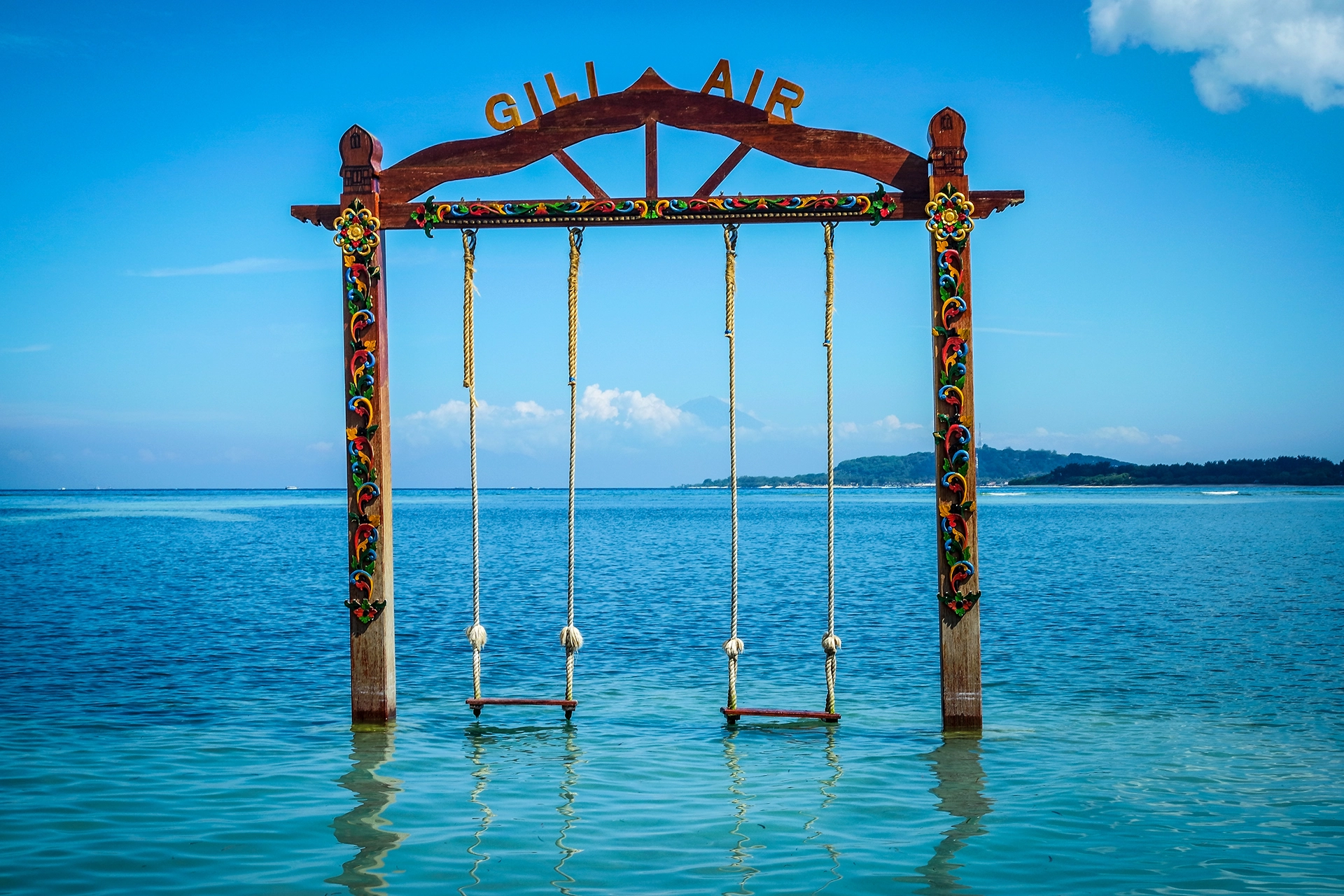
- - L'arcipelago delle Gili (Lombok, Nusa Tenggara Occidentale) è amministrativamente fuori da Bali e fuori dal divieto distrettuale e dalla Perda 4/2026, benché vi si applichino anche le norme nazionali sulle licenze NIB; il congelamento dell'offerta a Bali è un vento favorevole relativo per un mercato già vincolato dalla geografia.
- - Si valuta il distretto, non il titolo di giornale: la protezione si concentra nel sud escluso dal divieto, su titoli autorizzati e regolarizzati, e la clausola di salvaguardia dei diritti acquisiti rende più prezioso un permesso esistente proprio mentre smettono di essere rilasciati quelli nuovi.
In questa pagina (11)
Note di revisione
Questo articolo è stato corretto il 27 settembre 2026. Un controllo di cifre e attribuzioni rispetto alle fonti citate ha rilevato alcuni errori, ora corretti nel testo. L'elenco completo, con ciò che l'articolo diceva e ciò che dice ora, si trova nella sezione delle correzioni in fondo.
Questo articolo è stato corretto il 29 settembre 2026. Una versione precedente descriveva le posizioni di Victaura oltre quanto riportato nelle sue pagine pubbliche di progetto, tra cui la natura della partecipazione a Ras Al Khaimah, il nome di un progetto che quelle pagine non usano e una superficie dell'area che non indicano. L'informativa finale ora segue quelle pagine.
Il regolatore ha fatto il lavoro della scarsità
All'inizio del 2026 Bali aveva un divieto formale di costruzione in sei dei suoi nove distretti (otto reggenze e la città di Denpasar), che limita nuovi hotel, ristoranti e strutture ricettive turistiche su terreno agricolo (balipropertyrules.com). L'istinto è leggere la misura come un ostacolo per il mercato immobiliare. La lettura strutturale è l'opposto. Un tetto vincolante al nuovo prodotto, imposto dall'esterno del mercato, protegge il valore dello stock che già dispone di un'autorizzazione. È lo stesso meccanismo che questa pubblicazione ha chiamato scarsità per legge, che arriva ora per ordine amministrativo anziché per geologia o per norma consolidata.
L'origine della misura è un annuncio del settembre 2024, e la sua forma finale è più circoscritta e più dura dell'originale. Il ministro coordinatore indonesiano Luhut Pandjaitan dichiarò ai media nazionali nel settembre 2024 che una moratoria su hotel, ville e locali notturni poteva estendersi fino a dieci anni nelle aree più frequentate di Bali (Reuters, 9 settembre 2024). Quella proposta, avanzata dal governatore ad interim per quattro delle aree più frequentate di Bali con tempistiche ancora in discussione (Reuters), non fu mai attuata in quella forma. Ciò che esiste nel 2026 è diverso per ambito e per meccanismo, e leggere il titolo del 2024 come se fosse legge vigente è il primo errore in cui può incorrere chi valuta un investimento.
L'oggetto corretto di analisi non è l'annuncio ma lo strumento applicabile. Due strumenti sono oggi in vigore: un divieto in sei distretti di nuove costruzioni turistiche su terreno agricolo e un regolamento provinciale, la Perda n. 4/2026, che congela la conversione delle risaie produttive e vi associa un'esposizione penale. Il primo limita dove può sorgere un nuovo hotel. Il secondo limita quali terreni possano diventare un hotel. Insieme formalizzano un vincolo che il mercato prezzava in modo informale da due anni e lo concentrano geograficamente in un modo che conta per il segmento prime.
| Data | Strumento | Perimetro | Stato |
|---|---|---|---|
| Set 2024 | Moratoria proposta (fino a 10 anni), ministro Luhut | Quattro aree molto frequentate; hotel, ville, locali notturni | Annunciata, non attuata |
| Da ott 2024 a gen 2025 | Nessun regolamento firmato; il governatore Koster annulla la moratoria (gen 2025) | Nessuno | Annullata |
| Set 2025 | Congelamento dei permessi ripristinato (governatore Koster) dopo le alluvioni mortali | A livello provinciale: a reggenti e sindaci viene ordinato di non rilasciare nuovi permessi su terreno agricolo produttivo | Ripristinato |
| Fine 2025 – feb 2026 | Divieto formale in 6 distretti + congelamento delle conversioni con la Perda n. 4/2026 | Divieto: 6 distretti agricoli, esclusi Badung, Gianyar e Denpasar; Perda: risaie in tutta la provincia | In vigore |
Dove il divieto morde davvero
Il divieto esclude proprio i distretti in cui si concentra già la domanda di lusso. Il divieto formale in sei distretti riguarda Tabanan, Jembrana, Buleleng, Bangli, Karangasem e Klungkung, le reggenze agricole e periferiche, mentre Badung, Gianyar e Denpasar, il sud prime che comprende Seminyak, Canggu, Uluwatu, Ubud e il corridoio aeroportuale, non rientrano nel divieto dei sei distretti, pur restando soggetti alle restrizioni sulla conversione di terreno agricolo produttivo (balipropertyrules.com). Non sono linee arbitrarie. Le sei reggenze interessate sono quelle che conservano l'entroterra produttivo residuo di Bali, tra cui le terrazze di riso di Jatiluwih a Tabanan, e il governo provinciale presenta il divieto come risposta a «saturazione dello sviluppo, degrado ambientale e pressione sociale dovuta all'overtourism» (balipropertyrules.com), non come misura rivolta al mercato del lusso. La misura non vieta di costruire a Bali. Vieta di costruire nelle parti di Bali che non sono mai state il nucleo del mercato internazionale del lusso.
La conseguenza è una redistribuzione della pressione edificatoria, non la sua eliminazione. Con la periferia chiusa alle nuove costruzioni turistiche su terreno agricolo, lo sviluppatore marginale ha due strade rimaste: il sud prime già denso, dove il terreno è finito e costoso, oppure lo stock già edificato, tramite acquisizione e riconversione anziché nuova costruzione. Entrambe le strade concentrano il capitale sugli immobili già esistenti nei distretti che già esprimono il premio di prezzo. La scarsità non si distribuisce in modo uniforme. Si accumula dove c'è la domanda.
È questa la geografia che rende il vincolo rialzista, e non ribassista, per chi detiene un immobile prime. Un congelamento dell'offerta che colpisse soprattutto Seminyak o Uluwatu comprimerebbe il valore sia degli operatori già presenti sia dei nuovi entranti. Un congelamento che colpisce Jembrana e Bangli risparmiando Badung alza il costo di sostituzione del prodotto prime senza aggiungere una sola unità concorrente. Per chi detiene un immobile conforme e autorizzato nel sud escluso dal divieto, la norma si legge come un fossato tracciato dallo Stato.
Il vincolo duraturo: la Perda n. 4/2026
Il divieto distrettuale può essere revocato; il congelamento delle risaie è pensato per non esserlo. La Perda n. 4/2026, sul controllo della conversione dei terreni produttivi e sul divieto di intestazione fiduciaria a prestanome, sospende i permessi di conversione su tutto lo stock residuo di risaie di Bali finché l'87% di esso non sarà designato in modo permanente come terreno agricolo alimentare sostenibile (Lahan Pertanian Pangan Berkelanjutan, LP2B) (balinews.co.id; emerhub.com). Fa seguito al Decreto del Governatore n. 5/2025, emanato il 2 dicembre 2025, che vieta la conversione delle risaie a usi non agricoli, compresa la costruzione di ville e immobili turistici (balidiscovery.com). La norma sposta la sanzione dal piano amministrativo a quello penale: convertire una risaia protetta in una villa non è più un problema di pratiche.
I dati sulla perdita di terreno alla base del congelamento ne sono la giustificazione. La base delle risaie di Bali era di circa 70.996 ettari nel 2019 ed è scesa a circa 64.474 ettari a febbraio 2026, una perdita di circa 6.522 ettari, in gran parte assorbiti da ville, edifici commerciali e infrastrutture turistiche (balinews.co.id; emerhub.com); balipropertyrules.com colloca la stessa perdita di 6.522 ettari nel periodo 2019-2024. Una norma che ferma quella conversione fa più che proteggere i terreni agricoli. Limita, alla fonte, la materia prima da cui si ricava la nuova offerta periferica. Il terreno stesso viene tolto dal tavolo dello sviluppo.
La clausola sui prestanome chiude il canale informale che aveva reso edificabile la periferia fin dall'inizio. Gran parte dello sviluppo di ville a Bali guidato da capitali stranieri passava per accordi fiduciari in cui un cittadino indonesiano deteneva il titolo di Hak Milik per conto di un acquirente straniero, una struttura da tempo nulla secondo la legge indonesiana e che ora comporta una esplicita esposizione penale ai sensi della Perda n. 4/2026. Questa pubblicazione ha illustrato altrove nel dettaglio il quadro costituzionale. La norma non cambia la costituzione. Cambia la probabilità e il costo dell'applicazione, che è ciò che governa davvero i comportamenti.
Il livello dell'applicazione: NIB e la scadenza per le OTA
Una misura parallela formalizza l'offerta informale già esistente. Dal 31 marzo 2026 ogni immobile commercializzato tramite un'agenzia di viaggi online, Airbnb e Booking.com comprese, deve essere in possesso di una licenza commerciale valida, ancorata a un numero di identificazione d'impresa (Nomor Induk Berusaha, NIB) registrato nel sistema nazionale Online Single Submission (villa-management-bali.com; legalindonesia.id). Airbnb non è vietato; gli annunci privi di licenza rischiano la rimozione dalle piattaforme. La misura non riguarda le nuove costruzioni, ma lo stock esistente di affitti brevi non autorizzati già commercializzati online (villabalisale.com; legalindonesia.id).
La licenza è un filtro sull'offerta travestito da scadenza di conformità. Una parte delle unità prive di licenza non sopravvivrà alla formalizzazione: alcune insistono su terreni che non possono regolarizzare, altre sono strutturate con soluzioni che il regime NIB porta allo scoperto, altre ancora diventano semplicemente antieconomiche una volta prezzati i costi fiscali e autorizzativi. Ogni unità che esce dal bacino commercializzato è un'unità di offerta effettiva sottratta al mercato. L'asset formale, licenziato e che paga le imposte guadagna a scapito di quello informale, e il divario tra i due si allarga proprio mentre il divieto di costruzione impedisce al segmento informale di ricostituirsi su larga scala.
*Il regime di licenze limita inoltre ciò che una società a capitale straniero può gestire: Pondok Wisata e alcune classificazioni di villa di norma non sono consentite con una struttura PT PMA (villa-management-bali.com). L'insieme delle misure, cioè divieto di costruzione, congelamento delle conversioni, scadenza delle licenze e restrizioni agli investimenti, va in una sola direzione: verso operatori formali, capitalizzati e conformi, e lontano dall'offerta informale di piccoli cottage che ha caratterizzato l'ultimo decennio di sviluppo di Bali. Un gestore di cottage che possiede una sola villa su un titolo non regolarizzato, la commercializza tramite una OTA e la struttura con un prestanome si trova oggi sul lato sbagliato di tre strumenti distinti contemporaneamente. Un operatore istituzionale che detiene stock autorizzato in un distretto in deroga, con una PT PMA* e un NIB in regola, si trova sul lato giusto di tutti e tre. Per una struttura istituzionale non è un ostacolo. È l'ambiente normativo che seleziona esattamente il profilo di operatore su cui costruisce la propria valutazione un acquirente istituzionale.
Quando il regolatore congela la nuova offerta, chiude i terreni che la alimentavano e formalizza lo stock esistente, non sta combattendo il mercato immobiliare. Sta riprezzando gli asset che ne fanno già parte.
Victaura Research
Il lato della domanda, e perché complica la tesi
Una storia sull'offerta è solo metà di un caso d'investimento, e la metà sulla domanda non è uniformemente positiva. Nei primi mesi del 2026 gli arrivi a Bali si sono indeboliti, mentre il dato nazionale dell'Indonesia ha raggiunto il livello più alto per il periodo dal 2020. Gli arrivi diretti di stranieri a Bali sono stati 2.019.892 nel periodo gennaio-aprile 2026, in calo dell'1,11% rispetto allo stesso periodo del 2025; aprile si è fermato a 553.328, in crescita del 17,21% su marzo ma in calo del 6,41% su base annua (BPS-Statistics Bali Province, 2 giugno 2026; migrantimes.com). Sotto il dato cumulato, gli arrivi sono scesi per due mesi consecutivi, da 502.205 in gennaio a 492.289 in febbraio e a 472.070 in marzo, prima del rimbalzo di aprile, con i titolari di passaporto australiano a rappresentare più di un quarto del totale di aprile. I dati successivi vanno nella stessa direzione: gli arrivi di stranieri a Bali sono stati 3.203.156 nel periodo gennaio-giugno 2026, in calo del 2,42% rispetto allo stesso periodo del 2025 (BPS-Statistics Bali Province, via hopetrip.com, 6 agosto 2026), e 3.923.824 nel periodo gennaio-luglio 2026, periodo in cui l'ente provinciale per il turismo ha riportato arrivi combinati di stranieri e nazionali in calo dell'1,4%, sebbene lo stesso comunicato indichi anche una variazione cumulata di +0,2% (via balidiscovery.com, 1 settembre 2026). Una tesi di scarsità non può poggiare soltanto sull'offerta congelata ignorando un dato di domanda debole.
Il quadro nazionale diverge nettamente da quello di Bali, e questo scarto è la parte onesta della storia. L'Indonesia ha registrato circa 6,07 milioni di arrivi internazionali nel periodo gennaio-maggio 2026, in crescita del 7,68% su base annua e il livello più alto per quel periodo dal 2020 (indonesiaexpat.id; Trading Economics, citando BPS). Su una finestra corrispondente gennaio-giugno, con dati entrambi BPS, gli arrivi di stranieri in Indonesia sono cresciuti del 5,71% a 7,45 milioni (BPS, via en.tempo.co, 3 agosto 2026), mentre quelli di Bali sono calati del 2,42% a 3.203.156 (BPS-Statistics Bali Province, via hopetrip.com); fino a luglio gli arrivi nazionali risultavano in crescita del 5,23% a 8,95 milioni (Trading Economics, citando BPS). Ma la direzione è chiara: il Paese cresce mentre Bali, in particolare, è stabile o in calo. Una parte di ciò a cui la moratoria risponde non è la scarsità di terreni, ma la pressione sulla destinazione stessa.
Un mercato può affrontare contemporaneamente un congelamento dell'offerta e un'oscillazione della domanda, ed entrambi sono input della valutazione. La lettura rialzista, secondo cui un divieto di costruzione protegge il valore degli asset esistenti, è fondata. Lo è anche quella ribassista, secondo cui gli arrivi a Bali stanno sottoperformando una base nazionale in crescita. Una tesi onesta le tiene entrambe. Il divieto di costruzione è più protettivo per gli asset del sud prime in deroga, dove la domanda è meno elastica; fa poco per i distretti periferici, che subiscono sia il divieto sia la tendenza più debole degli arrivi. La scarsità per via regolamentare non è un vento favorevole uniforme. È un vento concentrato.
Le debolezze strutturali, dichiarate con onestà
La debolezza maggiore di questa tesi è che la misura ha già attraversato quattro passaggi. La moratoria di Bali ha avuto quattro svolte da settembre 2024: proposta, annullata dal governatore Koster nel gennaio 2025, reintrodotta dopo le alluvioni mortali del settembre 2025 e infine formalizzata come divieto in sei distretti (balipropertyrules.com). Un vincolo proposto, annullato, reintrodotto e formalizzato in circa sedici mesi non è ancora un elemento stabile del quadro. Chi lo prezza come permanente sta prezzando un'ipotesi, non un fatto.
Attuazione e portata sono davvero incerte, e le fonti sono in conflitto. La durata di dieci anni ripetuta ovunque nella copertura giornalistica si riferisce alla proposta del 2024 per quattro aree molto frequentate (Reuters, settembre 2024), non al divieto distrettuale del 2026, che non ha una data di scadenza ufficiale; i funzionari hanno discusso durate da uno a dieci anni (balipropertyrules.com). Il termine aperto legato alla designazione LP2B appartiene al congelamento delle conversioni delle risaie ai sensi della Perda No. 4/2026, non al divieto distrettuale (balinews.co.id). L'applicazione del congelamento delle risaie e della scadenza NIB dipende dalla capacità delle province e dei reggenze (regency), storicamente disomogenea. Il vincolo duraturo è il congelamento delle conversioni sancito dalla Perda No. 4/2026; il rumore reversibile è l'applicazione fluttuante, distretto per distretto, che lo circonda. Separare le due cose è l'intero compito analitico.
Un'ulteriore debolezza è la base documentale stessa. Diversi dei dettagli portanti, l'elenco esatto dei distretti in deroga e la sequenza della reintroduzione, poggiano in parte su pubblicazioni specializzate di settore immobiliare e di relocation anziché su gazzette governative primarie; questa pubblicazione li ha triangolati con la stampa e le statistiche ufficiali dove possibile, ma non può sostituirle del tutto. Dove un dato ha una sola fonte specializzata, va letto come riportato e non come accertato, e il peso attribuito nella valutazione va dimensionato di conseguenza. Un acquirente che tratta l'espressione moratoria di Bali come un segnale rialzista generalizzato, senza distinguere distretto da distretto né verificare la fonte di ciascuna affermazione, sta valutando il titolo e non l'asset.
Perché l'arcipelago delle Gili resta fuori dagli strumenti di Bali
*Le isole Gili sono amministrativamente fuori da Bali, e quindi fuori sia dalla moratoria sia dalla Perda n. 4/2026. Gili Air, Gili Meno e Gili Trawangan si trovano al largo della costa nord-occidentale di Lombok, nella provincia di Nusa Tenggara Occidentale (Nusa Tenggara Barat), non nella provincia di Bali. Il divieto di costruzione nei sei distretti e la Perda* n. 4/2026 sono strumenti provinciali di Bali: non attraversano lo stretto. Diverso è il requisito di licenza NIB, che passa dal sistema nazionale OSS: la campagna di controlli del Ministero del Turismo ha individuato strutture ricettive prive di licenza anche a Nusa Tenggara Occidentale (villabalisale.com). Qualunque effetto abbiano i due strumenti provinciali sull'offerta di Bali, non aggiungono alcun vincolo all'arcipelago delle Gili, già vincolato dalla propria aritmetica.
Questo dato amministrativo trasforma il congelamento dell'offerta a Bali in un vento favorevole relativo per l'alternativa vincolata. Questa pubblicazione ha sostenuto che Gili Air non è la prossima Bali, ma la sua alternativa vincolata, con un prezzo fondato strutturalmente sull'assenza di offerta e non sulla domanda. Un congelamento normativo che alza il costo di sostituzione e riduce la pipeline realizzabile di nuovo prodotto a Bali accresce l'attrattiva relativa di un mercato la cui offerta era già fissata dalla geografia. La moratoria non crea la tesi Gili. Rafforza la parte che poggia su Bali come termine di confronto affollato e, ora, con offerta limitata.
La cautela è simmetrica: ciò che regola Bali oggi può regolare Lombok domani. Lombok e NTB non sono immuni dalle dinamiche di sovrasviluppo che hanno prodotto la moratoria di Bali, e una posizione da first mover alle Gili non garantisce che il perimetro normativo non si estenda mai. La posizione onesta è che l'arcipelago sta fuori dagli strumenti attuali, che oggi questo è un vero vantaggio relativo, e che si tratta di un'istantanea in un dato momento, non di un'esenzione permanente. La risposta in sede di underwriting è prezzare il vantaggio come reale, ma non eterno.
L'offerta di Bali è stata prezzata sulla domanda e ora viene congelata per decreto. L'offerta dell'arcipelago delle Gili non è mai stata elastica. La moratoria non crea questa distinzione: la accentua.
Victaura Research
Il vantaggio dell'operatore
In un mercato che si formalizza, l'insieme di licenze dell'operatore diventa il fossato dell'asset. Ogni strumento del pacchetto di politiche del 2026, il divieto di costruzione, il congelamento delle conversioni, la registrazione NIB, le norme settoriali sugli investimenti, premia l'operatore che dispone di una PT PMA funzionante, di uno storico autorizzativo pulito e di un titolo che regge alla clausola sui nominee. L'acquirente che entra attraverso una struttura conforme eredita una posizione che la regolamentazione protegge attivamente. L'acquirente che entra attraverso il canale informale eredita una posizione che la regolamentazione sta attivamente chiudendo.
Il grandfathering è il punto in cui il vantaggio dell'operatore è più concreto. I progetti con le approvazioni già ottenute prima del divieto proseguono; i nuovi entranti che non le hanno, no (balipropertyrules.com). Un operatore la cui posizione a Bali si trova in un distretto escluso dal divieto, su un titolo regolarizzato e con i permessi già concessi, detiene un asset che il nuovo capitale non può replicare alle stesse condizioni. Quando i nuovi permessi smettono di essere rilasciati, il costo di sostituzione dell'offerta autorizzata comparabile sale, e il permesso già in essere non deve essere riguadagnato. Il corollario per l'acquirente è un'istruzione di due diligence, non uno slogan: verificare il permesso, verificare il distretto, verificare che il titolo non sia una struttura nominee che la normativa sulle conversioni ora criminalizza. Un asset che supera questi tre test sta dentro quella scarsità; un asset che ne fallisce anche uno solo sta fuori, e l'etichetta Bali non dice nulla su quale sia il caso.
Le stesse questioni di strutturazione valgono oltre lo stretto, alle Gili. Una posizione a Lombok poggia sugli stessi strumenti, PT PMA e Hak Pakai, di una posizione regolarizzata a Bali. In un mercato in cui lo Stato seleziona operatori formali e capitalizzati, la regolamentazione restringe il campo di chi può costruire.
Cosa significa per l'investitore
Il compito dell'investitore a Bali è prezzare il distretto, non il titolo di giornale. La moratoria è reale, la sua forma finale è più stretta e più dura dell'annuncio del 2024, e il suo effetto protettivo si concentra nel prime sud escluso dal divieto invece di diffondersi sull'intera isola. Un asset a Badung su titolo regolarizzato, autorizzato prima del congelamento, si trova dentro un tetto all'offerta che non ha dovuto pagare. Un asset in uno dei sei distretti soggetti al divieto affronta sia il divieto di costruzione sia il trend più debole degli arrivi. La parola Bali non fa da base di valutazione né per l'uno né per l'altro; contano il distretto, il titolo e la licenza.
La variabile durevole è il congelamento delle conversioni; quella reversibile è l'enforcement. La Perda n. 4/2026, legata alla designazione LP2B a tempo indeterminato e all'esposizione penale per le conversioni illegali e per gli accordi nominee, è il vincolo con più probabilità di persistere nel prossimo ciclo politico. Il perimetro esatto del divieto distrettuale e il rigore dell'applicazione del NIB si muoveranno. Un investitore dovrebbe considerare il vincolo durevole come strutturale e trattare quello reversibile come una variabile che può stringersi o allentarsi, dimensionando la posizione in modo che sopravviva a un movimento in entrambe le direzioni.
Il caso relativo esce interamente dall'isola. Per chi valuta un'esposizione sull'Indonesia, la moratoria accentua una distinzione che questa pubblicazione ha già tracciato: Bali prezzata sulla domanda e ora con offerta limitata, contro l'arcipelago delle Gili vincolato dalla geografia e non toccato dagli strumenti provinciali. Nessuno dei due sostituisce l'altro. Tenute insieme, una posizione a Bali in un distretto escluso dal divieto e una alle Gili strutturalmente scarsa sono espressioni complementari dello stesso principio: il valore è protetto in modo più durevole dove la nuova offerta non riesce a incontrare la domanda. Questo articolo non è una raccomandazione personale, né un'offerta di vendita o una sollecitazione all'acquisto di alcun titolo o quota in alcun veicolo. Qualsiasi decisione di investimento dovrebbe essere presa sulla base della documentazione formale di sottoscrizione, di una consulenza professionale indipendente e di una valutazione documentata di adeguatezza alle specifiche circostanze dell'investitore.
Dichiarazione di interessi (skin in the game). Victaura, tramite la capogruppo Greystone B.V. (Paesi Bassi), sviluppa progetti sul Lago di Como (Italia), a Nungwi, Zanzibar (Tanzania), a Gili Air e a Uluwatu, Bali (Indonesia), e detiene una posizione di capitale off-plan su Al Marjan Island, Ras Al Khaimah (Emirati Arabi Uniti). I lettori devono presumere che il commento possa essere influenzato da queste posizioni, o andare a loro beneficio. Questo documento è classificato come materiale di marketing ai sensi dell'articolo 24(3) della MiFID II. Non costituisce consulenza in materia di investimenti.
Correzioni, 27 settembre 2026
Che cosa diceva l'articolo e che cosa dice ora. La versione pubblicata sosteneva che a Bali circa 29.000 unità non alberghiere operino in modo informale, citando villabalisale.com; quella pagina non riporta alcun conteggio di questo tipo, quindi la cifra è stata rimossa. Affermava che le isole Gili siano fuori dal regime di licenze NIB e definiva la scadenza del 31 marzo uno strumento provinciale di Bali; la registrazione NIB passa dal sistema nazionale OSS e l'applicazione ha riguardato anche Nusa Tenggara Occidentale (villabalisale.com), per cui l'articolo ora dice soltanto che il divieto nei sei distretti e la Perda No. 4/2026 si fermano al confine provinciale. Affermava che il divieto distrettuale del 2026 fosse legato al processo di designazione LP2B senza scadenza; il divieto non ha una data di fine ufficiale (balipropertyrules.com), e il termine LP2B appartiene al congelamento della conversione delle risaie previsto dalla Perda No. 4/2026 (balinews.co.id). Descriveva la fase 2024-25 come una proposta accantonata e in revisione; il governatore Koster ha annullato la moratoria nel gennaio 2025 (balipropertyrules.com). Descriveva la proposta del 2024 come riferita alle aree trafficate del sud; Reuters parla di quattro delle aree trafficate di Bali. Affermava che gli investimenti esteri fossero limitati in tutti i settori su piccola scala; nessuna fonte citata lo sostiene, e l'articolo ora indica soltanto che Pondok Wisata e alcune classificazioni di ville di norma non sono consentite con una PT PMA (villa-management-bali.com). Affermava che Bali fosse entrata nel 2026 con la Perda No. 4/2026 già in vigore; il regolamento è stato firmato il 24 febbraio 2026 (balinews.co.id). Il confronto sulla domanda è stato aggiornato da gennaio-aprile per Bali e gennaio-maggio per l'Indonesia a una finestra omogenea gennaio-giugno: arrivi internazionali a Bali pari a 3.203.156, in calo del 2,42% (BPS-Statistics Bali Province, via hopetrip.com), contro i 7,45 milioni dell'Indonesia, in crescita del 5,71% (BPS, via en.tempo.co).
Una successiva revisione, effettuata lo stesso giorno, ha precisato alcune delle correzioni sopra e ne ha apportate altre. L'articolo affermava che gli arrivi internazionali a Bali fossero calati dell'1,4% nel periodo gennaio-luglio 2026. Nel report di Bali Discovery del 1° settembre 2026 citato, quell'1,4% è la variazione degli arrivi complessivi, stranieri e nazionali insieme, e il report non indica alcuna variazione per i soli arrivi internazionali. Il confronto sulla domanda ora usa una finestra omogenea gennaio-giugno di BPS: arrivi internazionali a Bali pari a 3.203.156, in calo del 2,42% (BPS-Statistics Bali Province, via hopetrip.com), contro i 7,45 milioni dell'Indonesia, in crescita del 5,71% (BPS, via en.tempo.co). La debolezza di Bali rispetto alla crescita nazionale resta confermata. L'articolo affermava che il divieto riguardasse sei dei nove reggenze di Bali; Bali ha otto reggenze e la città di Denpasar, e il divieto formale risale a fine 2025 o a gennaio 2026 (balipropertyrules.com). Indicava come finalità del divieto la tutela dei terreni agricoli e il rallentamento dell'eccesso di sviluppo; la fonte lo presenta come una risposta alla saturazione edilizia, al degrado ambientale e alla pressione sociale dell'overtourism. Affermava che a reggenti e sindaci fosse stato ordinato nel settembre 2025 di smettere di rilasciare nuovi permessi; l'indicazione riguardava i permessi su terreni agricoli produttivi (balipropertyrules.com). Attribuiva i dati sulle risaie a dati provinciali tramite balinews.co.id; quella pagina non contiene tale attribuzione, le stesse cifre compaiono su emerhub.com e balipropertyrules.com data al 2019-2024 la perdita di 6.522 ettari. Affermava che il Decreto del Governatore n. 5/2025 avesse per primo vietato la conversione delle risaie; il decreto è stato emanato il 2 dicembre 2025 e la vieta (balidiscovery.com). Affermava che la politica avesse cambiato forma quattro volte; ha attraversato quattro passaggi: proposta, annullata, ripristinata e formalizzata.
Da Victaura
- Dove si sta spostando la ricchezza nel mondo (dossier Vol.1 2026)
- La scarsità come protezione del valore: lakefront, oceanfront e freehold insulare
- Gili Air: l'alternativa vincolata a Bali
- La proprietà immobiliare in Indonesia: il quadro costituzionale
- Il nostro approccio: location, timing, esecuzione
- Ville a Gili Air (isola boutique)
- Investi con noi
Fonti
- balipropertyrules.com, Bali Building Moratorium 2026 (quattro passaggi; divieto formale in sei distretti; esclusi Badung, Gianyar, Denpasar)
- Reuters, Bali to ban building of some hotels to tackle over-development (moratoria fino a 10 anni), 9 settembre 2024
- The Guardian, Indonesia puts moratorium on new Bali hotels amid overtourism fears, 10 settembre 2024
- Business Insider, Indonesia is halting new hotel building in Bali, citing rampant overtourism (contesto della proposta decennale), settembre 2024
- balinews.co.id, How Bali's New Land Rules Are Redrawing the 2026 Supply Map (Perda 4/2026; da 70.996 a 64.474 ha; congelamento LP2B all'87%)
- Emerhub, Bali Criminalizes Rice Field Conversions: Regulation No. 4/2026 protecting LP2B land
- Bali Discovery, Bali Rice Fields No Longer Available for Villa Construction (Decreto del Governatore n. 5/2025)
- BPS-Statistics Bali Province, Tourism Overview of Bali Province, April 2026 (553.328 arrivi, +17,21% su base mensile)
- MigrantTimes, Bali's Foreign Arrivals Rebound 17.21% in April: BPS (2,02 mln gen-apr, -1,11%; aprile -6,41% su base annua)
- Bali Discovery, Foreign Tourist Arrivals to Bali Decline in April 2026 (cumulato 2.019.892; -1,11%)
- Indonesia Expat, Foreign Tourist Arrivals to Indonesia Reach 6.07 Million (gen-mag 2026, +7,68%, il più alto dal 2020)
- Trading Economics, Indonesia Tourist Arrivals (gen-mag 2026 6,07 mln, il più alto per il periodo dal 2020; gen-lug 2026 8,95 mln, +5,23%; fonte BPS)
- Villa Management Bali, Bali OTA Licensing Deadline 31 March 2026 (requisito NIB; Airbnb non vietato)
- Legal Indonesia, Airbnb Bali 2026: Rules, Licenses, and Rental Taxes (registrazione NIB/KBLI entro il 31 marzo 2026)
- Villa Bali Sale, Bali Airbnb Rules 2026: Get Licensed by March 31 or Be Delisted (applicazione a Bali, Yogyakarta, Nusa Tenggara Occidentale, Giava Occidentale)
- Bali Discovery, January Through July 2026 Tourist Arrivals to Bali Reach 9.83 Million (3.923.824 stranieri; stranieri e nazionali insieme -1,4%), 1° settembre 2026
- Global News (Reuters), Why does Indonesia's Bali province want to ban hotel construction?, 10 settembre 2024
- Hopetrip, Bali Foreign Tourist Arrivals Drop 2.42% in First Half of 2026 (3.203.156, fonte BPS-Statistics Bali Province), 6 agosto 2026
- Tempo, Indonesia Logs 7.45mn Foreign Visitors in H1, Highest Since 2020 (+5,71%, fonte BPS), 3 agosto 2026
Le informazioni presenti su questo sito hanno finalità esclusivamente informative e non costituiscono un'offerta, una sollecitazione all'investimento o una consulenza finanziaria. I rendimenti indicati sono stime e non sono garantiti; le performance passate non sono indicative di risultati futuri. Il capitale investito è soggetto a rischio.
Stai valutando un'allocazione in immobili di lusso nelle località in cui operiamo? Parla con noi dei nostri progetti attuali e futuri.
Parla con Victaura →Approfondimenti correlati

Destinazioni
Bali e il mercato delle ville nell'Oceano Indiano
Il mercato delle ville dell'Oceano Indiano non è una destinazione unica, ma sei. Ognuna ha un regime fondiario diverso, un'esposizione climatica diversa e una fase di ciclo diversa. La domanda forense per l'acquirente straniero non è dove gli arrivi complessivi sono più alti, ma dove il vincolo strutturale protegge il valore e dove l'architettura legale ne consente il possesso.
Destinazioni
Gili Air: l'alternativa vincolata a Bali
Gili Air non è la prossima Bali. È l'alternativa vincolata a Bali: più piccola, più difficile da raggiungere, strutturalmente scarsa. Il caso a favore dell'isola poggia su tre vincoli sovrapposti, geografico, normativo e climatico, e sulla capacità di trasformare un lotto scarso in un prodotto finito e conforme.

Metodo value-add
Fractional Villas in Bali: What the Buyer Holds
A buyer of a fraction of a villa in Bali or Lombok does not hold land, because Indonesian law reserves freehold to citizens. The buyer holds shares, a lease, a token, a weekly right of use or a loan. This note sets out, for each instrument, who holds title, who decides a sale, how the holder exits and what happens if the operator fails.